

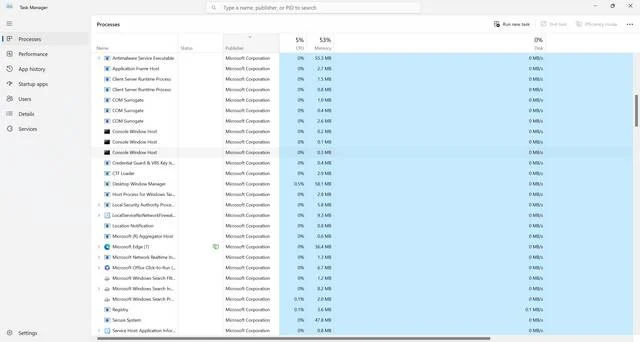
When you open the Task Manager on your Windows computer, you may notice a process called “Microsoft Edge” running in the background. This can be confusing, especially if you don’t actively use Microsoft Edge as your default web browser. In this article, we will explore why the Microsoft Edge process is running in Task Manager and what it means for your system.
Understanding the Microsoft Edge Process
The Microsoft Edge process running in Task Manager is not a cause for concern or alarm. It is a normal behavior of the Windows operating system and is related to the way Microsoft Edge handles web content and extensions.
Microsoft Edge, like many modern web browsers, uses a multi-process architecture to enhance stability and security. Each tab or extension you open in Microsoft Edge runs as a separate process in the background. This design isolates web content and extensions from each other, preventing one faulty tab or extension from crashing the entire browser.
By running each tab and extension as a separate process, Microsoft Edge can also optimize performance and allocate system resources more efficiently. This approach allows for better multitasking and responsiveness, especially when dealing with complex web applications or multimedia content.
Why Microsoft Edge Runs in the Background
Even if you don’t actively use Microsoft Edge as your default browser, the Microsoft Edge process may still run in the background for various reasons:
- Default System Components: Microsoft Edge is deeply integrated into the Windows operating system. It serves as the default web browser for many system components and services, such as the Windows Store, Cortana, and the Windows Help and Support Center. These components rely on the Microsoft Edge process to function properly.
- Web Content Preloading: Microsoft Edge may preload web content in the background to improve browsing performance. This feature, known as “pre-rendering,” allows Microsoft Edge to anticipate your next actions and load web pages in advance. By doing so, web pages can appear faster when you navigate to them.
- Extension Background Processes: If you have installed extensions in Microsoft Edge, they may run background processes to provide additional functionality. These processes can run even when you are not actively using Microsoft Edge.
Is the Microsoft Edge Process a Security Concern?
The Microsoft Edge process running in Task Manager is not a security concern in itself. However, it is essential to ensure that the process you see is legitimate and not a result of malware or a potentially unwanted program (PUP).
If you suspect that the Microsoft Edge process is malicious or unwanted, it is recommended to scan your system for viruses and malware. One reliable tool for this purpose is Malwarebytes Free. Malwarebytes is a trusted antivirus and anti-malware software that can detect and remove various threats from your computer.
Keep in mind that cybercriminals may disguise malware or PUPs as legitimate processes to avoid detection. Therefore, it is crucial to stay vigilant and regularly update your antivirus software to protect your system from potential threats.
Managing the Microsoft Edge Process
If you find the Microsoft Edge process consuming excessive system resources or causing performance issues, there are a few steps you can take to manage it:
- Close Unnecessary Tabs: If you have multiple tabs open in Microsoft Edge, consider closing the ones you don’t need. Each open tab consumes system resources, and reducing the number of tabs can improve overall performance.
- Disable Unnecessary Extensions: Extensions can also contribute to increased resource usage. Disable or remove any extensions that you don’t actively use or that may be causing performance issues.
- Clear Browsing Data: Over time, browsing data such as cookies, cache, and history can accumulate and affect performance. Clearing this data regularly can help optimize Microsoft Edge’s performance.
- Update Microsoft Edge: Keeping Microsoft Edge up to date ensures that you have the latest performance improvements and security patches. Check for updates regularly and install them when available.
Summary
The Microsoft Edge process running in Task Manager is a normal behavior of the Windows operating system. It is related to the multi-process architecture used by Microsoft Edge to enhance stability, security, and performance. While the process may run in the background even if you don’t actively use Microsoft Edge, it is not a cause for concern.
If you suspect any malicious activity or performance issues related to the Microsoft Edge process, it is recommended to scan your system for viruses and malware using Malwarebytes Free or a trusted antivirus software. Additionally, managing unnecessary tabs, extensions, and regularly clearing browsing data can help optimize Microsoft Edge’s performance.
By understanding the reasons behind the Microsoft Edge process running in Task Manager, you can ensure a smooth and secure browsing experience on your Windows computer.

Join the discussion
0 commentsShare your experience or ask a question about this article.
Discussion
Start the conversation
Have a question or something useful to share? Add the first comment.