

Microsoft Office 365 is a popular suite of productivity tools that includes applications like Word, Excel, PowerPoint, Outlook, and more. It offers a range of features and benefits for both individuals and businesses, making it a widely used software solution. However, some users may wonder if they should remove it from their systems. In this article, we will explore what Microsoft Office 365 is, its advantages, and whether or not you should consider removing it.
What is Microsoft Office 365?
Microsoft Office 365 is a cloud-based subscription service that provides access to various Microsoft applications and services. It allows users to work and collaborate on documents, spreadsheets, presentations, and emails from anywhere, using any device with an internet connection. Office 365 offers a range of plans tailored to different user needs, including personal, home, business, and enterprise options.
With Office 365, users can enjoy the latest versions of popular Microsoft applications, along with additional features like cloud storage, real-time collaboration, and regular updates. It also provides access to online versions of the Office applications, allowing users to work on their files even without the desktop software installed.
Advantages of Microsoft Office 365
There are several advantages to using Microsoft Office 365:
- Flexibility and Accessibility: Office 365 allows users to access their files and applications from anywhere, using any device. This flexibility enables remote work, collaboration, and productivity on the go.
- Regular Updates: With Office 365, users receive regular updates and new features, ensuring they always have access to the latest tools and improvements.
- Collaboration and Communication: Office 365 offers robust collaboration and communication features, such as real-time co-authoring, shared calendars, and video conferencing. These features enhance teamwork and streamline communication within organizations.
- Cloud Storage: Office 365 provides cloud storage through OneDrive, allowing users to store and access their files securely. This eliminates the need for physical storage devices and enables easy file sharing and synchronization.
- Integration with Other Microsoft Services: Office 365 seamlessly integrates with other Microsoft services like SharePoint, Teams, and Dynamics 365, providing a comprehensive productivity ecosystem.
Should I Remove Microsoft Office 365?
While Microsoft Office 365 offers numerous benefits, there may be situations where removing it could be considered:
1. Unused or Redundant Applications
If you find that you rarely use the applications included in your Office 365 subscription or have alternative software that meets your needs, removing Office 365 can free up storage space and reduce clutter on your system.
2. Compatibility Issues
In some cases, certain applications or features of Office 365 may not be compatible with your specific hardware or software setup. If you encounter persistent compatibility issues that hinder your productivity, removing Office 365 and using alternative solutions may be worth considering.
3. Cost Considerations
Office 365 is a subscription-based service, and the cost can add up over time. If you find that you no longer require the features and benefits provided by Office 365, removing it can help save on subscription fees.
4. Security Concerns
While Office 365 is generally secure, some users may have specific security concerns or prefer to use alternative software solutions. If you have specific security requirements or preferences, it is essential to evaluate whether Office 365 meets your needs or if removing it is a better option.
How to Remove Microsoft Office 365
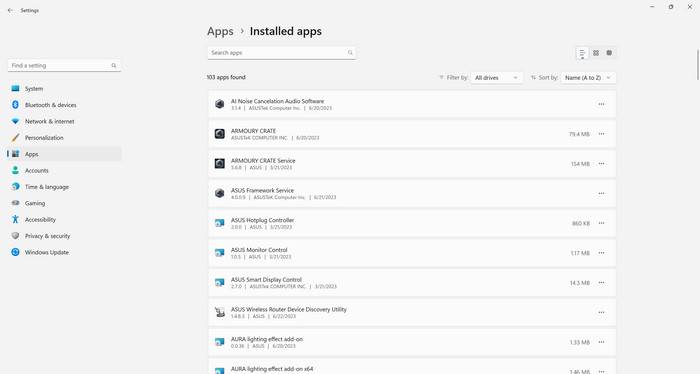
If you decide to remove Microsoft Office 365 from your system, you can follow these steps:
- Open the Control Panel on your Windows computer.
- Click on “Programs” or “Programs and Features.”
- Locate Microsoft Office 365 in the list of installed programs.
- Right-click on Microsoft Office 365 and select “Uninstall” or “Remove.”
- Follow the on-screen prompts to complete the uninstallation process.
It is important to note that removing Office 365 will uninstall all the applications and services associated with it. Make sure to back up any important files or data before proceeding with the uninstallation.
If you encounter any issues during the uninstallation process or suspect malware or unwanted programs on your system, it is recommended to scan your computer with a reliable anti-malware tool like Malwarebytes Free. This will help ensure that your system is clean and free from any potential threats.
Conclusion
Microsoft Office 365 is a powerful suite of productivity tools that offers numerous benefits for individuals and businesses. Its flexibility, regular updates, collaboration features, and integration with other Microsoft services make it a popular choice. However, there may be situations where removing Office 365 is worth considering, such as unused applications, compatibility issues, cost considerations, or specific security concerns.
If you decide to remove Office 365, follow the provided steps and ensure you have a backup of any important files. Additionally, consider scanning your system for malware using a reliable tool like Malwarebytes Free to ensure a clean and secure environment.
Ultimately, the decision to remove Microsoft Office 365 depends on your specific needs, preferences, and circumstances. Evaluate the advantages and disadvantages, and choose the option that best aligns with your requirements for productivity and collaboration.

Join the discussion
0 commentsShare your experience or ask a question about this article.
Discussion
Start the conversation
Have a question or something useful to share? Add the first comment.