

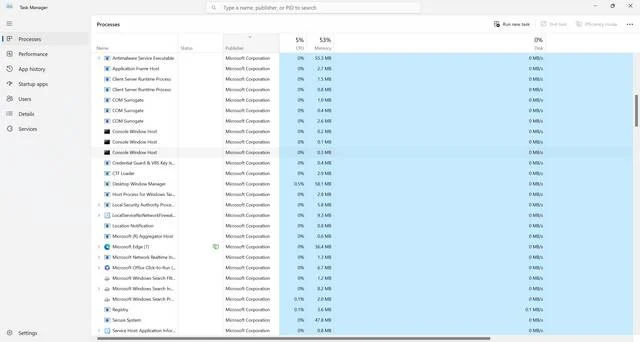
When you open the Task Manager on your Windows computer, you may notice a process called “Microsoft Office Click-to-Run” running in the background. This process often raises questions for users who are unfamiliar with its purpose and functionality. In this article, we will explore the Microsoft Office Click-to-Run process, its significance, and why it is running in the Task Manager.
Understanding Microsoft Office Click-to-Run
Microsoft Office Click-to-Run is a technology developed by Microsoft that allows users to install and update Microsoft Office products over the internet. It is an alternative to the traditional installation method that involves downloading and running an installer file.
With Click-to-Run, users can start using Office applications while the installation is still in progress. This means you don’t have to wait for the entire installation to complete before accessing Word, Excel, PowerPoint, or other Office programs. Click-to-Run also enables automatic updates, ensuring that you have the latest features and security patches without manual intervention.
Why Is Microsoft Office Click-to-Run Running in Task Manager?
When you see the Microsoft Office Click-to-Run process running in the Task Manager, it indicates that an Office application or update is being installed or updated in the background. The process is responsible for managing the installation and update tasks, ensuring a smooth and uninterrupted experience for the user.
Here are a few reasons why you might find the Click-to-Run process running:
- Installation or Update: If you recently installed or updated Microsoft Office, the Click-to-Run process will run in the background to complete the installation or update process. This ensures that you can continue using Office applications while the necessary files are being downloaded and configured.
- Background Maintenance: Click-to-Run also performs background maintenance tasks to optimize the performance of Office applications. These tasks may include repairing corrupted files, cleaning up temporary files, or updating components to enhance stability and security.
- Automatic Updates: Microsoft regularly releases updates for Office applications to introduce new features, fix bugs, and address security vulnerabilities. The Click-to-Run process runs in the background to download and install these updates automatically, ensuring that you have the latest version of Office.
Managing Microsoft Office Click-to-Run
If you want to manage the Microsoft Office Click-to-Run process or change its behavior, you can do so through the Office Deployment Tool or the Office Configuration Tool. These tools allow system administrators and advanced users to customize the installation and update process according to their requirements.
Here are a few options you can configure using these tools:
- Installation Source: You can specify the installation source for Office applications, such as a local network share or a specific URL. This allows you to control where the installation files are downloaded from.
- Update Channel: Microsoft offers different update channels for Office applications, including Monthly Channel, Semi-Annual Channel, and Insider Channel. You can choose the update channel that suits your needs, balancing stability and access to new features.
- Update Behavior: You can configure how Office updates are applied, such as automatically installing updates, notifying users before installation, or disabling updates altogether. This gives you control over the update process and ensures compatibility with other software or systems.
Is Microsoft Office Click-to-Run Safe?
Some users may be concerned about the presence of the Click-to-Run process in the Task Manager, fearing it could be a sign of malware or a security threat. However, Microsoft Office Click-to-Run is a legitimate process developed by Microsoft and is not associated with any malicious activities.
If you suspect malware or want to ensure the security of your system, it is always a good practice to scan your computer with reliable antivirus software. We recommend using Malwarebytes Free, a trusted antivirus program that can detect and remove malware effectively.
Conclusion
The Microsoft Office Click-to-Run process running in the Task Manager is a vital component of the Office installation and update process. It ensures that you can start using Office applications while the installation or update is in progress and keeps your Office suite up to date with the latest features and security patches.
Understanding the purpose and functionality of Click-to-Run can help alleviate any concerns about its presence in the Task Manager. It is a legitimate process developed by Microsoft and is not a cause for alarm.
If you have any further questions or concerns about Microsoft Office Click-to-Run, it is always recommended to reach out to Microsoft support or consult official documentation for more information.

Join the discussion
0 commentsShare your experience or ask a question about this article.
Discussion
Start the conversation
Have a question or something useful to share? Add the first comment.