

Microsoft Teams Update Process: Why Is It Running In Task Manager
Microsoft Teams has become an essential tool for remote collaboration and communication, especially in the wake of the COVID-19 pandemic. With its wide range of features and seamless integration with other Microsoft products, Teams has gained immense popularity among businesses and individuals alike. However, some users have noticed that Microsoft Teams continues to run in the background even after closing the application. This article aims to explore the reasons behind this behavior and shed light on the Microsoft Teams update process.
Understanding the Microsoft Teams Update Process
When you install Microsoft Teams on your computer, it automatically sets up a background process that runs continuously. This process is responsible for checking for updates and installing them when available. The purpose of this continuous update process is to ensure that you always have the latest version of Teams with the most up-to-date features and security patches.
Microsoft follows an agile development approach, constantly releasing updates and improvements to Teams. These updates can include bug fixes, performance enhancements, new features, and security updates. By running the update process in the background, Microsoft ensures that users have a seamless experience and are protected against potential vulnerabilities.
Why Does Microsoft Teams Continue Running in Task Manager?
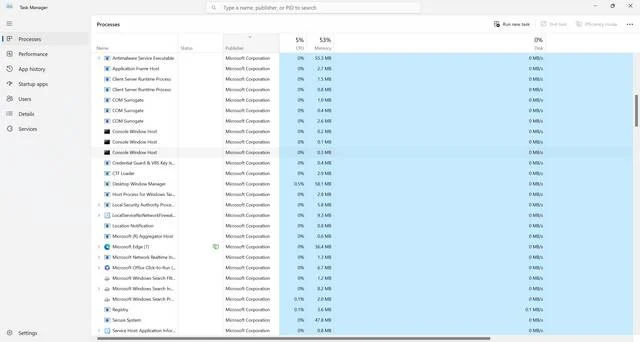
When you close the Microsoft Teams application, it may still appear as a running process in the Task Manager. This behavior is intentional and serves two main purposes:
- Background Updates: As mentioned earlier, Microsoft Teams continuously checks for updates in the background. By keeping the process running, Teams can download and install updates without requiring user intervention. This ensures that you have the latest version of Teams without having to manually update it.
- Notification and Call Handling: Microsoft Teams also uses the background process to handle notifications and incoming calls. By running in the background, Teams can deliver real-time notifications and allow you to receive calls even when the application is closed. This ensures that you don’t miss any important messages or calls while working on other tasks.
It’s important to note that the background process of Microsoft Teams is designed to be lightweight and consume minimal system resources. However, if you notice unusually high CPU or memory usage by Teams, it could indicate a problem or conflict with other software on your computer. In such cases, it’s recommended to scan your system for viruses or malware using a reliable security software like Malwarebytes Free.
Controlling Microsoft Teams Background Process
If you prefer to have more control over the Microsoft Teams background process, you can adjust the settings within the application. Here’s how:
- Open Microsoft Teams and click on your profile picture in the top-right corner.
- Select “Settings” from the dropdown menu.
- In the Settings window, navigate to the “General” tab.
- Scroll down to the “Application” section and toggle off the “On close, keep the application running” option.
By disabling this option, Microsoft Teams will no longer run in the background after you close the application. However, keep in mind that you will need to manually check for updates and relaunch Teams to install them.
Conclusion
The Microsoft Teams update process running in the background is a deliberate design choice to ensure users have the latest features and security patches without manual intervention. By continuously checking for updates and handling notifications, Teams provides a seamless collaboration experience. While it may appear as a running process in the Task Manager even after closing the application, it consumes minimal system resources.
If you encounter any performance issues or suspect malware, it’s recommended to scan your system using a reliable security software like Malwarebytes Free. By understanding the purpose and functionality of the Microsoft Teams update process, you can make informed decisions about managing its background operation and ensure a smooth collaboration experience.

Join the discussion
0 commentsShare your experience or ask a question about this article.
Discussion
Start the conversation
Have a question or something useful to share? Add the first comment.