

Microsoft Teams is a popular collaboration platform that allows teams to communicate, collaborate, and work together seamlessly. It has gained significant traction in recent years, especially with the rise of remote work and virtual meetings. However, some users may notice that the Microsoft Teams process is running in the Task Manager even when they are not actively using the application. This article aims to explore the reasons behind this behavior and provide valuable insights to the readers.
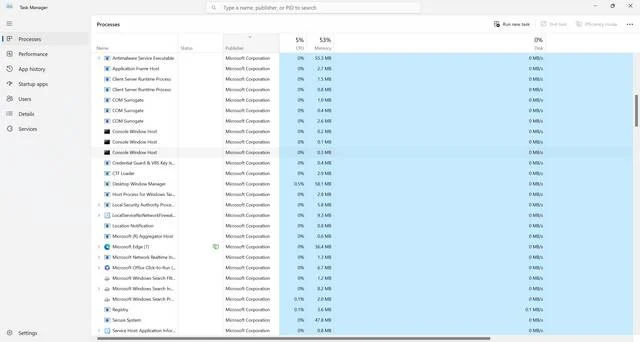
Understanding Microsoft Teams Process
Before diving into the reasons why the Microsoft Teams process may be running in the Task Manager, it is essential to understand what the process represents. When you install Microsoft Teams on your computer, it creates several background processes that run continuously to ensure the smooth functioning of the application.
The primary process associated with Microsoft Teams is called “Teams.exe.” This process is responsible for handling various tasks, such as managing notifications, updating the application, and maintaining a connection with the Microsoft Teams servers. It runs in the background to ensure that you receive real-time notifications and can quickly join meetings or respond to messages.
Reasons for Microsoft Teams Process Running in Task Manager
There are several reasons why the Microsoft Teams process may continue to run in the Task Manager, even when you are not actively using the application:
- The Auto-Start feature: By default, Microsoft Teams is set to launch automatically when you start your computer. This feature ensures that you can quickly access the application whenever you need it. As a result, the Teams.exe process starts running in the background as soon as you log in to your computer.
- Background tasks and notifications: Microsoft Teams constantly checks for new messages, updates, and notifications to provide a seamless collaboration experience. These background tasks require the Teams.exe process to be active and running in the background.
- Integration with other Microsoft services: Microsoft Teams integrates with various other Microsoft services, such as Outlook and SharePoint. This integration allows for a smooth workflow and easy access to shared files and calendars. To maintain these integrations, the Teams.exe process needs to run continuously.
- Presence and status updates: Microsoft Teams displays your presence and status to other users, indicating whether you are available, busy, or away. To keep this information up to date, the Teams.exe process needs to run in the background and communicate with the Microsoft Teams servers.
Is It Normal or a Cause for Concern?
Seeing the Microsoft Teams process running in the Task Manager, even when you are not actively using the application, is entirely normal and expected behavior. It does not indicate any malicious activity or pose a security risk to your computer.
However, if you notice any unusual behavior or suspect that your computer may be infected with malware, it is always a good idea to run a scan with a reliable antivirus or anti-malware software. One such recommended software is Malwarebytes Free, which can help detect and remove any potential threats.
Managing Microsoft Teams Process
If you prefer to minimize the Microsoft Teams process’s impact on your computer’s resources or want to prevent it from running in the background, you can take the following steps:
- Change auto-start settings: You can modify the auto-start settings of Microsoft Teams to prevent it from launching automatically when you start your computer. To do this, open the Microsoft Teams application, click on your profile picture, go to “Settings,” and navigate to the “General” tab. Here, you can toggle off the “Auto-start application” option.
- Sign out of Microsoft Teams: If you do not use Microsoft Teams frequently or want to temporarily stop the background processes, you can sign out of the application. To sign out, click on your profile picture in the Microsoft Teams application and select “Sign out.” Keep in mind that signing out will prevent you from receiving notifications and accessing the application until you sign back in.
- Disable unnecessary features: Microsoft Teams offers various features and integrations that you may not use regularly. Disabling these features can help reduce the resource usage of the application. To disable features, go to the Microsoft Teams application, click on your profile picture, go to “Settings,” and navigate to the “Permissions” or “Apps” tab. Here, you can manage the permissions and integrations according to your preferences.
Summary
The Microsoft Teams process running in the Task Manager is a normal and expected behavior of the application. It ensures that you receive real-time notifications, updates, and can quickly access the collaboration platform whenever needed. The process runs in the background to maintain a connection with the Microsoft Teams servers, handle background tasks, and provide a seamless collaboration experience.
If you prefer to minimize the impact of the Microsoft Teams process on your computer’s resources, you can modify the auto-start settings, sign out of the application when not in use, or disable unnecessary features and integrations. However, it is important to note that these actions may limit the functionality and convenience of the Microsoft Teams application.
Remember, if you suspect any malicious activity on your computer, it is always recommended to run a scan with a reliable antivirus or anti-malware software like Malwarebytes Free to ensure the security of your system.

Join the discussion
0 commentsShare your experience or ask a question about this article.
Discussion
Start the conversation
Have a question or something useful to share? Add the first comment.