

A dark oven rack is sprayed once, the grease seems to melt on contact, and the surface wipes clean without scrubbing. The transformation is so quick that a difficult household job suddenly looks easier than washing a plate.
That is the promise behind Dr Clean Spray. The sales page calls it America’s top-rated cleaner, says it removes every stain, and surrounds the bottle with discounts, media logos, and enthusiastic reviews.
Independent customer feedback tells a much rougher story. We compared the live claims with low ratings, billing complaints, seller details, and the practical steps buyers can take if the spray or charge does not match the advertisement.
Overview
The advertisement promises a nearly effortless miracle cleaner
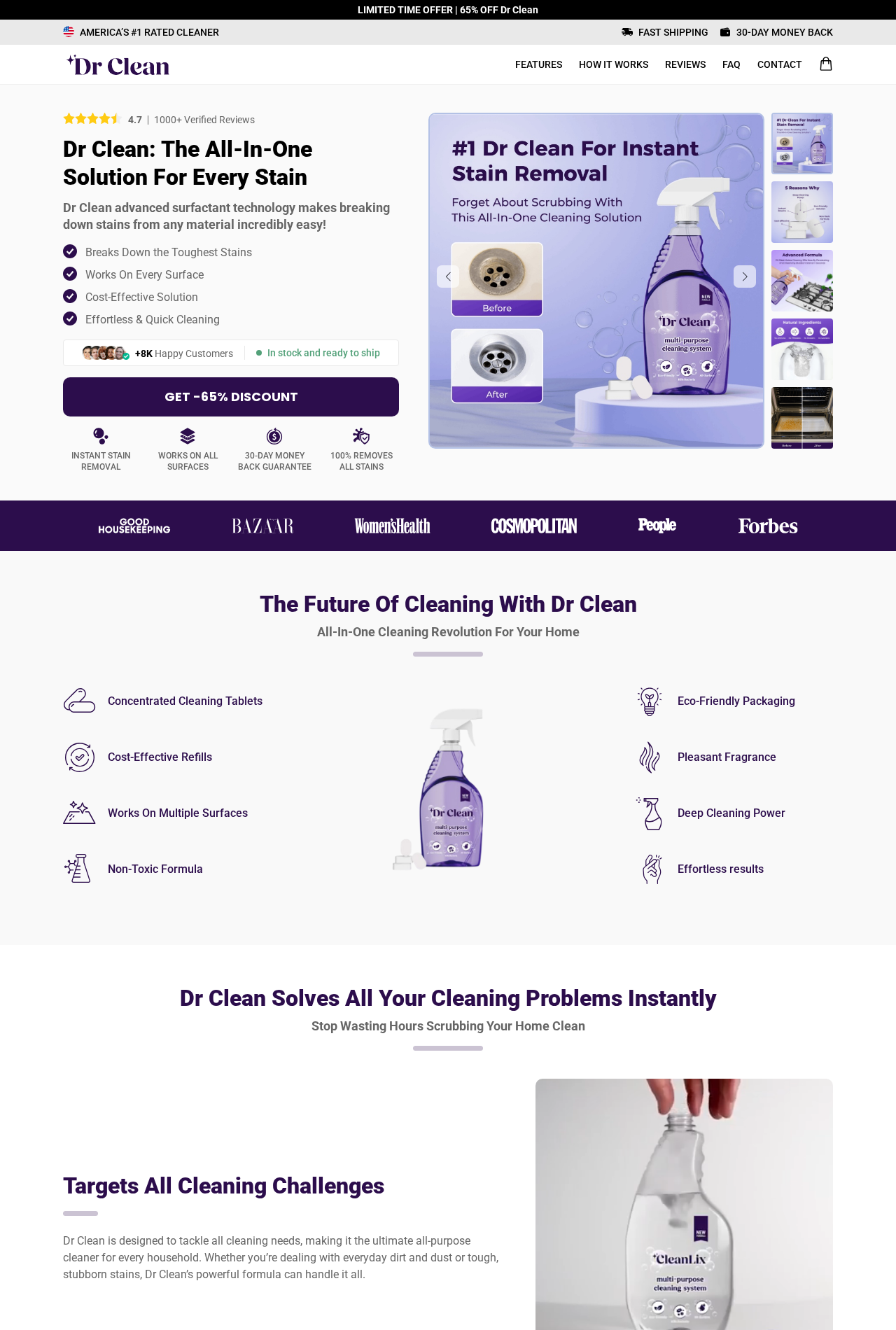
Dr Clean is promoted as an instant stain remover that works without scrubbing, eliminates 100% of stains, and can be used on every surface. The site also calls it America’s number-one-rated cleaner and says more than 1,000 verified customers gave it high marks.
Absolute claims such as “every surface” and “all stains” are a warning. Grease, rust, mineral scale, burned food, dye, adhesive, and biological stains are chemically different. One spray cannot safely behave the same way on painted metal, stone, wood, fabric, plastic, and coated appliances.
Independent review profiles are overwhelmingly negative
At the time checked, a Trustpilot profile connected to Dr Clean Spray showed 1.1 out of 5 from more than 460 reviews. Reviewers repeatedly described weak cleaning performance, watery or colored liquid, unexpected totals, refund trouble, and packages that did not resemble the presentation.
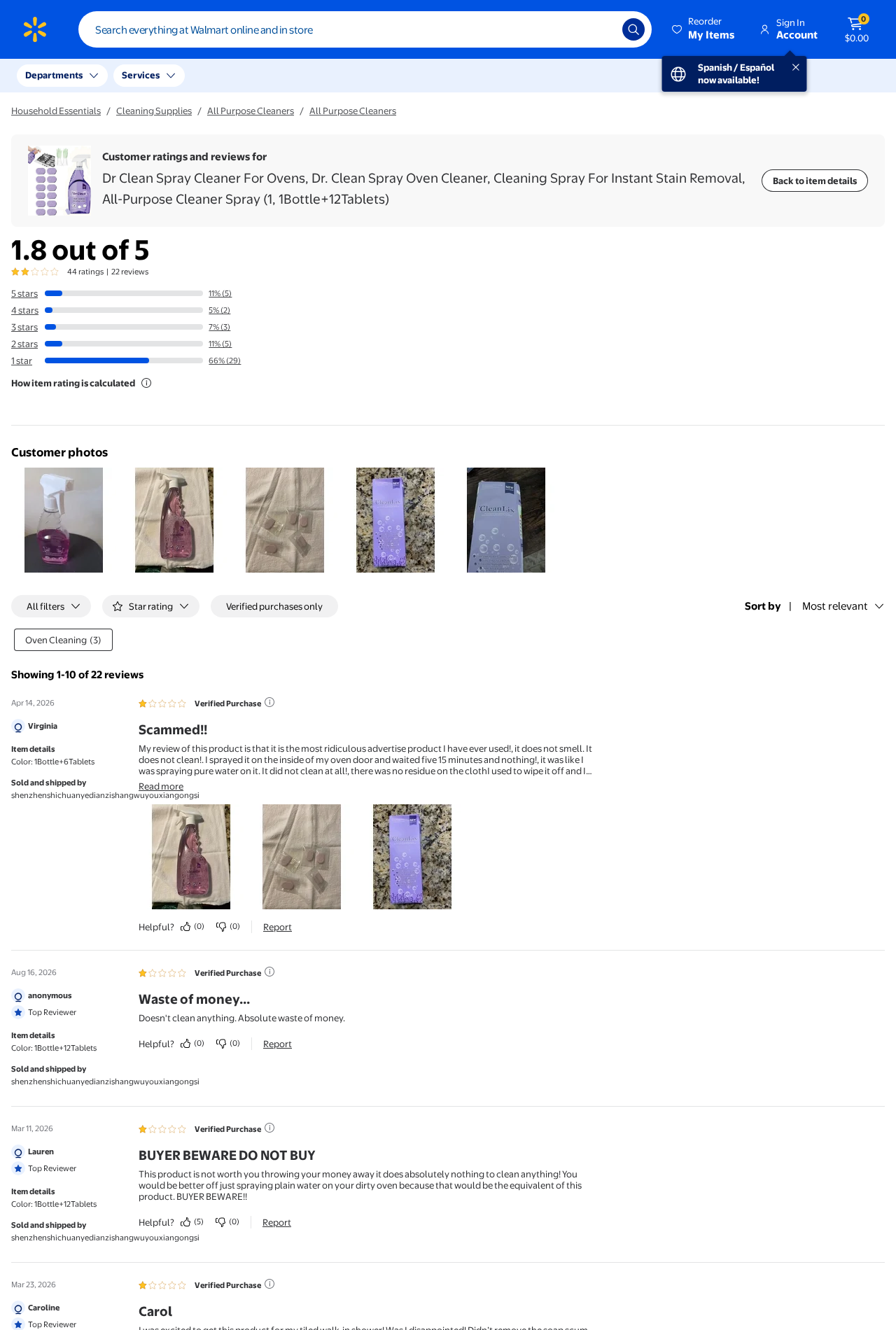
A Walmart marketplace listing also showed a very low rating, with most ratings at one star. Marketplace listings can involve third-party sellers, so they do not prove every bottle comes from one source, but the pattern sharply conflicts with the near-perfect image on the sales page.
The product, merchant, and fulfillment chain are not clear enough
The marketing site focuses heavily on results and discounting while giving buyers much less clarity about the legal company, formula, manufacturer, and returns operation. A social ad, storefront, payment processor, private-label supplier, and warehouse can all be different parties.
That opacity matters when the charge is larger than expected or the product does not work. The name printed on the spray may not be the name on the card statement, and the return address may be a fulfillment center rather than a company office.
- Dr Clean ads promise instant results with little or no scrubbing.
- The website uses absolute “every surface” and “100%” language.
- The page advertises a 65% discount and large numbers of positive reviews.
- Independent Trustpilot feedback is extremely poor.
- Marketplace reviews also report weak performance and misleading expectations.
- Some customers allege unexpected pricing or difficult refunds.
- The legal seller, manufacturer, and returns operator should be verified before purchase.
What the Dr Clean Spray Advertisement Claims
The product is presented as a universal cleaning shortcut. Demonstration images suggest the spray rapidly loosens thick oven grease, burned residue, bathroom dirt, and household stains, allowing them to disappear after a light wipe.
The site uses phrases such as instant stain removal, zero scrubbing, suitable for every surface, and 100% removal. These claims eliminate the ordinary limitations found on credible cleaning labels.
Real cleaners specify what they are designed to remove, where they can be used, required contact time, dilution, ventilation, protective equipment, and surfaces that could be damaged. A universal promise leaves the consumer without the information needed to use the chemical safely.
Media logos appear near the offer, including names associated with magazines and consumer publications. A logo does not prove that the publication reviewed, tested, ranked, or endorsed the product. Buyers should locate the original article on the publication’s own domain.
The page also uses a high customer score and “verified” language. Reviews hosted inside the seller’s page are controlled by the seller’s presentation. Independent platforms, while imperfect, allow shoppers to compare the marketing claim with complaints the storefront did not select.
Why the Demonstration Videos Can Be Misleading
Cleaner demonstrations are easy to stage. The dark material may be fresh cooking oil mixed with pigment rather than baked-on carbon. A surface can be pretreated, the video can be cut between application and wiping, or a clean duplicate item can replace the dirty one.
Fast video also hides dwell time. A product may sit for several minutes off camera even though the edit suggests an instant reaction. Lighting and increased contrast can make the before surface appear dirtier and the after surface brighter.
Another technique is reusing footage from an unrelated product. The bottle shown at the end may not contain the cleaner used in the demonstration. Searching still frames can reveal the same hands, oven, or pan in advertisements for several different brands.
None of these techniques proves that every Dr Clean video was fabricated. They explain why a dramatic clip is not a controlled product test. A credible comparison would use the delivered bottle, measured soil, identical surfaces, fixed contact time, and unedited recording.
What Independent Customer Reviews Say
The Trustpilot profile checked during this investigation showed a score of 1.1 out of 5 from 463 reviews. The summary described complaints that the product did not clean as shown, looked like colored water, cost more than expected, or was difficult to return.
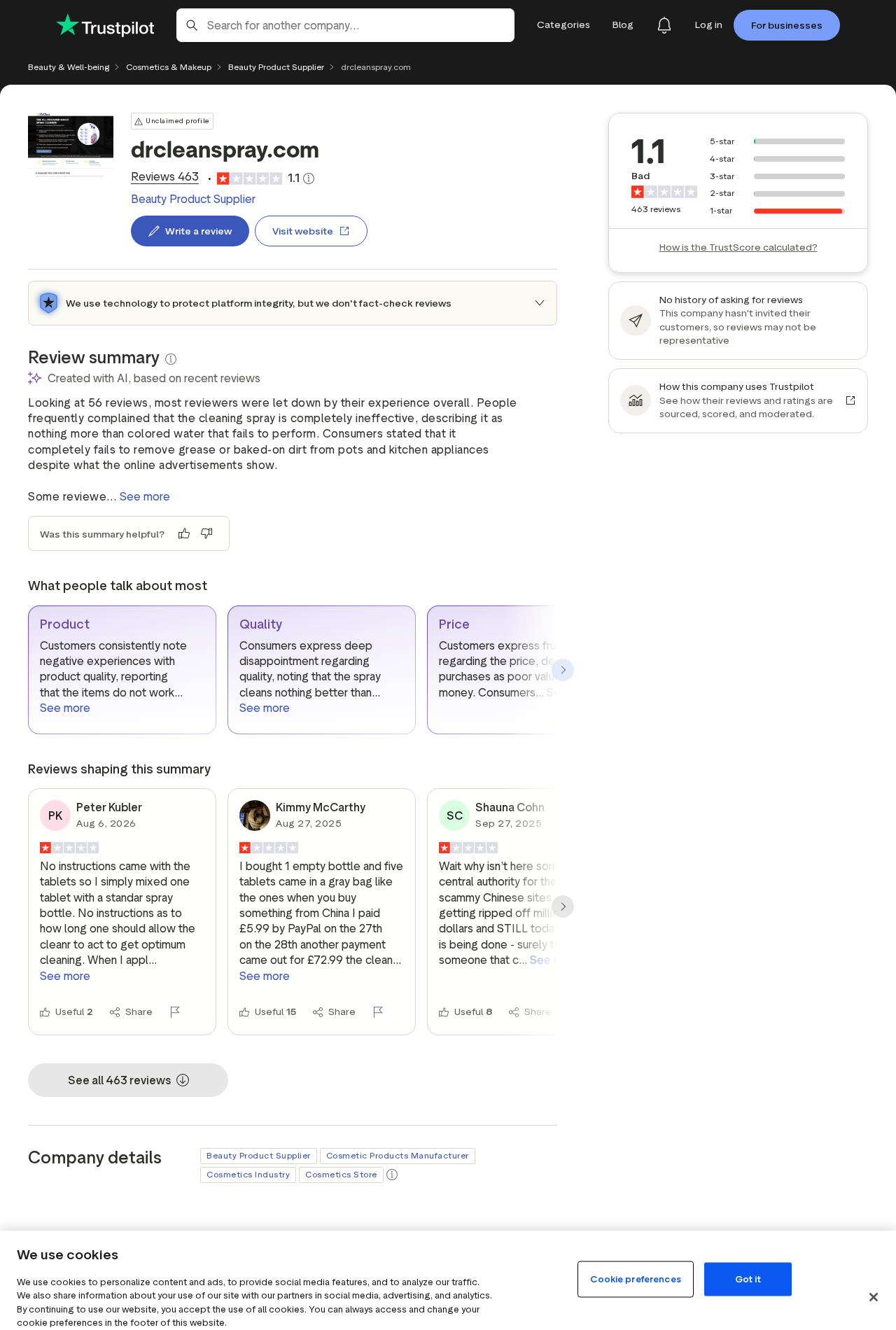
One reviewer described seeing a low introductory amount and later noticing a much larger payment. Another claimed the item arrived from China. These are individual allegations, not independently verified facts about every order, manufacturer, or customer.
The repeated themes still matter. When many buyers independently describe a gap between the demonstration and actual cleaning, the seller should provide transparent testing and a straightforward refund process rather than relying on more promotional footage.
Walmart marketplace feedback showed another very low rating, approximately 1.8 out of 5 in the listing reviewed. Customers used phrases such as “waste of money,” “buyer beware,” and “scammed.” Some reviews were marked as verified purchases.
Marketplace products can come from different third-party sellers and may not be identical to the bottle sold on trydrclean.com. This is why the exact SKU, label, ingredients, seller name, and fulfillment source must be compared before treating all reviews as one data set.
How the Dr Clean Miracle Spray Scam Works
Step 1: A short social video shows an impossible-looking transformation
The ad opens on the dirtiest possible oven, pan, wall, or bathroom surface. One spray and a single wipe reveal a spotless result, often in less time than it would take the chemical to penetrate the residue.
The viewer is not given a formula, test method, contact time, or full safety label. The visual result becomes the evidence.
Step 2: Familiar publication logos borrow credibility
The landing page places recognizable media names near the offer. The layout encourages visitors to assume those outlets tested or recommended Dr Clean.
Without a direct article on the publication’s real website, the logo is only a graphic. It should not influence the purchase.
Step 3: Absolute claims remove normal product limitations
The spray is described as working instantly, without scrubbing, on every surface, against every stain. This makes the customer imagine one cheap bottle replacing several specialized cleaners.
A real chemical may be too weak for baked residue, too strong for a delicate coating, or ineffective against a stain with different chemistry. The ad leaves no room for those ordinary limits.
Step 4: The discount and bundle design raise the order size
A large 65% discount, limited availability, and multi-bottle packages push the shopper to buy more before testing one bottle. Add-on products or quantity upgrades may be selected as the customer moves through the order flow.
The buyer should ignore the per-unit number and read the final total. Shipping, handling, tax, and extra units can make the charge much larger than the first price seen.
Step 5: The delivered liquid may not perform like the video
Complaints say the spray required ordinary scrubbing or did little at all. Some describe the bottle as diluted or different from expectations.
Performance can vary by stain and surface, but that is precisely why “100%” and “every surface” claims are inappropriate. The advertisement creates a result the delivered product may be unable to match.
Step 6: The buyer struggles to identify the responsible company
The card descriptor, storefront name, package sender, and return location may differ. Customer service may ask the buyer to communicate with a processor or return center that was not prominent in the ad.
Each additional layer makes a refund slower and gives the parties an opportunity to redirect responsibility.
Step 7: Return cost and delay weaken the guarantee
A guarantee sounds strong until the customer must obtain authorization, pay tracked international or domestic shipping, preserve unused containers, and wait for inspection.
If the return cost approaches the refund, some customers give up. That outcome can make an aggressive guarantee profitable even when the product disappoints.
Could Dr Clean Damage a Surface or Cause Injury?
Any cleaner strong enough to dissolve heavy grease can affect coatings, paint, sealants, skin, eyes, or lungs. A label should provide ingredients or hazard information, ventilation instructions, protective-equipment guidance, first aid, and a list of incompatible surfaces.
Never test a heavily promoted spray across an entire appliance. Use a small hidden area, follow the physical label, keep children and pets away, and do not mix it with bleach, ammonia, acids, or another cleaner.
If the package lacks a readable label, manufacturer, warnings, and ingredient or safety information, do not use it. A generic bottle with an incomplete label cannot be evaluated safely from a social video.
For eye or skin exposure, rinse according to local poison-control guidance and seek help for persistent symptoms. Move to fresh air for breathing irritation. Bring the bottle or photograph so professionals know what may be involved.
Company, Address, and Fulfillment Checks
The brand name does not reveal the legal merchant
“Dr Clean” is a product identity. Before paying, locate the legal company in the terms, privacy policy, checkout, receipt, and card authorization. If those records name different entities, ask how they are connected.
A seller that hides the company taking the money should not receive the benefit of a miracle claim. Leave the checkout until the merchant can be identified.
The phone and email must reach the exact order
Do not rely on a contact number copied into an advertisement or customer comment. Use the support details on the confirmation and ask the agent to state the product, total, quantity, and return terms.
Unanswered email, disconnected numbers, or scripted replies that cannot identify the transaction are powerful warning signs. Document them for the card issuer.
A warehouse address proves only where a package moved
A return label may point to a fulfillment center handling hundreds of brands. It does not establish where Dr Clean was formulated, bottled, tested, or managed.
Search the address and state its role accurately. A warehouse is not automatically fake, but it is not the headquarters or manufacturer unless records show that connection.
Mass production requires a traceable formula
Private-label cleaners can be mass produced in China, the US, or other countries. An individual reviewer’s shipping claim does not prove the origin of every bottle.
The hard question is whether the delivered product names its manufacturer, country of origin, ingredients, batch, and safety documentation. Without that traceability, the customer cannot know whether repeated orders contain the same formula or whether the spray is appropriate for a surface.
What to Do if You Have Fallen Victim to This Scam
- Stop using the spray if the label is incomplete or the product causes a reaction. Ventilate the area, rinse exposed skin or eyes, and contact poison control or a medical professional when needed.
- Photograph everything before discarding it. Capture the bottle, ingredients, warnings, lot number, package, shipping label, liquid color, damaged surface, and the advertised result.
- Save the payment record. Keep the original ad, selected quantity, checkout total, confirmation, receipt, card descriptor, and every support message.
- Request cancellation and refund in writing. State how the product or charge differed from the offer. Ask for the legal merchant name, return authorization, destination, deadline, and refund amount.
- Check for recurring charges or add-ons. Review the confirmation for subscriptions, memberships, insurance, expedited processing, or extra bottles. Revoke future authorization explicitly.
- Use tracked return shipping only after approval. Keep the carrier receipt and delivery confirmation. Do not send a package to an address found in a review unless the merchant authorized it for your order.
- Dispute unresolved unauthorized billing. Contact the card issuer promptly if the total was not authorized, the merchant bills after cancellation, or it refuses the documented guarantee.
- Protect your device and report the ad. Run Malwarebytes if the sales funnel caused a download or suspicious redirect. AdGuard can reduce deceptive ads. Report materially false demonstrations and billing practices to the platform and FTC.
Frequently Asked Questions
Is Dr Clean Spray a scam?
The marketing uses extraordinary universal claims that conflict sharply with extensive negative feedback. The unclear company chain and billing complaints add risk. This does not prove every order is criminal fraud, but the offer deserves extreme caution.
Does Dr Clean really work without scrubbing?
Independent complaints frequently say the delivered spray did not perform like the videos. Results can vary by residue and surface, but a credible cleaner should not promise instant, universal, 100% removal.
Why is the Dr Clean charge higher than expected?
Check whether multiple bottles, shipping, taxes, upgrades, or other add-ons were included. Compare the final authorization with the receipt. Dispute any amount you did not approve.
Is Dr Clean Spray made in China?
Some reviewers make that claim about their packages, but we could not verify one manufacturing origin for every bottle sold under the name. Check the delivered label and ask the merchant for manufacturer and country-of-origin records.
Can I use Dr Clean on every surface?
No cleaner should be assumed safe for every surface. Follow the physical label and test a hidden area. Avoid use when the ingredients, warnings, or suitable materials are not clearly identified.
How can I get a Dr Clean refund?
Contact the merchant named on the receipt, request written return authorization, and preserve tracking. If the seller does not honor the documented terms or the charge was unauthorized, contact the card issuer promptly.
The Bottom Line
Dr Clean Spray is sold through a near-perfect visual story, one spray, one wipe, every stain gone. The independent review pattern, absolute claims, billing allegations, and opaque responsibility chain make that story difficult to trust.
Do not buy several bottles because a short video looks impressive. Identify the merchant, inspect the final total, demand safety information, and test any cleaner cautiously before it touches a valuable surface.








