

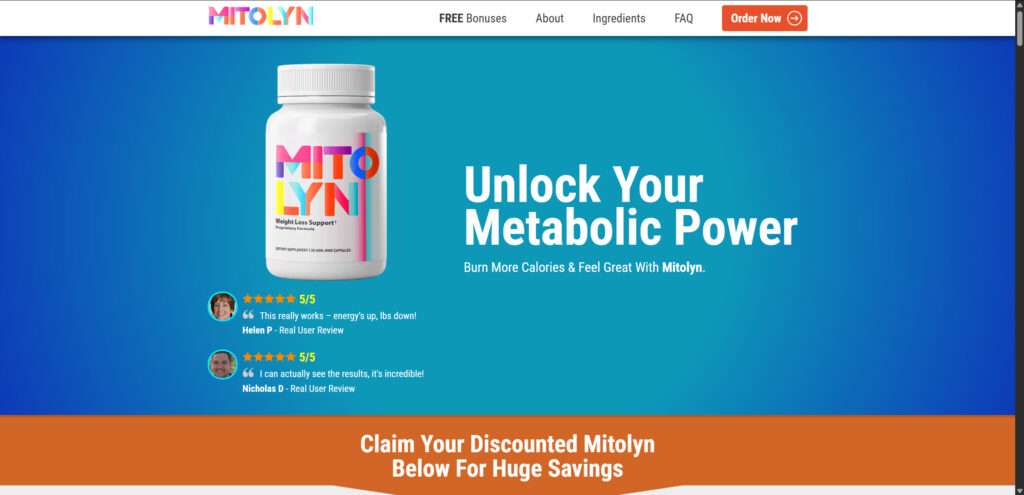
Mitolyn is being hailed as the next evolution in natural weight loss supplements, promising enhanced metabolism, fat-burning, and sustainable energy by optimizing mitochondrial function. But does it really deliver?
With bold claims, a flashy marketing campaign, and growing buzz on social media, consumers are rightly asking: Is Mitolyn a scam or a breakthrough? This investigative article pulls back the curtain on Mitolyn, diving deep into real consumer reviews, red flags, and the science behind its ingredients. Whether you’re on the verge of purchasing or just researching, read this before spending a cent.
Why Mitolyn Is Raising Red Flags
Mitolyn claims to help users lose fat, boost energy, and reset metabolism through “mitochondrial optimization.” While the language sounds scientific, there are several red flags that indicate Mitolyn might be more hype than help.
1. Unrealistic Weight Loss Promises
Mitolyn is promoted as a solution that doesn’t require diet or exercise — a major red flag. Any supplement claiming dramatic fat loss without lifestyle changes should immediately raise suspicion. The human body simply doesn’t function that way, and reputable science backs that up.
2. Overhyped Marketing & Deepfake Ads
Like many scammy products before it, Mitolyn uses:
- Fake news-style landing pages
- Videos of supposed doctors or news anchors giving rave reviews
- AI-generated testimonials and before-and-after images
Some ads even mimic the branding of major outlets like Fox News or CNN to appear credible — but these are completely fabricated.
3. Lack of Scientific Proof
Despite boasting phrases like “clinically tested” and “backed by science,” Mitolyn offers no links to published clinical studies or peer-reviewed trials. The website lacks citations or verifiable data that would justify its claims. The few studies referenced relate broadly to ingredients like maqui berry or ashwagandha but not to Mitolyn’s proprietary blend itself.
4. Misleading “FDA Approved” Language
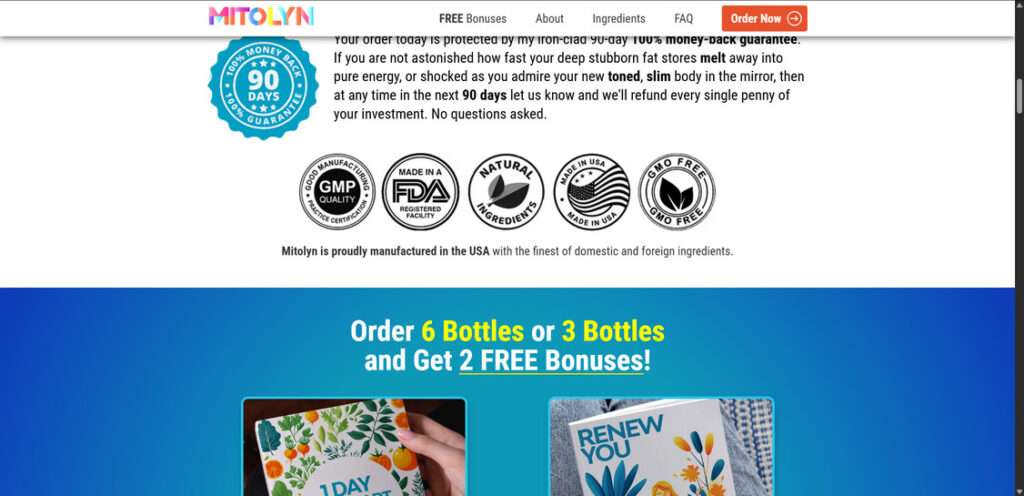
Mitolyn frequently suggests it’s “FDA approved” — but the FDA does not approve dietary supplements. This common marketing trick is used to build false credibility. While a facility might be FDA-registered, this doesn’t mean the product has passed any sort of regulatory testing.
5. No Presence on Trusted Retailers
Another red flag: Mitolyn is not sold on Amazon, Walmart, CVS, or any mainstream platform. It’s available only via a single landing page, often through affiliates. Legitimate supplements with real consumer demand are available in reputable marketplaces.
6. No Transparent Company Information
There is no physical business address, no CEO or leadership names, no manufacturing disclosures, and no way to contact the brand except through a vague contact form or unresponsive email address. This lack of transparency is characteristic of scam operations that dissolve after enough complaints.
How the Mitolyn Scam Works: Step-by-Step Breakdown
Step 1: Clickbait Ads & Emotional Triggers
Mitolyn is advertised through paid ads on platforms like Facebook and Instagram. Ads feature exaggerated weight loss claims, fake endorsements, and stories like:
- “Women over 40 are melting fat with this breakthrough discovery.”
- “Doctors are stunned by this one ingredient…”
These ads use emotional pain points — failed diets, low energy, stubborn belly fat — to lure in victims.
Step 2: Fake News-Style Landing Page
After clicking, users land on a professionally designed page disguised as a news article or health investigation. These pages contain:
- AI-generated testimonials
- Deepfake-style videos
- Claims that Big Pharma is trying to “suppress” this solution
- Links to “limited-time” offers with heavy discounts
Step 3: Fake Urgency and Scarcity
Once on the product page, users are bombarded with:
- Countdown timers
- “Only 5 bottles left!”
- “Offer expires in 15 minutes!”
These artificial scarcity tactics are used to push people into purchasing without taking time to verify the claims.
Step 4: Hidden Subscription Terms
Users believe they’re making a one-time purchase, but the fine print often enrolls them into an auto-billing program that charges monthly. Many realize only after multiple deductions have hit their account.
Step 5: Product Delivery (or Not)
Some customers report receiving a product with vague labeling and no safety seals. Others never receive anything at all. Even those who do get the product often complain of no noticeable results.
Step 6: No Refund, No Support
When users try to cancel or request a refund:
- Phone numbers don’t work
- Emails go unanswered
- Refund requests are ignored or stalled
The so-called “money-back guarantee” is virtually impossible to claim.
Step 7: Reuse of Buyer Data
Some users report being targeted again with a new product name but identical pitch. This suggests customer data is being resold to other scam supplement marketers.
What to Do If You’ve Fallen Victim to the Mitolyn Scam
1. Contact Your Bank or Credit Card Provider
- Request a chargeback or dispute the transaction
- Ask to block recurring charges
2. Monitor Your Accounts
- Watch for additional unauthorized charges
3. Report the Scam
4. Cancel Active Subscriptions
- Look through your email for order details
- Try to cancel via any included link or support contact
5. Change Your Passwords
- If you used your email to order, update associated passwords immediately
6. Leave Honest Reviews
- Warn others by posting on Reddit, Trustpilot, and Facebook groups
7. Contact a Healthcare Professional
- If you consumed the product and are experiencing side effects, consult your doctor
Frequently Asked Questions (FAQ) About Mitolyn
Is Mitolyn a legitimate weight loss supplement?
No. While it uses trendy science-based language, Mitolyn lacks clinical proof, regulatory approval, and verified consumer results to support its claims.
Does Mitolyn have FDA approval?
No. The FDA does not approve dietary supplements. Any claim suggesting otherwise is misleading.
Are there real Mitolyn customer reviews?
Most positive reviews found online appear to be scripted or placed on promotional landing pages. Verified reviews from third-party sources are scarce or negative.
Can Mitolyn cause side effects?
There are no studies confirming safety. Some users report nausea, bloating, and fatigue. Always speak with a doctor before trying unknown supplements.
What’s the biggest red flag about Mitolyn?
The lack of transparency—no company address, no direct customer service, and vague refund policies—suggests it may be a scam.
Why isn’t Mitolyn available on Amazon or Walmart?
Because most major retailers require transparency, verifiable business details, and customer protection policies. Mitolyn likely doesn’t meet those standards.
How does the Mitolyn subscription trap work
Customers think they’re making a one-time purchase, but hidden fine print signs them up for monthly auto-renewals that are hard to cancel.
What should I do if I bought Mitolyn by mistake?
Contact your bank immediately, request a chargeback, and report the product to the FTC. Monitor your accounts and leave public reviews to warn others.
The Bottom Line
Mitolyn makes bold promises with no scientific backing and uses classic scam marketing tactics to push a questionable supplement. From fake urgency to fake reviews and hidden subscriptions, everything about Mitolyn follows the blueprint of other fraudulent supplements.
If a product claims to radically transform your health without any lifestyle changes, it’s likely a scam.
Stick to evidence-based health practices and consult qualified medical professionals before trying any new supplement. Your health isn’t worth risking on unverified claims and shady marketing.
Pro Tip: Always research any supplement before buying. Look for clinical studies, transparent company info, third-party reviews, and verified retailer listings.









Hi. My husband and I both tried Mitolyn and had absolutely NO CHANGE IN WEIGHT AFTER 3 MONTHS OF USE. Needless to say, we are both a thumbs down for this product.
Thank you for reporting it plainly – two people, three months, no change is a more useful data point than any of the testimonials on the sales page, and it is what other readers actually want to know.
One thing worth checking now rather than later: your card statement. The most common complaint about this seller is not the lack of effect but a recurring charge that most buyers do not remember agreeing to, and three months is long enough for two or three of them. If you find any, ring your card issuer and ask for four things in one call – dispute the charges, revoke the merchant’s recurring authorisation, block the merchant, and issue a new card number. You generally have up to 120 days per charge, so some of them may well still be in range.
And if weight is the actual goal rather than the refund: the medications now prescribed for weight management are real and genuinely effective for a lot of people, and a conversation with a doctor costs less than three months of capsules. Nothing sold through an advert competes with that.