

When it comes to web browsers, Mozilla Firefox is one of the most popular choices among users. It offers a range of features and a user-friendly interface that has made it a favorite for many. However, some users may come across a component called “Mozilla Maintenance Service” on their computers and wonder what it is and whether they should remove it. In this article, we will explore the purpose of the Mozilla Maintenance Service and provide insights to help you make an informed decision.
What is the Mozilla Maintenance Service?
The Mozilla Maintenance Service is a background service that is installed alongside the Mozilla Firefox browser. Its primary purpose is to ensure that your Firefox browser stays up to date with the latest security patches, bug fixes, and feature updates. The service runs in the background and periodically checks for updates, downloading and installing them automatically without requiring any user intervention.
The Mozilla Maintenance Service is designed to provide a seamless and hassle-free experience for users by keeping their browsers updated without them having to manually check for updates and initiate the installation process. This helps ensure that users have the latest security enhancements and performance improvements, reducing the risk of vulnerabilities and providing a smoother browsing experience.
Should I Remove the Mozilla Maintenance Service?
While the Mozilla Maintenance Service is an integral part of the Firefox browser, some users may still consider removing it for various reasons. Let’s explore some scenarios where you might want to remove the service:
Limited Storage Space
If you are running low on storage space on your computer, removing the Mozilla Maintenance Service can free up a small amount of disk space. However, it’s important to note that the service itself is relatively small and removing it may not have a significant impact on your overall storage capacity.
Manual Update Preferences
If you prefer to have more control over the update process and manually update your Firefox browser, you may choose to remove the Mozilla Maintenance Service. By doing so, you can manually check for updates and decide when to install them. However, keep in mind that manually updating your browser may leave you vulnerable to security risks if you forget to regularly check for updates.
Performance Concerns
In some cases, users may experience performance issues or conflicts with other software due to the Mozilla Maintenance Service. If you notice any unusual behavior or performance degradation after installing the service, you can try removing it to see if it resolves the issue. However, it’s worth noting that the service is designed to run efficiently in the background without causing significant performance impact.
How to Remove the Mozilla Maintenance Service?
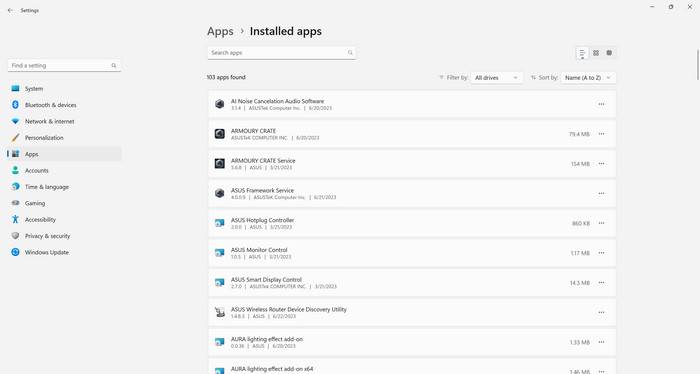
If you have decided to remove the Mozilla Maintenance Service, you can do so by following these steps:
- Open the Control Panel on your Windows computer.
- Select “Uninstall a program” or “Programs and Features” depending on your version of Windows.
- Locate “Mozilla Maintenance Service” in the list of installed programs.
- Right-click on “Mozilla Maintenance Service” and select “Uninstall” or “Remove”.
- Follow the on-screen prompts to complete the uninstallation process.
After removing the Mozilla Maintenance Service, it’s recommended to restart your computer to ensure that all changes take effect.
It’s important to note that removing the Mozilla Maintenance Service will not prevent you from using the Firefox browser or receiving updates. You can still manually check for updates and install them as needed.
Conclusion
The Mozilla Maintenance Service is an essential component of the Firefox browser that ensures you have the latest security patches, bug fixes, and feature updates. While it may be tempting to remove the service for various reasons, it’s generally recommended to keep it installed to benefit from automatic updates and enhanced security.
If you decide to remove the Mozilla Maintenance Service, make sure to regularly check for updates manually to ensure that your browser remains secure. Additionally, consider using a reliable antivirus software like Malwarebytes Free to scan your computer for any potential threats or malware.
Ultimately, the decision to remove the Mozilla Maintenance Service depends on your personal preferences and specific circumstances. Consider the factors discussed in this article and make an informed choice that aligns with your needs and priorities.








