

The internet is full of great opportunities to win prizes, get free stuff, and score deals. But it is also a playground for scammers running deceitful contests and giveaways to take advantage of unsuspecting users. A prime example is the so-called “Mr. Beast Gift Cards Giveaway” making the rounds on social media platforms like Instagram, Facebook, and TikTok.
Posts and videos promoting the giveaway claim popular YouTuber MrBeast is handing out free $100 gift cards to celebrate hitting 170 million subscribers. But there’s a catch – this is 100% fake. The giveaway is an elaborate scam designed to generate illicit profits for fraudsters while stealing personal information from victims.
This scam combines phishing websites, spam offers, malicious downloads, and identity theft – all leveraging MrBeast’s famous reputation for over-the-top prizes. Don’t get duped by the viral hype. Read on to learn about how scammers are executing this scam, how to protect yourself online, and what to do if you or someone you know has fallen victim to this brazen impersonation scheme. With awareness and caution, internet users can avoid the traps set by MrBeast imitators and other shady operators running similar gift card scams.
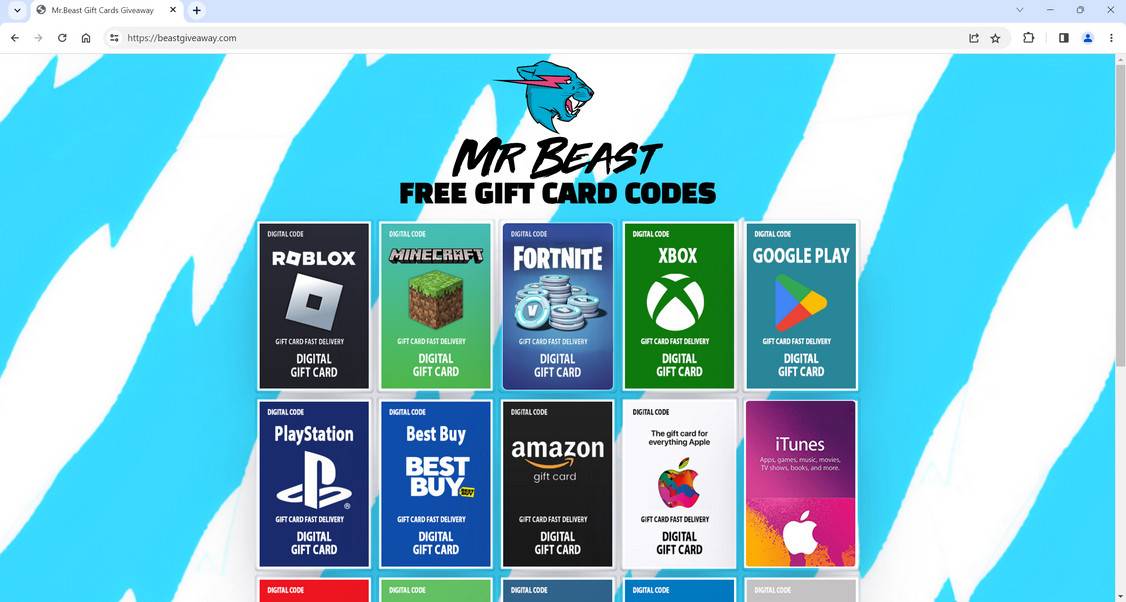
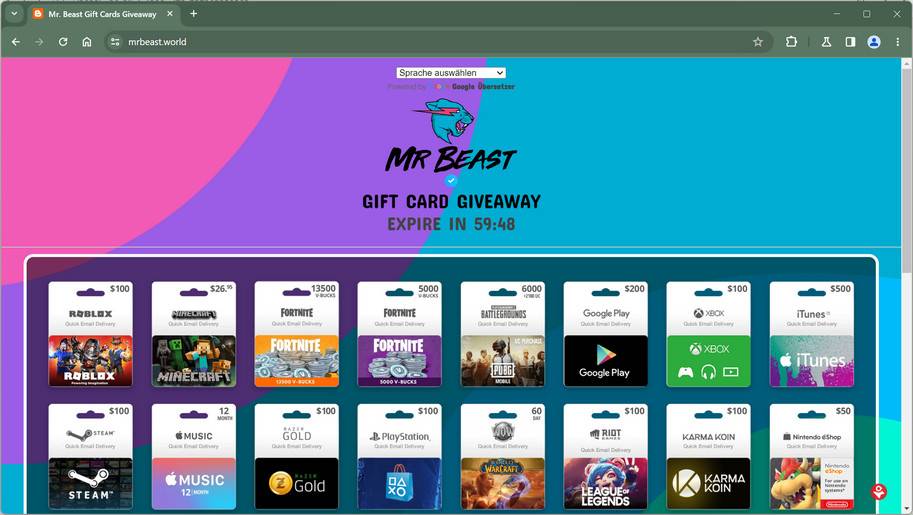
Mr. Beast Gift Cards Giveaway Scam Overview
The MrBeast gift card giveaway scam is one of the latest online scams targeting social media users across platforms like TikTok, Instagram, Facebook and more. Scammers are promoting fake gift card giveaways impersonating popular YouTuber MrBeast, also known as Jimmy Donaldson.
MrBeast has over 180 million subscribers on his main YouTube channel and is best known for expensive stunts, massive giveaways, and philanthropic endeavors funded by his YouTube career. His popularity and reputation for giving away money, cars, houses, and other over-the-top prizes make him an ideal persona for scammers to imitate.
The MrBeast gift card giveaway scam scam typically involves a post, video or ad on social media platforms announcing a gift card giveaway celebration because MrBeast has surpassed 170 million YouTube subscribers. The posts claim he is giving away free gift cards worth $100 or more to places like Steam, Netflix, PlayStation, Xbox, Amazon, iTunes, Google Play and more.
Users are directed to click a link bringing them to scam websites that use MrBeast’s likeness and branding throughout the site. However, the lookalike website is completely fake and unaffiliated with the real MrBeast.
The site asks users to select a gift card, enter an email address, and complete “verification” by filling out surveys, downloading apps, or sharing personal information. In reality, these offers are just mechanisms for the scammers to generate money from victims who think they are getting a free high-value gift card.
No actual gift cards are distributed, and the personal details collected are either used to commit identity fraud or sold to other scammers. The MrBeast gift card scam combines the deceit of phishing sites impersonating real brands with survey scams, malicious apps, and identity theft.
How Scammers Carry Out the Mr. Beast Gift Cards Giveaway Scam
Scammers use carefully crafted social media posts and websites to lend credibility to the Mr. Beast Gift Cards Giveaway scam. Here is the step-by-step process:
1. Promotional Posts Promise Gift Cards
The first step is creating social media posts on TikTok, Instagram, Facebook, or other platforms claiming Mr. Beast is giving away gift cards. The post usually says the giveaway is to celebrate 170 million YouTube subscribers.
An example is an Instagram post with an image of Mr. Beast and text like “MRBEAST.WORLD. On the occasion of 170M subscribers MRBEAST surprises his band with the biggest GIVEAWAY in history.”

2. Posts Link to Fake Lookalike Website
The social media posts will include a link to the fraudulent different scam website. The fake Mr. Best site is designed to look somewhat like a legitimate Mr. Beast site. The scam website has images of Mr. Beast, logos, and brand colors to appear authentic.
Of course, the real Mr. Beast is not associated with the website in any way. The site’s look and feel are simply ploys to build trust for the scam.
3. Users Select Gift Card and Submit Email
On the fake website, users are prompted to pick a gift card from major brands like Amazon, Netflix, Steam, or PlayStation. Gift card values tend to be $100 or higher. Users are then asked to enter an email address to request the card.
Victims entering an email address believe they are signing up to receive a code for the gift card they selected. In reality, the submitted email helps scammers identify and target victims for more scams later.
4. Fake “Verification” Process
After submitting an email address, victims are redirected to a new page for “identity verification.” This page claims users must complete additional steps before getting their gift card code.
These new steps serve as phony verification, when in reality they just maximize profits for scammers or expose users to identity theft.
5. Users Asked to Complete Surveys and Offers
The fake verification page lists different offers users supposedly need to complete to get their gift card code:
- Taking surveys
- Signing up for newsletter subscriptions
- Downloading and installing mobile apps
- Watching a certain number of videos or ads
- Clicking affiliate links to specific websites
- Enabling notifications or sharing personal info
Users attempting these offers are simply helping scammers earn money through commissions, downloads, and selling user data. Meanwhile, users believe completing offers is the final requirement to get their promised gift cards.
6. No Gift Cards Are Ever Sent Out
Finally, after completing some or all offers on the verification page, users do not actually receive any gift cards. The Mr. Beast impersonators never planned to give out real gift cards in the first place.
At best, victims only get more spam and lose time. But at worst, they may have downloads malware, shared personal info, or signed up for costly recurring subscription services. The scam results in no rewards for users while scammers profit.
What to Do if You Were Scammed by the Fake Mr. Beast Gift Cards Giveaway Offer
If you submitted personal information or completed survey offers as part of the Mr. Beast Gift Cards Giveaway scam, take these steps right away:
Review Accounts for Suspicious Activity
Carefully review any accounts associated with information you submitted during the scam offers. Check for unknown logins, password reset requests, new social media posts you didn’t create, or charges you don’t recognize.
Change Passwords and Enable Two-Factor Authentication
For any accounts with sensitive personal or financial information, change your password immediately. Create a strong, unique password. Also enable two-factor or multi-factor authentication for extra security.
Run Security Scans for Malware
If you downloaded any files, apps, or clicks links as part of the scam offers, run a scan with Malwarebytes on your devices for malware. Remove anything suspicious or unauthorized. Watch for signs of viruses like pop-ups, lagging, or account lockouts.
Check Bank Accounts and Credit Cards for Fraud
Carefully review your financial statements and credit card charges from the last few weeks for any fraudulent or unauthorized transactions. Report any suspicious activity to your bank or card provider immediately.
Avoid Communications About the Scam
Ignore any new emails, messages, or phone calls related to the original Mr. Beast scam offers. These could be attempts to continue scamming you or steal your personal data. Avoid clicking any new links or downloading anything more.
Report the Scam to Authorities
To help prevent the scam from impacting more innocent people, report it to trusted authorities. You can report the social media accounts that promoted it, the fraudulent Mr. Beast.world website, and file a complaint with the FTC.
Beware of Similar Gift Card Scams
Sadly, variations on the Mr. Beast Gift Cards Giveaway scam are likely to continue on social media. Maintain skepticism of too-good-to-be-true giveaways, research brands and offers, and avoid simply clicking links from unknown sources. With caution, you can protect yourself from gift card scammers impersonating celebrities or companies.
Is Your Device Infected? Run a Free Malware Scan
Slow performance, constant pop-ups, or strange behavior? These are classic signs of a malware infection. The fastest way to find out is to scan your device with Malwarebytes Free — one of the most trusted malware removal tools available.
The free version detects and removes the most common threats, including:
- Adware — the cause of those annoying pop-ups
- Browser hijackers — unwanted redirects and changed homepages
- Trojans and spyware — hidden programs stealing your data
- Potentially unwanted programs (PUPs) — software you never asked for
👉 Select your device below — Windows, Mac, or Android — then follow the simple steps to download Malwarebytes, scan your system, and remove any threats it finds. The scan usually takes 5 to 20 minutes.
Run a Malware Scan with Malwarebytes for Windows
Malwarebytes is one of the most popular and trusted anti-malware tools for Windows — and it’s completely free for removing infections. It catches threats that many antivirus programs miss, including adware, browser hijackers, and trojans. Follow the steps below to scan and clean your PC in just a few minutes.
Download Malwarebytes
Click the button below to download the latest version of Malwarebytes for Windows from the official source. The free version is all you need — it will scan your computer and remove adware, browser hijackers, and other malicious software at no cost.
Download MalwarebytesOfficial installer for Windows 11 and 10. Your download starts right away.Want real-time protection? See Malwarebytes Premium Malwarebytes Free for WindowsScans and removes malware at no cost
-
Install Malwarebytes
When the download finishes, open your Downloads folder and double-click the MBSetup file. If Windows shows a User Account Control pop-up, click “Yes” to allow the installation.
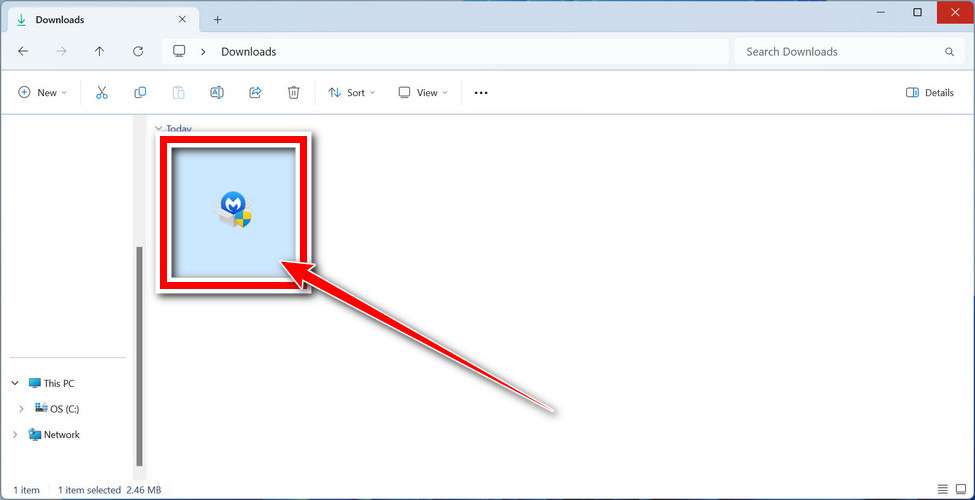
Follow the On-Screen Prompts to Install Malwarebytes
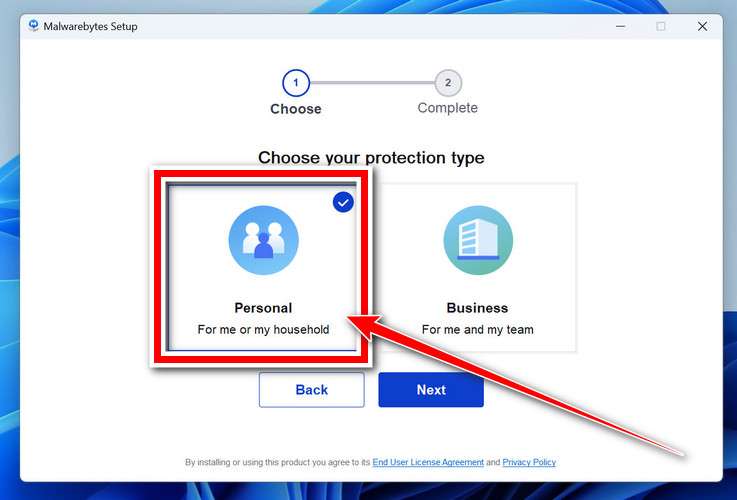
The setup wizard will walk you through a few quick screens:
-
Choose where you’re installing the program — “Personal Computer” or “Work Computer” — then click Next.
-
Malwarebytes will now install on your device. This usually takes under a minute.

-
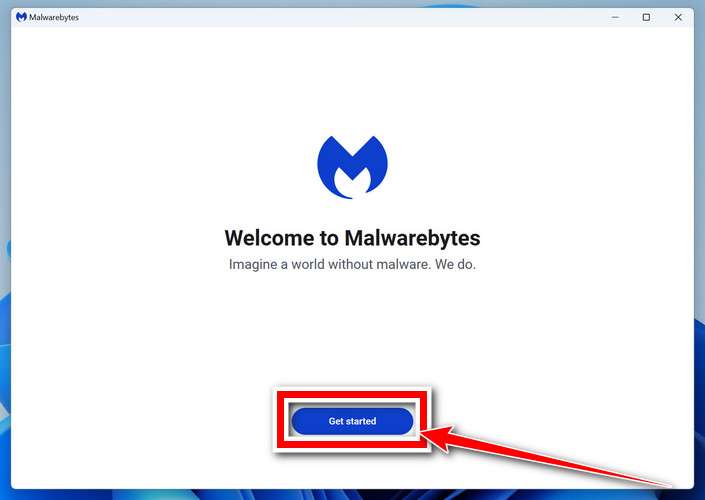
When installation is complete, the “Welcome to Malwarebytes” screen will open automatically.
-
On the final screen, click Open Malwarebytes to launch the program.

-
Enable “Scan for Rootkits”
Before scanning, turn on rootkit detection so Malwarebytes can find even the most hidden threats. Click the Settings gear icon on the left side of the screen.
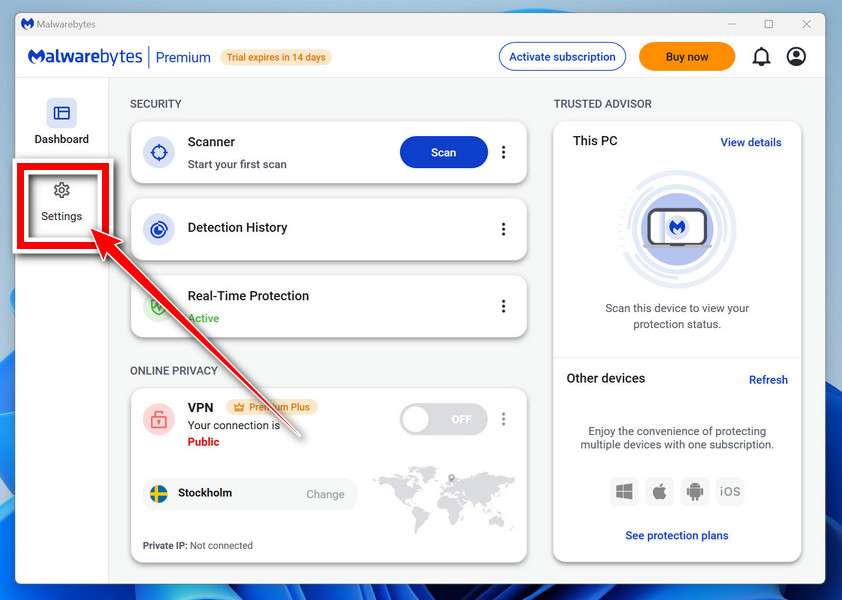
In the settings menu, find “Scan for rootkits” and click the toggle so it turns blue.

Done? Click “Dashboard” in the left pane to return to the main screen.
Start the Scan
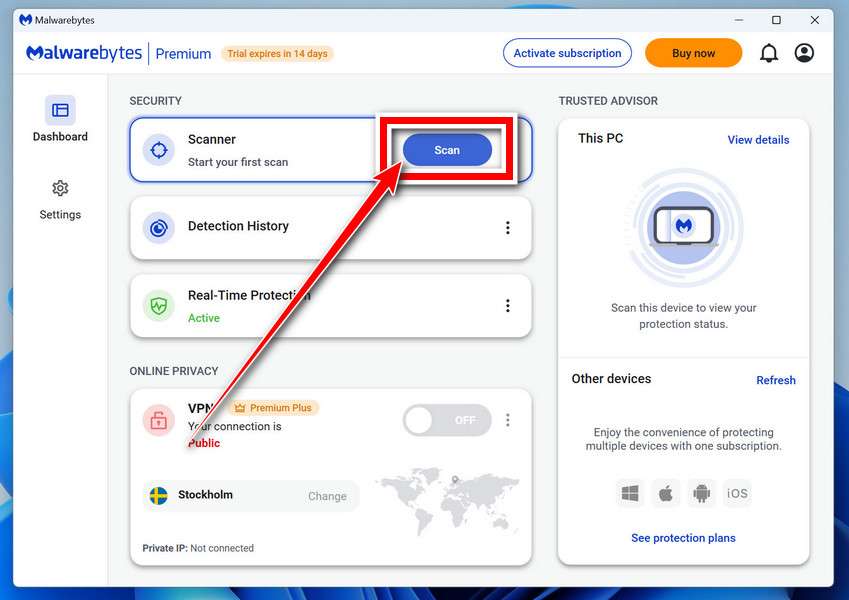
Click the blue Scan button. Malwarebytes will automatically update its virus database and start checking your computer for malware.
-
Wait for the Scan to Finish
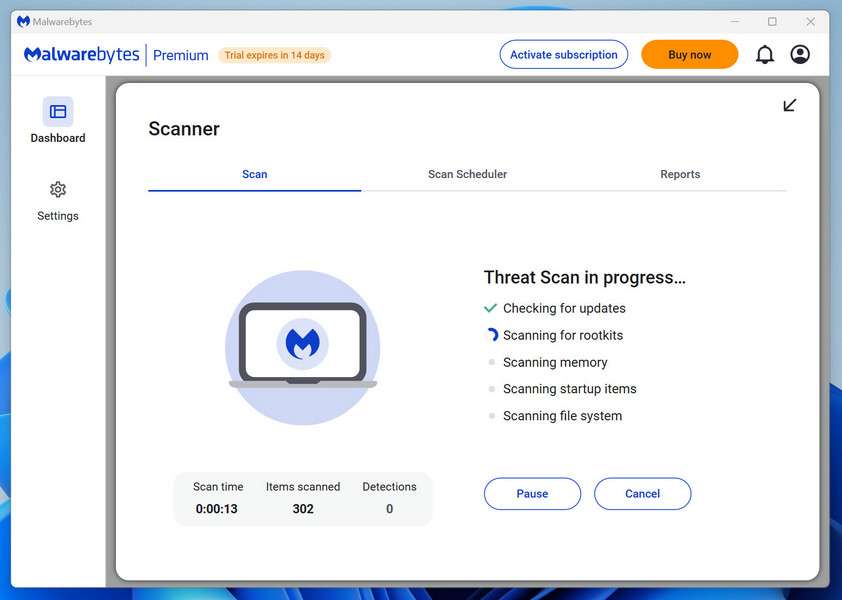
The scan checks your entire system for browser hijackers and other malicious programs, so it can take 5 to 20 minutes depending on your computer. Feel free to do something else — just check back occasionally to see the progress.
-
Quarantine the Detected Threats
When the scan is done, you’ll see a list of everything Malwarebytes found — malware, adware, and potentially unwanted programs. Click the “Quarantine” button to remove all of them at once.
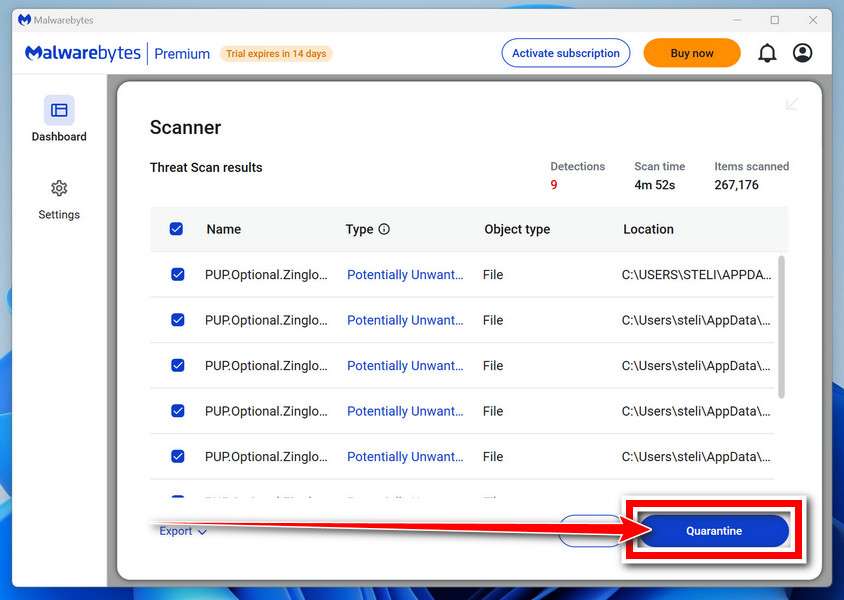
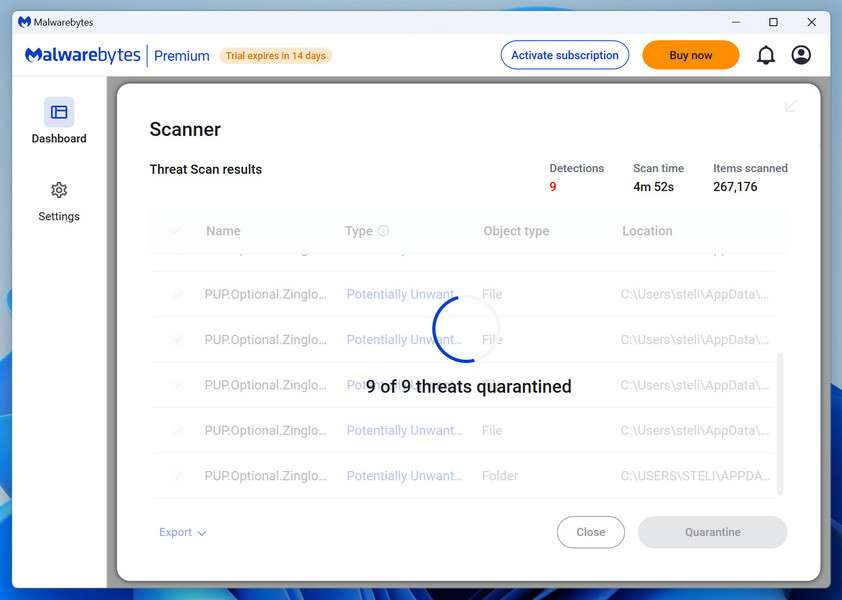
Malwarebytes will now remove the malicious files and registry entries and move them safely into quarantine.
-
Restart Your Computer
Some threats can only be fully removed after a reboot. If Malwarebytes asks you to restart, click Yes. Once you’re logged back in, Malwarebytes has finished removing the threats it found.
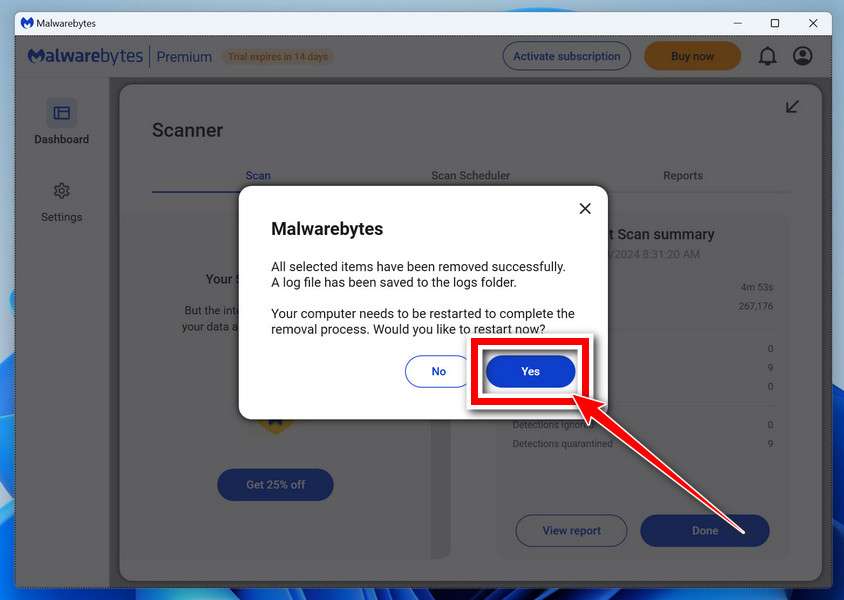
That’s it — your Windows PC is now clean of trojans, adware, and other malware, and should be back to running smoothly.
If you are still having problems with your computer after completing these instructions, then please follow one of the steps:
- Run a computer scan with ESET Online Scanner
- Ask for help in our Windows Malware Removal Help & Support forum.
Run a Malware Scan with Malwarebytes for Mac
Malwarebytes for Mac is a free on-demand scanner that removes the malware other security software tends to miss — adware, browser hijackers, and unwanted programs included. Cleaning an infected Mac with Malwarebytes has always been completely free, and it’s our go-to recommendation. Follow the steps below to scan and clean your Mac in just a few minutes.
-
Download Malwarebytes for Mac
Click the button below to download the latest version of Malwarebytes for Mac.
Download MalwarebytesOfficial installer for macOS. Your download starts right away.Want real-time protection? See Malwarebytes PremiumMalwarebytes Free for MacScans and removes malware at no cost -
Open the Malwarebytes setup file
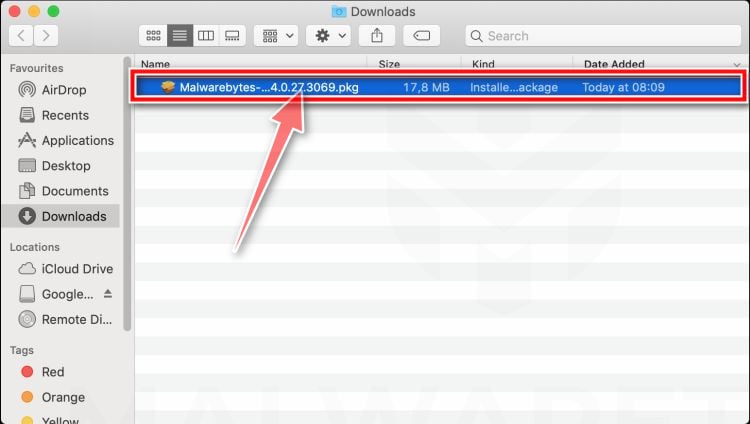
When the download finishes, open your Downloads folder and double-click the setup file to begin the installation.
-
Follow the On-Screen Prompts to Install Malwarebytes
The Malwarebytes for Mac Installer will guide you through a few quick screens. Click “Continue” and keep following the prompts until the installation completes.
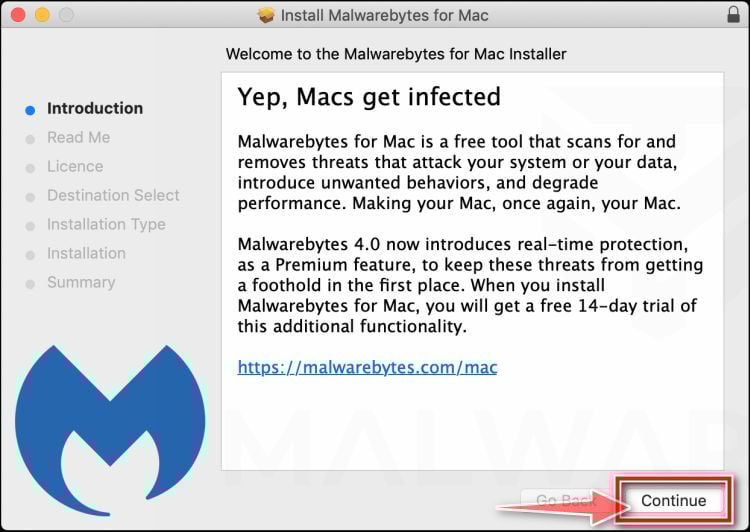
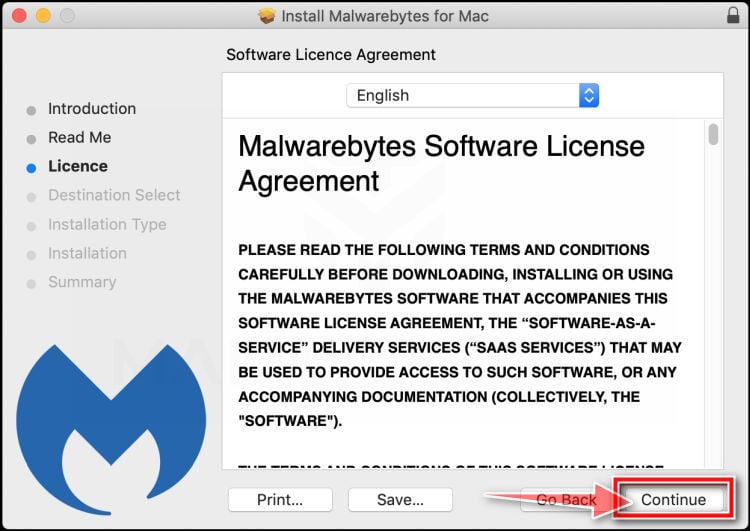
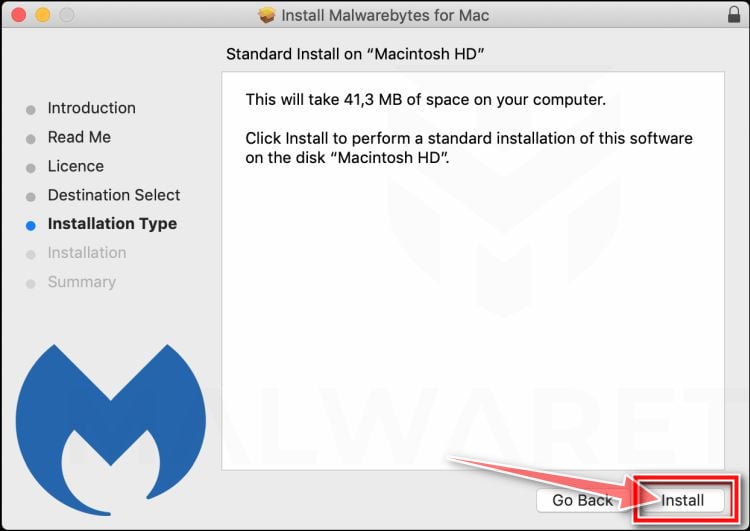
When the installation is complete, Malwarebytes opens to the Welcome to Malwarebytes screen. Click “Get started“.
-
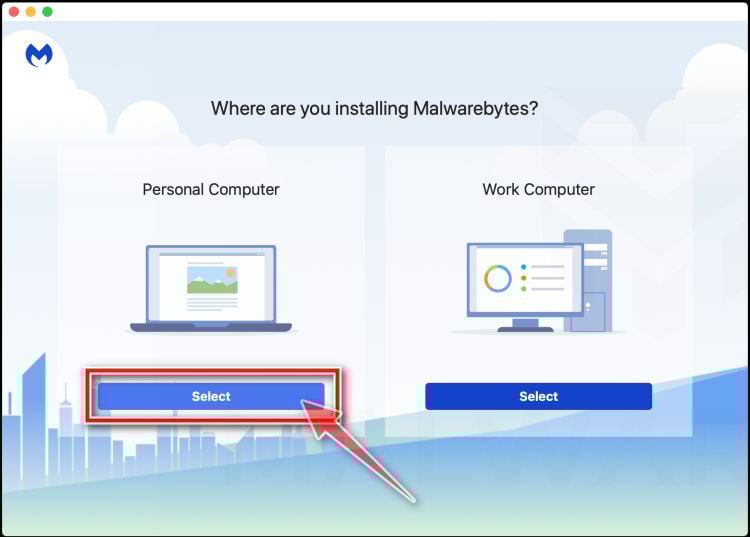
Select “Personal Computer” or “Work Computer”
Malwarebytes will ask what type of computer you’re installing it on. Click either Personal Computer or Work Computer, whichever applies.
-
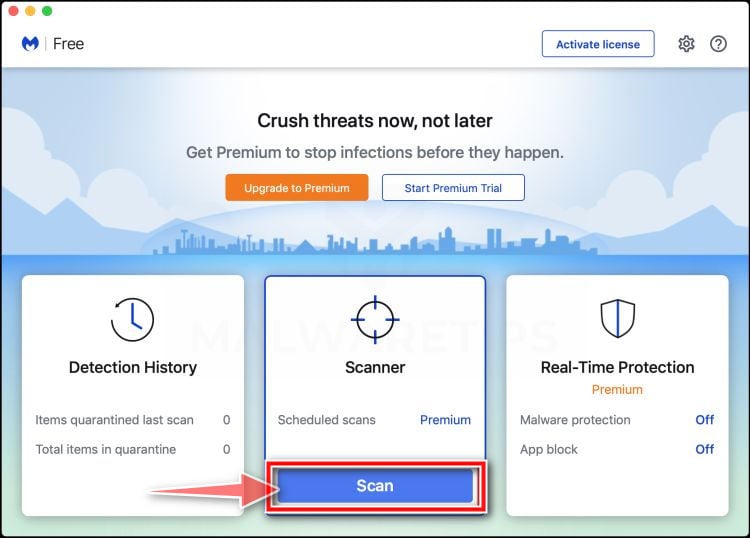
Start the Scan
Click the “Scan” button. Malwarebytes will automatically update its detection database and begin checking your Mac for malware.
-
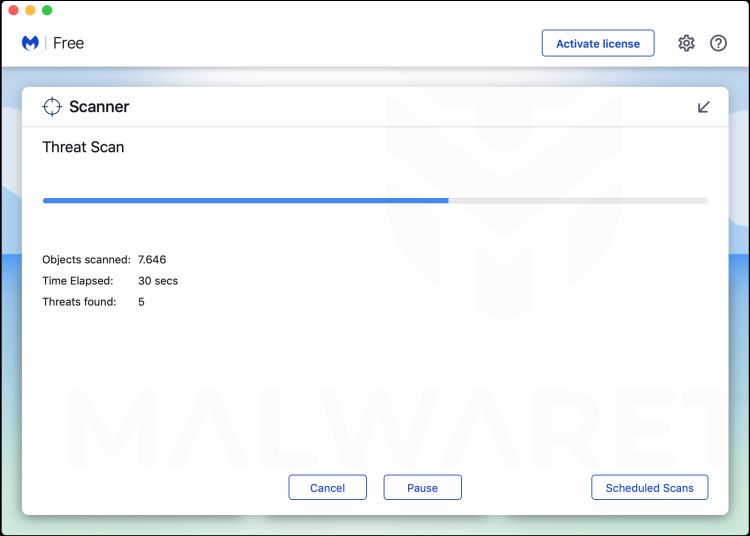
Wait for the Scan to Finish
Malwarebytes will scan your Mac for adware, browser hijackers, and other malicious programs. This can take a few minutes, so feel free to do something else — just check back occasionally to see the progress.
-
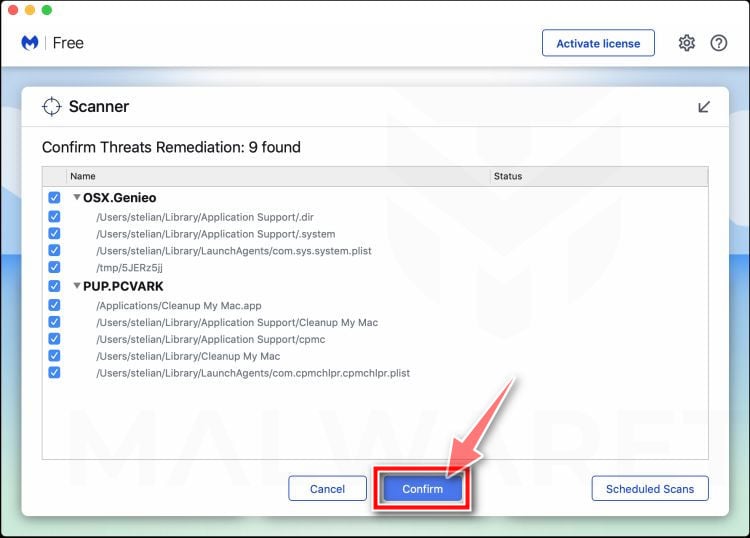
Quarantine the Detected Threats
When the scan is done, you’ll see a list of everything Malwarebytes found. Click the “Quarantine” button to remove all the threats at once.
-
Restart Your Mac
Malwarebytes will now remove all the malicious files it found. Some threats can only be fully removed after a reboot — if Malwarebytes asks you to restart, allow it. Once you’re logged back in, your Mac is clean.
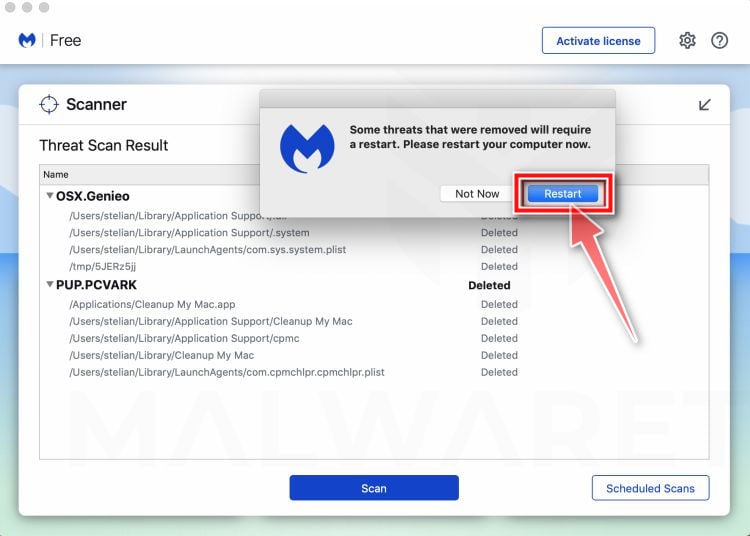
That’s it — your Mac is now free of adware, rogue browser extensions, and other potentially harmful software.
If you are still experiencing problems while trying to remove a malicious program from your computer, please ask for help in our Mac Malware Removal Help & Support forum.
Run a Malware Scan with Malwarebytes for Android
Malwarebytes for Android automatically detects and removes dangerous threats like malware and ransomware so you don’t have to worry about your most-used device being compromised. Aggressive detection of adware and potentially unwanted programs keeps your Android phone or tablet running smooth.
-
Download Malwarebytes for Android.
You can download Malwarebytes for Android by clicking the link below.
Get Malwarebytes for AndroidOpens Google Play in a new tab.Want real-time protection? See Malwarebytes Premium for AndroidMalwarebytes for AndroidScans your phone and removes malware at no cost -
Install Malwarebytes for Android on your phone.
In the Google Play Store, tap “Install” to install Malwarebytes for Android on your device.

When the installation process has finished, tap “Open” to begin using Malwarebytes for Android. You can also open Malwarebytes by tapping on its icon in your phone menu or home screen.

-
Follow the on-screen prompts to complete the setup process
When Malwarebytes will open, you will see the Malwarebytes Setup Wizard which will guide you through a series of permissions and other setup options.
This is the first of two screens that explain the difference between the Premium and Free versions. Swipe this screen to continue.
Tap on “Got it” to proceed to the next step.
Malwarebytes for Android will now ask for a set of permissions that are required to scan your device and protect it from malware. Tap on “Give permission” to continue.
Tap on “Allow” to permit Malwarebytes to access the files on your phone.
-
Update database and run a scan with Malwarebytes for Android
You will now be prompted to update the Malwarebytes database and run a full system scan.

Click on “Update database” to update the Malwarebytes for Android definitions to the latest version, then click on “Run full scan” to perform a system scan.

-
Wait for the Malwarebytes scan to complete.
Malwarebytes will now start scanning your phone for adware and other malicious apps. This process can take a few minutes, so we suggest you do something else and periodically check on the status of the scan to see when it is finished.

-
Click on “Remove Selected”.
When the scan has been completed, you will be presented with a screen showing the malware infections that Malwarebytes for Android has detected. To remove the malicious apps that Malwarebytes has found, tap on the “Remove Selected” button.

-
Restart your phone.
Malwarebytes for Android will now remove all the malicious apps that it has found. To complete the malware removal process, Malwarebytes may ask you to restart your device.
That’s it — your Android phone is now clean — no more malicious apps, adware, or browser redirects.
If you are still having problems with your phone after completing these instructions, then please follow one of the steps:
- Restore your phone to factory settings by going to Settings > General management > Reset > Factory data reset.
- Ask for help in our Mobile Malware Removal Help & Support forum.
Stay Protected: Block Ads and Malicious Sites
Now that your device is clean, keep it that way. Most infections start with a malicious ad or a fake download button — so blocking them at the source is your best defense.
We recommend AdGuard, which blocks malicious ads, phishing pages, and dangerous redirects before they can reach you.
👉 Download AdGuard and browse safely
Frequently Asked Questions About the MrBeast Gift Card Scam
Is the MrBeast gift card giveaway real?
No. The MrBeast gift card giveaway is a scam designed to steal personal information and money. MrBeast is not affiliated with it.
How does the MrBeast gift card scam work?
Scammers promote the fake giveaway on social media and direct victims to a phishing site. There users submit emails and complete “verification” offers that generate money for scammers.
What happens when you submit your email on the scam website?
Your email is collected by scammers to send more phishing emails or sell to other scammers. It is not used to send you a gift card.
Why are users asked to complete offers on the phishing site?
The offers make money for scammers through commissions, affiliate fees, and selling user data. Users think it is a verification step but no gift cards are ever delivered.
What type of offers do users have to complete?
Offers may include surveys, downloads, newsletter sign-ups, video views, clicks on links, and providing personal information.
Should I complete the offers to get the gift card?
No. The gift cards are not real. Completing offers will not result in a gift card and only leads to more spam or potential identity theft.
Can I get my money back if I paid for offers?
It is unlikely. The scam website is fraudulent and any payments made are usually impossible to recover or trace. Avoid paying anything.
How can I stay safe from the MrBeast scam?
Avoid clicking links in social posts, do not submit personal info, use unique passwords, and be wary of offers that seem too good to be true.
Can I report the scam?
Yes, you should report it! Report the social media accounts that promoted it and the website to the platforms. You can also report it to the FTC.
How can I identify real vs fake gift card giveaways?
Real giveaways will never ask for sensitive information or money upfront. Research brands and deals thoroughly before participating.
In Conclusion
The free gift card scam impersonating Mr. Beast highlights how scammers adapt popular internet personalities and brands to take advantage of unsuspecting social media users. However, understanding common tactics like fake verification procedures and malware downloads can help the public recognize and avoid these traps. Remaining vigilant against follow-up phishing attempts and reporting scam accounts are also critical to prevent yourself and others from becoming victims. With sound judgment, internet users can steer clear of even sophisticated and viral scams using trusted names like Mr. Beast.








