

When it comes to computer security, it’s important to be cautious about unfamiliar files and processes that may be running on your system. One such file that often raises questions is Mrtstub.exe. In this article, we will explore what Mrtstub.exe is, its purpose, and whether it is safe to delete it.
What is Mrtstub.exe?
Mrtstub.exe is an executable file that is associated with the Microsoft Windows Malicious Software Removal Tool (MSRT). This tool is developed by Microsoft and is designed to help users remove specific types of malware from their computers. The Mrtstub.exe file is a part of the MSRT installation process and is responsible for extracting the necessary files and components required for the tool to function properly.
When you run the MSRT, it automatically checks for the presence of malicious software on your system and removes it if found. The Mrtstub.exe file is used during this process to ensure that the tool is up to date and has the latest malware definitions. It is worth noting that the Mrtstub.exe file is not a standalone program and cannot be executed independently.
Is Mrtstub.exe Safe?
Given that Mrtstub.exe is a legitimate file associated with the Microsoft Windows Malicious Software Removal Tool, it is generally safe to have it on your system. However, it is important to verify the authenticity of the file to ensure that it has not been compromised by malware.
One way to check the legitimacy of the Mrtstub.exe file is by examining its file location. The legitimate Mrtstub.exe file is typically located in the “C:\Windows\System32” folder. If you find the file in a different location or if it has a different file size, it could be a sign of malware or a potentially unwanted program (PUP).
If you suspect that the Mrtstub.exe file on your system may be malicious, it is recommended to perform a thorough scan using a reputable antivirus software. Malwarebytes Free is a popular choice for detecting and removing malware. It is always better to err on the side of caution and ensure the safety of your system.
Deleting Mrtstub.exe
While it is generally safe to have the Mrtstub.exe file on your system, there may be instances where you want to remove it. For example, if you have already run the Microsoft Windows Malicious Software Removal Tool and no longer need it, you may consider deleting the associated files.
Before deleting the Mrtstub.exe file, it is important to note that removing it will prevent you from running the MSRT in the future. If you decide to delete the file, make sure that you have an alternative antivirus solution in place to ensure the ongoing security of your system.
To delete the Mrtstub.exe file, follow these steps:
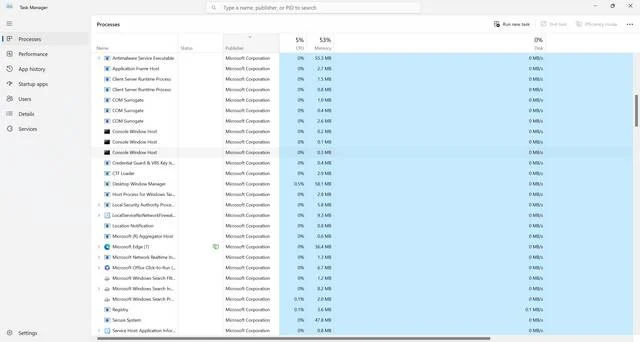
- Open the Task Manager by pressing Ctrl + Shift + Esc or by right-clicking on the taskbar and selecting “Task Manager”.
- In the Task Manager, go to the “Processes” or “Details” tab.
- Locate the Mrtstub.exe process and right-click on it.
- Select “End Task” or “End Process” to terminate the Mrtstub.exe process.
- Navigate to the “C:\WindowsS\ystem32” folder.
- Locate the Mrtstub.exe file and right-click on it.
- Select “Delete” to remove the file from your system.
After deleting the Mrtstub.exe file, it is recommended to perform a full system scan using a reliable antivirus software to ensure that your system is free from any potential threats.
Conclusion
Mrtstub.exe is a legitimate file associated with the Microsoft Windows Malicious Software Removal Tool. It is responsible for extracting the necessary files and components required for the tool to function properly. While it is generally safe to have the Mrtstub.exe file on your system, it is important to verify its authenticity and ensure that it has not been compromised by malware.
If you suspect that the Mrtstub.exe file on your system may be malicious, it is recommended to perform a thorough scan using a reputable antivirus software such as Malwarebytes Free. Deleting the Mrtstub.exe file is an option, but it is important to have an alternative antivirus solution in place to ensure the ongoing security of your system.
Remember, maintaining a secure and malware-free system is crucial for protecting your personal information and ensuring the smooth operation of your computer.

Join the discussion
0 commentsShare your experience or ask a question about this article.
Discussion
Start the conversation
Have a question or something useful to share? Add the first comment.