

When you open the Task Manager on your Windows computer, you may come across a process called “MSI Mystic Light.” This process might raise some questions in your mind, such as why it is running and whether it is safe or not. In this article, we will delve into the details of the MSI Mystic Light process, its purpose, and its implications for your system’s performance and security.
What is MSI Mystic Light?
MSI Mystic Light is a software utility developed by MSI, a leading manufacturer of computer hardware, including motherboards and graphics cards. It is designed to control and customize the RGB lighting effects on compatible MSI devices. With Mystic Light, users can personalize their gaming rigs or workstations by synchronizing the lighting across multiple components, creating stunning visual effects.
Why is MSI Mystic Light Running in Task Manager?
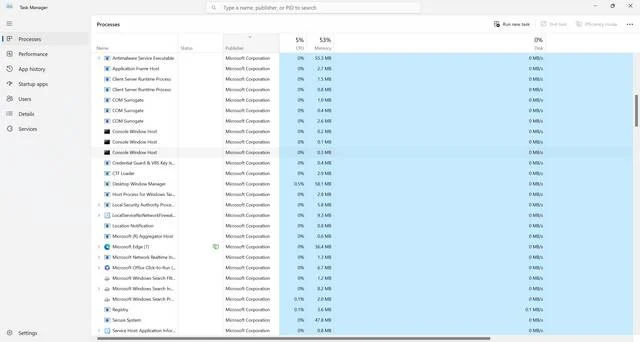
When you see the MSI Mystic Light process running in the Task Manager, it simply indicates that the software is active and functioning. The process is responsible for managing the lighting effects and ensuring that the configured settings are applied correctly. It runs in the background to provide continuous control over the RGB lighting on your MSI devices.
It is worth noting that the presence of the MSI Mystic Light process in the Task Manager does not necessarily indicate any issues or problems with your system. It is a legitimate process associated with the MSI Mystic Light software and is not a cause for concern in most cases.
Is MSI Mystic Light Safe?
MSI Mystic Light is a safe and legitimate software utility developed by MSI. It is widely used by gamers, PC enthusiasts, and professionals to enhance the visual appeal of their systems. However, as with any software, it is essential to download and install it from official sources to ensure its authenticity and integrity.
If you have concerns about the legitimacy of the MSI Mystic Light process running on your system, you can take a few steps to verify its authenticity:
- Check the file location: Right-click on the MSI Mystic Light process in the Task Manager and select “Open file location.” This action will open the folder where the executable file is located. If the file is located in the official MSI Mystic Light installation directory (usually under “C:Program Files (x86)MSIMystic Light”), it is likely to be legitimate.
- Scan for viruses or malware: To ensure the safety of your system, it is always a good practice to regularly scan your computer for viruses and malware. You can use reputable antivirus software like Malwarebytes Free to perform a thorough scan and detect any potential threats.
- Update the software: Keeping your software up to date is crucial for security. Check for updates for the MSI Mystic Light software from the official MSI website or through the software’s built-in update mechanism.
Impact on System Performance
The MSI Mystic Light process itself has a minimal impact on system performance. It runs in the background and consumes a small amount of system resources, primarily to manage the lighting effects. However, the impact on performance can vary depending on the complexity of the lighting configurations and the number of synchronized devices.
If you notice any significant performance issues while using the MSI Mystic Light software, it is advisable to check for any conflicting software or outdated drivers. Sometimes, conflicts between different RGB lighting control software or outdated motherboard drivers can cause performance problems. Updating the software and drivers to their latest versions can often resolve such issues.
Conclusion
The presence of the MSI Mystic Light process in the Task Manager is a normal occurrence when you have the MSI Mystic Light software installed on your system. It is a legitimate process responsible for managing the RGB lighting effects on compatible MSI devices. As long as you download the software from official sources and keep it up to date, there is no need to worry about its safety.
If you have any concerns about the legitimacy of the process, you can perform a file location check and scan your system for viruses or malware using reliable antivirus software like Malwarebytes Free. Additionally, ensure that your software and drivers are up to date to avoid any potential conflicts or performance issues.
By understanding the purpose and safety of the MSI Mystic Light process, you can confidently enjoy the customizable RGB lighting effects on your MSI devices without any worries about its presence in the Task Manager.

Join the discussion
0 commentsShare your experience or ask a question about this article.
Discussion
Start the conversation
Have a question or something useful to share? Add the first comment.