

NeoTonics has recently emerged as a popular dietary supplement, with ads and promotions making lofty claims about its ability to improve skin radiance and support gut health. But is it truly as effective as advertised? Our in-depth investigation seeks to uncover the truth.
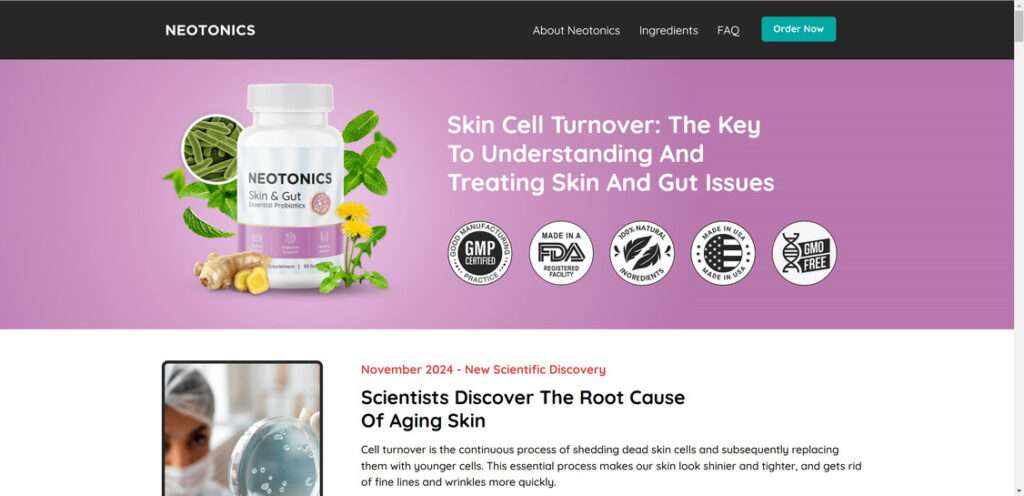
An Overview of NeoTonics
NeoTonics is advertised as a probiotic gummy supplement made from natural ingredients like babchi, dandelion, lion’s mane mushroom, and more. The premise is that by supporting gut health through probiotics, users will also experience benefits related to skin health and appearance.
With 30 gummies per bottle, NeoTonics seems like an easy and pleasant way to get your daily dose of probiotics. However, as we’ll explore throughout this article, there are some crucial aspects to consider before believing all the claims and ordering a bottle.
Assessing the NeoTonics Claims
The advertisements and promotional materials for NeoTonics make some alluring assertions that are important to analyze in detail:
- Improves skin radiance and reduces signs of aging like wrinkles and dullness through enhanced cellular turnover
- Supports gut health by restoring the microbiome with probiotics
- Contains only natural ingredients that are safe and free of side effects
- Manufactured in an FDA-approved facility under strict quality standards
These are certainly enticing benefits if true, but how well do they hold up under scrutiny? Let’s take a closer look at some potential red flags.
Lack of FDA Approval
Right away on the NeoTonics Amazon sales page, you’ll see an important disclaimer stating the product’s claims are not evaluated by the FDA. This means none of the advertised health benefits are officially corroborated or approved by the U.S. Food and Drug Administration.
When a supplement lacks FDA-backing, it raises uncertainty around whether clinical studies support its effects and safety. Without this approval, consumers can’t be certain it contains what the label claims.
Ingredients and Formula Subject to Change
Further down on the Amazon page, another warning sign appears. The product information and ingredients list is subject to change at any time without notice.
This essentially means you can’t be sure the ingredients you see listed are necessarily in the product you receive. The formula could be altered at any point, making it inconsistent and unpredictable.
Questionable Customer Reviews
Looking past the marketing materials to impartial customer feedback reveals further problems. Though some NeoTonics users report positive effects, many others cite issues like:
- Nausea, stomach upset, and other side effects after taking the gummies
- Ingredients missing compared to what was advertised
- No noticeable improvements to skin or digestion
With so many negative experiences, it certainly seems the product doesn’t work as universally and safely as claimed.
Objective Data on Key NeoTonics Ingredients
To dig deeper into the NeoTonics formula, we need to examine the available scientific evidence on some of its core ingredients:
Bacillus Coagulans
This probiotic bacterium does demonstrate potential to modulate gut microbiota composition. However, a comprehensive review in 2018 found results to be ambiguous and needing expanded research for supplementation recommendations.
Lion’s Mane Mushroom
While lion’s mane extract shows early evidence for neural and cognitive benefits, there is insufficient research to support skin anti-aging effects from oral supplementation, according to a 2020 systematic review. Topical application appears more promising.
Babchi/Bakuchi
This Ayurvedic herb contains psoralen, which may help with vitiligo, hyperpigmentation, and skin aging according to some small studies. However, dermatology experts note larger trials are needed to confirm benefits and safety for skin.
Inulin
As a prebiotic fiber, inulin may promote gut microbiota. But evidence is mixed on whether it reliably increases beneficial Bifidobacteria strains. It can also cause unpleasant GI side effects like gas and bloating, according to multiple analyses.
Overall, the scientific literature reveals that while some NeoTonics ingredients show potential, there is insufficient clinical evidence to confirm meaningful benefits, especially for the skin. Purported benefits for the microbiome and gut health are on shakier ground as well.
Assessing Product Reliability and Consistency
Beyond the formula itself, a few other factors raise doubts about NeoTonics as a skin and gut health solution:
- Multiple websites selling near-identical products under different names creates confusion around which, if any, is legitimate. This raises possibilities of reselling or “white-labeling” a generic formula.
- No direct sales from an official company website makes the manufacturing details and supply chain opaque. Purchasing via third parties like Amazon undermines transparency.
- Formula inconsistencies between advertised ingredients and actual bottle contents indicates problems with quality control, especially when buying from unreliable resellers.
Taken together, these issues undermine trust in the reliability, consistency, and accountability of the NeoTonics brand itself.
The Verdict: Should You Buy NeoTonics?
In summary, our extensive investigation found that:
- The dramatic health claims are not backed by solid clinical evidence or FDA approval.
- Many customer reviews cite disappointing results and side effects from using the product.
- Ingredients may have potential but lack research at the doses used to comprehensively support benefits.
- Formula changes, unreliable sellers, and lack of transparency raise quality concerns.
- Dermatology and gastroenterology experts do not recommend NeoTonics as an effective intervention.
Based on all these research-backed factors, our verdict is that NeoTonics is not a legitimate or advisable product at this time. Although some ingredients show promise, there are too many red flags around its formulation, reliability, and lack of verifiable benefits.
For those seeking to improve skin radiance and digestive health, you’re better off focusing on proven lifestyle measures like:
- A diet rich in anti-inflammatory foods high in antioxidants and fiber
- Staying hydrated and minimizing alcohol intake
- Using broad-spectrum sunscreen and targeted skincare products with evidence-based ingredients
- Managing stress levels through practices like meditation or yoga
- Getting sufficient sleep and regular exercise
While an oral supplement like NeoTonics seems like an easy fix, the science doesn’t support it as a shortcut to skin and gut wellness. Your time and money are better spent adopting sustainable diet and lifestyle habits that deliver lasting results.
Always consult your physician before trying any new supplements like NeoTonics, especially if you have underlying health conditions or take medications. Research products meticulously and beware of bold claims that seem too good to be true. With vigilance and healthy skepticism, you can make informed choices that yield real health benefits over hype and empty promises.








