

NeuroSocks have exploded in popularity recently, promoted all over social media as a revolutionary way to treat neuropathy and nerve pain. But is this latest health gadget all it claims to be? In this in-depth investigation, we’ll examine whether NeuroSocks live up to the hype or are just another overpriced product.


Overview of NeuroSocks
NeuroSocks are marketed as compression socks infused with copper ions that provide rapid relief for neuropathy symptoms. The ads claim the compression helps improve circulation and oxygen flow to nerve tissues while the copper blocks pain signals.
The socks are promoted through compelling testimonials and Facebook ads that lead to questionable “review” articles on various health websites. These feature impressive before and after photos of people finding relief from numbing, tingling, and painful neuropathy with NeuroSocks.
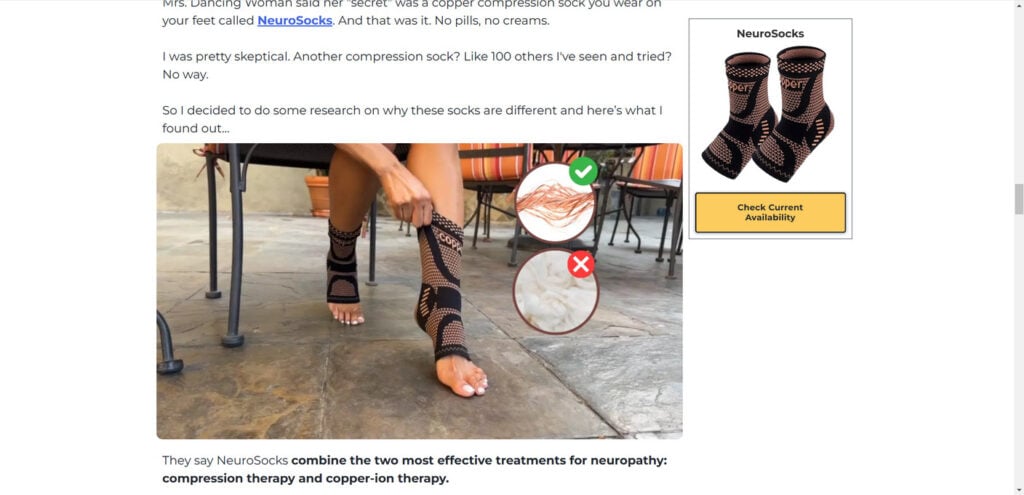
It all seems miraculous and life-changing. But let’s dive deeper into the facts and science to find out if NeuroSocks are truly revolutionary or just inflated marketing hype.
How Do NeuroSocks Allegedly Work?
According to the various promotional materials, NeuroSocks work in two key ways:
Compression therapy – The socks apply gentle pressure to 7 specific zones on the feet that boosts circulation. This improved blood flow increases oxygen and nutrient delivery to nerve tissues.
Copper ion infusion – The socks contain copper ions that interact with the body’s neural pathways and provide natural pain relief. The copper allegedly blocks pain signals from the feet to the brain.
By combining these two mechanisms, NeuroSocks claim to provide immediate tingling relief while also treating the underlying neuropathy causes for long-term improvement.
But are these explanations backed by real medical science? Let’s analyze the evidence behind them.
The Scientific Evidence Behind NeuroSocks
Despite the bold claims made about NeuroSocks online, the scientific proof provided is vague and limited.
The marketing materials vaguely reference “studies” showing compression socks can increase circulation. However, there are no links or citations given to evaluate the legitimacy of these unnamed studies.
There is some research indicating compression therapy may provide minor benefits for foot and leg pain issues like plantar fasciitis. However, evidence showing compression effectively treats neuropathy is lacking.
Regarding the copper ion infusion, no studies specifically proving this material relieves nerve pain when added to socks are referenced. Some preliminary research shows copper may have anti-inflammatory effects, but the impact on neuropathy is unproven.
So while the scientific concepts behind NeuroSocks may have potential, direct evidence backing up the specific product’s effects is missing. Much stronger proof is needed to support the aggressive claims made.
NeuroSocks Pricing: Reasonable or Inflated?
NeuroSocks sell on the company website for $35.90 per pair, with discounted bundles bringing the price down to $17.95 per pair for bulk orders.
These prices are significantly higher than comparable pharmacy-grade compression socks which typically cost $10-20. And higher than regular copper-infused socks and gloves selling for around $10.
Given that both copper infusions and compression socks can be purchased much cheaper separately, the nearly $36 price for NeuroSocks is inflated. You are paying a premium for the “proprietary” combo the ads claim is exclusive.
Are NeuroSocks FDA Approved as a Medical Device?
Despite marketing them for medical uses like treating neuropathy, NeuroSocks are not FDA registered or approved. There are no FDA 510(k) premarket approvals authorizing them as safe and effective.
Any medical device making treatment claims must undergo FDA registration and compliance processes. But NeuroSocks circumvent this, operating in a regulatory gray area with no oversight.
Due to the lack of FDA approval, there are valid questions around whether NeuroSocks undergone adequate clinical testing, safety vetting, manufacturing checks, or quality control.
What Are NeuroSocks Made From?
Examining the materials reveals NeuroSocks are fabricated from cheap, basic components available in bulk. They contain:
- Generic spandex and nylon for the sock fabric.
- Basic copper wiring crushed into polyester yarn for the copper infusion. This type of copper threading sells online for around $5 per yard.
- Elastic bands to provide compression on different zones.
There are no exotic proprietary materials inside. The parts can be sourced for a few dollars, contradicting the $35+ retail pricing.
Can These Materials Treat Neuropathy?
While the ingredients inside NeuroSocks are real, experts agree they are unlikely to provide proven pain relief or medical benefits.
The thin copper wiring in the polyester yarn cannot effectively interact with neural pathways or block pain signals as claimed. At best, the copper may provide minor anti-inflammatory effects.
And the elastic band zones lack adequate power to properly compress the feet for circulation gains based on reviews mentioning poor fit.
Overall, the generic materials lack potency to truly treat neuropathy. The “breakthrough” combo has no medical research backing it up.
Are NeuroSocks a Dropshipping Operation?
Given the dubious marketing claims, lack of proof, nonexistent FDA approval, exorbitant pricing, and basic materials, there are strong indicators NeuroSocks are a dropshipping scam.
Alarmingly, an exact version of NeuroSocks is sold on Chinese sites like Alibaba. They are labeled as “copper compression socks” and cost around $1-$3 per pair wholesale.
This implies the US NeuroSocks brand is simply reselling cheap $1 Alibaba socks at a 4000% markup after slapping misleading neuropathy claims onto them.
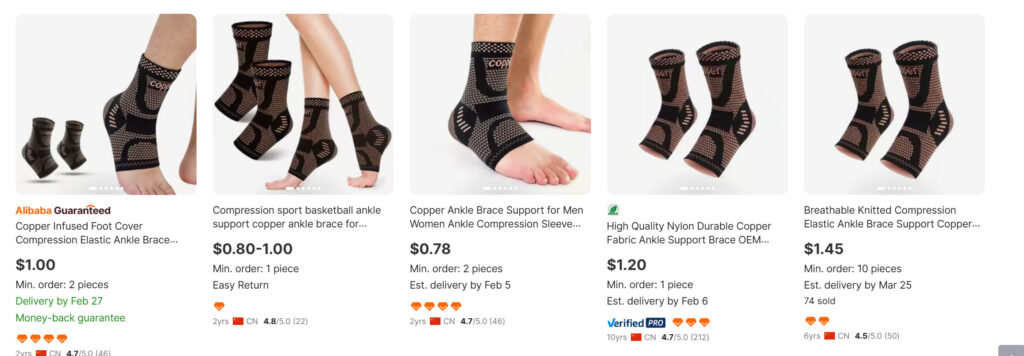
All the hallmarks of a shady dropshipping operation are present:
- Buying generic products from China for pennies
- Rebranding to make them seem high-tech
- Inventing fake scientific claims and imagery
- Paying for fake reviews and stolen before/after photos
- Refusing to provide documented evidence or clinical trials
- Marking up prices astronomically
- Making it difficult to get refunds
In summary, NeuroSocks shows every sign of being a corrupt dropshipping business focused on deceiving consumers for maximum profit.
Should You Buy NeuroSocks for Neuropathy?
Based on this investigation, NeuroSocks appear unlikely to provide the amazing pain relief results advertised in the dramatic marketing presentation. While they may offer some mild benefits from compression and copper, falling for the overblown claims could lead to disappointment.
Beware of all the exaggerated testimonials, fake reviews, and questionable websites promoting NeuroSocks. Real unbiased reviews reveal they do not live up to the miracle cure portrayed.
Instead of wasting $35+ on these overpriced socks of dubious medical value, consult a doctor about proven neuropathy treatments. Prescription medications, electrical nerve stimulation, physical therapy, and lifestyle changes have stronger clinical evidence for effectively managing nerve pain.
Do not get fooled by the latest overhyped health gadget pushed online through sketchy marketing and exaggerated claims. Getting the facts first protects your wallet and health.








