


An unexpected message offers to pay you for reviewing hotels online. You don’t even have to visit, and a small first payment appears to clear.
Then the offer starts to look different. The people who were paying you say you’ll have to send your own money before you can carry on.
Overview
The first payout can be real without making the job legitimate
A Guardian reporter joined an offer to write reviews of hotels they had not visited. The people running it paid small amounts in cryptocurrency.
The organizer later wanted a payment from the reporter for a separate task. The reporter did not make that deposit, so the case doesn’t establish the outcome of paying it.
This is the moment to reassess the offer. Money arriving once doesn’t tell you whether the employer is real or whether the next payment will come back.
The borrowed name and the review are separate deceptions
One channel used the name and approximate branding of Quad, a real company. Quad told the paper it was not affiliated with that channel.
A hotel on the list isn’t evidence that the hotel hired anyone to write reviews.
Do not assume a business took part simply because a stranger asked you to rate it.
Google’s Maps content policy requires genuine experiences and bars paid or otherwise incentivized reviews. A payment doesn’t make a fabricated stay an acceptable review.
Three reasons not to make the next deposit
- A deposit sends your money out; a promise to credit it later is a separate claim.
- A balance or screenshot in a task channel is not a verified amount owed by a real employer.
- The review request itself is deceptive if you are asked to describe a stay you never had.
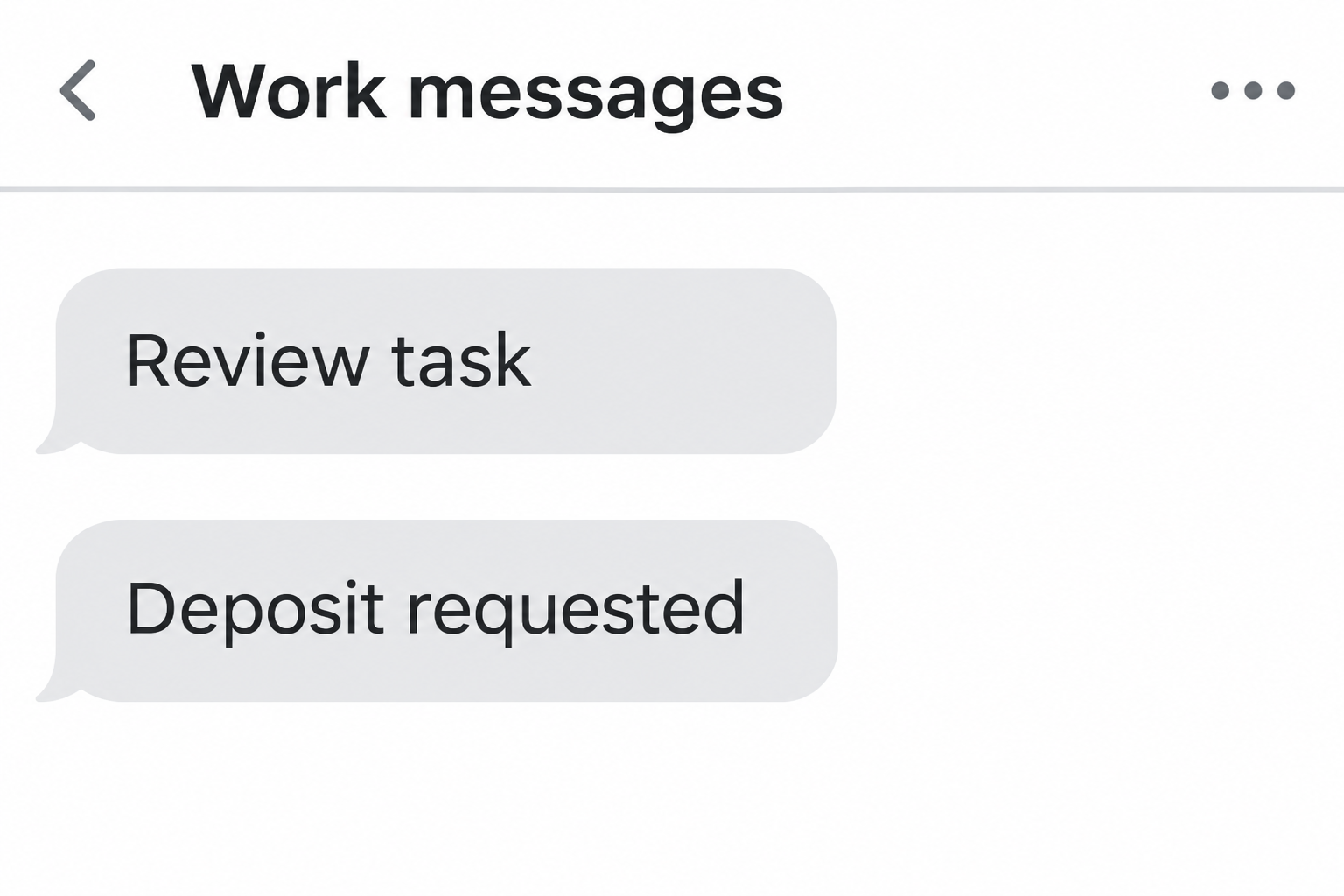
The illustration shows the change from review task to payment request. It doesn’t reproduce the channel, give instructions for writing fake reviews, or point to any wallet.
How the Paid Hotel Review Scam Works
Step 1: The offer starts with work that sounds easy to understand
You already know what a hotel review looks like. The offer uses a familiar activity to make an unexpected message resemble a part-time job.
There’s a difference between reviewing a place you know and posting a paid opinion about somewhere you’ve never been. The latter is not ordinary customer feedback.
Ask who hired you and whether the company itself recognizes the job. A channel name or copied logo doesn’t settle that question.
Step 2: Small actual payments can make the story feel proven
A real transfer can be more persuasive than a screenshot. It tells you the sender could send that amount, not that you can safely send them more.
Some people think they can withdraw early and leave before the arrangement changes. That doesn’t make supporting fake reviews harmless, and it doesn’t secure any later balance.
Keep the early payment and the rest of the offer separate in your mind. Neither curiosity nor gratitude for receiving it obliges you to keep going.
Step 3: The supposed employer redefines what counts as work
In the reported case, a new kind of task meant paying the organizers instead of reviewing a hotel. That’s a change in the direction of the money.
The FTC’s task scam warning describes similar offers that call for deposits, often in cryptocurrency, to continue working or access supposed earnings.
A real employer can explain how you earn money and when it pays you. An unexplained requirement to fund the next task deserves a refusal, not an experimental deposit.
Step 4: The money at risk is no longer just a promised reward
If you pay, the financial loss can be the amount you sent. It isn’t limited to the apparent balance shown in the channel or the reward you hoped to earn.
A new request may be presented as the final condition before the first deposit comes back. No outside party has verified that condition or promised a refund.
Don’t let money already sent dictate the next transaction. Keep the records and speak to the service you used, rather than paying more to make the account look settled.
What an Early Payment, Balance, and Transfer Record Each Mean
An incoming payment is not an employment contract
A transfer makes it reasonable to say that money arrived. It doesn’t establish the payer’s employer, its right to represent a brand, or its ability to pay later.
If a recruiter tells you to forward part of an incoming payment, don’t move it on their instruction. Ask the platform what to do through its own support channel.
Don’t accept more messages just because you want to work out who sent that first transfer. You can preserve the information you have without testing another transaction.
A task balance is different from money you control
A number in a chat or work account can represent a claim the operator entered. You need independent evidence before treating that displayed amount as real earnings.
A balance that keeps growing while you can’t take anything out is not evidence that the job is successful. Treat your actual outside transactions as the starting record.
When reporting, distinguish the displayed balance from the amount you transferred yourself. Include any real payment received so the provider can follow the sequence.
The review is another reason to stop
People use reviews to decide where to spend their money or stay overnight. A rating written for pay without a real stay misleads the person relying on it.
If you already posted one, preserve what happened for your report. Then use the genuine platform’s own options to correct or remove your contribution.
You needn’t accuse the hotel in a replacement review. It’s entirely possible that the real property never knew who was recruiting people or why it appeared on the list.
How to Check an Online Job Before You Do Any Work
Go to the employer’s real careers information and look for the role. If it isn’t there, verify the recruiter independently before assuming the job is private or exclusive.
Ask for a clear explanation of who pays you, what the work involves, and how it relates to the employer’s actual service. Don’t take a channel’s membership count as proof.
If the job starts with a rating, ask whether you’re being asked to represent an actual visit.
A request to invent an experience is a reason to stop regardless of pay.
A genuine contract can still contain terms worth reading. But no contract presented in an unverified chat should override a company’s statement that the account isn’t theirs.
For a verified client, agree to the work and how you’ll be paid in writing.
Stop if the arrangement shifts from payment for work to funding the client’s alleged next task.
How to Untangle the Job Offer From the Reviews You See Online
If you received the offer but never posted
You can report the recruitment message without writing a review to prove what happened.
Save enough of the message to show that it asked for a rating without a genuine visit.
If someone used a real company’s name, alert it through a verified contact if appropriate.
You don’t need to accuse it of running the operation in order to flag possible impersonation.
Do not use the account’s referral message to invite others into the group.
Sharing the premise privately with somebody you trust is different from forwarding a link that can recruit them.
If you already added reviews under your own account
Review what you posted through the platform you normally use. Check whether the comments represent a real experience and remove misleading ones through the official settings.
Save what appeared in the job messages separately from your review history. If a listing was copied or a company impersonated, those are different facts from publishing a false rating.
If somebody says you must leave a review up to receive your balance, don’t treat it as a valid reason. That is still pressure from the account you cannot verify.
If you see more activity under your account than you authorized, check the account’s security independently. Don’t let the person who hired you tell you where to sign in.
If you were shopping for a hotel instead
A burst of praise doesn’t tell you whether anybody actually stayed at the property. Look for specifics relevant to what you need and check them with the property directly.
Use more than one source when a booking has real consequences. A verified booking channel and independent information answer questions that a row of five-star scores can’t answer.
Don’t infer that every high rating is bought. A suspicious review pattern is a reason to check details, not proof the business commissioned or knew about it.
When you report a review, explain what seems false or what you know about the offer. Let the platform compare the evidence rather than making accusations that go further.
If a real deposit and a displayed balance are being confused
List each transfer you can find outside the chat and mark which way it went. A promised commission belongs in a separate column from funds you actually received.
Record the organization or service that handled each payment. The group operator isn’t the same entity as the wallet provider or the platform displaying the offer.
Don’t agree to move funds to a new account because someone says it will make a transfer easier to investigate. Bring your records to the real provider first.
If a payment was tied to a local bank account, ask that institution about security separately. A cryptocurrency transaction does not tell you whether someone also got your banking credentials.
Be precise about whether the recruiter asked you to pay or actually received a payment.
That distinction can matter for reporting even if it does not change your decision to stop.
Learn from the change in terms without trying to verify every success story in the group. None of those stories gives you authority over the next transfer.
If you still want remote work, start a fresh search through verified employers.
Use the role itself, rather than promises of an unusually easy payout, to decide what to apply for.
What to Do if You Have Fallen Victim to This Scam
Stop sending funds or making more contributions.
Save the messages and the first request that asked you to pay. If the contact offers an extra task as a way out, don’t accept it.
Record the platform and account identifiers you already have. Don’t join another group or open a new link to try to collect more evidence.
Contact the provider that handled the money.
Use the real exchange, wallet service or bank support route for your payment method. Provide the amount, time and transaction record if available.
Ask what can be done for that transaction. Cryptocurrency transfers can be difficult to recover, and an account claiming to guarantee a refund does not speak for your provider.
Separate passwords and identity documents from the payment issue.
If you entered account credentials through a link, change them on the real service. Check access and recovery settings using a device you trust.
If you provided identity information, record what was shared and ask the appropriate provider or authority how to reduce misuse. Do not send it again to an unverified support contact.
Correct reviews and report the channel.
Use the genuine review platform to remove misleading posts you made, preserving evidence privately first. Tell that platform if you have relevant reports about incentivized reviews.
Report the job offer on the messaging app. Give the false job claim and the request for a deposit, rather than reposting the ad where more people could follow it.
Don’t buy outside help to recover a fictional balance.
If a stranger says they found your money, verify their relationship to your original provider. Do not share recovery phrases or send a new fee.
Keep a record of anything you have already reported. Bring new information to the legitimate provider or authorities rather than letting the new contact take over the case.
Frequently Asked Questions
Does an initial payment prove the review job is real?
It proves you received a payment, not that the job is legitimate. The demand to send money and the requirement to fabricate reviews are separate warnings.
Are the hotels responsible for the offer?
Being named in a task does not make a hotel responsible for it. The investigation found unrelated business branding and did not establish that the hotels commissioned those reviews.
Can I review a hotel if I’ve never stayed there?
Google requires contributions that reflect genuine experience. Don’t write a purported account of a stay that didn’t happen, even if the sender offers payment.
Should I send a small deposit to see if it comes back?
Don’t send a deposit to test the system. A refund of one small sum wouldn’t establish that a later withdrawal would be honored.
What if I have already received cryptocurrency?
Keep the record of what arrived and consult the provider you used. Don’t transfer the funds on a stranger’s instructions or count a displayed balance as a payment.
Does deleting my review undo a transfer?
No, correcting the review and addressing a payment are separate. Save evidence and contact the payment provider before assuming anything has been recovered.
The Bottom Line
Don’t write fake hotel reviews or pay to keep a review job. A small real payout cannot authenticate the company, the reviews or the next task.
If you sent money, contact the provider you actually used and preserve the evidence. Correct any misleading reviews through the real platform.

Join the discussion
0 commentsShare your experience or ask a question about this article.
Community experiences
Did this happen to you?
Your experience could help someone recognize the same scam. Submit a private report for our team to review.
I experienced this tooReports are reviewed before publication. Sharing publicly is always your choice.
Discussion
Start the conversation
Have a question or something useful to share? Add the first comment.