

When it comes to software installed on our computers, it’s important to understand what each program does and whether it is necessary for our system’s functionality. One such program that you may come across is PlayReady PC Runtime amd64 by Microsoft. In this article, we will delve into what PlayReady PC Runtime amd64 is, its purpose, and whether or not you should consider uninstalling it.
What is PlayReady PC Runtime amd64?
PlayReady PC Runtime amd64 is a software component developed by Microsoft that provides digital rights management (DRM) capabilities for various media content. It is specifically designed to protect copyrighted content, such as movies, TV shows, and music, from unauthorized distribution and piracy.
This runtime component is primarily used by media playback applications and streaming services to ensure that only authorized users can access and consume the protected content. It works in conjunction with the PlayReady technology, which is a set of encryption and decryption algorithms that enable secure content delivery.
Why is PlayReady PC Runtime amd64 Installed on My Computer?
If you have encountered PlayReady PC Runtime amd64 on your computer, it is likely because you have installed a media player or streaming service that requires this component to play DRM-protected content. Many popular media players, such as Windows Media Player and Microsoft Edge, rely on PlayReady PC Runtime amd64 to ensure the secure playback of protected media files.
Streaming services like Netflix, Hulu, and Amazon Prime Video also utilize PlayReady PC Runtime amd64 to enforce copyright protection and prevent unauthorized distribution of their content. By having this component installed, you can enjoy a seamless and secure streaming experience without compromising the rights of content creators.
Should I Uninstall PlayReady PC Runtime amd64?
While PlayReady PC Runtime amd64 may not be a program that you actively use or interact with, it is generally not recommended to uninstall it unless you have a specific reason to do so. Here are a few reasons why you should consider keeping PlayReady PC Runtime amd64 installed on your computer:
- Compatibility: Uninstalling PlayReady PC Runtime amd64 may cause compatibility issues with media players and streaming services that rely on this component. You may encounter playback errors or be unable to access DRM-protected content altogether.
- Legal Considerations: DRM technology is an essential tool for content creators and copyright holders to protect their intellectual property. By uninstalling PlayReady PC Runtime amd64, you may be violating the terms of service of certain streaming services and infringing upon copyright laws.
- Future Updates: Microsoft periodically releases updates for PlayReady PC Runtime amd64 to enhance its security and performance. By uninstalling the component, you may miss out on these updates, leaving your system vulnerable to potential security risks.
However, if you have a specific reason to uninstall PlayReady PC Runtime amd64, such as persistent issues with playback or conflicts with other software, you can proceed with the uninstallation process. It is important to note that uninstalling PlayReady PC Runtime amd64 may result in the loss of access to DRM-protected content on your computer.
How to Uninstall PlayReady PC Runtime amd64?
If you have decided to uninstall PlayReady PC Runtime amd64, you can follow these steps:
- Open the Control Panel on your Windows computer.
- Select “Programs” or “Programs and Features.”
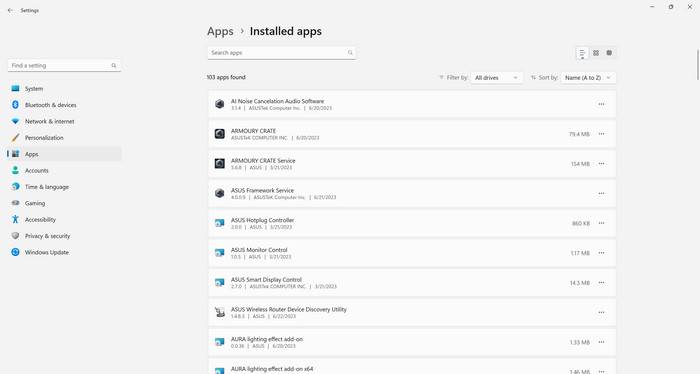
- Locate “PlayReady PC Runtime amd64” in the list of installed programs.
- Right-click on it and select “Uninstall” or “Remove.”
- Follow the on-screen prompts to complete the uninstallation process.
After uninstalling PlayReady PC Runtime amd64, it is recommended to restart your computer to ensure that any remaining files or processes associated with the component are properly removed.
If you encounter any issues during the uninstallation process or face difficulties with playback after uninstalling PlayReady PC Runtime amd64, it is advisable to seek assistance from the support channels of the media player or streaming service you are using.
Conclusion
PlayReady PC Runtime amd64 by Microsoft is a software component that provides digital rights management capabilities for media playback applications and streaming services. While it may not be a program that you actively use, it is essential for the secure playback of DRM-protected content.
Uninstalling PlayReady PC Runtime amd64 is generally not recommended unless you have a specific reason to do so. It is crucial to consider compatibility, legal implications, and the potential loss of access to DRM-protected content before deciding to uninstall this component.
If you encounter any issues related to PlayReady PC Runtime amd64 or suspect malware on your system, it is advisable to scan your computer with Malwarebytes Free or seek assistance from reputable security software providers.
By understanding the purpose and importance of PlayReady PC Runtime amd64, you can make an informed decision regarding its presence on your computer and ensure a secure and seamless media playback experience.

Join the discussion
0 commentsShare your experience or ask a question about this article.
Discussion
Start the conversation
Have a question or something useful to share? Add the first comment.