

PrimeMarketOption.com promotes incredible cryptocurrency returns through trading and investments but is a front for an elaborate scam stealing funds. This unregulated platform exhibits multiple red flags like absurd guaranteed profits, refusal to allow withdrawals, and requiring release fees to access your deposits. PrimeMarketOption hides behind claims of licenses and prestigious partnerships while simply pocketing victim money into undisclosed wallets.
This article will uncover how PrimeMarketOption carries out their crypto investment con, actions to take if already victimized, and tips to avoid becoming their next target.
Overview of the Primemarketoption Scam
Primemarketoption.com falsely promotes itself as a leading and regulated cryptocurrency investment platform offering incredible guaranteed returns on deposits. However, this site is an extravagant scam operation stealing money and identities from victims lured in by false promises.
Despite claims of CFTC regulation, major bank partnerships, an experienced executive team, and foolproof trading strategies, Primemarketoption exhibits all the signs of a scam:
- No company address, registration details, or ownership information
- No customer service phone, email or other support channels
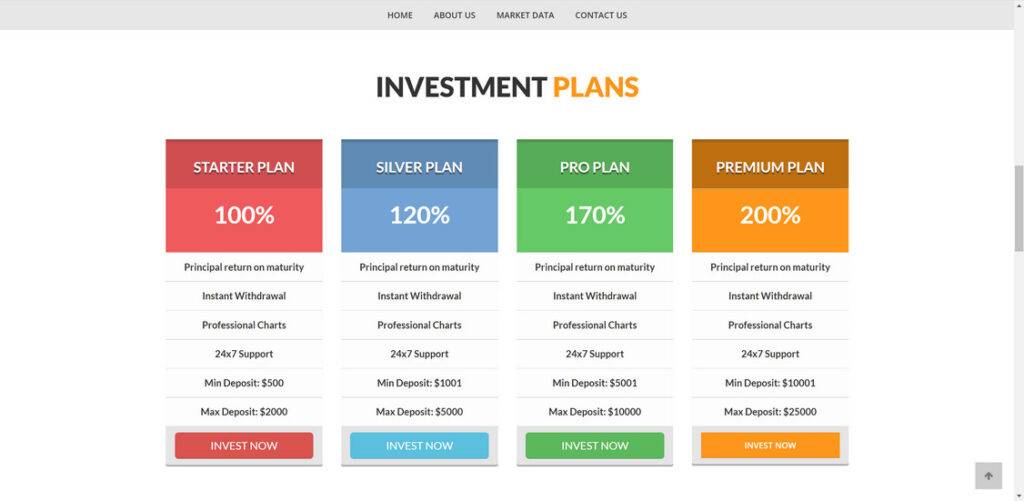
- Advertises unrealistic returns up to 200% on investment plans
- Reviews and testimonials are fabricated
- Refusal to allow withdrawals after depositing funds
- Requires additional “release fees” to access deposited money
PrimeMarketOption promotes incredible cryptocurrency investment returns but is a fraudulent scam operation intent on stealing funds and identities.
How the Primemarketoption Crypto Scam Ensnares Victims
The Primemarketoption scam follows the standard cryptocurrency investment scam blueprint. By advertising widely across social networks, search engines, and messaging platforms, they work to entice as many potential victims as possible.
Ads tout incredible guaranteed returns up to 200% just by investing in their cryptocurrency fund for set time periods. Fake celebrity endorsements, countdown timers, limited spots available and other high-pressure tactics create false urgency to invest now before missing out.
Those who click on ads are directed to the polished Primemarketoption website featuring stock images of a professional “team,” Wall Street-esque office, and even a video extolling their firm’s reliability. However, no actual company, executive team, or address details exist – just descriptions aimed to build credibility.
The site prominently displays registrations with the CFTC and partnerships with major banks like Bank of America and Wells Fargo. However, these claimed credentials are completely fabricated with stock logos.
Once convinced by the glossy veneer, visitors are prompted to create accounts and fund them with an initial deposit, typically $500 minimum. Additional tiers offering even higher returns are advertised at up to $25,000 deposit levels.
After receiving victim deposits in Bitcoin or other supported cryptocurrencies into their controlled wallets, the scammers immediately lock access to those funds. Despite advertised instant withdrawals, new policies are cited preventing users from cashing out their money for various dubious reasons.
Victims are pressured by “account managers” to deposit more funds, promising they will then unlock withdrawals. Of course, any additional money sent also disappears.
Eventually Primemarketoption requires a deposit release fee to withdraw money, ranging from 10-50% of deposited funds. This is merely another tactic to steal even more before shutting down and disappearing.
The criminals behind Primemarketoption will keep finding excuses to prevent withdrawals until they are confident no more deposits are forthcoming. Then they abscond with potentially millions in stolen money and compromised user data.
Recognizing the Primemarketoption Scam Red Flags
Although Primemarketoption invests heavily in an illusion of legitimacy, many clear indicators expose it as a scam operation:
- Too good to be true returns – Promises of 100% to 200% guaranteed returns are unrealistic and unsustainable.
- No company details – No address, registration numbers, or ownership information provided.
- No customer support – No phone number, email or physical address to get assistance.
- Fake credentials – Claims of CFTC registration and major bank partnerships are outright false.
- No withdrawal access – Preventing access to deposited funds is a core tactic.
- Deposit release fees – Requiring payments to withdraw your own money is illegal.
- High-pressure tactics – Countdown timers, limited spots, other tricks aim to distract from closer inspection.
No legitimate registered financial firm would exhibit this many clear scam red flags.
Consequences of Becoming a Primemarketoption Victim
Unfortunately, the financial and personal consequences of falling for the Primemarketoption scam can be devastating:
- Loss of all deposited funds – Sent cryptocurrency is stolen with little chance of recovery. Many victims lose thousands.
- Identity theft – Personal data provided is leveraged for identity theft to access bank accounts, credit cards, and more.
- Compromised accounts – Email, social media and other digital accounts can be taken over and exploited.
- Legal risks – Victims may face charges for unknowingly engaging in money laundering.
- Emotional distress – Being scammed can negatively impact mental health and relationships.
Those already caught in this scam need to act swiftly to halt further losses. Do not make any additional payments no matter what reasons are cited. You will not be able to “unlock” your money.
Steps if You Already Sent Funds to Primemarketoption
If you already provided personal information or money to Primemarketoption, here are important steps to take immediately:
- Cease all engagement – Stop responding to any emails, calls, or texts from the scammers.
- Report Primemarketoption – File detailed scam reports with the FTC, SEC, CFTC, FBI, and more.
- Alert crypto exchanges – If you bought crypto using an exchange account to deposit, notify them of the fraud.
- Monitor accounts – Watch for unauthorized access to online accounts linked to the data you provided.
- Change passwords – Reset strong unique passwords on all financial, email, social and other accounts.
- Freeze credit – Request credit agencies freeze your credit files to prevent new account identity theft.
- Seek legal counsel – Speak to an attorney regarding retrieval options and risks moving forward.
While unlikely to recover stolen funds, quick action can reduce further damage. Do not send additional money thinking you can eventually profit.
Avoiding Cryptocurrency Investment Scams
Here are tips to avoid falling victim to Primemarketoption and other crypto investment scams:
- Be wary of social media ads – Scams are rampant on platforms like Facebook, Instagram, and TikTok.
- Research opportunities extensively – Vet companies fully and watch for any red flags.
- Verify licenses and registrations – Check credentials through official government channels, not the company itself.
- Find trusted independent reviews – Beware of fake reviews on unknown sites or connected to the company.
- Understand crypto risks – Cryptocurrencies are complex, volatile assets. Learn thoroughly before investing.
- Avoid “too good to be true” – Sky-high guaranteed returns are always a scam indicator.
- Watch for pressure to act fast – A legitimate firm won’t pressure you to deposit instantly.
- Control your own crypto keys – Use reputable wallet providers where you control private keys.
Conducting due diligence on any investment opportunity and never investing more than you can afford to lose will help avoid becoming a victim.
Frequently Asked Questions
Here are answers to some common questions about the Primemarketoption scam:
Is Primemarketoption really registered with the CFTC?
No. Primemarketoption falsely claims CFTC registration to appear legitimate. All their credentials are fake.
Can I withdraw my money invested with Primemarketoption?
Unfortunately, withdrawals are not actually possible after depositing funds into this scam. Preventing withdrawals is a key element.
Why does Primemarketoption require deposit release fees?
Fees are fabricated as an excuse to steal even more money from victims already ensnared before shutting down. Legitimate firms never charge such fees.
Are Primemarketoption’s advertised returns realistic?
No. Guaranteed returns of 100-200% are wildly unrealistic and impossible to deliver legitimately. High returns are a hook to lure in victims.
Should I pay their release fee to withdraw my money?
No, you should never pay their cited release fees, as this will also certainly be stolen. Cease all contact and do not send further payments.
Who can I report Primemarketoption to?
Report them to the FTC, SEC, CFTC, FBI, and other authorities. File detailed scam complaints and alerts immediately.
Can I trust Primemarketoption’s reviews and testimonials?
No. All reviews, testimonials, and feedback on Primemarketoption’s own website are completely fabricated by the scammers to appear legitimate.
Can the police help recover lost funds?
Unfortunately, recovering stolen cryptocurrency funds is very rare, as scammers quickly launder and cash out deposits. But still, file reports to aid investigations.
Is it possible to eventually profit from Primemarketoption?
No. There is no possibility of ever earning profits on this scam platform, despite advertised returns. Any mention of profits is a false lure. Cease contact immediately.
The Bottom Line
Primemarketoption promotes itself as a top cryptocurrency investment firm but is just an elaborate scam stealing millions from unsuspecting victims. Avoid this by looking for multiple red flags, researching thoroughly, and never sending money or data to unverified entities promising unrealistic profits. Those already defrauded should act swiftly to halt further damage. With cryptocurrency scams still rampant, extreme caution is required to avoid the many schemes targeting the space.

Join the discussion
0 commentsShare your experience or ask a question about this article.
Discussion
Start the conversation
Have a question or something useful to share? Add the first comment.