

Thinking of adding a Boxer puppy to your family? Qualityboxerpupiesforsale.com may seem like the perfect place to find your new best friend, but beware! Behind its charming facade, this website is running an elaborate online scam designed to exploit unsuspecting pet lovers. Keep reading to learn exactly how this scam operates, what warning signs to look for, and crucial steps to take if you’ve already fallen victim.
Scam Overview
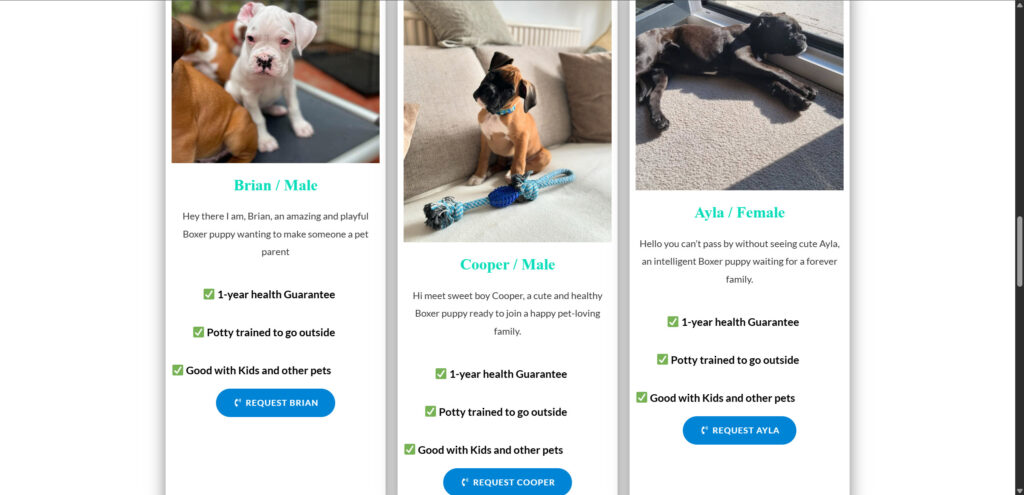
Qualityboxerpupiesforsale.com presents itself as an ideal breeder specializing in Boxer puppies, boasting a polished, welcoming interface filled with adorable puppy pictures, persuasive descriptions, and seemingly sincere testimonials. On the surface, the website promises healthy, well-trained Boxer puppies complete with vaccination records and a one-year health guarantee. Unfortunately, these compelling claims mask a fraudulent operation aiming to deceive hopeful pet owners out of their hard-earned money.
The first indication of deceit comes from the website’s suspiciously low prices. Boxer puppies typically sell at premium prices due to their desirable traits, temperament, and breeding costs. However, Qualityboxerpupiesforsale.com advertises these puppies significantly below the market rate, creating an irresistible temptation for prospective buyers. This pricing strategy serves to draw in buyers quickly, reducing their likelihood of questioning the legitimacy of the offer.
Upon closer inspection, the website employs professionally written descriptions to build an illusion of trustworthiness. Claims of puppies being potty-trained, great with kids, and fully vaccinated further reassure potential buyers. The scammers utilize emotionally charged language, emphasizing the joy, companionship, and love that these puppies can bring into families’ lives. Such emotive strategies effectively lower the guard of potential buyers, leading them to proceed without adequate research.
Qualityboxerpupiesforsale.com further solidifies its façade by listing a “refund policy,” promising full reimbursement if the puppy doesn’t arrive or meet expectations. However, this policy is entirely fictional, as victims quickly discover after being scammed. Scammers rarely deliver a puppy at all, and communication abruptly ceases once payment has been received.
Additionally, the scammers carefully fabricate positive testimonials and reviews to build credibility. These fake testimonials detail heartwarming adoption stories and happy endings, successfully persuading potential buyers that the website is legitimate. Unfortunately, these stories are entirely invented, typically created using stock photos and fictional names.
Victims often report initial smooth interactions through email or messaging services, fostering confidence. Scammers readily answer questions, offer detailed explanations about puppy care, transport procedures, and guarantee secure transactions. Once the buyer commits financially, typically via unsecured methods such as wire transfers, CashApp, Zelle, Venmo, or even cryptocurrency, the scam takes an abrupt turn.
Following payment, scammers frequently invent excuses for additional fees required due to unforeseen shipping complications, veterinary fees, insurance coverage, or customs charges. Buyers, emotionally committed and desperate to ensure their puppy’s safe arrival, often comply, resulting in significant financial losses.
Ultimately, no puppies are ever delivered. Victims find themselves emotionally devastated and financially drained, having sent substantial sums with virtually no recourse. Reports of the scam indicate a widespread pattern, with victims spanning various states and even international borders, highlighting the organized and systematic approach scammers employ to defraud innocent buyers.
How The Scam Works
Recognizing the Qualityboxerpupiesforsale.com scam’s operational steps can greatly aid prospective buyers in avoiding falling victim:
Step-by-Step Breakdown:
- Initial Attraction:
- Victims typically find the Qualityboxerpupiesforsale.com website through targeted advertisements, search engines, or social media links.
- Attractive images and appealingly low prices immediately grab their attention.
- Establishing Credibility:
- Detailed puppy descriptions, false health guarantees, fake testimonials, and a reassuring refund policy quickly build trust.
- Initial interactions with scammers via email or messaging appear professional, caring, and prompt.
- Encouraging Payment:
- Buyers are persuaded to make initial payments using non-secure platforms, including wire transfers, peer-to-peer apps, and cryptocurrency.
- Scammers provide seemingly legitimate shipping details and puppy arrival schedules to reassure buyers.
- Additional Fees and Costs:
- Shortly after initial payment, scammers claim unexpected complications such as additional transport costs, veterinary checks, quarantine fees, or insurance requirements.
- These requests are often emotionally charged, prompting buyers to urgently send more money to avoid risking their puppy’s welfare.
- Communication Breakdown:
- Once scammers have extracted sufficient funds, all communication abruptly ceases.
- Emails and phone calls go unanswered, leaving victims helplessly awaiting a puppy that will never arrive.
- Vanishing Act:
- The website may eventually disappear, only to reappear under a different domain name with slightly altered content, continuing the cycle of exploitation.
What to Do if You Have Fallen Victim to This Scam
If you’ve been scammed by Qualityboxerpupiesforsale.com, immediately follow these essential steps:
- Stop Sending Money:
- Cease all further transactions immediately, regardless of threats or promises from scammers.
- Collect Evidence:
- Save all communication, payment receipts, screenshots of the website, and transaction confirmations for use as evidence.
- File Official Reports:
- Report the incident to local law enforcement authorities.
- Submit a complaint to the Federal Trade Commission (FTC) at 1-877-FTC-HELP (382-4357) or www.ftc.gov.
- Report the scam to the Internet Crime Complaint Center (IC3) at www.ic3.gov.
- Contact Your Bank or Payment Service:
- Immediately alert your financial institution or payment app about the fraudulent transactions.
- Request reversal or dispute the payments, providing evidence collected.
- Raise Awareness:
- Share your experience online via forums, social media platforms, and consumer protection websites to prevent others from becoming victims.
- Protect Your Financial Security:
- Regularly monitor your financial accounts and consider identity theft protection services to safeguard against further exploitation.
The Bottom Line
Qualityboxerpupiesforsale.com is an elaborate scam designed to exploit those looking for Boxer puppies online. Recognizing the scam’s operational methods, staying vigilant, and knowing how to respond if victimized are crucial steps toward safeguarding your finances and emotions. Always conduct thorough research, use secure payment methods, and insist on seeing the puppy in person before making payments. Trust your instincts—if something feels off, it probably is.








