

Considering adopting an adorable puppy online? Before you get carried away by irresistible puppy photos and suspiciously low prices ranging from $500 to $1,000, take a moment to understand the risks. Online puppy scams are increasingly common, trapping countless pet lovers in emotional and financial distress each year. Continue reading to uncover the sophisticated methods scammers use, recognize red flags, and learn exactly what to do if you’ve been scammed.
Scam Overview
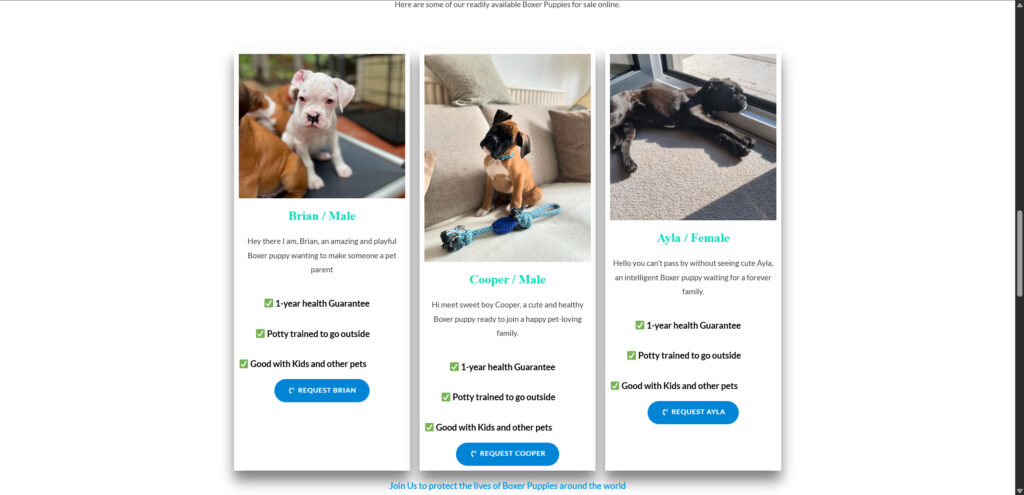
Online puppy scams exploit people’s heartfelt desires to welcome a loving pet into their homes. Scammers create deceptively legitimate breeder websites featuring attractive photos of puppies priced typically between $500 and $1,000. To enhance their credibility, scammers assign specific names and detailed profiles to puppies, making listings appear genuine and trustworthy. Examples include Boxer puppies with names like Brian, Cooper, Ayla, Meggie, Winston, Felix, Quila, Millie, and Cassius.
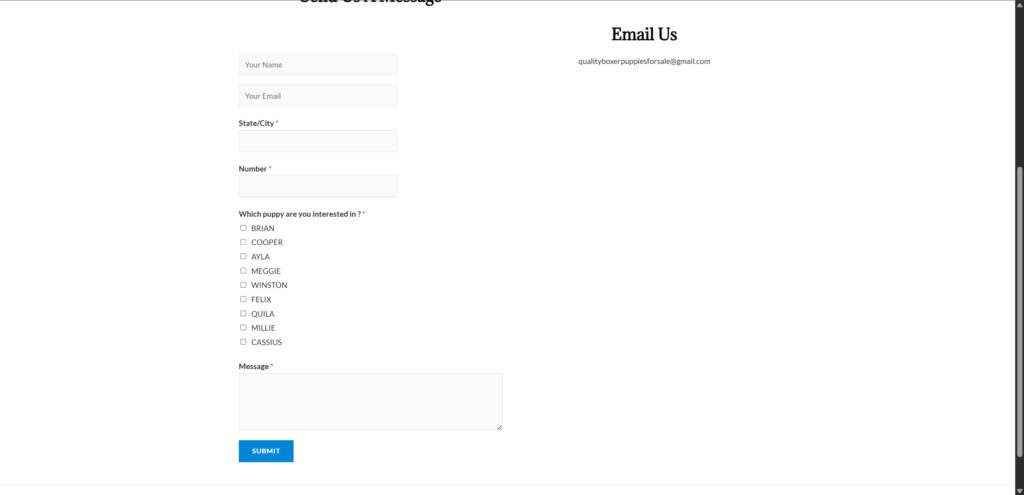
These fraudulent websites boast professionally designed layouts, fabricated customer testimonials, extensive health guarantees, and reassuring refund policies. Scammers use emotional and convincing language to make the listings highly persuasive. Victims often initiate contact by completing online forms, selecting the exact puppy they want by name.
Typically, legitimate purebred puppies involve considerable costs such as breeding expenses, veterinary care, paperwork, registration, and ongoing maintenance. Scammers exploit buyer eagerness by pricing puppies drastically below market rates, with popular breeds like Boxer puppies often listed at approximately $650.
To further deceive buyers, scammers steal high-quality images from legitimate breeder websites or stock photography resources. They craft elaborate testimonials describing happy adoption stories to build buyer trust rapidly. Payment is usually demanded through insecure channels such as wire transfers, CashApp, Zelle, Venmo, gift cards, or cryptocurrencies, which provide minimal protection against fraud.
After receiving initial payments, scammers quickly escalate the deception by inventing unexpected additional expenses. They commonly claim unforeseen transportation issues, veterinary examinations, required insurance, quarantine fees, or customs charges. Emotionally invested buyers typically comply, paying extra amounts believing they are securing their beloved puppy’s safe delivery.
Ultimately, scammers abruptly cease communication after receiving sufficient funds, leaving buyers without puppies, refunds, or hope of recovery. Victims experience emotional trauma and significant financial losses, often feeling helpless and deceived.
Scammers continuously repeat these schemes using new domain names, different breeds, varied contact methods, and altered website designs to evade authorities and continue defrauding victims. The recurring nature of these scams emphasizes the critical importance of awareness, vigilance, and education.
How The Scam Works
Fully understanding scammers’ tactics can protect potential victims effectively. Below is a detailed breakdown of the process:
Step-by-Step Breakdown:
- Initial Attraction:
- Potential buyers find attractive puppy-selling websites through targeted online advertisements, search engines, or social media.
- Websites prominently feature engaging puppy photos, emotionally appealing descriptions, and enticingly low prices ranging from $500 to $1,000. Puppies often have personalized names to appear more credible.
- Building Trust:
- Websites include extensive puppy descriptions highlighting traits, temperament, health guarantees, and return policies.
- False customer testimonials illustrate satisfied customers’ experiences, fostering a sense of legitimacy and reliability.
- Initial Contact:
- Buyers express interest by filling out online contact forms, selecting puppies specifically by name.
- Scammers respond swiftly with professional and convincing communication, creating urgency to secure the puppy promptly due to supposed high demand.
- Payment Demand:
- Buyers are pressured into making immediate payments through unsecured and irreversible methods such as wire transfers, digital payment apps, gift cards, or cryptocurrency, with the promise of quick and secure puppy delivery.
- Fabricated Shipping Issues:
- After initial payments, scammers promptly contact victims, citing unexpected complications such as additional transportation charges, mandatory veterinary check-ups, insurance costs, quarantine fees, or international customs duties.
- These fabricated scenarios are emotionally charged, exploiting buyers’ anxieties about their puppy’s welfare and safety during transit.
- Communication Ceases:
- Once scammers secure substantial additional payments, communication suddenly stops, leaving victims stranded with no puppy delivery, explanation, or refunds.
- Scam Recycling:
- After exposure, scammers close their websites and quickly launch new ones under different domain names.
- Scammers regularly rotate pet breeds, names, website layouts, and pricing structures, enabling continuous deception of unsuspecting buyers.
What to Do if You Have Fallen Victim to This Scam
If you suspect you’ve fallen prey to a puppy scam, immediate action is crucial:
- Cease All Payments:
- Stop any further financial transactions immediately, regardless of pressure or threats from scammers.
- Gather Comprehensive Evidence:
- Secure all correspondence, including emails, texts, payment receipts, screenshots of scam websites, and any related documentation.
- File Official Reports:
- Immediately contact your local law enforcement agency to report the fraud.
- Report the scam to the Federal Trade Commission (FTC) by calling 1-877-FTC-HELP (382-4357) or through their website at www.ftc.gov.
- Submit detailed complaints to the Internet Crime Complaint Center (IC3) at www.ic3.gov.
- Notify your bank or digital payment service provider immediately to dispute the fraudulent transactions.
- Raise Awareness and Warn Others:
- Share your experience broadly through social media platforms, community forums, pet-related groups, and online review sites to prevent others from becoming victims.
- Monitor Financial and Personal Information:
- Regularly review your bank statements, credit reports, and online accounts for unauthorized transactions or suspicious activity.
- Consider enrolling in identity theft protection or credit monitoring services to safeguard against further exploitation.
- Seek Legal Guidance:
- Depending on the severity of your losses, consider consulting with an attorney to explore available legal options and recourse.
The Bottom Line
Online puppy scams are increasingly sophisticated, strategically exploiting emotional vulnerabilities through attractively priced puppies with detailed profiles and persuasive assurances. Understanding scammers’ methods, recognizing critical warning signs, and following stringent safety measures, such as secure payment channels and in-person pet verification, can significantly reduce the risk of victimization. Always maintain a skeptical mindset—if an offer seems too good to be true, it most likely is. Staying informed and educating others remain powerful tools in combatting these harmful scams.
Frequently Asked Questions (FAQ) About Online Puppy Scams
1. What exactly is an online puppy scam?
An online puppy scam involves fraudulent websites pretending to sell puppies at attractive prices—usually between $500 to $1,000. Scammers create fake listings with appealing images, realistic descriptions, and even assign names to puppies to appear trustworthy. Victims typically pay for a puppy they never receive, losing significant amounts of money and experiencing emotional distress.
2. How do scammers typically advertise puppies?
Scammers often use professionally designed websites, social media posts, classified ads, or emails to advertise puppies. They employ enticing puppy photos, emotional descriptions, detailed health guarantees, fake testimonials, and suspiciously low prices. Puppies are often named to build trust quickly, such as Brian, Ayla, Cooper, or Winston.
3. How can I spot a puppy scam website?
Common red flags include:
- Unrealistically low prices for purebred puppies ($500 to $1,000 range).
- Requests for payments via wire transfer, CashApp, Venmo, cryptocurrency, or gift cards.
- Limited contact details (often just an email or contact form, no phone number).
- Refusal to allow video calls or in-person visits to view the puppies.
- Poor grammar, spelling errors, and inconsistent information throughout the website.
4. Why do scammers assign specific names to puppies?
Giving puppies specific names makes listings appear more genuine and personal, helping scammers build trust with potential buyers. Victims often form emotional connections more quickly, reducing suspicion and increasing their likelihood of making impulsive payments.
5. What breeds are commonly used in these scams?
Scammers frequently target popular breeds such as Boxers, French Bulldogs, Pomeranians, Golden Retrievers, Siberian Huskies, and Yorkshire Terriers. However, scams can involve virtually any breed that is currently in demand.
6. How do scammers convince buyers to pay more money after the initial payment?
After initial payments, scammers create fake complications like unexpected transportation costs, mandatory insurance, veterinary fees, or quarantine fees. Victims, already emotionally invested, often comply with these demands to ensure the puppy’s safe arrival, resulting in increased financial losses.
7. What payment methods do scammers typically request?
Scammers often insist on non-reversible, unsecured payment methods such as:
- Wire transfers (e.g., Western Union or MoneyGram).
- Peer-to-peer payment apps like Zelle, Venmo, or CashApp.
- Gift cards from popular retailers.
- Cryptocurrencies (Bitcoin, Ethereum, etc.).
These methods leave victims with very little chance of recovering their funds.
8. What should I do if I realize I’ve been scammed?
If you’ve fallen victim:
- Stop all payments immediately.
- Document all communication, including emails, screenshots, and receipts.
- Report to local law enforcement and the Federal Trade Commission (FTC) at 1-877-FTC-HELP (382-4357) or www.ftc.gov.
- File a complaint with the FBI’s Internet Crime Complaint Center (IC3) at www.ic3.gov.
- Contact your bank or payment service to dispute transactions and protect your accounts.
- Alert others by sharing your experience on social media and pet forums.
9. Can I get my money back after being scammed?
Recovery is difficult, especially with irreversible payment methods like wire transfers and cryptocurrency. However, contacting your bank or payment provider promptly may help reverse transactions if reported quickly. Legal assistance may be advisable, depending on the amount lost.
10. How can I safely purchase a puppy online?
To minimize risks:
- Insist on meeting puppies and breeders in person or via live video.
- Use secure, reversible payment methods (e.g., credit cards, PayPal with buyer protection).
- Verify breeder credentials and references thoroughly.
- Avoid transactions involving urgency, pressure, or unexpected extra costs.
- Research the breeder extensively through reputable platforms and online reviews.
11. Why do these scams persist?
These scams persist due to the scammers’ ability to quickly set up new websites with minimal investment, continuously rotating breeds, puppy names, and methods. Additionally, emotional decision-making, impulsiveness, and lack of public awareness keep these scams lucrative.
12. Who should I report these scams to?
Reports should be directed immediately to:
- Federal Trade Commission (FTC): 1-877-382-4357 or www.ftc.gov
- FBI Internet Crime Complaint Center (IC3): www.ic3.gov
- Your local law enforcement agency
- Your bank or payment provider
Quick reporting can aid in investigations and potentially prevent further victimization.
13. Can puppy scams involve legitimate-looking websites?
Absolutely. Scammers create sophisticated websites using professional templates, high-quality images, detailed puppy profiles, fake testimonials, and comprehensive “About Us” sections. Always verify independently rather than relying solely on website appearance.
14. What are some common excuses scammers use to request additional money?
Common fabricated excuses include:
- Urgent shipping crate upgrades for pet safety.
- Unanticipated veterinary checks or vaccinations.
- Mandatory pet travel insurance or quarantine fees.
- Customs and import taxes (especially international scams).
- Weather-related transportation issues.
Each excuse is carefully crafted to pressure buyers into paying quickly and without questioning.
15. Is there a safe alternative to buying puppies online?
Yes. Consider adopting from reputable animal shelters or rescue organizations. If purchasing from breeders, ensure they are well-reviewed, allow in-person visits, and use secure payment methods. Prioritize local transactions whenever possible to eliminate shipping concerns entirely.








