

Nostalgia is a powerful feeling. We all yearn for the simpler times of our childhood and the games that brought us joy. In recent years, retro gaming has seen a major resurgence. Classic consoles like the NES and SNES are fetching high prices at auctions. Gamers are hunting down old cartridges to relive gaming glory days.
Amid this retro gaming craze, ads for products like the “Retro Gamer Pro” have been popping up across social media. With bold claims like “20,000 games built-in!” and “high-definition graphics,” these retro consoles certainly seem enticing. But are they truly the ultimate plug-and-play retro gaming machine? Or is the Retro Gamer Pro a scam preying on nostalgic gamers?
In this detailed investigation, we’ll analyze the Retro Gamer Pro to determine if it delivers as promised or is merely a heights marketing ploy to exploit retro enthusiasts. Here’s a comprehensive look at the facts behind this questionable retro console.
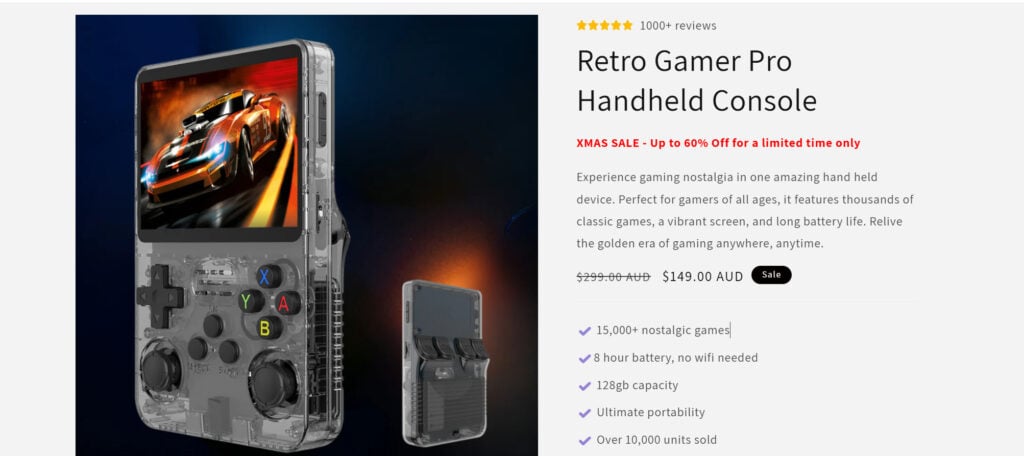

Overview of the Retro Gamer Pro Operation
The Retro Gamer Pro console first gained attention through flashy advertisements across Facebook, Instagram and Google. The marketing portrays a dream console with thousands of classic games built directly into the system. According to the ads, just connect it to your TV and enjoy endless retro gaming bliss.
The initial pricing is usually set around $100, with claims of huge discounts like “50% off for a limited time!” The ads also boast free shipping and other perks to create a sense of urgency. While the presentation seems appealing on the surface, further inspection reveals some major red flags:
- Inflated Pricing – The Retro Gamer Pro is typically priced around 3-4 times higher than competitive products offering similar capabilities. This significant markup is a telltale sign of price gouging.
- Misleading Sales Tactics – Tactics like “50% off” discounts or “limited quantity” labels pressure customers to make a hasty purchase before closely evaluating the product. This distraction strategy is common with online scams.
- Dubious Reviews – Despite lots of 5-star reviews on the sales pages, there are almost no impartial reviews on trusted platforms like Amazon or Trustpilot. The posted reviews are unreliable.
- Vague Product Details – Key details about the console’s hardware, software, and game performance are unclear or completely omitted from the ads and sales pages. This lack of transparency is concerning.
With these red flags in mind, the claims seem reminiscent of the old adage: “If it seems too good to be true, it probably is.” Let’s take a closer look at how this operation works to dupe unsuspecting consumers.
How this Dropshiping Scheme Works
The Retro Gamer Pro scam operates on a simple dropshipping model designed to maximize profits from nostalgia and deception. Here’s an inside look at how the scheme functions from start to finish:
Step 1 – Sourcing the Consoles
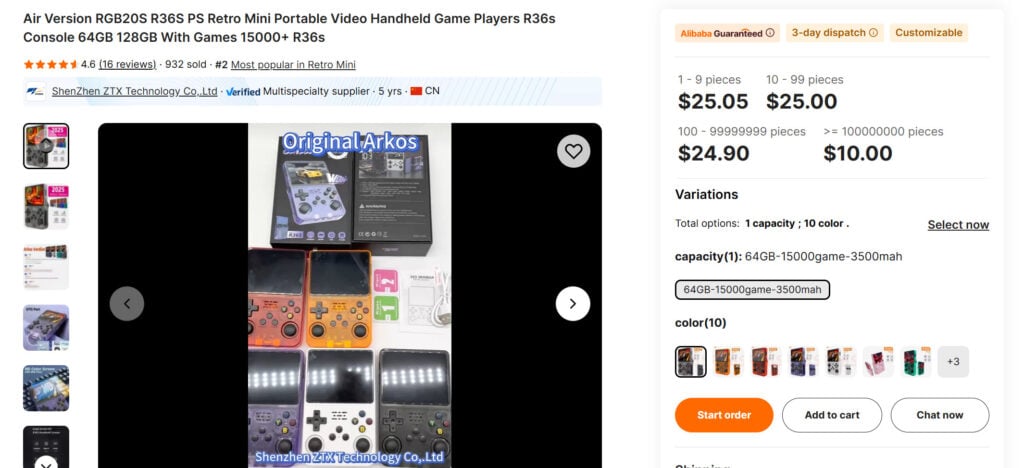
The scammers don’t actually manufacture or directly sell the Retro Gamer Pro system. Instead, they purchase generic handheld consoles in bulk from Chinese websites like Alibaba and AliExpress for incredibly low prices – often around $20 to $30 per unit.
These devices are produced in China as inexpensive Linux-based emulators and game player systems. They’re essentially basic mini computers running open-source emulation software and coming preloaded with collections of retro game ROMs.
Step 2 – Building Eye-Catching Websites
Next, the scammers create flashy sales websites with names like “Retro Game Box,” “Retro Arcade” or “My Retro Player.” These sites have polished graphics and design elements to build credibility.
However, a closer look reveals little legitimate contact information, registration details, business histories, or customer service channels. The websites exist solely to push sales as convincingly as possible.
Step 3 – Placing Deceptive Ads
Once the sites are online, the scammers launch aggressive ad campaigns on platforms like Facebook, Instagram and Google. The ads promise dream retro consoles, amazing discounts, and other enticing claims specifically designed to lure in consumers driven by gaming nostalgia.
They choose catchy names like “Retro Gamer Pro,” “RetroKid,” “RetroMaxx,” or “RetroCity” to spark intrigue. Prices are set at inflated rates like $100 while touting fake discounts and promotions.
Step 4 – Posting Fake Reviews
To further legitimize their fake shops, the scammers fabricate endless positive reviews. They post these fake testimonials across their own websites as well as any third-party review site they can access.
However, these glowing endorsements almost never appear on impartial platforms like Trustpilot or Amazon. Their absence on independent sites reveals their probable inauthenticity.
Step 5 – Finalizing Transactions Quickly
When customers land on the sales pages, the sites push them to complete purchases as quickly as possible. Payment options emphasize methods with little or no buyer protection like bank transfers, gift cards, cryptocurrency or direct credit card payments.
Refunds and returns are made intentionally difficult with strict limitations. Everything moves rapidly to prevent deeper inspection into the shady practices.
Step 6 – Shipping Disappointing Products
Weeks later when orders arrive, customers realize the consoles don’t match the extravagant claims. Performance is glitchy, the game libraries are underwhelming, and any issues or defects have basically no recourse or customer support.
While not completely unusable, the delivered products are essentially the cheap Chinese emulation systems purchased for $20 to $30 but marked up 3-4 times higher. Customers feel ripped off but often have little power to dispute the charges.
This sequence outlines the core strategy behind the Retro Gamer Pro scam. Deceptive marketing, fictional testimonials, and high-pressure sales techniques distract consumers from the actual origins and severe limitations of the console itself. Thousands have fallen victim to this exploitative scheme.
Recognizing the Red Flags of the Scam
As we’ve explored, the Retro Gamer Pro exhibits multiple signs of being a highly questionable offer at best, and a outright scam at worst. Here are the critical red flags to watch for:
Hardly Any Real Reviews
While the sales pages boast gushing customer feedback, these reviews are completely absent on any reputable third-party sites. The lack of ratings on Trustpilot, Amazon, and other impartial sources means the “happy customers” likely don’t exist.
Vague Technical Details
The marketing materials use flashy graphics and bold claims about “HD” screens or “zero lag gaming,” but provide almost no concrete details about the console’s technical specs or performance abilities. This evasiveness hides the truth.
Aggressive Pricing and Discounts
Pricing starts at inflated rates like $100 and often touts “50% discounts” or other promotions that impose artificial urgency around the purchase decision. Rarely are such major savings legitimate.
High-Pressure Sales Tactics
Fake limited-time offers, continually decreasing countdown timers, and messages like “only 2 left!” all pressure customers to buy before thoroughly researching. This distraction technique masks flaws.
New Domains With Hidden Owners
The Retro Gamer Pro websites have all been registered within the past 1-2 years and use domain privacy services to hide their true owners. These behaviors often indicate scam sites.
With so many red flags, customers should be extremely cautious about providing payment or personal information to such suspicious websites. But for those unfortunate enough to already have been scammed, what recourse options exist?
What To Do If You’re a Victim of the Retro Gamer Pro Scam
If you made the mistake of purchasing the Retro Gamer Pro console and feel scammed, don’t panic. Here are some steps to take in seeking justice and recovering lost money:
Step 1: Gather Evidence
Compile records like order confirmations, correspondence with the seller, delivery receipts, screenshots of the original website or advertisement, and photos of the product received. Thorough documentation will bolster your fraud claim.
Step 2: Report the Incident
File reports of the scam with the FTC, BBB, SEC, IC3, and local law enforcement. Provide copies of your evidence and full details about the scheme. Get any report or complaint numbers for reference.
Step 3: Notify Your Payment Provider
If you paid via credit card or a third party like PayPal, file disputes requesting chargebacks for failure to deliver the promised product. Provide your documentation and emphasize the misleading marketing.
Step 4: Publicize Your Experience
Post your Retro Gamer Pro scam experience on consumer sites like Trustpilot and RipOffReport. Spreading awareness helps prevent others from being fooled. But stick to factual recounts avoiding unsubstantiated accusations.
Step 5: Spread the Word on Social Media
Reply to Retro Gamer Pro ads you see online with warnings about it being a scam, and encourage others not to purchase. Just know that the scammers may delete or block your comments.
Step 6: Contact an Attorney
For costs above a few hundred dollars, consulting an attorney may be warranted. A lawyer can thoroughly evaluate your case and options for recovering damages. They can also manage communication and potential legal action against the scammers more effectively.
Step 7: Issue Chargebacks Strategically
Don’t hastily issue chargebacks for every unauthorized charge. Consider waiting until investigating the scam fully, so you can dispute all applicable transactions simultaneously with thorough evidence. Rushing could weaken your fraud claims.
Step 8: Adjust Payment Settings
Log into accounts that may have been compromised like PayPal to change passwords and enable two-factor authentication. Also call your credit/debit card providers to explain the situation, dispute charges, and potentially request replacement cards.
Step 9: Be Patient
Scammed customers are often anxious and want immediate refunds. But the entire fraud investigation and claim process can take weeks or longer in some cases. Avoid harassing customer service reps and allow time for your claims to be properly processed.
Step 10: Learn From The Experience
Going forward, be much more diligent in researching sellers and products before purchasing, especially with online ads. Also consider using payment platforms that offer strong fraud protection and guarantees. View this scam as an important lesson.
While seeking justice takes time and effort, following these steps will maximize your chances of getting fraudulent charges reversed and ultimately recovering your hard earned money. Don’t let predatory scammers get away with it!
The Bottom Line – Is the Retro Gamer Pro Really Worth It?
In summary, the Retro Gamer Pro console and similar offerings raise multiple red flags. These operations exhibit many signs of being dropshipping schemes designed to exploit nostalgia and trick customers.
The misleading advertisements, suspicious sales tactics, and lack of transparency about the actual origins of the devices point to dropshippers simply reselling cheap emulation consoles from China at massively inflated prices.
While not completely worthless products, the performance and game libraries rarely match the grand marketing claims. And any issues or defects have little recourse without proper manufacturer warranties and support channels.
Instead of wasting $100 on a device of questionable quality, consumers are likely better off purchasing established retro plug-and-play consoles from reputable retailers for around $30-40. Or for a premium retro experience, consider investing in actual vintage consoles and games which hold true nostalgic value.
Given all the warning signs, the Retro Gamer Pro and similar consoles peddled through social media ads appear significantly overpriced for what they deliver. Savvy buyers should carefully consider the facts before handing over their hard-earned money to these potential dropshipping operations. Nostalgia is priceless, but buyer beware.
Frequently Asked Questions About the Retro Gamer Pro Scam
1. What exactly is the Retro Gamer Pro?
The Retro Gamer Pro is a plug-and-play retro video game console that has been heavily marketed through social media ads and questionable websites. These promotions boast features like thousands of classic games built-in and discounted pricing. However, further investigation reveals the Retro Gamer Pro has multiple hallmarks of an online scam designed to exploit nostalgia and overcharge customers.
2. How much does the Retro Gamer Pro retail for?
The advertisements typically showcase the Retro Gamer Pro priced around $100 and offer deep discounts up to 50% off. However, these inflated original prices are highly dubious. In reality, identical or nearly identical consoles can be purchased wholesale from Chinese suppliers for only $20-$30. This huge markup is a major red flag.
3. What evidence suggests the Retro Gamer Pro is a scam?
There are several clear indicators the Retro Gamer Pro is a scam, including:
– Fake discounts off of already inflated prices
– Dubious sales tactics creating false urgency
– Misleading claims about technical capabilities
– Unsubstantiated positive reviews on the sales sites
– Lack of transparency about the origins of the console
– Consumer complaints about the disappointing quality
4. What’s inside the Retro Gamer Pro system?
The Retro Gamer Pro appears to contain generic components like low-grade processors and LCD screens. They are essentially cheap mini-computers running open-source emulation software and pre-installed libraries of retro game ROMs. The build quality and performance is mediocre at best, contrary to the extravagant marketing claims.
5. How do the scammers operate?
The scammers purchase large quantities of the consoles directly from Chinese suppliers for around $20-$30 each. They then create flashy sales websites advertising them as high-performance “Retro Gamer Pro” systems for over $100. Deceptive ads and fictional reviews lure in buyers. Victims receive lackluster products that don’t match the marketing.
6. What are customers saying about the Retro Gamer Pro?
While the sales pages feature glowing testimonials, actual customer sentiment on impartial sites is overwhelmingly negative. Many report malfunctioning hardware, glitchy performance, and inferior build quality. The Retro Gamer Pro appears incapable of delivering the lofty retro gaming experience promised to buyers.
7. Are the advertised games really pre-installed?
The ads boast of thousands of retro titles built directly into the console. In reality, the system simply runs emulation software with libraries of ROMs. Many were likely obtained and copied illegally. Game performance is spotty, and the libraries contain filler titles to inflate the counts.
8. What recourse do scammed customers have?
Unfortunately customers often have limited recourse, since the scammers operate internationally with minimal legitimate business information. File detailed fraud reports and contact your payment provider to attempt chargebacks. Legal action may be warranted for larger sums. Spread public warnings to help prevent future victims.
9. Are there any Retro Gamer Pro alternatives?
Instead of wasting money on this likely scam, consider reputable retro plug-and-play consoles from mainstream sellers for around $30-40. Or invest in actual vintage systems and games for a premium experience. For maximum nostalgia and reliability, avoid questionable websites peddling products like the Retro Gamer Pro.
10. What’s the bottom line on the Retro Gamer Pro?
In summary, the Retro Gamer Pro exhibits multiple red flags as a dropshipping scam designed to exploit nostalgia and overcharge customers. Misleading marketing, paid reviews, unrealistic discounts and lack of transparency indicate consumers should avoid this questionable offer. For retro gaming, trust legitimate sellers with reliable products.








