


The contractor notices you have equity in the house and offers to introduce someone who can pay for the work.
You expected to compare repair estimates. Now you’re being asked to make a decision about the house itself.
Overview
A real loan can be used to pressure a homeowner
A reverse mortgage is not automatically fraudulent. It is a loan secured by a home, and whether it makes sense depends on the borrower’s situation and terms.
The concern here is someone using pressure or deception to get you to borrow, then steering the proceeds toward themselves or an arrangement you didn’t choose.
Don’t let a contractor, relative or salesperson make the loan decision for you. Ask someone independent to explain the offer before you sign or authorize payments.
The repair price and the loan are two decisions
An estimate tells you what somebody charges for work. The loan tells you what it costs to borrow and what obligations continue while you own the home.
The Consumer Financial Protection Bureau warns against contractor pressure and misleading claims that a reverse mortgage comes with special VA approval.
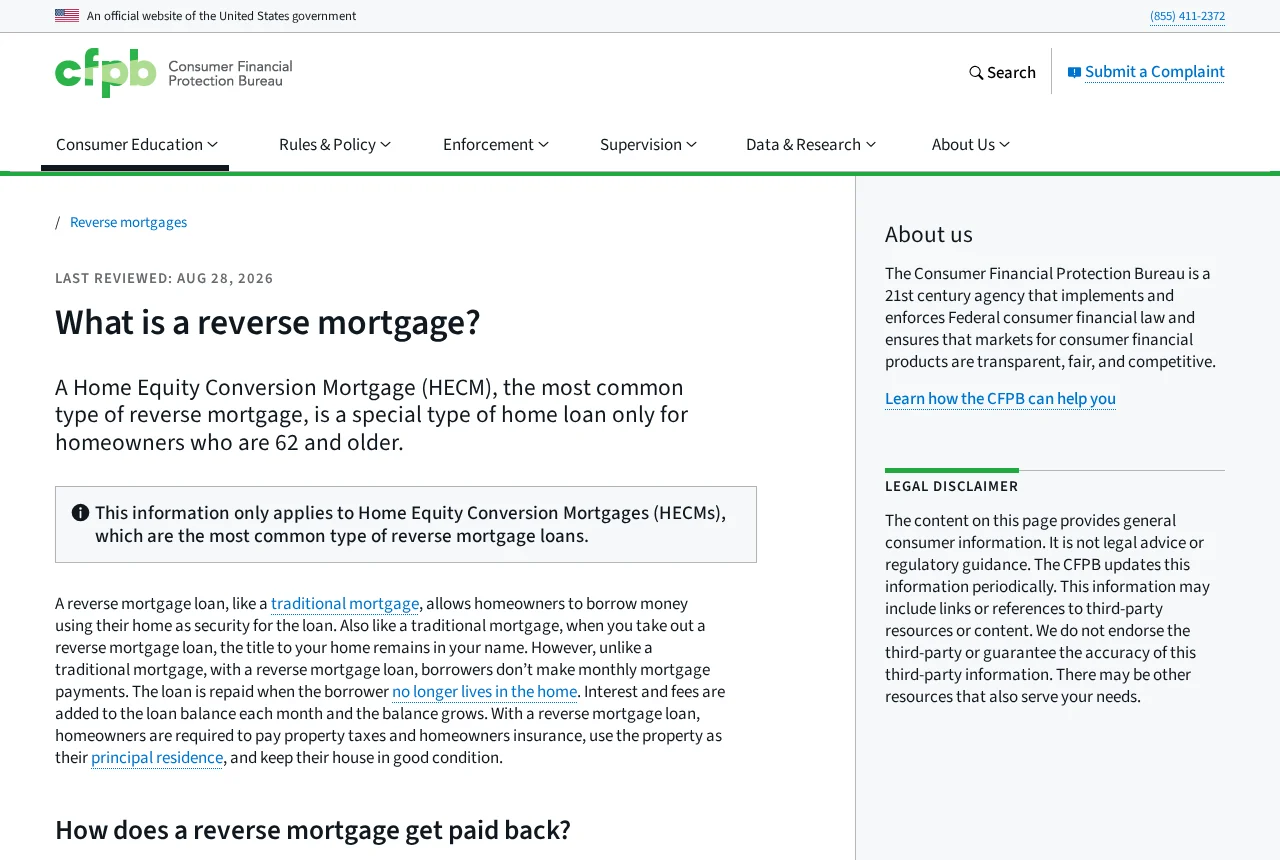
For US homeowners, a Home Equity Conversion Mortgage, or HECM, is a type of federally insured reverse mortgage for eligible homeowners aged 62 or older.
That description doesn’t authenticate a caller. Someone can use the name of a real program while offering a loan that doesn’t belong to it.
Before you consider the offer, separate these records
- Obtain a written repair estimate with the scope, price, payment schedule and contractor named separately.
- Ask for the lender’s name, loan terms and a clear account of fees, interest and responsibilities.
- Check who’s receiving the money, who can give instructions on your behalf, and whether the paperwork says the same thing you were told.
If someone won’t let you take the documents away for an independent review, don’t sign. A home repair should not depend on accepting financing you haven’t understood.
Where the Pressure Usually Shows Up
The contractor bundles the sale and the financing
A real repair may be needed. The risk is assuming the person who found the problem has the right to pick your financing and collect the proceeds.
Ask for a quote you can compare without applying for credit. If the price changes depending on whether you borrow from their contact, ask why.
Get another opinion on the repairs. A separate contractor can tell you whether the work is needed and what it would cost without the financing arrangement.
Keep the contractor’s payment instructions separate from the lender’s. Don’t agree to send the full proceeds to someone just because they made the introduction.
A relative or helper wants to control the money
Someone close to the homeowner may have useful advice. That doesn’t mean they should have the only copy of the papers or handle all the conversations.
Be careful if a helper says you should borrow so they can use part of the money. Ask whether you would consider the loan if they weren’t involved.
If you are supporting somebody else, make sure the homeowner can speak privately with the counselor. Let them describe what they want without the person requesting funds present.
A family argument is not proof of fraud, and a family relationship is not consent. The homeowner needs room to decide whom to trust and what to authorize.
If you think someone is coercing a homeowner, seek independent advice. Don’t make a joint meeting with the person exerting pressure your only option.
An official-sounding offer leaves out an important obligation
A reverse mortgage may not require the regular principal and interest payments people expect from a conventional home loan.
That doesn’t mean there are no costs. Depending on the loan, you may still need to pay property taxes and insurance, maintain the home and meet occupancy requirements.
Interest and fees can increase what you owe. Ask the lender and counselor to show how the balance and remaining equity can change.
A promise that the government will simply give you the cash isn’t a loan explanation. Find out what is secured by the home and when repayment becomes due.
If the offer names the VA, go to the real agency or independent counselor rather than trusting the pitch. Federal insurance and VA approval are not interchangeable claims.
Verify the Lender and the Paperwork Separately
Find the lender through a route you choose
Ask which business is making the loan, which person is working with you and who will service it if you proceed.
Look up the relevant licensing or approval through an official route. HUD’s HECM information explains where to check FHA-approved lenders and find counselors.
A matching business name is a start. If a link, phone number or contact address comes from the person selling the deal, check it through a separate route.
Ask the verified lender whether an application exists and which channel it uses to send documents. Don’t give your Social Security number to an unverified caller to ask.
If a real lender has no record of the person or offer, preserve the details and stop dealing with the intermediary.
Read the form for the part you weren’t expecting
Review the names, property and purpose on each document. A paper presented as a receipt may actually authorize something different.
Never leave fields blank for someone to fill in after you sign. Ask for clean copies if figures or names are missing.
Be especially careful if anyone asks to change ownership, sign broad authority, or add an unfamiliar recipient for the money. Get separate legal advice.
If more than one person owns or occupies the home, ask how the proposed loan affects them. Have the counselor explain the exact arrangement.
Find out who would be responsible for keeping up payments such as taxes or insurance. Get answers that match your documents, not just the advertisement.
Ask for numbers you can compare on another day
Take the figures home if you can. Put the loan amount, upfront charges, interest, ongoing expenses and intended use of proceeds on one page.
Ask how much you actually receive after costs and any required payoffs. A headline loan amount isn’t necessarily the amount available for the repairs.
If a salesperson promises a financial product alongside the loan, evaluate it separately. Ask an independent adviser whether there’s any reason to buy both.
Don’t accept pressure to close before hearing a second opinion. The right comparison is between all realistic options, including declining the deal.
Bring Your Questions to Someone Who Doesn’t Get Paid for the Sale
Ask a counselor to explain the consequences, not make the choice
HUD’s housing counseling information explains how participating agencies offer independent guidance. Find one that actually provides reverse mortgage counseling.
Bring the actual papers, your questions and the estimate that started the conversation. Ask how the loan would affect the situation you are trying to solve.
You may want to know how proceeds are paid, what happens if you move, and how a spouse or another occupant could be affected.
If the counselor explains a limitation, ask what it means for you before signing. Completing counseling is not an accusation or an endorsement.
A helpful counselor can describe options other than borrowing. Ask what public programs, payment plans or less extensive repairs are worth exploring.
Don’t let a repair deadline decide what happens to your home
If a repair really is urgent, find out which temporary measure would address the immediate hazard. That gives you time to assess longer-term financing.
A deadline that comes only from a salesperson doesn’t need to decide when you sign a loan. Ask the contractor to put the reason in writing.
When a proposal changes late, compare it with the earlier version. Ask who made the change and who benefits from it.
If you cannot explain why the loan is needed and how you will meet its obligations, putting it on hold is a reasonable answer.
Separate the Repair Bill From the Claim on Your Home
Two papers can describe different things
Look for one document that explains the job and another that sets out the financing. A kitchen estimate shouldn’t be your only record of what you’re borrowing.
The repair estimate should tell you what gets replaced, who does the work, and when payments are due. Your financing papers should tell you what the lender can collect.
If the contractor puts a stack of signature pages in front of you, ask for complete copies. A signature page alone won’t tell a counselor what you agreed to.
Compare the contractor’s price to an independent estimate for the same work. If the estimates cover different work, ask both contractors to spell out the difference before comparing totals.
Find out who can authorize a payment
Ask the lender to show you where disbursement instructions are recorded and how you can change them. This is separate from how the contractor expects to get paid.
A relative offering to sort the mail doesn’t need control of the proceeds. If you want help, have the lender explain which permissions would let that person act.
If you did authorize someone to help, bring the paperwork to your counselor or adviser. Ask them to distinguish looking at statements from making decisions on your behalf.
Keep a private line to the lender and counselor
Choose an email address and phone you can access without the salesperson. Review who gets copies of documents so you can see changes before they reach a signing table.
If a family member is exerting pressure, say so before a joint meeting. A conversation alone gives you room to ask questions without negotiating with them in real time.
Write down questions you can’t yet answer, including how long you plan to stay and who else lives there. Bring the questions along with the offer.
When two people give different explanations, don’t try to reconcile them by signing. Have an independent person show you which answer the documents support.
Pay particular attention to dates for a closing or disbursement. If you need help stopping the transaction, show the counselor those dates first so nothing important gets missed.
Keep the original paperwork even if the offer changes. The dates and names can tell a lawyer or regulator which party said what and when.
What to Do If Someone Pressured You Into a Reverse Mortgage
- Pause any signature or payment you still control. Don’t authorize repairs, financing or a transfer solely to meet the salesperson’s timetable.
- Contact the lender independently. Ask whether a loan was submitted, closed, or funded, and whether any disbursement can be held or reviewed.
- Check cancellation rights without waiting. CFPB says most reverse mortgages have a three-business-day rescission right after closing. Confirm your loan’s deadline and written notice instructions promptly.
- Save the documents and timeline. Keep signed forms, texts, messages, repair bids and payment references. Don’t hand your only copy back to the salesperson.
- Speak with an independent counselor or lawyer. If the deadline may have passed, seek legal help promptly rather than assuming nothing can be done.
- Contact the bank if money was sent or an account was exposed. Explain which transaction moved and ask what steps apply to it.
- Report suspected exploitation. Use the appropriate government fraud or elder-protection route in your area. If identity data was misused, follow a separate identity recovery plan.
If you disagree about whether a notice arrived on time, keep proof of how and when you sent it. Ask a qualified adviser about the exact paperwork.
An unfamiliar entry on your credit report may point to an application you never authorized. Contact the listed lender through its known channel and ask what was filed.
If you are helping a family member, avoid taking over their finances without permission. Help them secure records and reach a qualified person who can speak privately.
Frequently Asked Questions
Is every reverse mortgage a scam?
No. It can be a legitimate loan. Pressure, false official claims, misuse of proceeds or documents you didn’t knowingly authorize are different matters.
Can a contractor make me use their lender?
Don’t accept a loan because a contractor says it’s the only way to hire them. Get another estimate and discuss independent options before deciding.
Does no monthly mortgage payment mean the home has no expenses?
No. Loan terms may require you to pay property taxes and insurance and maintain the home. Ask the lender and counselor which obligations apply.
Is a VA-branded reverse mortgage offer necessarily legitimate?
No. CFPB says the VA doesn’t offer reverse mortgages. Don’t trust an ad claiming VA approval without checking the facts independently.
What if someone already has my loan proceeds?
Contact the lender and bank immediately. Preserve the records and ask what can still be stopped. Talk to independent legal help about your options.
Can I cancel if I just signed?
Many reverse mortgages have a short cancellation period. Confirm the right, deadline and required notice for your loan immediately, ideally with independent help.
The Bottom Line
Don’t agree to a reverse mortgage on a contractor’s, relative’s or unsolicited caller’s say-so. Verify the lender and get independent advice before signing or letting anyone redirect the proceeds.
If you’ve already signed, call the verified lender today and check whether payments can be stopped and whether a cancellation deadline applies.

Join the discussion
0 commentsShare your experience or ask a question about this article.
Discussion
Start the conversation
Have a question or something useful to share? Add the first comment.