

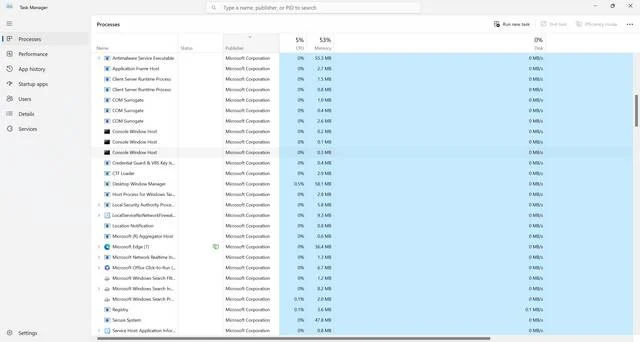
If you are a Samsung SSD user, you may have come across a process called SamsungMagician.exe in your Windows Task Manager. This article aims to provide you with a detailed understanding of what SamsungMagician.exe is, whether you should remove it, and whether it poses any security risks as malware.
What is SamsungMagician.exe?
SamsungMagician.exe is an executable file associated with Samsung Magician, a software utility developed by Samsung Electronics for managing and optimizing Samsung SSDs (Solid State Drives). Samsung Magician provides users with various features and tools to monitor and enhance the performance of their Samsung SSDs.
Some of the key features offered by Samsung Magician include:
- Drive health monitoring: Samsung Magician allows users to monitor the health status of their Samsung SSDs, including temperature, wear level, and lifespan estimation.
- Performance optimization: The software provides optimization options to improve the performance of Samsung SSDs, such as enabling Rapid Mode, which utilizes system memory as a cache for faster data access.
- Firmware updates: Samsung Magician enables users to easily update the firmware of their Samsung SSDs to ensure they have the latest features and bug fixes.
- Data security: The software offers features like Secure Erase and Over Provisioning to enhance data security and improve the lifespan of the SSD.
Overall, SamsungMagician.exe is a legitimate and essential component of Samsung Magician, designed to enhance the functionality and performance of Samsung SSDs.
Should I Remove SamsungMagician.exe?
Whether you should remove SamsungMagician.exe depends on your specific needs and preferences. Here are a few factors to consider:
1. If you own a Samsung SSD:
If you own a Samsung SSD and want to take full advantage of its features and performance, it is recommended to keep Samsung Magician and SamsungMagician.exe installed. The software provides valuable tools and optimizations that can enhance the lifespan and performance of your Samsung SSD.
2. If you don’t own a Samsung SSD:
If you don’t own a Samsung SSD, SamsungMagician.exe is not necessary for your system. You can safely remove it without affecting the functionality of your computer. However, it is always a good practice to uninstall any software or processes that you don’t use to keep your system clutter-free.
3. Performance impact:
Some users may be concerned about the performance impact of SamsungMagician.exe running in the background. While it is true that any running process consumes system resources, the impact of SamsungMagician.exe on system performance is generally minimal. The benefits provided by Samsung Magician often outweigh the negligible resource usage.
Ultimately, the decision to remove SamsungMagician.exe should be based on your specific requirements and preferences. If you own a Samsung SSD and want to utilize the features and optimizations offered by Samsung Magician, it is recommended to keep it installed. Otherwise, you can safely remove it to declutter your system.
Is SamsungMagician.exe Malware?
SamsungMagician.exe is not malware. It is a legitimate executable file associated with Samsung Magician, developed by Samsung Electronics. However, it is important to note that malware can sometimes disguise itself as legitimate processes to avoid detection.
If you suspect that SamsungMagician.exe or any other process on your system may be malware, it is crucial to perform a thorough scan using reliable antivirus software. We recommend using Malwarebytes Free, a trusted antivirus tool known for its effectiveness in detecting and removing malware.
Running a scan with Malwarebytes Free can help identify and eliminate any potential malware threats, ensuring the security and integrity of your system.
Summary
SamsungMagician.exe is an executable file associated with Samsung Magician, a software utility for managing and optimizing Samsung SSDs. It provides users with various features to monitor drive health, optimize performance, update firmware, and enhance data security.
Whether you should remove SamsungMagician.exe depends on your specific needs and preferences. If you own a Samsung SSD, it is recommended to keep Samsung Magician installed to take advantage of its features. If you don’t own a Samsung SSD, you can safely remove SamsungMagician.exe without affecting your system’s functionality.
It is important to note that SamsungMagician.exe is not malware. However, if you suspect any process on your system to be malware, it is advisable to perform a scan using reliable antivirus software like Malwarebytes Free to ensure the security of your system.
By understanding what SamsungMagician.exe is and making an informed decision about its removal, you can optimize your system’s performance and ensure the security of your Samsung SSD.

Join the discussion
0 commentsShare your experience or ask a question about this article.
Discussion
Start the conversation
Have a question or something useful to share? Add the first comment.