

Online scams have become increasingly sophisticated in recent years, with scammers constantly finding new ways to deceive unsuspecting victims. One such scam that has been targeting Santander bank customers is the ‘New Online Banking Authentication’ phishing scam. This article aims to provide a detailed overview of the scam, how it works, what to do if you have fallen victim, and other relevant information to help readers stay safe online.
What is the Santander ‘New Online Banking Authentication’ Phishing Scam?
The Santander ‘New Online Banking Authentication’ phishing scam is an attempt by cybercriminals to trick Santander bank customers into revealing their personal and financial information. The scam typically starts with an email or text message that appears to be from Santander, informing the recipient that they need to update their online banking authentication details due to a security upgrade.
The message often includes the Santander logo and may appear very convincing, making it difficult for recipients to distinguish it from a legitimate communication from the bank. The scammers use social engineering techniques to create a sense of urgency and fear, prompting victims to take immediate action.
How Does the Scam Work?
Once a victim clicks on the link provided in the email or text message, they are directed to a fake website that closely resembles the Santander online banking portal. The website is designed to trick victims into entering their login credentials, personal information, and even their card details.
Unbeknownst to the victim, the scammers capture all the information entered on the fake website, which they can then use to gain unauthorized access to the victim’s bank account or commit identity theft.
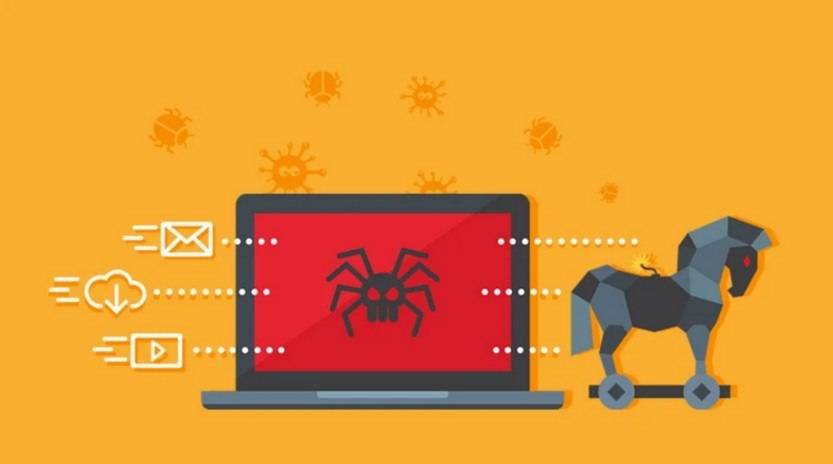
The scammers may also use other tactics, such as requesting victims to download a file or click on a link that installs malware on their device. This malware can then be used to monitor the victim’s online activities, steal sensitive information, or even take control of their device.
What to Do If You Have Fallen Victim
Discovering that you have fallen victim to the Santander ‘New Online Banking Authentication’ phishing scam can be distressing, but it is important to take immediate action to minimize the damage.
- Contact Santander: Inform Santander about the scam by calling their official customer service number. They will guide you on the necessary steps to secure your account and prevent any unauthorized transactions.
- Change Your Password: If you have entered your login credentials on the fake website, change your Santander online banking password immediately. Choose a strong, unique password that is not used for any other accounts.
- Scan for Malware: Run a scan with Malwarebytes Free or any reputable antivirus software to check for any malware that may have been installed on your device.
- Monitor Your Accounts: Regularly monitor your bank accounts and credit reports for any suspicious activity. Report any unauthorized transactions or signs of identity theft to Santander and the relevant authorities.
- Educate Yourself: Learn about common phishing scams and how to identify them. Be cautious of any unsolicited emails or text messages asking for personal or financial information.
Protecting Yourself from Phishing Scams
Phishing scams can be difficult to detect, but there are several measures you can take to protect yourself:
- Be skeptical of unsolicited emails or text messages asking for personal or financial information.
- Double-check the sender’s email address or phone number to ensure it is legitimate.
- Hover over links before clicking on them to see the actual URL they lead to.
- Keep your devices and antivirus software up to date.
- Enable two-factor authentication for your online accounts whenever possible.
Summary
The Santander ‘New Online Banking Authentication’ phishing scam is a deceptive scheme aimed at tricking Santander bank customers into revealing their personal and financial information. The scammers use social engineering techniques to create a sense of urgency and fear, prompting victims to click on a link that leads to a fake website designed to capture their login credentials and other sensitive data.
If you have fallen victim to this scam, it is crucial to contact Santander immediately, change your password, scan for malware, and monitor your accounts for any suspicious activity. Educating yourself about phishing scams and taking preventive measures can help protect you from falling victim to such scams in the future.

Join the discussion
0 commentsShare your experience or ask a question about this article.
Discussion
Start the conversation
Have a question or something useful to share? Add the first comment.