

Seokore.com markets itself as a cryptocurrency investment platform that provides impressive daily returns through automated trading bots. However, behind the flashy website and persuasive social media marketing lurks an insidious crypto scam designed to steal funds from unaware victims.
This article will provide a comprehensive overview of the Seokore crypto scam, explaining how it works, why it is so effective, and most importantly, what you should do if you have fallen prey to this deceptive scheme. Forewarned is forearmed when it comes to this and other crypto scams.
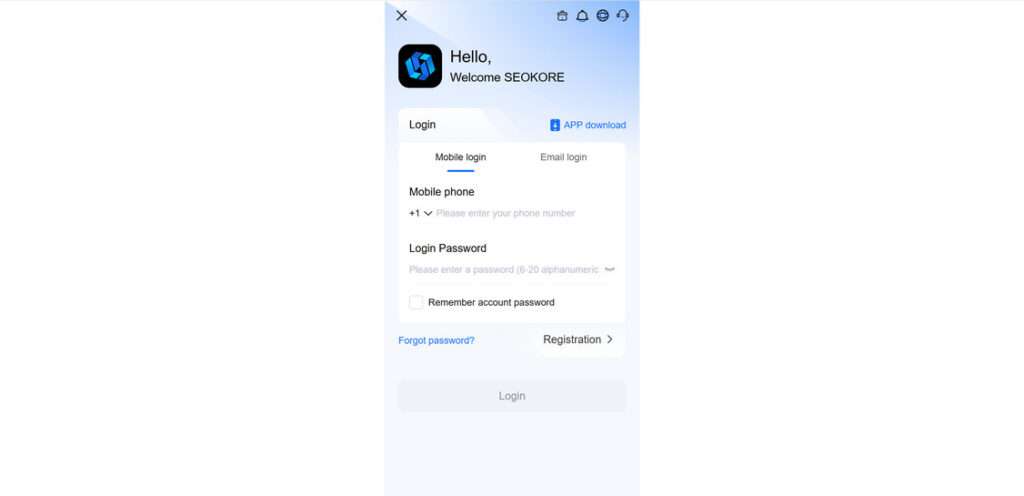
Overview of the Seokore.com Scam
Seokore.com promotes itself as a cryptocurrency investment platform that generates returns of 2% to 3% per day through automated trading bots. The company claims these bots execute sophisticated algorithmic trading strategies across multiple cryptocurrency exchanges to produce consistent profits.
New members are enticed to invest anywhere from 50 USDT to 5000 USDT, with promises of earning up to 90% returns per month. The premise seems believable – cryptocurrencies are volatile, and algorithmic trading between exchanges can be profitable.
However, Seokore.com has all the hallmarks of a crypto investment scam. There is no verifiable evidence that real automated trading takes place. Company executives remain anonymous, with no proven track record in trading or finance. The promised returns are unrealistic and unsustainable for any legitimate investment platform.
Most disturbingly, Seokore.com utilizes deceptive marketing tactics, fake social media profiles, and referrals to perpetuate the scam. Unknowing victims are manipulated into investing more and more funds until the scheme finally collapses, and the operators disappear with all money deposited.
How the Seokore Crypto Scam Works
Seokore.com relies on four primary strategies to spread its scam and convince victims to invest:
1. Slick Social Media Marketing
The scammers behind Seokore.com run fake profiles and purchase ads across platforms like Facebook, Instagram, and TikTok. These polished marketing materials tout impressive earnings through crypto investing on Seokore.com’s platform.
Targets are enticed by images showing expensive cars, luxury vacations, and large account balances – all purportedly earned through Seokore.com. In reality, these are stock images and stolen photos used to perpetuate the scam.
2. Direct Outreach to Crypto Enthusiasts
The Seokore.com scammers identify potential targets already active in cryptocurrency spaces across social media. They reach out directly through platforms like Telegram, posing as successful crypto traders affiliated with Seokore.com.
These fake traders “help” guide the target through the process of opening a Seokore.com account and making an initial investment. This direct communication builds trust and makes the scam seem more legitimate.
3. Referrals and Pyramid Structure
Seokore.com utilizes a pyramid recruitment structure, incentivizing existing victims to refer new members. Referrers receive small kickbacks on any funds invested by those they referred.
This grows the scam exponentially, as early victims are essentially turned into unwitting recruiters. Their referrals lend false credibility when encouraging friends to invest in the scheme as well.
4. Pig Butchering Scam Crossover
Many Seokore.com scammers first utilize the “pig butchering” crypto scam to establish relationships with targets. In this scam, criminals pose as an attractive stranger online and build emotional connections with targets over weeks or months.
They then convince their target to invest in a fake platform like Seokore.com, having groomed the target to trust their guidance. This further enables large investments into the scam.
What To Do if You Are a Victim
If you have fallen prey to the Seokore.com scam and invested funds, take the following steps immediately:
1. Cease All Contact with Scammers
Cut off all contact with any emails, phone numbers, or social media accounts affiliated with Seokore.com. The scammers may try to convince you to invest even more money with promises of returns or penalties. Do not communicate further or provide additional info.
2. Report Seokore.com Accounts and Pages
Report Seokore.com’s website, social media pages, and any other online presence to the respective platforms. The more reports these scam accounts receive, the quicker they will be removed to prevent further victims.
3. Contact Banks and Payment Providers
If you invested money via credit card, bank account, or payment apps, contact these providers immediately. Reporting fraudulent transactions can increase the chances of freezing or reversing the transfers.
4. Report the Scam to Authorities
File reports with agencies like the FBI’s Internet Crime Complaint Center (IC3), Federal Trade Commission, and state attorneys general. These reports help authorities track and shut down crypto investment scams.
5. Join Support Groups for Crypto Scam Victims
Seeking emotional support and sharing intelligence with other scam victims can help deal with losses and prevent further victimization. Groups on Telegram, Reddit, and Facebook provide community and healing.
The Bottom Line
Seokore.com utilizes deceptive marketing, referrals, emotional manipulation, and more to perpetuate an insidious crypto investment scam. Awareness of its strategies and immediate action if victimized are critical to avoid or mitigate losses.
With cryptocurrency adoption increasing, similar crypto scams will only proliferate. But an informed community, proactive reporting, and authorities collaborating globally can help mitigate the damage inflicted by these deplorable schemes.








