

The “Serena Williams Gelatin Trick” is being pushed through weight loss ads that promise a simple gelatin recipe, fast results, and a shortcut that supposedly works without dieting or exercise.
The videos look convincing at first because they use familiar celebrity names, AI-style voiceovers, and long “secret recipe” presentations that feel like real interviews.
But the pattern is familiar: a fake celebrity hook, a recipe that never really appears, and a supplement pitch for gummies, pills, or drops that may lead to overpriced bottles and unwanted charges.

Scam Overview
The Serena Williams gelatin trick scam is not really about gelatin.
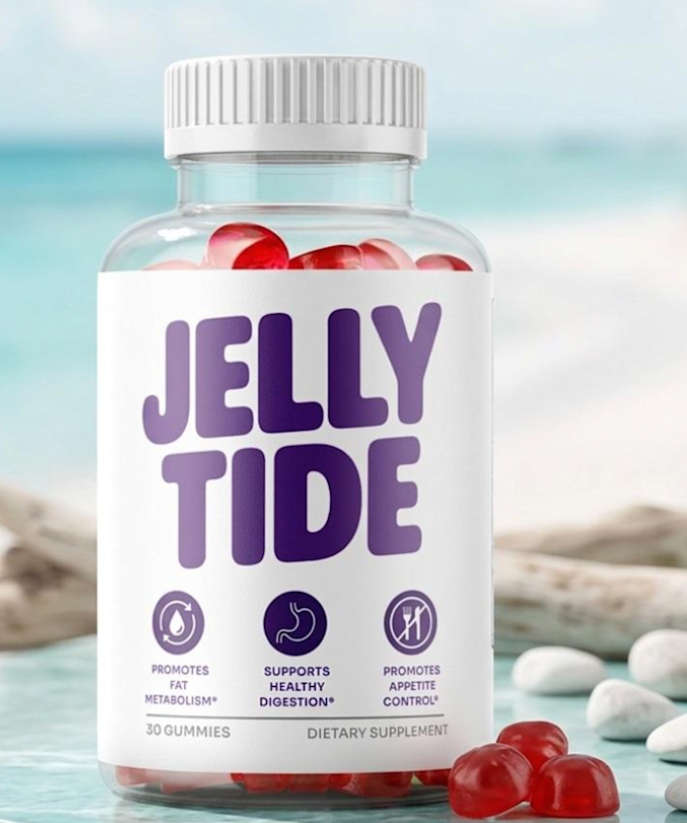
It is a weight loss supplement funnel that uses a trendy “recipe” to hold attention long enough to sell a product. The product name may change, but one name currently tied to this style of campaign is Jelly Lean Gummies.
The ad usually claims that eating a cube of a special gelatin mixture once a day can help the body enter fat-burning mode. Some versions mention GLP-1, GIP, hormones, collagen, metabolism, or “stubborn belly fat” to make the pitch sound modern and scientific.
That is the hook.
The problem is that the ad takes real health words and turns them into a fake shortcut.
Gelatin and collagen are normal dietary proteins. They do not magically trigger extreme fat loss. They do not replace real medical treatment. They do not work like prescription weight loss medications. And they do not allow people to lose weight without meaningful changes to diet, activity, health habits, or medical care when needed.

The celebrity videos are the trust trap
The most deceptive part of this campaign is the fake celebrity framing.
Some videos make it look like Serena Williams, Jillian Michaels, Kelly Clarkson, or other well-known figures are discussing the gelatin trick or a related product. The goal is obvious: if a viewer recognizes the person, they are more likely to trust the claim.
But these endorsements should not be trusted.
AI-generated celebrity scams are now common, and the FTC has warned that fake endorsement videos can use doctored audio and video that seem real.
Jillian Michaels has also publicly warned that AI-generated scams are using her name and likeness to push fake or random products.
Kelly Clarkson has also been targeted in weight loss deepfake-style scams, with consumer alerts warning that fake videos have been used to make it look like she is selling gummies.
So if an ad appears to show Serena Williams or another public figure promoting a gelatin recipe or weight loss gummy, do not treat that as proof. Treat it as a warning sign.
The “recipe” is usually bait
A legitimate recipe would be simple.
It would include:
- ingredients
- measurements
- preparation steps
- timing
- realistic expectations
- safety notes
The gelatin trick videos usually do something else.
They drag the viewer through a long story, repeat that the “secret” is coming, and build suspense around the recipe. But the recipe is often vague, incomplete, or never truly delivered.
That is not accidental.
The recipe is used to keep people watching. Once the viewer has spent several minutes listening, the page slowly shifts toward the real goal: selling gummies, pills, drops, or a “special formula.”
This is the bait-and-switch.
You click for a recipe.
You are sold a supplement.

Why GLP-1 and GIP are mentioned
Many of these ads mention GLP-1 and GIP because those terms are now widely associated with modern weight loss medications.
That does not mean the product works like those medications.
Scam funnels often borrow medical vocabulary to make ordinary supplements sound advanced. A gummy or gelatin cube can be marketed as if it “activates” hormones or mimics prescription treatments, but that does not make the claim true.
This is one of the biggest red flags in the Serena Williams gelatin trick scam.
If the ad compares a kitchen recipe or gummy to real medical treatment without strong evidence, it is using science language as sales decoration.
The product name may change
Jelly Lean Gummies may appear in some versions, but this campaign style is not limited to one brand.
The same structure can promote:
- gummies
- drops
- capsules
- collagen formulas
- metabolism pills
- “natural GLP-1” products
- keto-style supplements
When one product gets complaints, a new label can appear with the same video style and the same claims.
That is why the pattern matters more than the bottle.
The real risk is often the checkout
Many people focus only on whether the product works.
But the financial risk can be just as important.
These supplement funnels may include:
- multi-bottle bundles
- confusing upsells
- pre-selected quantities
- “free bottle” language that increases the total
- hidden shipping fees
- refill or autoship subscriptions
- refund policies that are hard to use
Some buyers report that they ordered one thing and were charged for more. Others discover recurring charges later.
This is common in scam-style supplement funnels. The purchase process is fast and emotional. The cancellation process is slow and frustrating.
How The Scam Works
Step 1: A short video grabs attention
The scam usually starts with a video ad on YouTube, Facebook, Instagram, TikTok, or another platform.
The ad may say something like:
- “Serena Williams’ gelatin trick”
- “Jillian Michaels reveals the gelatin recipe”
- “Eat one cube daily”
- “No diet or exercise needed”
- “This activates GLP-1 naturally”
- “Watch before this gets removed”
The goal is not to explain. The goal is to interrupt your scrolling and make you click.
Step 2: A celebrity name creates trust
The ad uses Serena Williams’ name, image, or implied connection to make the claim feel legitimate.
Other versions use Jillian Michaels, Kelly Clarkson, Oprah, Dr. Oz, or Shark Tank-style claims.
This is borrowed credibility.
The endorsement does not need to be real. It only needs to feel real long enough for the viewer to keep watching.
Step 3: The video creates a fake discovery story
Once you click, the page may present a long video.
It often claims that normal weight loss advice is outdated and that a hidden recipe can unlock fat burning.
The video may mention:
- GLP-1
- GIP
- collagen
- gelatin
- appetite hormones
- metabolism reset
- fat-burning mode
- stubborn belly fat
The language sounds scientific, but the structure is still a sales script.
Step 4: The recipe keeps getting delayed
This is the part many people miss.
The video promises a simple recipe, but keeps pushing the reveal later.
It may say:
- “watch until the end”
- “first you need to understand why this works”
- “do not try this until you know the correct method”
- “this information may be removed soon”
That delay is intentional.
If the page gave the recipe immediately, many viewers would leave. The funnel needs them to stay until the product appears.
Step 5: The supplement becomes the “real” answer
Eventually, the pitch changes.
The video may say the gelatin trick works best with a specific gummy, pill, or formula. It may claim the product contains concentrated ingredients or activates the same effect more strongly.
This is where Jelly Lean Gummies or a similar supplement may appear.
At that point, the campaign is no longer about a recipe.
It is about selling bottles.
Step 6: The offer page uses urgency
The sales page may show:
- countdown timers
- “limited stock” warnings
- “today only” discounts
- recent purchase popups
- “people watching now” counters
These are pressure tools.
They are designed to stop you from searching for reviews, checking the celebrity claim, or reading the terms.
Step 7: Bundles increase the order size
Most supplement funnels push larger packages.
You may see:
- 1 bottle at a high price
- 3 bottles as the popular option
- 6 bottles as the best value
The larger bundle is made to look like the smart choice.
But if the ad uses fake endorsements or exaggerated claims, buying more only increases the risk.
Step 8: Checkout can create billing surprises
The checkout may include upsells, hidden fees, or refill terms.
Common issues include:
- accidentally buying more bottles than intended
- being charged a higher amount than expected
- accepting an upsell without realizing it
- being enrolled in a recurring refill plan
- finding a merchant name on the card statement that does not match the product
This is why screenshots matter.
If you bought, document everything quickly.
What To Do If You Bought From This Scam
1) Save all evidence
Take screenshots of:
- the ad
- the video page
- the product page
- the checkout total
- the terms and conditions
- your confirmation email
- your bank or card statement
These pages often change or disappear.
2) Check what you were charged
Compare the advertised price with your statement.
Look for:
- higher totals
- duplicate charges
- hidden shipping
- split charges
- unfamiliar merchant names
3) Search for subscription terms
Check your emails and order terms for:
- autoship
- subscription
- refill
- monthly
- continuity
- membership
- next shipment
If you find these words, act quickly.
4) Cancel in writing
Email the seller and clearly state:
- your full name
- the email used for purchase
- your order number
- cancel any subscription
- stop all future charges
- send written confirmation
Keep the email as proof.
5) Contact your card issuer
If the charge is wrong or you see repeat billing, contact your bank or credit card provider.
Ask about:
- disputing the charge
- blocking future charges
- replacing the card if needed
- documenting the transaction as deceptive
6) Stop using the product if you feel unwell
Weight loss supplements sold through deceptive ads can be risky, especially if the ingredients are unclear.
The FDA warns that many weight loss products marketed as supplements may contain hidden ingredients and can pose serious health risks.
If you feel unwell, stop using the product and seek medical guidance.
7) Report the ad
Report the ad on the platform where you saw it.
Use categories like:
- scam
- fake celebrity endorsement
- impersonation
- misleading health claim
- AI-generated deception
The Bottom Line
The Serena Williams gelatin trick for weight loss is not a trustworthy health breakthrough.
It is usually a scam-style supplement funnel built around fake celebrity credibility, AI-manipulated videos, exaggerated GLP-1 claims, and a recipe that never truly exists.
Jillian Michaels has warned that AI scams are using her likeness, and consumer agencies have warned that fake celebrity endorsement videos are now a major scam tactic.
If you already bought Jelly Lean Gummies or another product through one of these ads, focus on protection now: save evidence, cancel in writing, monitor your card statement, and contact your bank if anything looks deceptive.
FAQ
What is the Serena Williams Gelatin Trick scam?
It is a weight loss supplement funnel that falsely connects Serena Williams to a “gelatin trick” or “gelatin recipe” for rapid fat loss. The goal is usually to push gummies, pills, drops, or similar supplements.
Did Serena Williams endorse Jelly Lean Gummies or the gelatin trick?
No credible evidence shows Serena Williams endorsed Jelly Lean Gummies, a gelatin recipe, or any weight loss supplement connected to these ads.
Are the Serena Williams videos real?
Many of these videos appear to use AI-generated or manipulated celebrity footage. The voice, facial movements, and wording may be altered to make it look like a real endorsement.
Are Jillian Michaels and Kelly Clarkson connected to this scam too?
Their names and likenesses are also commonly used in fake weight loss ads. These celebrity clips are often manipulated and should not be treated as real endorsements.
Does the gelatin trick actually work for weight loss?
No gelatin recipe has been proven to cause rapid fat loss or replace real weight loss treatment. Claims about “fat-burning mode” or effortless results are major red flags.
Why do the ads mention GLP-1 and GIP?
They use modern medical terms to make the product sound scientific. Mentioning GLP-1 or GIP does not mean the supplement works like prescription weight loss medication.
What is Jelly Lean Gummies?
Jelly Lean Gummies is one product name that may appear in these gelatin trick ads. The product name can change, but the funnel usually stays the same.
Why does the video never clearly give the recipe?
Because the recipe is bait. The video keeps viewers watching, then slowly redirects them toward buying a supplement.
What are the biggest red flags?
Fake celebrity endorsements, AI-style videos, “no diet or exercise” claims, GLP-1 buzzwords, long videos that delay the recipe, countdown timers, and multi-bottle checkout offers.
What should I do if I already bought?
Save screenshots and receipts, check for subscription terms, cancel in writing, monitor your card statement, and contact your bank if charges look wrong or repeat billing appears.








