

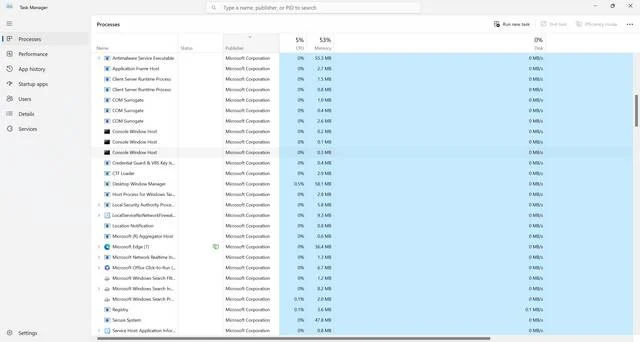
When you open the Task Manager on your Windows computer, you may notice a process called “Service Host: Shell Hardware Detection” running in the background. This process, also known as “ShellHWDetection.exe,” is responsible for detecting and managing hardware devices connected to your computer. In this article, we will explore why this process is running in Task Manager and its significance in the overall functioning of your system.
What is the Shell Hardware Detection Process?
The Shell Hardware Detection process is a crucial component of the Windows operating system. It is responsible for detecting and managing hardware devices such as USB drives, external hard drives, printers, and other peripherals connected to your computer. When you plug in a new device, the Shell Hardware Detection process detects it and initiates the necessary actions to make it usable.
This process plays a vital role in ensuring that your computer recognizes and interacts with hardware devices seamlessly. Without it, you may encounter issues such as devices not being detected, drivers not installing automatically, or the inability to access files on external storage devices.
Why is the Shell Hardware Detection Process Running in Task Manager?
Seeing the Shell Hardware Detection process running in Task Manager is completely normal and expected. It is a system process that starts automatically when you boot up your computer. Its presence in Task Manager indicates that it is actively monitoring and managing hardware devices connected to your system.
While the process itself is not harmful, it is worth noting that malware or viruses can sometimes disguise themselves as legitimate system processes. Therefore, if you notice any suspicious behavior or experience performance issues, it is recommended to scan your computer for malware using a reliable antivirus software like Malwarebytes Free.
How Does the Shell Hardware Detection Process Work?
The Shell Hardware Detection process works by constantly monitoring the hardware devices connected to your computer. When you plug in a new device, it sends a notification to the operating system, which triggers the necessary actions to make the device usable.
Here is a step-by-step breakdown of how the process works:
- The process starts when you boot up your computer.
- It continuously scans for changes in the hardware configuration.
- When a new device is connected, it detects the device and sends a notification to the operating system.
- The operating system then searches for the appropriate drivers for the device.
- If the drivers are found, they are installed automatically.
- The device is now ready to be used by the user.
This seamless detection and installation process ensures that you can easily connect and use various hardware devices without the need for manual intervention.
The Significance of the Shell Hardware Detection Process
The Shell Hardware Detection process is essential for the smooth functioning of your computer’s hardware devices. Here are some key reasons why it is significant:
- Automatic driver installation: The process automatically searches for and installs the necessary drivers for newly connected devices. This eliminates the need for manual driver installation, saving time and effort.
- Device recognition: The process ensures that your computer recognizes and identifies the connected devices correctly. This allows you to access and use the devices without any compatibility issues.
- Plug-and-play functionality: With the Shell Hardware Detection process, you can simply plug in a device, and it will be ready to use without any additional configuration or setup.
- Improved user experience: By automating the detection and installation of hardware devices, the process enhances the overall user experience by reducing the complexity and technical knowledge required to connect and use peripherals.
Conclusion
The Service Host: Shell Hardware Detection process running in Task Manager is a critical component of the Windows operating system. It ensures that your computer can detect, install drivers for, and manage hardware devices seamlessly. Its presence in Task Manager indicates that it is actively monitoring and managing the hardware connected to your system.
While the process itself is not harmful, it is always recommended to stay vigilant and scan your computer for malware or viruses if you notice any suspicious behavior. Tools like Malwarebytes Free can help you identify and remove any potential threats.
Understanding the role and significance of the Shell Hardware Detection process can help you troubleshoot hardware-related issues and ensure a smooth user experience with your Windows computer.

Join the discussion
0 commentsShare your experience or ask a question about this article.
Discussion
Start the conversation
Have a question or something useful to share? Add the first comment.