

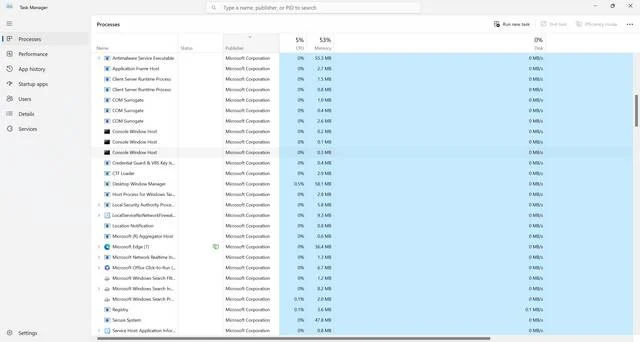
When you open the Task Manager on your Windows computer, you may notice a process called “Service Host: System Event Notification Service” running in the background. This process, also known as SENS, is an essential component of the Windows operating system. In this article, we will explore why the Service Host: System Event Notification Service process is running in Task Manager and its significance in maintaining a stable and secure system.
What is the System Event Notification Service?
The System Event Notification Service (SENS) is a Windows service responsible for managing system events and notifications. It acts as a mediator between applications and the operating system, providing a way for applications to receive notifications about various system events, such as network connectivity changes, power state changes, and user logon/logoff events.
SENS plays a crucial role in enabling applications to respond to these events and adjust their behavior accordingly. For example, when you connect to a Wi-Fi network, SENS notifies the applications running on your computer about the network change, allowing them to update their network-related functionalities.
Why is the Service Host: System Event Notification Service Process Running?
The Service Host: System Event Notification Service process running in Task Manager is a container process that hosts multiple Windows services, including SENS. Microsoft introduced the concept of service hosts to improve system resource management and enhance security.
By grouping related services together, Windows can efficiently allocate system resources and isolate potential issues. If a service within the Service Host process crashes, it won’t affect other services running in the same host. This approach improves system stability and reduces the impact of failures.
SENS is one of the services that run within the Service Host process. Its presence in Task Manager indicates that the system event notification functionality is active and functioning correctly. If you notice high CPU or memory usage by the Service Host: System Event Notification Service process, it could indicate a problem with one of the services running within it.
Common Services Running Within the Service Host: System Event Notification Service Process
The Service Host: System Event Notification Service process can host several services, depending on the specific configuration of your system. Here are some common services that may run within the SENS process:
- Windows Event Log
- Windows Error Reporting Service
- Windows Update
- Windows Defender Antivirus Service
- Windows Firewall
These services are critical for the proper functioning and security of your Windows system. If you encounter any issues with these services, it is recommended to troubleshoot them individually or perform a system scan using a reliable antivirus or anti-malware software.
If you suspect malware or viruses affecting your system, it is crucial to run a thorough scan using a reputable security solution like Malwarebytes Free. Malwarebytes is known for its effectiveness in detecting and removing various types of malware, providing an additional layer of protection for your system.
Conclusion
The Service Host: System Event Notification Service process running in Task Manager is an integral part of the Windows operating system. It hosts essential services responsible for managing system events and notifications, ensuring that applications can respond to changes in the system environment.
By grouping related services within the Service Host process, Windows improves resource management and enhances system stability. If you encounter any issues with the services running within the Service Host: System Event Notification Service process, it is recommended to troubleshoot them individually or perform a system scan using reliable security software like Malwarebytes.
Understanding the role of the Service Host: System Event Notification Service process helps you maintain a stable and secure Windows system, ensuring that your applications can effectively respond to system events and provide a seamless user experience.

Join the discussion
0 commentsShare your experience or ask a question about this article.
Discussion
Start the conversation
Have a question or something useful to share? Add the first comment.