

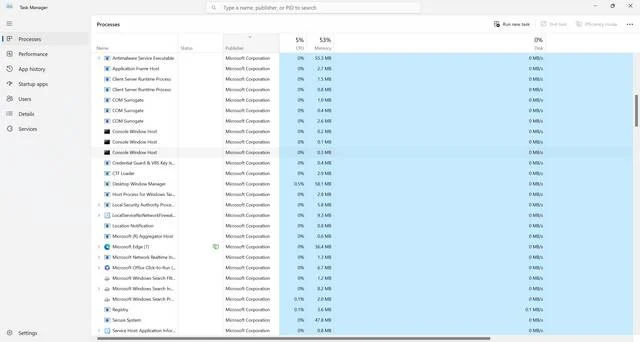
When you open the Task Manager on your Windows computer, you may notice a process called “Service Host: Windows Defender Firewall” running in the background. This process is an essential component of the Windows Defender Firewall, which is a built-in security feature designed to protect your system from unauthorized access and potential threats.
Understanding Windows Defender Firewall
Windows Defender Firewall is a software-based network security system that monitors and controls incoming and outgoing network traffic on your computer. It acts as a barrier between your system and the external network, allowing you to control which applications and services can access the internet.
The primary purpose of the Windows Defender Firewall is to protect your computer from unauthorized access and potential threats, such as malware, viruses, and hackers. It analyzes network traffic and applies predefined rules to determine whether to allow or block specific connections.
The Role of Service Host: Windows Defender Firewall
Service Host: Windows Defender Firewall is the process responsible for managing and controlling the Windows Defender Firewall service. It runs in the background to ensure that the firewall is functioning correctly and providing the necessary protection for your system.
This process is essential for maintaining the security of your computer and preventing unauthorized access to your network. It continuously monitors network traffic, enforces firewall rules, and alerts you about potential threats or suspicious activities.
Why Is It Running in Task Manager?
Seeing the Service Host: Windows Defender Firewall process running in the Task Manager is entirely normal and expected. It indicates that the Windows Defender Firewall service is active and actively protecting your system.
Windows Defender Firewall is a critical component of the Windows operating system, and it is enabled by default. Therefore, the Service Host: Windows Defender Firewall process will always be running in the background, even if you are not actively using the firewall or have installed third-party security software.
It is worth noting that the presence of this process does not necessarily mean that your system is under attack or compromised. Instead, it signifies that your computer is proactively safeguarding itself against potential threats.
Should You Disable the Service Host: Windows Defender Firewall Process?
Disabling the Service Host: Windows Defender Firewall process is not recommended unless you have a valid reason and understand the potential risks involved. The Windows Defender Firewall provides an essential layer of protection for your system, and disabling it can leave your computer vulnerable to various security threats.
However, there may be situations where you need to temporarily disable the firewall, such as when troubleshooting network connectivity issues or when using a different firewall solution. In such cases, it is crucial to re-enable the firewall as soon as the need for disabling it has passed.
Ensuring the Effectiveness of Windows Defender Firewall
While the Service Host: Windows Defender Firewall process is responsible for managing the firewall, it is essential to ensure that the firewall itself is up to date and configured correctly to provide optimal protection.
Here are some tips to ensure the effectiveness of Windows Defender Firewall:
- Keep your operating system and Windows Defender Firewall up to date by installing the latest updates and patches.
- Regularly scan your computer for viruses and malware using reputable security software like Malwarebytes Free.
- Configure the firewall to block incoming and outgoing connections by default and only allow trusted applications and services.
- Review and update firewall rules regularly to reflect changes in your network environment.
- Enable network protection features, such as intrusion prevention and detection systems, to enhance the security of your system.
Conclusion
The Service Host: Windows Defender Firewall process running in the Task Manager is a vital component of the Windows Defender Firewall, which is designed to protect your system from unauthorized access and potential threats. It continuously monitors network traffic, enforces firewall rules, and ensures the security of your computer.
While it is normal to see this process running in the background, it is crucial to keep your Windows Defender Firewall up to date and properly configured to provide optimal protection. Disabling the firewall should only be done temporarily and for valid reasons, as it can leave your system vulnerable to security threats.
By following best practices for network security and regularly updating your firewall settings, you can ensure that your computer remains protected against potential threats and unauthorized access.

Join the discussion
0 commentsShare your experience or ask a question about this article.
Discussion
Start the conversation
Have a question or something useful to share? Add the first comment.