

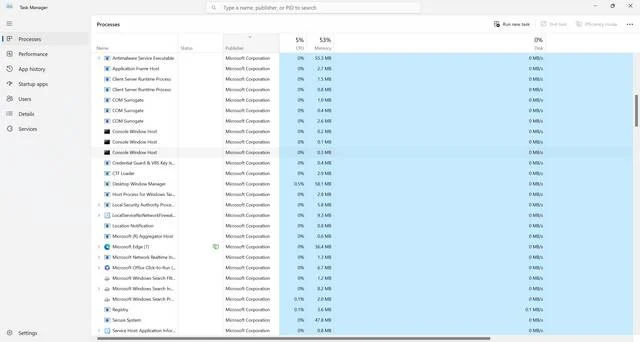
When you open the Task Manager on your Windows computer, you may notice a process called “Service Host: Windows Management Instrumentation” running in the background. This process, also known as “WmiPrvSE.exe,” is an essential component of the Windows operating system. In this article, we will explore why this process is running, its importance, and how it impacts your computer’s performance.
What is the Windows Management Instrumentation (WMI) service?
The Windows Management Instrumentation (WMI) service is a powerful management infrastructure provided by Microsoft for Windows operating systems. It allows administrators and software developers to access and manipulate various system components, settings, and data through a standardized interface.
WMI provides a range of functionalities, including:
- Monitoring system events and performance
- Managing hardware and software inventory
- Controlling system processes and services
- Configuring network settings
- Collecting and analyzing system data
These capabilities make WMI an integral part of many system management tools, such as Microsoft System Center Configuration Manager (SCCM) and Windows PowerShell.
Why is the Service Host: Windows Management Instrumentation process running?
The Service Host: Windows Management Instrumentation process (WmiPrvSE.exe) is responsible for hosting and executing WMI providers. WMI providers are software components that expose management information to the WMI service. They allow WMI to interact with various system resources and provide access to their data and functionalities.
When you see the Service Host: Windows Management Instrumentation process running in the Task Manager, it indicates that one or more applications or system services are utilizing the WMI service to perform management tasks. These tasks can include monitoring system events, retrieving hardware information, or executing administrative commands.
It is important to note that the WMI service is a critical component of the Windows operating system, and many system processes and services rely on it for their proper functioning. Disabling or terminating the Service Host: Windows Management Instrumentation process can lead to system instability and may cause various applications and services to malfunction.
Impact on system performance
The Service Host: Windows Management Instrumentation process is designed to run in the background and should not consume excessive system resources. However, in some cases, you may notice high CPU or memory usage by the WmiPrvSE.exe process, which can impact your computer’s performance.
Several factors can contribute to high resource usage by the WMI service:
- Malware or virus infections: Malicious software can exploit the WMI service to execute unauthorized commands or collect sensitive information. If you suspect malware or virus activity, it is crucial to scan your system with a reliable antivirus solution like Malwarebytes Free to remove any threats.
- Corrupted WMI repository: The WMI service relies on a repository that stores information about system components and their configurations. If the repository becomes corrupted, it can lead to performance issues. You can try rebuilding the WMI repository using the command-line tool “wmic” or by running the “winmgmt /resetrepository” command in an elevated Command Prompt.
- Third-party software conflicts: Certain applications or services may conflict with the WMI service, causing high resource usage. Updating or uninstalling problematic software can help resolve these conflicts.
If you are experiencing persistent high CPU or memory usage by the Service Host: Windows Management Instrumentation process, it is recommended to seek further assistance from Microsoft support or a knowledgeable IT professional.
Conclusion
The Service Host: Windows Management Instrumentation process (WmiPrvSE.exe) is an essential component of the Windows operating system. It hosts and executes WMI providers, allowing various applications and system services to interact with system resources and perform management tasks.
While the WMI service is crucial for system functionality, it should not consume excessive system resources. If you notice high CPU or memory usage by the Service Host: Windows Management Instrumentation process, it is important to investigate potential causes such as malware infections, corrupted WMI repositories, or conflicts with third-party software.
Regularly scanning your system for viruses or malware using a reliable antivirus solution like Malwarebytes Free can help ensure the integrity of the WMI service and overall system performance. If issues persist, seeking assistance from Microsoft support or an IT professional is recommended.

Join the discussion
0 commentsShare your experience or ask a question about this article.
Discussion
Start the conversation
Have a question or something useful to share? Add the first comment.