

That tempting Facebook ad for Shein jeans priced at an unbelievable $1.99 seems too good to pass up. But before you click and grab those fashionable jeans at a price that seems almost free, stop and read this. That so-called Shein sale could end up costing you big time if you are not careful.
Scammers are running rampant on social media promoting fake Shein sales that trick thousands of eager bargain hunters daily. Elaborate imposter websites cloned from the real Shein site lure customers in with bold claims like “90% Off Everything” or “All Jeans Just $1.99”. But what arrives in the mail, if anything even shows up, is far from the bargains advertised.
In this in-depth investigation, we uncover the dark inner workings of the Shein jeans sale scam. You will learn how these ruthless scammers operate to profit off fake viral online sales, often leaving their victims without recourse. We provide actionable advice to help you avoid falling for these dupes and reveal what to do if you took the bait on a bogus Shein sale.
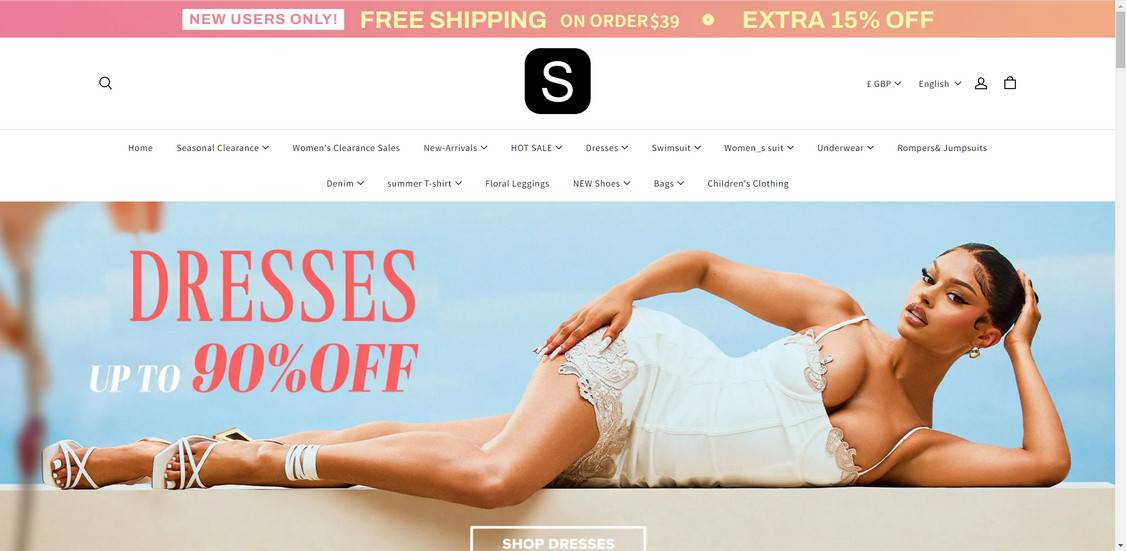
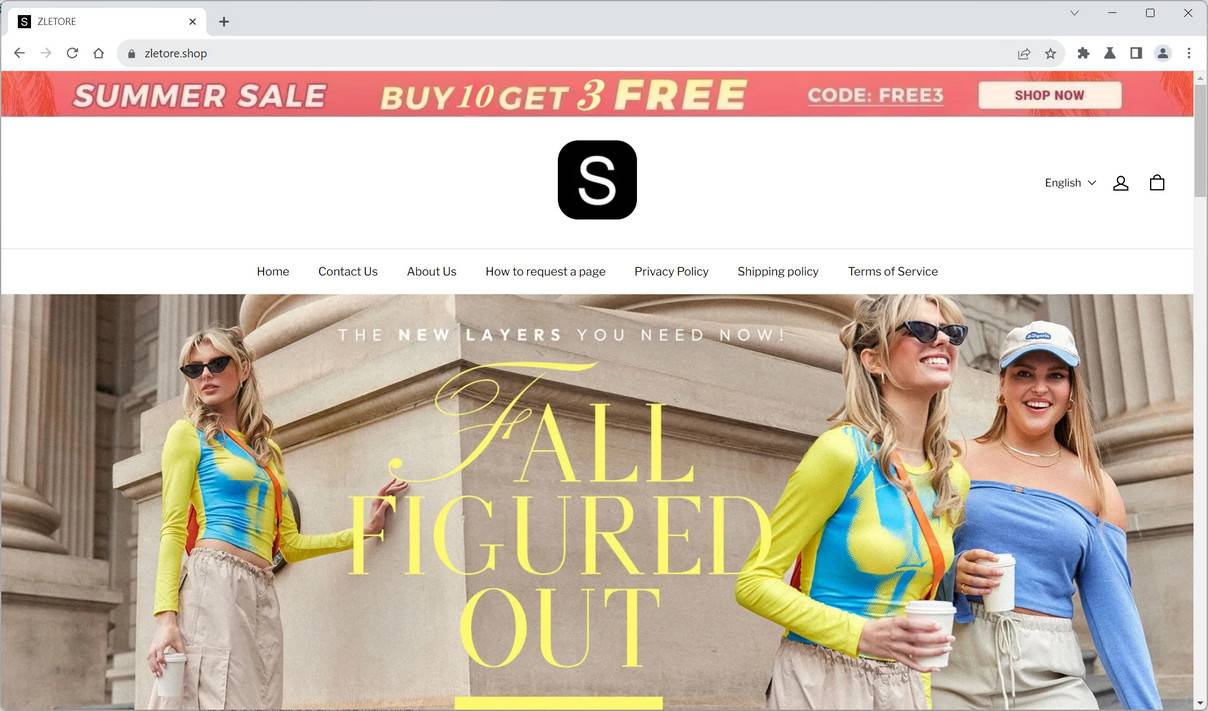
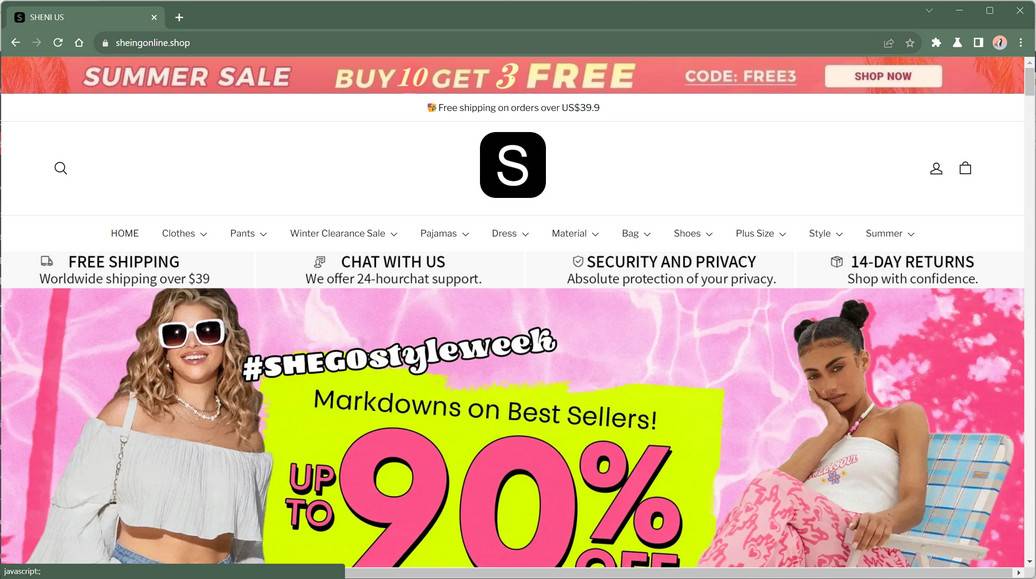
Overview of the Shein $1.99 Jeans Sale Scam
The Shein $1.99 jeans sale scam is a prevalent online shopping scam targeting shoppers looking for unbelievable deals on jeans and other apparel. Scammers are heavily promoting fake Shein sales on social media platforms like Facebook, Instagram, and TikTok using paid ads.
The ads feature jeans and other Shein apparel priced at just $1.99 or $4.99. Other popular prices used in these sale scams are $9.99, $14.99, and $19.99. The scam stores also have various sales banners and slogans like “Warehouse Sale”, “Outlet Store”, “Store Closing Sale”, “Going Out of Business”, “Clearance Sale”, “Limited Time Offer”, and “Free Shipping” to entice shoppers.
When people click on these ads or links, they are taken to elaborate fake ecommerce stores cloned to look like Shein’s official website. Everything from the web design to the product photos is stolen directly from Shein to fool customers.
Once victims place orders on the scam websites, one of two things happens. Either the customer never receives anything, or they receive a cheap product completely different from what they ordered. For example, some people received random items like cheap bracelets or sunglasses.
The scammers completely disappear after getting the payment. There is no way to contact them through the provided email or phone number. The scam stores lack any legitimate contact information.
How the Shein $1.99 Jeans Scam Works
The Shein jeans sale scam follows a specific formula to lure bargain shoppers and steal their money or data. Here is a step-by-step look at how the predatory Shein jeans scam operates:
1. Scammers Create Elaborate Fake Shein Websites
The scammers invest significant time and effort into making their scam websites look like the real Shein site. They copy the web design, product listings, photos, and Shein branding to create elaborate fakes.
They register new domains like “sheinoutletstore” or “sheindiscountshop” to build the scam sites on. The domains are made to sound like official Shein outlets or discount stores.
Everything is precisely replicated from Shein down to the product descriptions, customer reviews, and FAQs. But there are small mistakes that reveal the sites as scams upon close inspection.
2. Promoting the Fake Sales on Social Media
Once the fake ecommerce stores are ready, the scammers create social media ads to drive traffic to them. They leverage Facebook, Instagram, TikTok, and Snapchat ads to target Shein’s core demographics with the fake jean sales.
The ads contain eye-catching graphics advertising Shein jeans for only $1.99 or $4.99. The low prices are impossible to resist for the target audience. When they click on the ad, the victims are sent to the scam website instead of Shein’s real website.
In some cases, the scammers promote the sales using fake influencer accounts on Instagram and TikTok. The influencers post about grabbing the unbelievable jean deals to their followers, further deceiving victims.
3. Customers Place Orders on the Scam Sites
When bargain hunters arrive on the fake Shein websites, they find a convincing storefront packed with jeans and other clothes on clearances of 90% off or more. The sites have prominent sales banners and countdown timers urging them to grab the deals before time runs out.
Some customers suspect something is amiss when they see $1.99 jeans. But the sophisticated scam websites contain enough legitimate details about Shein to convince many to place orders.
The checkout process works just like any ecommerce store. Shoppers enter their shipping address and payment information, most often paying with a credit or debit card. They complete the purchase, expecting heavily discounted Shein jeans to arrive soon.
4. Scammers Disappear After Getting Payment
This is the most crucial stage of the jeans sale scam. As soon as the scammer receives the victim’s payment, the entire facade disappears.
They immediately stop responding to any inquiry emails about shipping statuses. The phone numbers listed on the sites go unanswered.
In most cases, the victims never receive anything after making a purchase. The scam websites usually vanish within a few days after launching.
Some customers eventually receive random, cheap items weeks later that are completely different from their order. The quality is extremely poor.
Either way, the scammers already got what they wanted – quick cash from credit/debit card payments. They abandon the scam and move on to the next fake sale website.
5. Victims Have No Recourse
Unfortunately, victims of the Shein jeans sale scam have limited recourse after realizing they got duped. There is essentially no way to contact the scammers behind the fraudulent websites.
They can try to file claims or chargebacks with their bank or credit card company. But it is an uphill battle to get refunds, especially if weeks passed since the transactions.
Most consumers are simply out the money with no way to get it back. The scammers vanish without a trace along with the fake websites.
This helps explain why the scam persists on social media. Until social platforms crack down, the scammers can keep launching fake sale ads and getting away with it.
How to Spot Fake Shein Websites
While the scam Shein websites may look convincing at first glance, there are several red flags that give them away upon closer inspection:
Look for Newly Created Domains
The scam sites often use domain names registered very recently that are made to sound like official Shein outlets or warehouses. Examples include “sheinblowoutsale” or “sheinwarehouseclearance”.
Research the domain registration date using a WHOIS lookup tool for any unfamiliar Shein-sounding website. Legitimate ecommerce domains have longer registration histories.
Verify Contact Information
Authentic online stores always provide legitimate contact info like a real phone number, physical address, and customer service email.
Scam sites either lack contact information entirely or only have a bogus email address. Call the listed number or look up the address to confirm they are fake.
Extreme Discounts Are Too Good to Be True
Real sales might offer 10-20% off or other modest promotions. But beware of any site touting 90% off everything or $1.99 jeans. These unrealistic discounts are a scam giveaway.
Shein’s actual clearance sales will still have minimum prices higher than a few dollars per item. Massive sitewide savings are a deception tactic.
Plagiarized Content and Images
Another sign is plagiarized product descriptions, web copy, and customer reviews copied from the real Shein website. Reverse image searches also reveal the product photos are stolen from Shein.
Scammers do not bother creating original content. They lift everything from Shein to create their elaborate fake storefronts.
Aggressive Sales Tactics
Scam sites use countdown timers, limited quantity claims, and slogans like “Going Out of Business” or “Clearance Sale Ends Soon!”. These techniques pressure customers to purchase quickly before realizing it is a scam.
Shein’s real website does not rely on these aggressive sales tactics. Be wary of any site pushing a rushed buying decision.
Do your homework before purchasing from unfamiliar ecommerce websites advertising deep Shein discounts. With vigilance, you can recognize the scam sites and avoid the headaches of falling for their tricks.
How to Spot the Shein Jeans Scam on Social Media
Scammers rely heavily on social media ads to promote their fake Shein sales and lure bargain shoppers. Here are tips to recognize the scam on Facebook, Instagram, and TikTok:
Spotting the Scam on Facebook
- Ads promoting Shein jeans or other apparel for unbelievable prices like $1.99 or $4.99 per item. Any jeans priced under $10 are a red flag.
- Sales banners in the ads like “Warehouse Sale”, “Store Closing”, or “Going Out of Business” designed to create urgency.
- URLs in the ads pointing to shady domains that are not the official Shein site but have similar names.
- Comment sections on the ads disabled so victims cannot post warnings.
- Ad accounts using stock images of models or influencers as the profile picture.
Spotting the Scam on Instagram
- Influencer posts promoting the too-good-to-be-true Shein sales. The accounts seem like real influencers but are fakes.
- Ads in the Instagram feed with eye-catching graphics about 90% off Shein apparel or $1.99 jeans.
- Link in bio of influencer accounts directing to scam websites falsely posing as authorized Shein outlets.
- Obvious use of stolen Shein product photos in the ads and Instagram posts from scammer accounts.
- Comments and tagging disabled on scam Instagram ads and posts to prevent warnings.
Spotting the Scam on TikTok
- Video ads on TikTok showcasing Shein hauls or jeans collections available for $1.99 due to an alleged sale.
- Fake TikTok accounts mimicking influencers and using videos generated with AI to promote the scam links.
- TikTok accounts repeatedly posting about the Shein jeans deals using same captions and graphics across multiple videos.
- Links in bios and captions of scam TikTok accounts directing users to the fraudulent ecommerce stores.
- Lack of any original video content from the scammers, only AI generated clips or stolen Shein videos.
The common theme across all platforms is unbelievably big discounts on Shein apparel using similar slogans, graphics, and prices. Verify enticing sales on Shein’s official website and watch for red flags indicating an Instagram, Facebook, or TikTok shopping scam. Your best protection is healthy skepticism of any offer that seems too good to be true.
What to Do If You Fell Victim to the Shein Jeans Scam
Discovering that you fell for the Shein $1.99 jeans scam is frustrating. But there are a few things you can try to potentially get your money back or stop the scammers:
1. Attempt to File a Chargeback
Your best recourse is requesting a chargeback on your credit or debit card by calling the bank or card issuer. Chargebacks reverse payments when fraud or scams take place.
Contact your bank immediately and explain how you got deceived. Provide them with any evidence you have like the website URL, transaction record, item listing, and email exchanges. The sooner you act, the higher chance of success.
If enough time passed however, your bank may not be able to chargeback. Rules differ between card issuers but usually range between 60-120 days from the transaction date.
2. Report the Scam Website
Look up the domain registrar of the scam website and report it to them for fraudulent activity. Provide details of the scam and its impacts. Ask them to suspend the domain immediately to avoid more victims.
You can use a WHOIS lookup tool to find the registrar. Common ones are GoDaddy, Namecheap, and Bluehost. Getting the domain taken down prevents further damage.
3. File Complaints on Social Media
If you saw the scam advertised on Facebook, Instagram, or TikTok, file complaints with each platform. Reporting the ads or accounts helps get them taken down faster.
Provide as many details as possible like the ad creative, account names, URLs, and screenshot evidence. Social networks are increasingly cracking down on such scams due to user complaints.
4. Leave Online Reviews Warning Others
Search for the scam website name and leave detailed reviews on trust websites warning other consumers. Sites like Trustpilot, Ripoff Report, and BBB allow reviews about scam stores.
Describe your experience and prevent someone else from falling for their tricks. Include screenshots of the website, ad, or any communication. The more warnings out there, the less victims they can claim.
5. Report the Incident to the FTC
You should report the Shein jeans scam to the Federal Trade Commission (FTC) by filing a complaint on their website or calling 1-877-FTC-HELP.
The FTC tracks and prosecutes online scams. Your complaint provides valuable data to support legal action against the scammers. Make sure to include all available details and evidence.
While the FTC cannot offer financial restitution, the complaints help identify and stop widespread scams. So take the time to report it even if you cannot recover your losses.
Frequently Asked Questions About the Shein $1.99 Jeans Scam
1. What is the Shein $1.99 jeans scam?
The Shein $1.99 jeans scam is a prevalent shopping scam where scammers create fake Shein websites and advertise $1.99 jeans deals on social media to lure customers. When shoppers place orders, the scammers take their money but either send a cheap, random item or nothing at all.
2. How do the scammers create the fake Shein websites?
Scammers invest a lot of effort into making the fake sites look authentic. They copy Shein’s web design, product listings, photos, and branding to clone the real website. They register lookalike domains and build elaborate storefronts showcasing discounted jeans and apparel. Everything from the product descriptions to customer reviews is precisely replicated from the real Shein site.
3. Where are the $1.99 jeans ads shown?
The scam ads primarily target Shein’s core demographics on Facebook, Instagram, TikTok, and Snapchat. They use compelling graphics highlighting jeans, leggings, and other items for only $1.99 or $4.99. The ads also tout sales banners like “Warehouse Sale” or “Going Out of Business” to entice bargain hunters.
4. What happens when someone tries to purchase the $1.99 jeans?
When a customer places an order on the fake sites, the checkout process works just like any normal online store. Shoppers enter shipping details and payment info, typically a credit or debit card, to complete the purchase. They expect heavily discounted Shein apparel to arrive soon.
5. Do customers receive the $1.99 jeans they ordered?
In most cases, customers who place orders never receive anything. The scam sites provide no way to contact the scammers, and emails or calls go unanswered. Some people eventually receive random, poor quality items that are different from what they ordered.
6. Why is it called a scam?
It is a scam because the scammers create elaborate fake marketing to mislead consumers about the origins and price of the products. Their only goal is to collect payment information and steal money. They have no intent on delivering the advertised items.
7. What can I do if I fell for the Shein jeans scam?
If you placed an order, act quickly to contact your bank or credit card company and request a chargeback for the fraudulent transaction. Also file complaints with the social media platforms that displayed the ads and report the fake websites to get them taken down.
8. How can I avoid the Shein jeans sale scam?
Carefully research unfamiliar sites before purchasing, look for contact information and signs of a legitimate business, and avoid deals that seem unrealistic. Also verify enticing sales directly on the official brand site first.
9. Why do the scammers keep getting away with the scam?
The scammers keep profiting because they disappear after collecting payments. Victims have little recourse once scammed. Social platforms have been slow to address the issue. Increased vigilance and reporting are needed to curb the scam.
10. Is there any way to get your money back if scammed?
If you act quickly, you may be able to file a chargeback with your bank or credit card issuer. Provide all evidence of the scam purchase and fraudulent website. Rules for chargeback time limits vary between card companies.
The Bottom Line on the Shein $1.99 Jeans Scam
The Shein $1.99 jeans sale scam highlights the dark side of social media advertising. Scammers are experts at exploiting what’s popular to rip off consumers. A few key lessons:
- Unbelievable clothing deals like $1.99 jeans are always too good to be true. No legitimate retailer offers prices that low.
- Research unfamiliar websites thoroughly before purchasing, especially for sites promoting prices way below normal.
- Check for a valid contact number, customer service options, and transparent business details before buying.
- Social media ads are not endorsements. Scammers pay to promote fake offers just like legitimate businesses.
- Act swiftly if you fall victim to get the best chance at a refund or chargeback.
Stay vigilant when shopping online, especially when offers seem too amazing to be true. If you come across a suspicious sale on social media, find the deal on the company’s official site first to verify it is real. Avoid letting unbelievable discounts cloud your judgment – or else scammers will continue cashing in onfake viral sales.








