

When it comes to purchasing printer supplies, HP is a well-known and trusted brand. Their line of HP Supplies offers a wide range of ink cartridges, toners, and other printing accessories. However, some users may wonder if they should remove the “Shop for HP Supplies” software that comes pre-installed on their HP devices. In this article, we will explore what the “Shop for HP Supplies” software is, its purpose, and whether or not it is necessary to keep it installed on your device.
What is “Shop for HP Supplies”?
The “Shop for HP Supplies” software is a program developed by Hewlett-Packard (HP) that comes pre-installed on many HP devices, including printers and computers. Its main purpose is to provide users with an easy way to purchase genuine HP ink cartridges, toners, and other printing supplies directly from HP.
With the “Shop for HP Supplies” software, users can conveniently browse through a wide selection of HP products, compare prices, and make purchases without leaving their device. It also provides real-time information on ink levels, allowing users to easily monitor their printer’s ink or toner status.
Should I Remove “Shop for HP Supplies”?
While the “Shop for HP Supplies” software can be useful for those who frequently purchase HP printer supplies, it is not essential for the basic functionality of your HP device. Therefore, whether or not you should remove it depends on your personal preferences and usage patterns.
If you rarely purchase HP supplies or prefer to buy them from other sources, you may find the “Shop for HP Supplies” software unnecessary. Removing it can free up valuable storage space on your device and reduce the number of background processes running.
However, if you frequently rely on genuine HP supplies and prefer the convenience of purchasing directly from HP, keeping the “Shop for HP Supplies” software installed can be beneficial. It provides a seamless shopping experience and ensures that you are purchasing authentic HP products.
How to Remove “Shop for HP Supplies”?
If you have decided to remove the “Shop for HP Supplies” software from your device, there are a few different methods you can use:
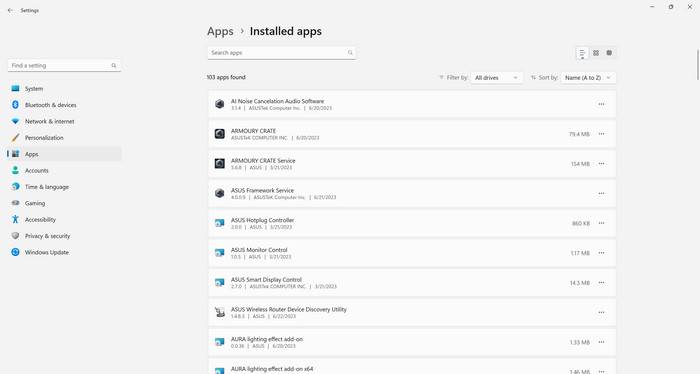
- Uninstall through Control Panel: On Windows, you can go to the Control Panel, navigate to “Programs and Features” or “Add or Remove Programs,” locate “Shop for HP Supplies” in the list of installed programs, and click on “Uninstall.”
- Use HP Support Assistant: If you have HP Support Assistant installed on your device, you can open the program, go to the “My devices” tab, select your device, click on “Updates and Tune-ups,” and then choose “Remove HP Software.”
- Third-party uninstaller: You can also use third-party uninstaller software, such as Revo Uninstaller or IObit Uninstaller, to remove the “Shop for HP Supplies” software.
After removing the software, it is recommended to restart your device to complete the uninstallation process.
Scanning for Malware
When uninstalling any software, it is always a good idea to scan your device for malware to ensure that no potentially harmful files or programs are left behind. Malware can sometimes disguise itself as legitimate software, so running a scan can help detect and remove any malicious elements.
Malwarebytes Free is a highly recommended anti-malware tool that can effectively scan and remove malware from your device. It offers real-time protection and regular updates to keep your device secure.
Conclusion
The “Shop for HP Supplies” software by Hewlett-Packard provides a convenient way to purchase genuine HP printer supplies directly from the manufacturer. Whether or not you should remove it depends on your personal preferences and usage patterns. If you rarely purchase HP supplies or prefer to buy them from other sources, removing the software can free up storage space and reduce background processes. However, if you frequently rely on genuine HP supplies and prefer the convenience of purchasing directly from HP, keeping the software installed can be beneficial.
When uninstalling any software, it is important to scan your device for malware to ensure that no potentially harmful files or programs are left behind. Malwarebytes Free is a recommended anti-malware tool that can effectively scan and remove malware from your device.
Ultimately, the decision to remove or keep the “Shop for HP Supplies” software is up to you. Consider your printing needs, preferences, and the available storage space on your device to make an informed choice.

Join the discussion
0 commentsShare your experience or ask a question about this article.
Discussion
Start the conversation
Have a question or something useful to share? Add the first comment.