

A medical device that promises to monitor blood sugar levels, heart rate, oxygen, and even uric acid without drawing blood might sound like a revolutionary breakthrough. That’s exactly what scam sites claim the “Siemens Healthineers Non-Invasive Glucometer” offers. But beneath the slick ads and fake medical jargon is a deceptive product with no ties to Siemens, no real clinical validation, and no place in your healthcare routine. This article exposes the truth about the Siemens Healthineers glucose monitor scam, how it works, and what to do if you’ve already been targeted.
What the “Siemens Healthineers Glucose Monitor” Really Is
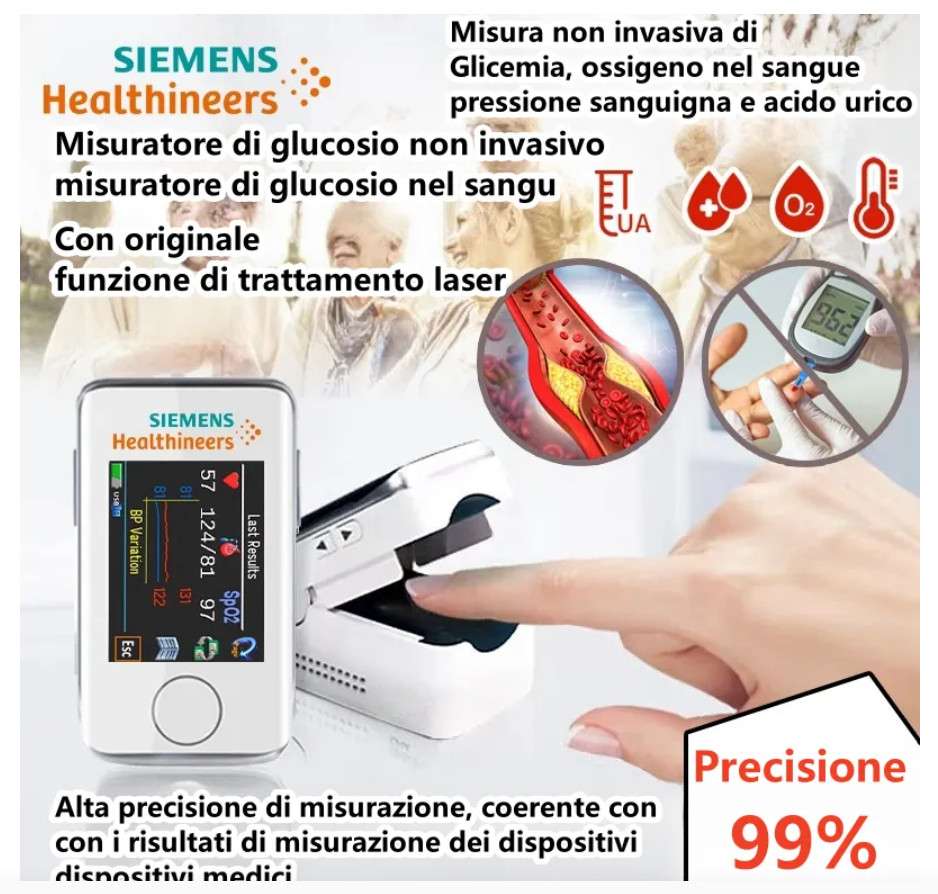
The so-called “Siemens Healthineers Glucometer” is marketed through a network of suspicious e-commerce sites, often using top-level domains like .shop, .top, .xyz, and others that are commonly associated with low-trust, scam-prone websites. These platforms use paid ads on Facebook, Instagram, YouTube, and even Google to lure unsuspecting consumers into buying a device that doesn’t live up to any of its promises.
False Branding and Trademark Misuse
The most glaring issue is the unauthorized use of the Siemens Healthineers brand. Siemens Healthineers is a legitimate global healthcare company with a reputation built on clinical-grade diagnostics and imaging technologies. The company does not manufacture or sell a non-invasive glucose monitor of the type shown in these scam ads. Any mention of Siemens in association with this device is entirely fraudulent.
Bold Claims That Defy Science
The scam product is typically promoted as:
- A non-invasive blood glucose monitor requiring no blood samples
- Capable of measuring blood pressure, oxygen levels, uric acid, and heart rate
- Delivering “99% accuracy”
- Equipped with laser treatment functions
- Connected via Bluetooth for mobile sharing
While measuring heart rate and oxygen levels using pulse oximeter technology is legitimate, there is currently no reliable non-invasive technology for blood glucose monitoring approved for home use. Glucose levels cannot be measured accurately through light or sensors placed over the skin alone. This is the most fundamental flaw in the product’s core claim.
Fake Variants and Versions
Scam sellers frequently list “Version 2025 1.0, 2.0, and 3.0” of the device, supposedly offering increasingly comprehensive medical features. These versions are nothing but a ploy to upsell fake medical capabilities like uric acid tests, cardiovascular screening, and more. None of these features are scientifically supported.
Overhyped Discounts and Urgency Tactics
Another red flag is the fake urgency built into these scam websites: countdown timers, “50% off limited time offers,” and claims like “Only 3 units left.” These are artificial and designed to force impulse purchases before the consumer has time to research.
False Testimonials and Endorsements
These sites frequently feature testimonials from fictitious users or even impersonated doctors, sometimes accompanied by photos stolen from stock image libraries. Claims of being “recommended by cardiologists and endocrinologists” are completely fabricated.
No Manufacturer Transparency
There is no traceable manufacturer, address, or verifiable contact information on most of these scam sites. The only visible entity is the Siemens logo, which is being misused. When buyers try to reach out for support or refunds, they often receive no response or hit broken email addresses.
How the Siemens Glucose Monitor Scam Works
Understanding the mechanics of this scam can help prevent others from falling victim. Here’s a detailed breakdown of how the deception operates:
1. Scam Ads on Facebook, Instagram, and YouTube
The scam starts with highly targeted advertisements. These ads are professionally designed and often show elderly people or families using the device, evoking trust and empathy. The videos highlight the device’s “painless” and “revolutionary” design, which appeals strongly to diabetics tired of finger pricks.
2. Redirect to Fake E-Commerce Sites
Clicking the ad sends users to clone e-commerce websites with names ending in .shop, .top, or .xyz. These sites mimic legitimate online stores with shopping carts, product variants, and user reviews to appear trustworthy.
3. Manipulative Product Descriptions
The product page is filled with medical jargon, pseudo-science, and promises of breakthrough technology. Common claims include:
- “Developed by Siemens”
- “Medical-grade accuracy”
- “Non-invasive glucose detection through advanced laser tech”
- “Bluetooth-enabled for family sharing”
- “No more needles, pain, or strips”
None of these claims are substantiated with scientific references or FDA documentation.
4. Tiered Fake Models and Pricing
Scammers use tiered product versions (e.g., 1.0, 2.0, 3.0) to upsell customers. Prices are inflated, often listed as “50% off” from fake original prices. These gimmicks are used to drive urgency and increase average order value.
5. Fake Checkout and Payment Portals
Once customers proceed to checkout, they are either asked to enter credit card details directly or rerouted to third-party payment processors with no encryption or security assurance. There is a high risk of identity theft and unauthorized charges.
6. No Customer Support or Refund Process
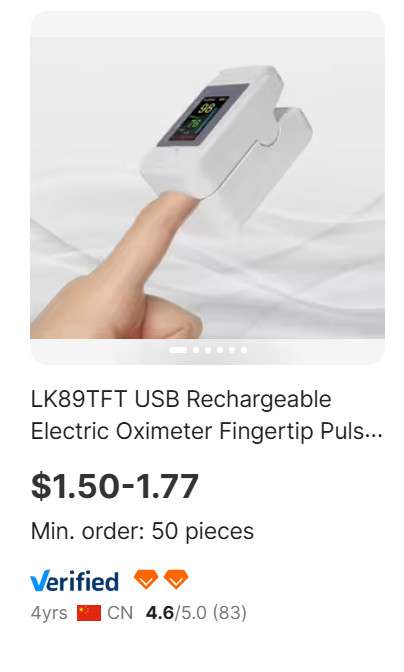
After payment, users often receive no order confirmation or tracking. If a device arrives, it’s typically a basic pulse oximeter with no glucose testing capability. Attempts to request refunds go unanswered.
Phone numbers don’t work, and emails bounce back.
7. Scam Repeats Under New Names
As scam complaints accumulate, the site shuts down and reappears under a different URL with a similar design and product listing. This is why multiple websites may appear identical but operate under different domain names.
8. Social Proof Manipulation
To enhance credibility, scammers populate the site with:
- Fake 5-star reviews
- Copy-pasted Facebook comments
- Stolen photos of supposed users
- Charts and certificates with no real validation
Scammers Are Also Using Smartwatches and Other Gadgets
The glucose monitor scam isn’t limited to fake pulse oximeters. Scammers are now using low-cost smartwatches and fitness trackers, repackaging them with fake medical claims. These devices are often advertised as being able to monitor blood sugar non-invasively, using vague terms like “infrared sensors,” “laser therapy,” or “advanced biosensing technology.”
In reality, these smartwatches are just basic fitness gadgets—often purchased for a few dollars from wholesale sites—and cannot measure glucose levels at all. The readings shown on the screen are fake or pre-programmed, designed only to create the illusion of real-time health monitoring.
Despite the claims of “99% accuracy,” “FDA certification,” or “professional-grade diagnostics,” there is no smartwatch currently approved by any medical authority to measure blood sugar without blood samples. These products are just another layer of the same scam, exploiting trust in wearable tech to target diabetic and health-conscious buyers.
What to Do If You Have Fallen Victim to the Siemens Glucose Monitor Scam
If you or someone you know has purchased this device, take action immediately:
1. Stop Using the Device
Do not rely on this device for blood glucose monitoring. It is not medically validated, and using it can result in incorrect health decisions.
2. Contact Your Bank or Credit Card Provider
- Request a chargeback due to fraud or misrepresentation
- Provide screenshots, receipts, and any email correspondence
- Report the transaction as unauthorized if you were enrolled in a recurring payment without your consent
3. Report the Scam
File a report with the following:
- Federal Trade Commission (FTC): https://reportfraud.ftc.gov
- FDA (for unregulated medical devices): https://www.fda.gov/medwatch
- Better Business Bureau (BBB): https://www.bbb.org/
- Facebook and Instagram Ads Reporting: Report the ad that led you to the scam site
4. Monitor Your Credit Card for Fraudulent Activity
- Set up alerts for suspicious transactions
- Consider freezing your card or requesting a replacement
5. Leave Public Reviews and Warnings
- Post your experience on Trustpilot, Reddit, BBB, and scam-tracking forums
- Share a public warning on your social media platforms
6. Check for Identity Theft
If you provided personal information during checkout, monitor your credit report and consider placing a fraud alert with one of the major credit bureaus (Experian, TransUnion, Equifax).
7. Warn Friends and Family
Share what you’ve learned to protect others in your community, especially elderly relatives who are more likely to be targeted by health-related scams.
Frequently Asked Questions About the Siemens Glucose Monitor Scam
Is Siemens really behind this glucose monitor?
No. Siemens Healthineers has not developed, approved, or released any non-invasive glucose monitoring device like the one shown in these ads. The brand name and logo are being used fraudulently by scam sellers.
Can any device truly measure blood sugar without drawing blood?
As of now, no consumer-grade device on the market can accurately and reliably measure blood glucose non-invasively. All current medically approved glucose monitors require a sample of blood or interstitial fluid.
What does the Siemens glucose monitor scam promise?
The scam device claims to measure blood glucose, oxygen saturation, blood pressure, uric acid, and more—without needles or blood. It also promises 99% accuracy, Bluetooth syncing, and advanced medical features that are not scientifically supported.
How do scam sellers operate?
They use paid ads on platforms like Facebook, Instagram, and YouTube to lure users into fake e-commerce websites (.shop, .top, .xyz). These sites sell counterfeit or rebranded devices and vanish after collecting payments.
What kind of product do victims actually receive?
Most users either receive nothing or are sent a basic pulse oximeter that cannot test glucose levels. The device often looks similar to what was advertised but lacks all the claimed features.
Is it safe to use the device for monitoring blood sugar?
No. Using an unapproved, inaccurate device to monitor blood sugar can lead to incorrect dosing decisions, missed warning signs of high or low glucose, and serious health risks.
What should I do if I bought one?
Stop using the device immediately. Contact your bank to dispute the charge, file complaints with consumer protection agencies (like the FTC and FDA), and report the scam ad to the platform where you saw it.
How can I tell if a glucose monitor is legit?
Only trust products that:
- Are approved or cleared by the FDA or equivalent health authorities
- Have real clinical studies backing their claims
- Are sold through reputable pharmacies or medical suppliers
- Have verifiable customer reviews from third-party sources
Are other brands being misused in similar scams?
Yes. Scammers have also used brand names like Omron, Roche, and Abbott to mislead buyers. Always verify directly with the brand’s official website before purchasing a medical device.
How can I protect myself from future medical device scams?
Be skeptical of dramatic claims, urgency tactics, and devices that sound “too good to be true.” Avoid unfamiliar websites, check domain trustworthiness, and look for clinical validation and third-party reviews before buying any health tech.
The Bottom Line
The “Siemens Healthineers Glucose Monitor” scam is a blatant misuse of a trusted brand name to sell a product that is not just ineffective, but dangerously misleading. It preys on people with chronic health conditions who are searching for convenience and relief.
Siemens has no affiliation with these devices, and there is no non-invasive blood glucose monitor currently available that meets medical accuracy standards for consumer use. Anyone promising otherwise is not only lying but also putting lives at risk.
Before purchasing any health device online:
- Verify the product’s FDA status
- Check the legitimacy of the website
- Look for real customer reviews outside the brand’s site
- Be skeptical of medical claims that sound too good to be true
When it comes to your health, only trust devices backed by science, clinical trials, and regulatory approval. Don’t let a flashy ad cost you your well-being or your money.

Join the discussion
0 commentsShare your experience or ask a question about this article.
Discussion
Start the conversation
Have a question or something useful to share? Add the first comment.