

You’ve probably seen the viral ads: “A bedtime hack melts fat while you sleep.” The message is simple and seductive — no diets, no workouts, just a pill or powder before bed, and the weight will melt away.
One of the products often promoted under this scheme is Sleep Lean, but it’s far from the only one. Scam marketers run the same ads with different product names, websites, and labels. Whether it’s Sleep Lean, Night Burn, Sleep Slim, or any other rebranded supplement, the strategy is the same.
This isn’t a wellness breakthrough. It’s a multi-product scam machine, built to trick vulnerable consumers into overspending on unproven supplements.
This article will expose how the Sleep & Slim Bedtime Hack scam really works, the red flags to watch out for, and what you should do if you’ve already fallen victim.
Scam Overview: What Is the Sleep & Slim Bedtime Hack Scam?
The scam is built on one central promise: effortless weight loss while you sleep.
The Promise
The marketing claims that taking a supplement before bed will:
- Trigger a “nighttime fat-burning switch.”
- Reset your metabolism while you sleep.
- Burn 20–30 pounds in weeks without dieting.
- Work for anyone, regardless of age or health.
It’s a false promise, designed to lure people into emotional purchases.
The Rotating Product Names
The scam doesn’t revolve around one product. Marketers use dozens of brand names, including:
- Sleep Lean
- Sleep Slim
- Night Burn
- Slim While You Sleep
- DreamFit Slim
Each product is marketed as a unique breakthrough, but the sales pages, videos, and formulas are nearly identical. This constant rebranding helps scammers avoid detection and consumer backlash.
The Funnel Websites
Most ads lead to:
- A “wellness blog” or testimonial site (e.g., mywellnessandfitness.net).
- The official product sales page (e.g., sleeplean.net).
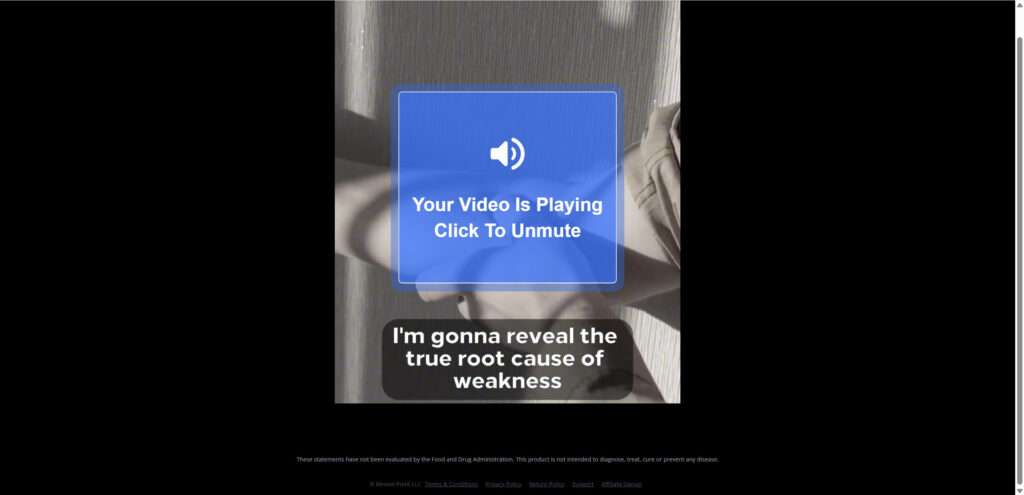
From there, visitors are funneled into a long-form video presentation that promises to reveal the “secret bedtime hack.”
The Long Video Trap
The video is always the same formula:
- Warn against skipping ahead.
- Highlight obesity risks with ominous music.
- Share tearful testimonials from supposed users.
- Tease a breakthrough discovery.
- Delay the product reveal until viewers are emotionally invested.
This manipulation is designed to wear down skepticism and push impulse buys.
Fake Science and Buzzwords
The scam uses impressive-sounding but meaningless terms, such as:
- “Metabolic sleep mode”
- “Sleep-induced thermogenesis”
- “Hormonal reset hack”
These phrases have no basis in legitimate science. They’re invented to sound technical and persuasive.
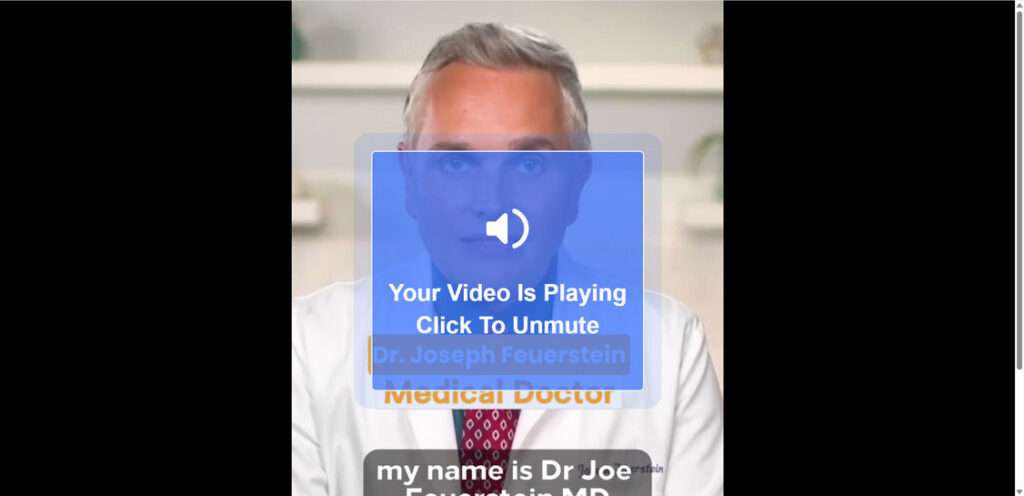
Fake Authority
Videos often feature a supposed doctor or researcher endorsing the product. Red flags include:
- No verifiable medical credentials.
- Stock-photo models or AI-generated faces.
- References to fake Harvard or Japanese studies.
This is a false authority tactic designed to manufacture trust.
The Pricing Trap
Supplements are always overpriced, typically $59–$79 per bottle. Customers are pushed to buy bulk bundles through:
- Scarcity claims (“only 12 bottles left”).
- Countdown timers.
- Fake money-back guarantees.
Refunds are rarely, if ever, honored.
How the Sleep & Slim Scam Works
Step 1: The Viral Ad
The scam begins with Facebook, Instagram, TikTok, or YouTube ads. Common headlines include:
- “The bedtime hack doctors don’t want you to know.”
- “Melt fat overnight with this natural sleep trick.”
- “Lose 20 pounds in weeks with this nighttime formula.”
The ads feature dramatic transformations and emotional appeals.
Step 2: The Testimonial Landing Page
Clicking the ad leads to a fake testimonial site. These sites present:
- Stories from “real people” (stock images, AI faces).
- Bold claims of weight loss without effort.
- Links to the official product page.
Step 3: The Long Video Sales Pitch
The product site hosts a video that:
- Introduces fear of obesity and failed diets.
- Suggests mainstream medicine hides the truth.
- Offers hope through a bedtime “hack.”
- Teases but withholds details until the end.
This structure is a classic “video sales letter” funnel used by supplement scammers.
Step 4: The Expert Reveal
The video introduces a fake expert — often with a name like “Dr. Smith” or “Dr. Johnson.” They:
- Claim to have discovered the hack.
- Reference vague “Harvard research.”
- Never provide citations or credentials.
Step 5: The Supplement Pitch
Eventually, the “hack” is revealed as a supplement — Sleep Lean, Sleep Slim, or another variant. The formula usually contains generic ingredients like melatonin, herbal extracts, or amino acids. None of these melt fat overnight.
Step 6: Scarcity Pressure
At checkout, buyers face:
- Urgency timers.
- Scarcity warnings.
- Bulk “discount” offers.
The real goal: push customers to spend more in one transaction.
Step 7: The Billing Trap
Victims often discover they’ve been auto-enrolled in monthly subscriptions without clear consent. This leads to recurring charges that are hard to cancel.
Step 8: Post-Sale Data Harvesting
Customer details are often sold to other marketers, leading to more scam offers and phishing attempts.
What to Do if You’ve Fallen Victim
- Contact Your Bank Immediately
- Request a chargeback for fraudulent charges.
- Cancel recurring billing tied to the purchase.
- Document Everything
- Save receipts, emails, and screenshots of ads.
- This supports refund disputes and fraud reports.
- Report the Scam
- FTC: reportfraud.ftc.gov
- BBB: bbb.org
- FDA: Report unapproved dietary supplements.
- Monitor Accounts
- Watch for new unauthorized charges.
- Consider fraud alerts on your credit report.
- Warn Others
- Report scam ads on social media platforms.
- Share your story online to prevent more victims.
- Avoid Follow-Up Scams
- Be cautious of emails offering “refund assistance.”
- Many are secondary scams targeting victims again.
FAQ: Sleep & Slim Bedtime Hack Supplement Scam
What is the Sleep & Slim Bedtime Hack scam?
The Sleep & Slim Bedtime Hack scam is a deceptive marketing scheme that promotes supplements like Sleep Lean, Sleep Slim, and Night Burn as miracle weight loss solutions. Ads claim these products can “melt fat while you sleep” using a so-called “nighttime hack.” In reality, these are overpriced, unproven supplements sold through manipulative advertising, false testimonials, and pressure-based checkout tactics.
Does Sleep Lean or Sleep Slim actually work?
No. There is no scientific evidence that Sleep Lean, Sleep Slim, or any similar “bedtime hack” supplement can burn fat overnight. The formulas typically contain generic ingredients like melatonin, amino acids, or herbal extracts. While these may support sleep quality, they do not trigger rapid fat loss or reset metabolism.
Why do scammers market multiple products under this scheme?
The scam thrives by rebranding the same formula under different names. When one product receives negative reviews or exposure as a scam, the marketers simply launch a new label (e.g., Sleep Lean → Sleep Slim → Night Burn). This recycling keeps the scam alive while avoiding accountability.
What are the red flags of the Sleep & Slim scam?
Key warning signs include:
- Ads promising effortless weight loss without diet or exercise.
- Long video presentations that delay revealing the actual product.
- Fake testimonials with stock photos or AI-generated faces.
- References to fake doctors or unverifiable “Harvard studies.”
- Scarcity tactics like countdown timers and “only 8 bottles left.”
- Prices between $59–$79 per bottle, often with hidden subscription traps.
How do the scam websites operate?
The scam usually involves two layers of websites:
- Landing pages (e.g., mywellnessandfitness.net) that feature testimonials and redirect visitors.
- Sales pages (e.g., sleeplean.net) hosting a long video presentation.
The funnel is designed to manipulate emotions, build urgency, and push impulsive purchases.
Is Sleep Lean FDA-approved?
No. Sleep Lean and similar “bedtime hack” supplements are not FDA-approved for weight loss. Any product claiming to melt fat while you sleep has not been clinically validated or authorized by regulatory bodies.
Are the testimonials in the ads real?
No. The testimonials featured in Sleep Lean and Sleep Slim marketing are fake. Many use stock images, paid actors, or AI-generated avatars to portray “real customers.” Their stories are scripted and lack any verifiable details.
What risks do victims face with this scam?
The risks include:
- Financial loss: high prices, hidden subscriptions, and recurring charges.
- Health risks: delaying proven weight management strategies while relying on unproven supplements.
- Data risks: customer information may be sold to other scam networks.
What should I do if I already bought Sleep Lean or a similar product?
If you’ve purchased from one of these sites:
- Call your bank or credit card provider immediately and request a chargeback.
- Cancel recurring billing linked to the merchant.
- Document everything — receipts, emails, and screenshots of ads.
- Report the scam to the FTC (reportfraud.ftc.gov) and BBB (bbb.org).
- Monitor your accounts for suspicious charges.
How can I avoid scams like the Sleep & Slim Bedtime Hack?
- Be skeptical of ads promising “overnight fat loss.”
- Research the product name with the word “scam” before buying.
- Avoid websites that only provide long videos instead of clear product information.
- Verify whether endorsements or studies are real.
- Only trust weight loss advice from licensed medical professionals.
The Bottom Line
The Sleep & Slim Bedtime Hack is not a miracle weight loss solution. It’s a marketing scheme used to sell dozens of rebranded supplements like Sleep Lean, Sleep Slim, and Night Burn.
The playbook is always the same: fake testimonials, fake doctors, fake science, and manipulative urgency. The products are overpriced, unproven, and often linked to shady billing practices.
The truth is simple: there is no bedtime pill that melts fat while you sleep. Real weight loss requires evidence-based approaches — not marketing gimmicks.

Reviews & discussion
0 commentsShare a firsthand experience, or ask a question.
Community reviews
Sleep & Slim Bedtime Hack Supplements
Moderated reader experiences, not an editorial verdict.
Start the conversation
Have a question or something useful to share? Add the first comment.