

You’ve likely seen the flashy ads: drink three cups of Slim Boost Tea a day, and watch the pounds melt off — no dieting, no intense workouts, just results. The promise of rapid weight loss, improved metabolism, increased energy, and even better sleep is enough to turn heads. But if it sounds too good to be true… it usually is.
In this article, we break down the Slim Boost Tea operation, uncovering deceptive marketing tactics, fake testimonials, and misleading claims. If you’re considering buying Slim Boost Tea or have already fallen for the hype, keep reading. This guide could save you time, money, and even protect your health.
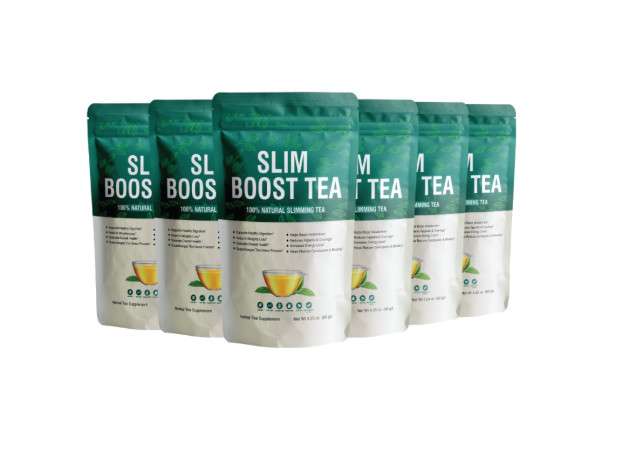
The Slim Boost Tea Illusion
Slim Boost Tea is marketed as a powerful weight loss solution, promising that you can lose up to 6 pounds per week by simply drinking herbal tea blends. The marketing claims it’s backed by “Nobel Prize-winning science” and produced in an “FDA-registered facility” — phrases that sound credible, but crumble under scrutiny.
What Slim Boost Tea Promises:
- Accelerated fat burning
- Boosted metabolism
- Detoxification and digestion support
- Improved energy and better sleep
- No need for dieting or exercise
- Fast results for “any age or gender”
These claims are paired with testimonials and dramatic before-and-after photos — often featuring people who likely never used the product. Ads appear on questionable social media pages, mimicking news segments and wellness podcasts to gain trust. However, the reality behind Slim Boost Tea is far from what’s advertised.
Red Flags That Signal a Scam
- Too-Good-To-Be-True Claims
Promising effortless weight loss without exercise or diet is an age-old scam tactic. Slim Boost Tea pushes this narrative heavily. - Fake Reviews and Testimonials
Many testimonials feature stock images or manipulated before-and-after pictures. The user stories are often generic, vague, or untraceable. - No Real Scientific Backing
Claims about “FDA registered facilities” and “Nobel Prize-winning metabolism triggers” sound impressive but are intentionally misleading. The FDA does not approve or test teas for weight loss. Nobel Prize mentions are completely fabricated. - Buzzword Overload
From “detoxifying blends” to “clinically proven natural thermogenics,” Slim Boost Tea’s marketing is packed with health buzzwords that lack substance. - No Verified Clinical Trials
Despite referencing “clinical studies,” there are no peer-reviewed scientific publications to verify the effectiveness of Slim Boost Tea. - Multiple Untraceable Websites
Slim Boost Tea is sold on a variety of near-identical websites with names that sound health-focused but have no medical affiliations. Some vanish without warning, leaving buyers with no recourse. - Lack of Transparency
There is often no information about who manufactures Slim Boost Tea, no physical business address, and limited or non-existent customer service support.
How the Slim Boost Tea Operation Works
Step 1: Social Media Ads and Fake “News” Reports
It starts with a well-designed ad or a sponsored post on Facebook, Instagram, or TikTok. The content is often styled to look like a legitimate health news report or a customer success story.
You’ll see:
- A professional-sounding voiceover
- Celebrity name-drops
- Unbelievable transformation stories
- Links to what looks like a news article
These aren’t real reports. They’re scripted promotional content built to drive urgency and click-throughs.
Step 2: The Landing Page
Clicking the ad takes you to a long-form sales page or video. The site may have names like “HealthToday,” “SlimLifeNews,” or “YourWeightAnswer.” Despite their appearance, these are sales funnels — not real editorial platforms.
Key elements of these pages:
- Large claims about dramatic weight loss
- A “limited time offer” or countdown timer
- Pseudoscience explanations using terms like “fat oxidization,” “metabolic reset,” and “cellular detox”
- Testimonials from unverified users
These pages are specifically designed to keep you scrolling, clicking, and eventually ordering.
Step 3: The Offer
You’re prompted to choose between one, three, or six bottles — often with bonuses for bulk orders. “FREE shipping” and eBooks like “Sleep Apnea Gone” or “Heart Health Blueprint” are thrown in to sweeten the deal.
But here’s the catch:
- The product often auto-enrolls you in a recurring subscription
- Terms and conditions are hidden in fine print
- Customer service is nearly impossible to reach
- Refunds are rarely honored
Step 4: The Subscription Trap
This is where many victims feel truly scammed. They expect a one-time purchase, but their cards get charged every 30 days — sometimes even after cancellations are attempted. The company may claim your refund window “expired” or charge restocking fees.
Some consumers also report:
- Receiving knock-off or expired products
- Receiving nothing at all
- Getting charged for “add-ons” they never agreed to
What to Do If You Fell for the Slim Boost Tea Ads
If you’ve already purchased Slim Boost Tea or suspect you’ve been caught in this, act quickly. Here are the steps to follow:
1. Cancel Any Future Charges
- Contact your credit card provider or bank.
- Ask for a chargeback or to block future charges.
- Explain that the merchant used deceptive practices.
2. Report the Scam
- Federal Trade Commission (FTC): reportfraud.ftc.gov
- Better Business Bureau (BBB): bbb.org/scamtracker
- Internet Crime Complaint Center (IC3): ic3.gov
3. Scan Your Device
- If you clicked links or downloaded PDFs, scan your device with reputable antivirus software.
4. Leave Honest Reviews
- Share your experience on Trustpilot, Reddit, and Amazon (if applicable) to warn others.
5. Monitor Your Credit
- Consider placing a fraud alert with credit bureaus if you suspect your personal info was compromised.
6. Contact Your Health Provider
- If you’ve consumed Slim Boost Tea and experienced any side effects, seek medical advice immediately.
The Bottom Line: Is Slim Boost Tea a Scam?
Slim Boost Tea is a textbook example of marketing over substance. The claims are inflated, the testimonials untrustworthy, and the company behind it lacks transparency. While it may contain some natural ingredients like green tea and peppermint that support digestion or energy, there’s no scientific evidence to suggest Slim Boost Tea causes sustained weight loss — especially not the “6 pounds per week” they advertise.
If you’re serious about health, weight loss, or detoxification, the best thing you can do is:
- Consult a licensed healthcare provider
- Focus on balanced nutrition and exercise
- Avoid miracle cures and quick-fix solutions
Slim Boost Tea is not a solution. It’s a sales gimmick.

Join the discussion
0 commentsShare your experience or ask a question about this article.
Discussion
Start the conversation
Have a question or something useful to share? Add the first comment.