

Stimclaim.com claims to offer users a quick and easy way to determine if they are eligible for stimulus relief funds of up to $5,000. With the promise of no paperwork, instant results, and a “limited-time opportunity,” this website appears to be a lifeline for those in financial distress. But is it really a trustworthy source of information, or is it yet another scam designed to harvest your personal data? In this in-depth investigation, we break down every detail of Stimclaim.com, from its shady registration details and suspicious redirects to its lack of transparency about who operates it. If you’re considering clicking that big red “Check Your Eligibility” button, read this first.

Scam Overview
Stimclaim.com markets itself as a stimulus eligibility checker tied to the CARES Act, supposedly helping users claim funds they may have missed out on during COVID-era relief programs. At first glance, the website looks professional and trustworthy, featuring U.S.-style branding, references to government programs, and a streamlined eligibility check process.
However, deeper analysis reveals multiple red flags:
- Recently Registered Domain: A WHOIS lookup shows the domain was registered in June 2025, long after the CARES Act funds were disbursed. A genuine program would have been active during or immediately after COVID-era stimulus rollouts, not years later.
- No Official Affiliation: The site does not link to or reference any verifiable .gov pages. There is no mention of partnerships with the IRS, U.S. Treasury, or legitimate state agencies.
- No Real Contact Information: The website lacks a physical address, real phone number, or identifiable company details. Any platform asking for personal data without disclosing who they are should be treated as suspicious.
- Shady Redirects: Users who click “Check Eligibility” are often redirected to third-party promotional offers, sweepstakes, or data-harvesting websites with no relation to stimulus programs.
- Fake Credibility Signals: Stimclaim.com uses vague phrases like “Accurate Information,” “Eligibility Checker,” and “Payment Tracking,” but provides no proof of data sources or links to official government records.
This kind of setup aligns with classic lead-generation scams, where users are lured with the promise of free money only to have their personal information harvested and sold to advertisers, email spammers, or worse, used for phishing attempts.
How the Scam Works: Step-by-Step
Step 1: The Clickbait Hook
Stimclaim.com grabs attention with big, bold promises of “up to $5,000 in stimulus relief” and instant eligibility checks. The urgency is heightened with phrases like “time-sensitive opportunity” and “funds may soon run out,” pushing visitors to act fast without questioning authenticity.
Step 2: Collecting Basic Data
Users are prompted to enter their ZIP code and answer a few yes/no questions about their past stimulus checks or residency status. This gives the illusion of a legitimate eligibility screening while allowing the website to collect basic demographic data.
Step 3: Fake Eligibility Confirmation
No matter what information you provide, the website congratulates you on being “eligible” for relief funds. This psychological trick keeps users hooked and more likely to continue through the next steps.
Step 4: Redirection to Unrelated Sites
After the eligibility check, you are asked to click a button to proceed. Instead of connecting to a government site or providing actual claim instructions, Stimclaim.com redirects users to unrelated promotional websites. These may include paid surveys, free trial offers, online contests, or even pages designed to phish for more sensitive information.
Step 5: Monetization Through Leads
Each click or sign-up you complete generates revenue for the operators of Stimclaim.com. Your email, phone number, or other details may be sold to advertisers or scam networks, leading to spam calls, emails, and potential identity theft attempts.
Step 6: Future Targeting and Retargeting
Once you have interacted with Stimclaim.com, your data may be tracked using cookies or pixel trackers. This can lead to future scam ads being specifically targeted to you, particularly those promising “free money” or government aid.
This entire process is designed not to help you receive legitimate stimulus funds but to exploit your financial vulnerability for profit.
What to Do if You Have Fallen Victim to This Scam
- Stop Engaging With the Site Immediately: Close the website and avoid clicking on any further links or pop-ups associated with Stimclaim.com.
- Change Your Passwords: If you entered an email address you use elsewhere, change the passwords to those accounts immediately and enable two-factor authentication.
- Report the Scam: File a complaint with:
- The Federal Trade Commission (reportfraud.ftc.gov)
- The Internet Crime Complaint Center (ic3.gov)
- Your state’s attorney general’s office
- Monitor Your Email and Phone: Be on the lookout for spam, phishing emails, or robocalls. Do not click on suspicious links or respond to unknown numbers.
- Check for Identity Theft: If you entered sensitive personal details, consider a credit freeze with major credit bureaus (Experian, Equifax, TransUnion) to protect yourself from fraudulent accounts being opened in your name.
- Install Security Tools: Use ad-blockers, spam filters, and anti-phishing browser extensions to help prevent future exposure to similar scams.
- Educate Others: Share your experience with friends, family, or online communities to prevent others from falling for similar schemes.
Is Your Device Infected? Run a Free Malware Scan
Slow performance, constant pop-ups, or strange behavior? These are classic signs of a malware infection. The fastest way to find out is to scan your device with Malwarebytes Free — one of the most trusted malware removal tools available.
The free version detects and removes the most common threats, including:
- Adware — the cause of those annoying pop-ups
- Browser hijackers — unwanted redirects and changed homepages
- Trojans and spyware — hidden programs stealing your data
- Potentially unwanted programs (PUPs) — software you never asked for
👉 Select your device below — Windows, Mac, or Android — then follow the simple steps to download Malwarebytes, scan your system, and remove any threats it finds. The scan usually takes 5 to 20 minutes.
Run a Malware Scan with Malwarebytes for Windows
Malwarebytes is one of the most popular and trusted anti-malware tools for Windows — and it’s completely free for removing infections. It catches threats that many antivirus programs miss, including adware, browser hijackers, and trojans. Follow the steps below to scan and clean your PC in just a few minutes.
Download Malwarebytes
Click the button below to download the latest version of Malwarebytes for Windows from the official source. The free version is all you need — it will scan your computer and remove adware, browser hijackers, and other malicious software at no cost.
Download MalwarebytesOfficial installer for Windows 11 and 10. Your download starts right away.Want real-time protection? See Malwarebytes Premium Malwarebytes Free for WindowsScans and removes malware at no cost
-
Install Malwarebytes
When the download finishes, open your Downloads folder and double-click the MBSetup file. If Windows shows a User Account Control pop-up, click “Yes” to allow the installation.
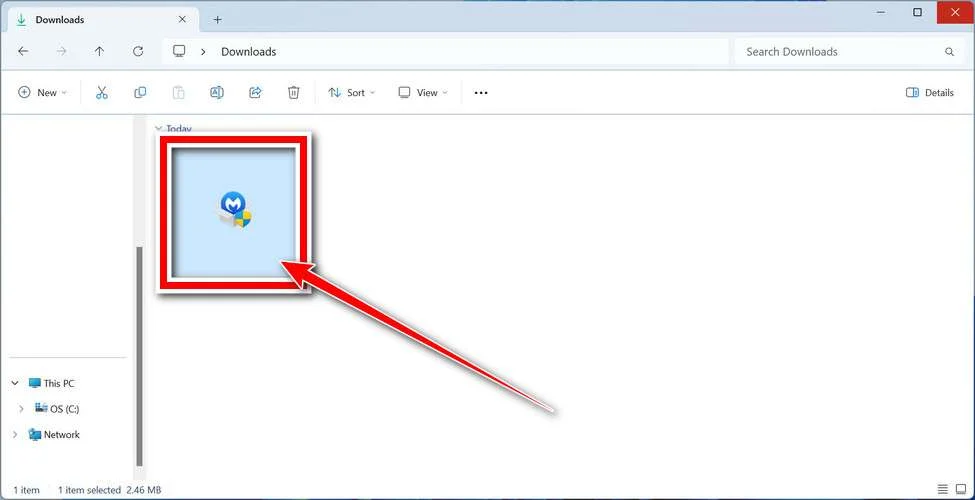
Follow the On-Screen Prompts to Install Malwarebytes
The setup wizard will walk you through a few quick screens:
-
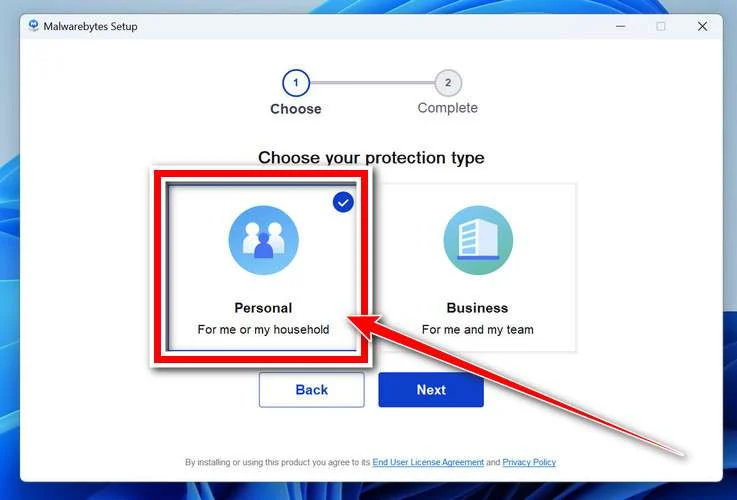
Choose where you’re installing the program — “Personal Computer” or “Work Computer” — then click Next.
-
Malwarebytes will now install on your device. This usually takes under a minute.

-
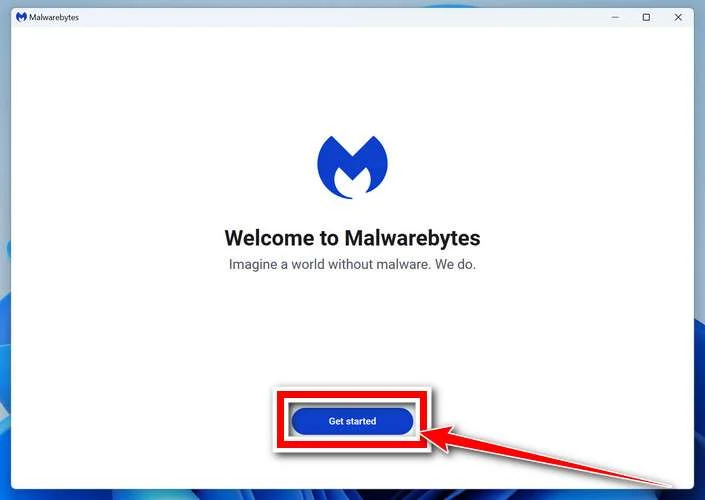
When installation is complete, the “Welcome to Malwarebytes” screen will open automatically.
-
On the final screen, click Open Malwarebytes to launch the program.

-
Enable “Scan for Rootkits”
Before scanning, turn on rootkit detection so Malwarebytes can find even the most hidden threats. Click the Settings gear icon on the left side of the screen.
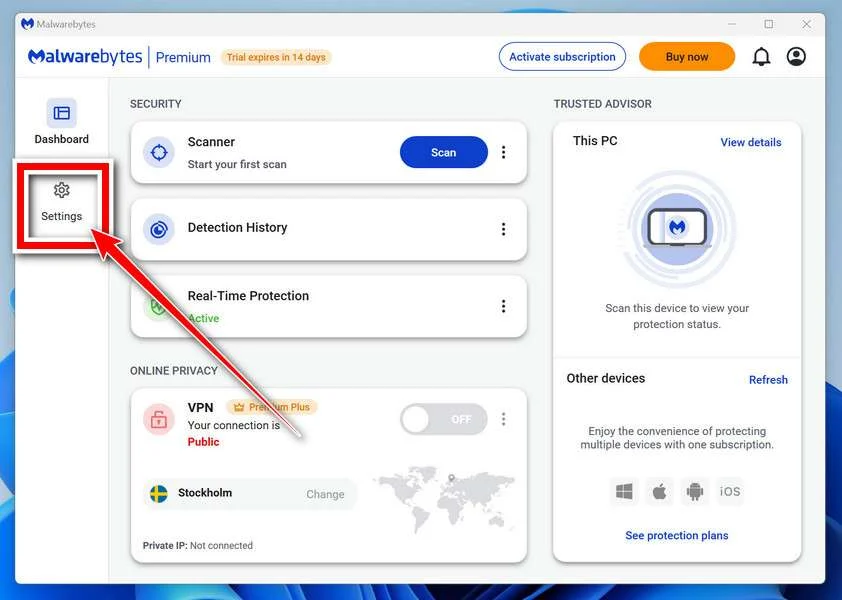
In the settings menu, find “Scan for rootkits” and click the toggle so it turns blue.

Done? Click “Dashboard” in the left pane to return to the main screen.
Start the Scan
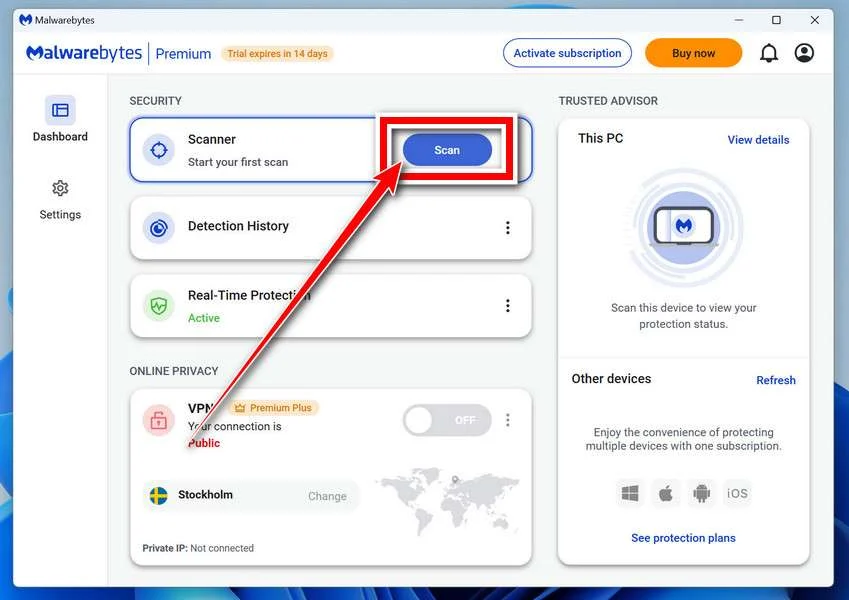
Click the blue Scan button. Malwarebytes will automatically update its virus database and start checking your computer for malware.
-
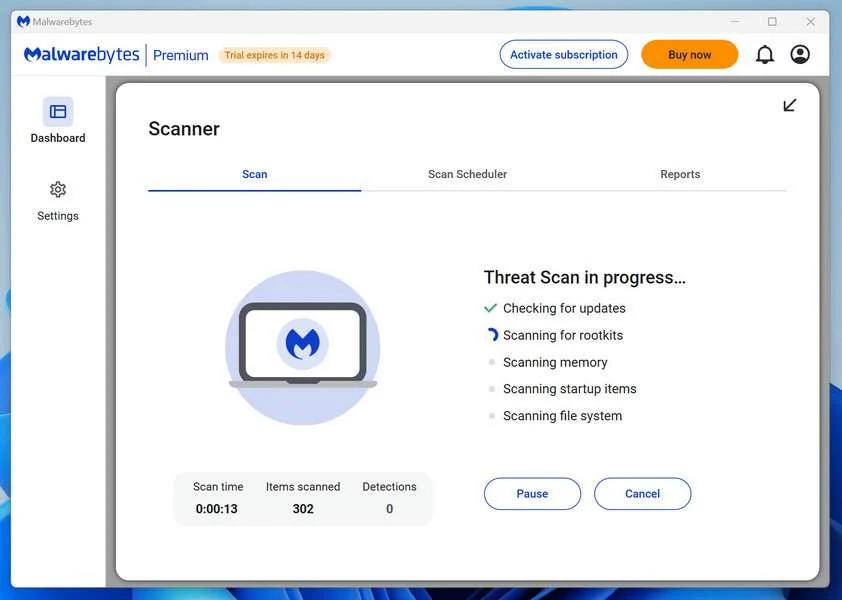
Wait for the Scan to Finish
The scan checks your entire system for browser hijackers and other malicious programs, so it can take 5 to 20 minutes depending on your computer. Feel free to do something else — just check back occasionally to see the progress.
-
Quarantine the Detected Threats
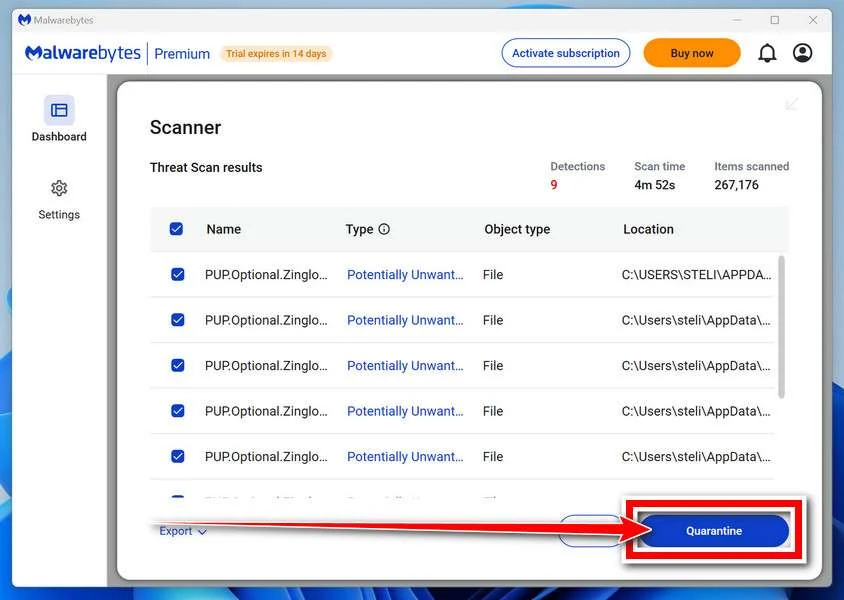
When the scan is done, you’ll see a list of everything Malwarebytes found — malware, adware, and potentially unwanted programs. Click the “Quarantine” button to remove all of them at once.
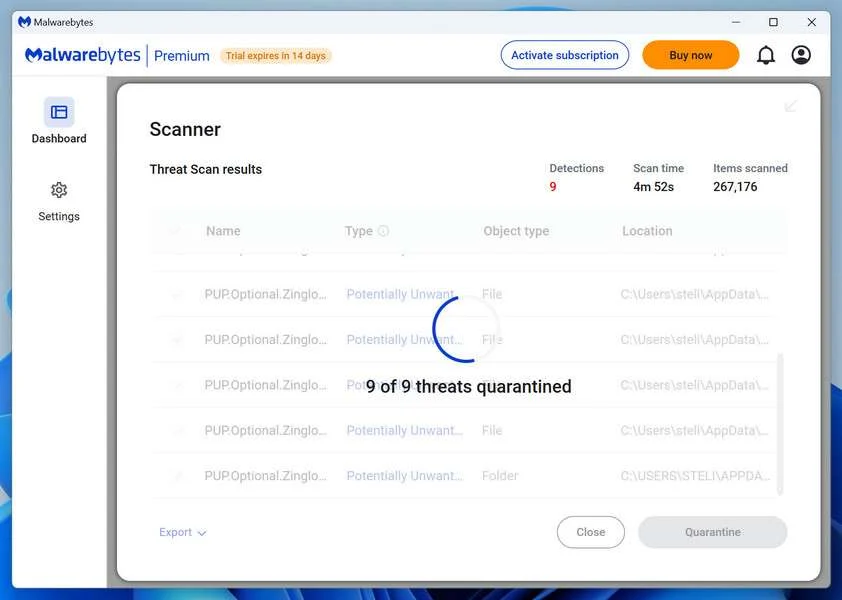
Malwarebytes will now remove the malicious files and registry entries and move them safely into quarantine.
-
Restart Your Computer
Some threats can only be fully removed after a reboot. If Malwarebytes asks you to restart, click Yes. Once you’re logged back in, Malwarebytes has finished removing the threats it found.
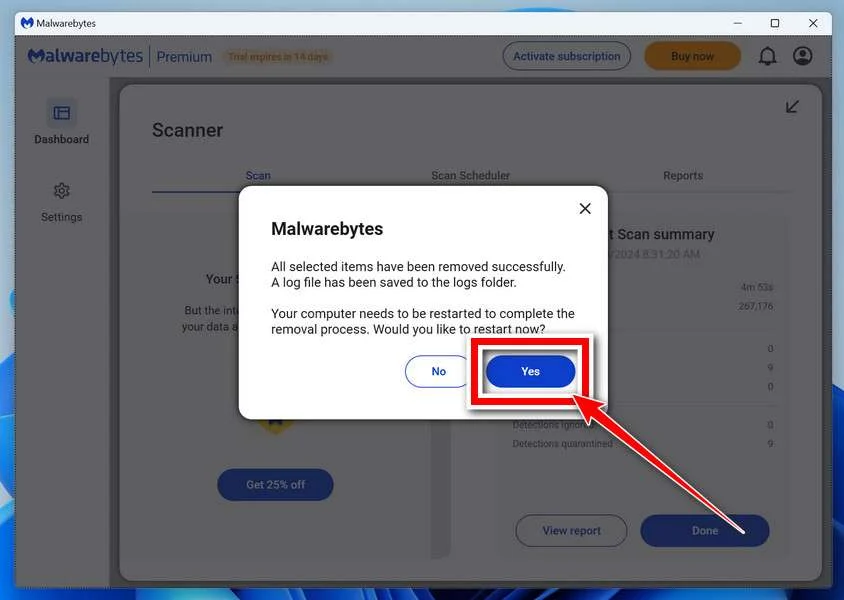
That’s it — your Windows PC is now clean of trojans, adware, and other malware, and should be back to running smoothly.
If you are still having problems with your computer after completing these instructions, then please follow one of the steps:
- Run a computer scan with ESET Online Scanner
- Ask for help in our Windows Malware Removal Help & Support forum.
Run a Malware Scan with Malwarebytes for Mac
Malwarebytes for Mac is a free on-demand scanner that removes the malware other security software tends to miss — adware, browser hijackers, and unwanted programs included. Cleaning an infected Mac with Malwarebytes has always been completely free, and it’s our go-to recommendation. Follow the steps below to scan and clean your Mac in just a few minutes.
-
Download Malwarebytes for Mac
Click the button below to download the latest version of Malwarebytes for Mac.
Download MalwarebytesOfficial installer for macOS. Your download starts right away.Want real-time protection? See Malwarebytes PremiumMalwarebytes Free for MacScans and removes malware at no cost -
Open the Malwarebytes setup file
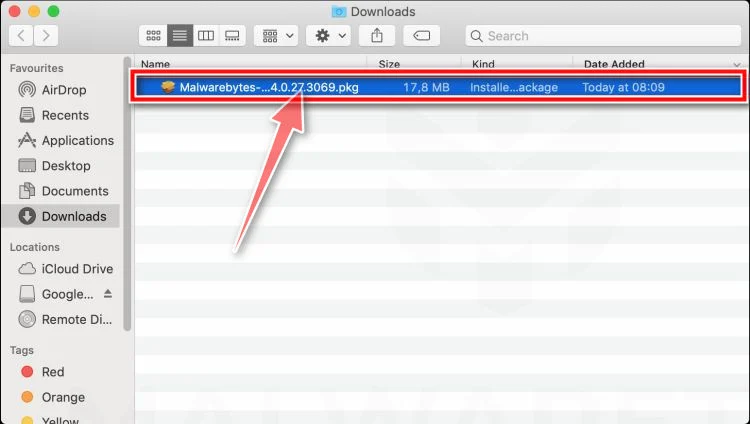
When the download finishes, open your Downloads folder and double-click the setup file to begin the installation.
-
Follow the On-Screen Prompts to Install Malwarebytes
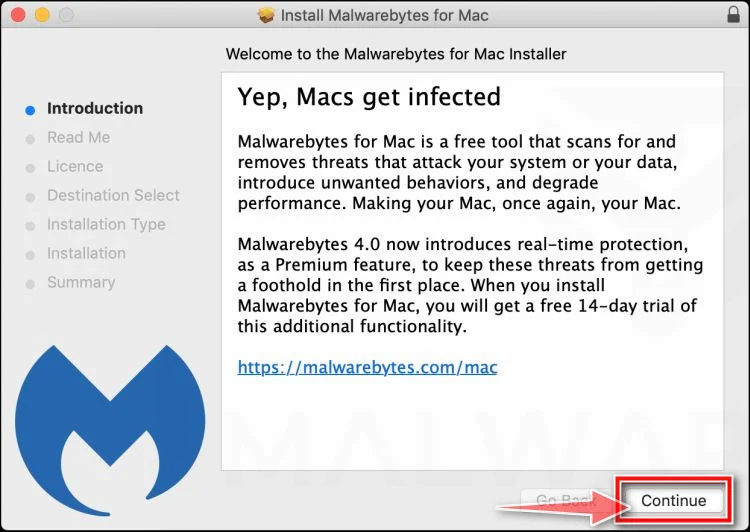
The Malwarebytes for Mac Installer will guide you through a few quick screens. Click “Continue” and keep following the prompts until the installation completes.
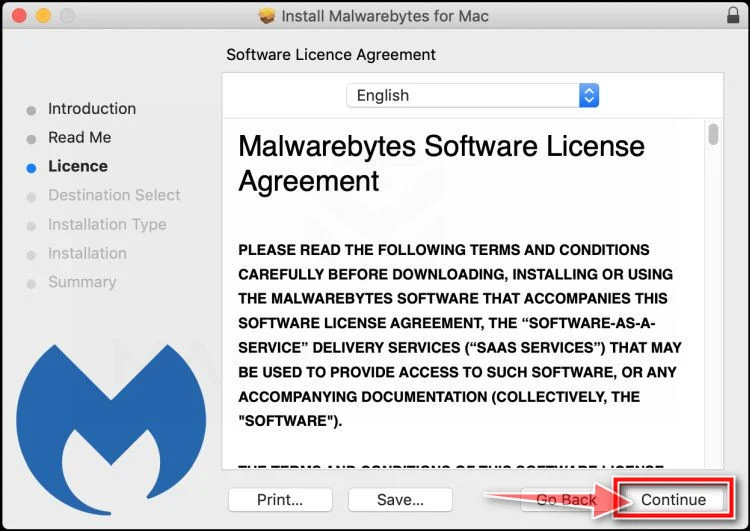
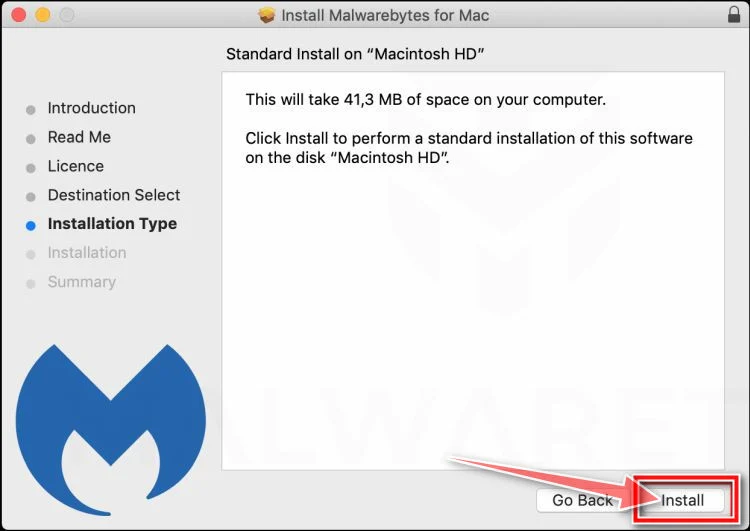
When the installation is complete, Malwarebytes opens to the Welcome to Malwarebytes screen. Click “Get started“.
-
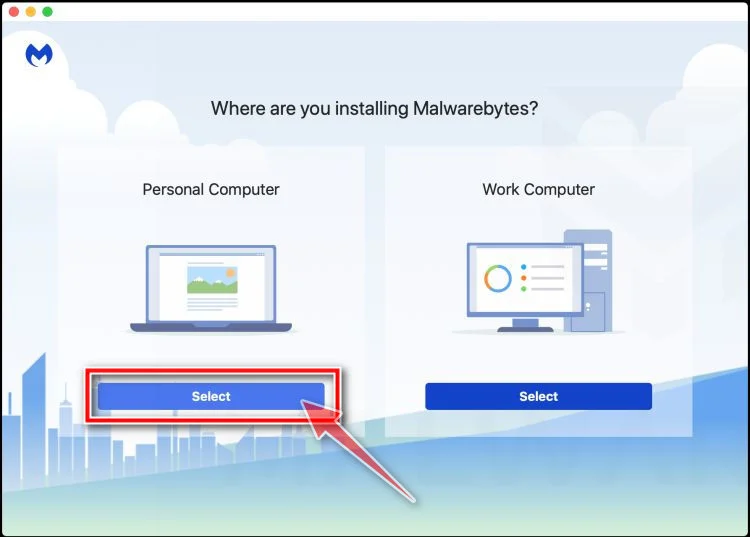
Select “Personal Computer” or “Work Computer”
Malwarebytes will ask what type of computer you’re installing it on. Click either Personal Computer or Work Computer, whichever applies.
-
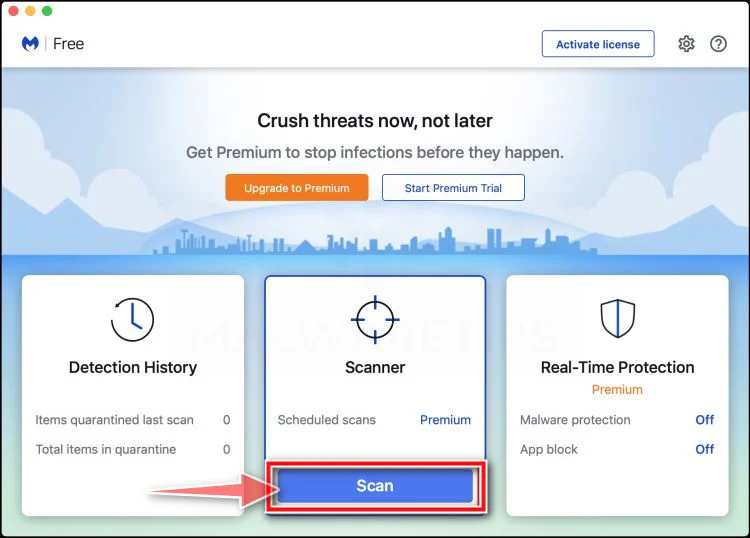
Start the Scan
Click the “Scan” button. Malwarebytes will automatically update its detection database and begin checking your Mac for malware.
-
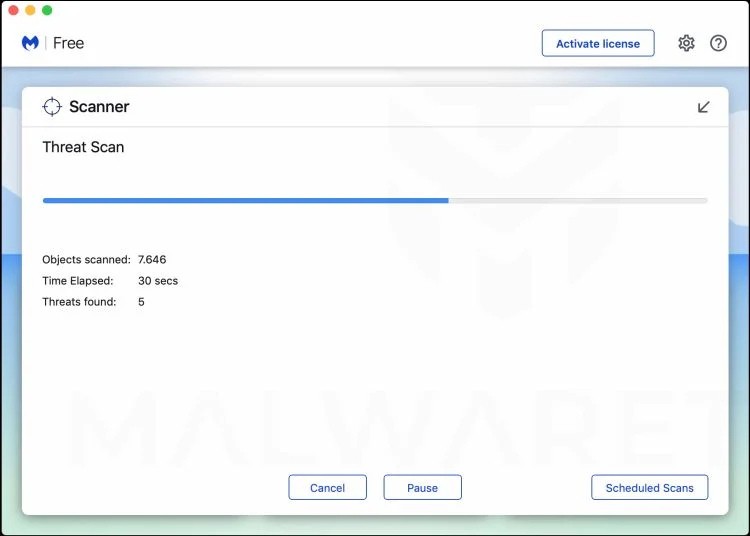
Wait for the Scan to Finish
Malwarebytes will scan your Mac for adware, browser hijackers, and other malicious programs. This can take a few minutes, so feel free to do something else — just check back occasionally to see the progress.
-
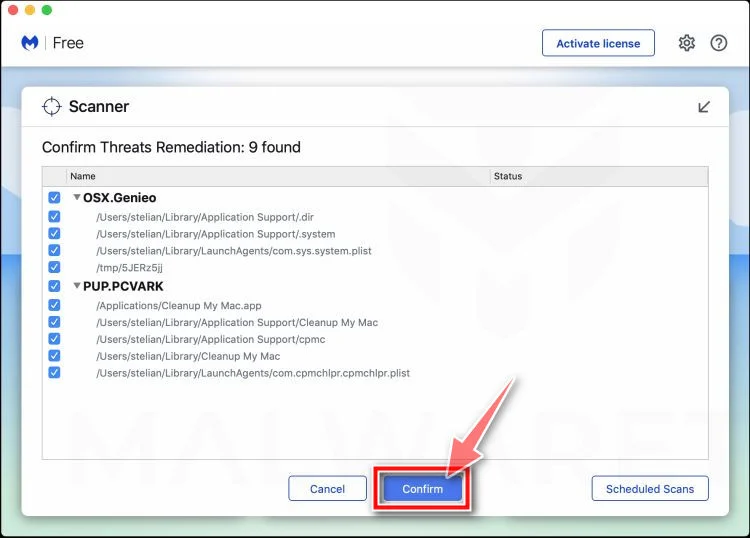
Quarantine the Detected Threats
When the scan is done, you’ll see a list of everything Malwarebytes found. Click the “Quarantine” button to remove all the threats at once.
-
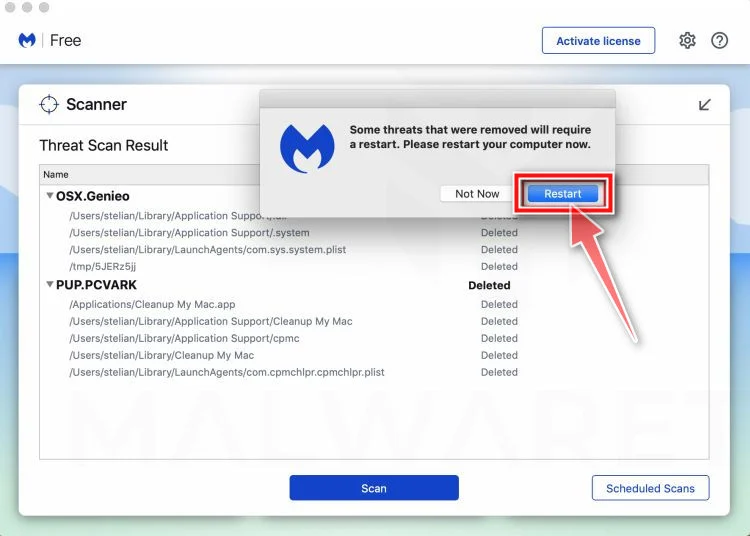
Restart Your Mac
Malwarebytes will now remove all the malicious files it found. Some threats can only be fully removed after a reboot — if Malwarebytes asks you to restart, allow it. Once you’re logged back in, your Mac is clean.
That’s it — your Mac is now free of adware, rogue browser extensions, and other potentially harmful software.
If you are still experiencing problems while trying to remove a malicious program from your computer, please ask for help in our Mac Malware Removal Help & Support forum.
Run a Malware Scan with Malwarebytes for Android
Malwarebytes for Android automatically detects and removes dangerous threats like malware and ransomware so you don’t have to worry about your most-used device being compromised. Aggressive detection of adware and potentially unwanted programs keeps your Android phone or tablet running smooth.
-
Download Malwarebytes for Android.
You can download Malwarebytes for Android by clicking the link below.
Get Malwarebytes for AndroidOpens Google Play in a new tab.Want real-time protection? See Malwarebytes Premium for AndroidMalwarebytes for AndroidScans your phone and removes malware at no cost -
Install Malwarebytes for Android on your phone.
In the Google Play Store, tap “Install” to install Malwarebytes for Android on your device.

When the installation process has finished, tap “Open” to begin using Malwarebytes for Android. You can also open Malwarebytes by tapping on its icon in your phone menu or home screen.

-
Follow the on-screen prompts to complete the setup process
When Malwarebytes will open, you will see the Malwarebytes Setup Wizard which will guide you through a series of permissions and other setup options.
This is the first of two screens that explain the difference between the Premium and Free versions. Swipe this screen to continue.
Tap on “Got it” to proceed to the next step.
Malwarebytes for Android will now ask for a set of permissions that are required to scan your device and protect it from malware. Tap on “Give permission” to continue.
Tap on “Allow” to permit Malwarebytes to access the files on your phone.
-
Update database and run a scan with Malwarebytes for Android
You will now be prompted to update the Malwarebytes database and run a full system scan.

Click on “Update database” to update the Malwarebytes for Android definitions to the latest version, then click on “Run full scan” to perform a system scan.

-
Wait for the Malwarebytes scan to complete.
Malwarebytes will now start scanning your phone for adware and other malicious apps. This process can take a few minutes, so we suggest you do something else and periodically check on the status of the scan to see when it is finished.

-
Click on “Remove Selected”.
When the scan has been completed, you will be presented with a screen showing the malware infections that Malwarebytes for Android has detected. To remove the malicious apps that Malwarebytes has found, tap on the “Remove Selected” button.

-
Restart your phone.
Malwarebytes for Android will now remove all the malicious apps that it has found. To complete the malware removal process, Malwarebytes may ask you to restart your device.
That’s it — your Android phone is now clean — no more malicious apps, adware, or browser redirects.
If you are still having problems with your phone after completing these instructions, then please follow one of the steps:
- Restore your phone to factory settings by going to Settings > General management > Reset > Factory data reset.
- Ask for help in our Mobile Malware Removal Help & Support forum.
Stay Protected: Block Ads and Malicious Sites
Now that your device is clean, keep it that way. Most infections start with a malicious ad or a fake download button — so blocking them at the source is your best defense.
We recommend AdGuard, which blocks malicious ads, phishing pages, and dangerous redirects before they can reach you.
👉 Download AdGuard and browse safely
Frequently Asked Questions About Stimclaim.com
1. What is Stimclaim.com?
Stimclaim.com is a website that claims to help users determine their eligibility for stimulus checks. It promises quick results with minimal information required. However, extensive research suggests it is not affiliated with any official government agency and may instead operate as a lead-generation or data-harvesting scam.
2. Is Stimclaim.com a legitimate government site?
No, Stimclaim.com is not an official government website. Authentic stimulus-related information and eligibility checks are provided only through .gov websites, such as IRS.gov or your state’s official treasury or taxation site. Stimclaim.com has no verified links to these agencies and lacks credible contact information.
3. Why is Stimclaim.com considered a scam?
The site raises multiple red flags:
- Recently registered domain with no established history.
- No clear company name, ownership details, or legitimate customer support.
- Redirects users to unrelated promotional offers instead of verified stimulus resources.
- Collects user data that can be used for spam, scams, or sold to third parties.
- Uses urgency-driven language to pressure users into clicking without verification.
4. How does the Stimclaim.com scam work?
Stimclaim.com lures users with promises of free government money. It asks for basic data such as ZIP codes, sometimes emails or phone numbers, then claims you are “eligible.” Instead of connecting you to an official stimulus process, it redirects you to unrelated websites. The primary aim appears to be collecting your information and generating affiliate revenue from redirects.
5. What personal information does Stimclaim.com collect?
While it may not ask for sensitive information upfront, it often collects:
- ZIP codes and location data
- Emails and phone numbers (if entered)
- IP addresses, device details, and browsing behavior This information can be exploited for targeted scams, robocalls, phishing attempts, or sold to third-party marketers.
6. Can Stimclaim.com actually help me receive a stimulus check?
No, Stimclaim.com cannot help you access stimulus funds. Only official government websites can determine eligibility and facilitate legitimate payments. Any site that claims otherwise, especially without a .gov domain, should be treated with caution.
7. Are there real alternatives to check stimulus eligibility?
Yes, you should only use trusted resources:
- IRS official website: www.irs.gov
- U.S. Department of the Treasury official website: home.treasury.gov
- State-specific government sites for local relief programs These are the only verified platforms that provide accurate and secure information on stimulus checks.
8. What should I do if I already interacted with Stimclaim.com?
If you entered any personal details:
- Stop engaging with the website immediately.
- Change passwords linked to your email accounts.
- Watch out for phishing emails, spam texts, or scam calls.
- Report the site to the FTC (www.reportfraud.ftc.gov) or IC3 (www.ic3.gov).
- Use anti-spam filters and credit monitoring tools to safeguard your data.
9. How can I identify similar scams in the future?
Look for these red flags:
- No verifiable government or corporate affiliation.
- Recently registered domain with no track record.
- Overly urgent or emotional messaging.
- Requests for personal data without secure, transparent policies.
- Redirects to unrelated offers instead of legitimate sources.
10. Should I share information about this scam with others?
Yes, spreading awareness can help others avoid falling victim to similar scams. Share verified information and direct people to official government websites for safe and reliable stimulus information.
By staying informed and cautious, you can avoid scams like Stimclaim.com and protect your personal information. Always verify the legitimacy of financial assistance offers before clicking or sharing any data.
The Bottom Line
Stimclaim.com is not a legitimate platform for claiming stimulus funds. The site relies on misleading promises, urgent messaging, and deceptive redirects to harvest user data for profit. With no official affiliations, no verifiable contact details, and a domain created years after real stimulus programs ended, this platform raises multiple red flags. If a website offers “free money” but cannot tell you who they are or prove their connection to official programs, the safest course of action is to close the tab and report it.
For real information on unclaimed stimulus checks or federal relief funds, always visit trusted sources such as IRS.gov or official state treasury websites. Protect your data, stay informed, and avoid falling victim to scams like Stimclaim.com.

Reviews & discussion
0 commentsShare a firsthand experience, or ask a question.
Community reviews
stimclaim.com
Moderated reader experiences, not an editorial verdict.
Start the conversation
Have a question or something useful to share? Add the first comment.