

When you open the Task Manager on your Windows computer, you may come across a process called “SynTPEnhService” running in the background. This process is associated with the Synaptics TouchPad driver, which is commonly found on laptops and other devices with touchpad functionality. In this article, we will explore what the SynTPEnhService process is, why it is running in Task Manager, and whether it poses any security risks.
Understanding the Synaptics TouchPad Driver
The Synaptics TouchPad driver is a software component that enables the functionality of the touchpad on your laptop or device. It allows you to move the cursor, perform gestures, and interact with the graphical user interface using the touchpad surface. The driver acts as a bridge between the hardware touchpad and the operating system, translating your touchpad movements into commands that the computer can understand.
Many laptop manufacturers use Synaptics TouchPad drivers in their devices due to their reliability and extensive feature set. These drivers come pre-installed on laptops or can be downloaded from the manufacturer’s website. The Synaptics TouchPad driver package includes various components, one of which is the SynTPEnhService process.
What is the SynTPEnhService Process?
The SynTPEnhService process, also known as Synaptics TouchPad Enhancements, is a background service that runs alongside the Synaptics TouchPad driver. Its primary function is to provide additional features and customization options for the touchpad. These enhancements can include gesture support, scrolling behavior, sensitivity settings, and more.
When you install the Synaptics TouchPad driver on your computer, the SynTPEnhService process is automatically set to run at startup. It ensures that the touchpad enhancements are available whenever you use your device, allowing you to take full advantage of the touchpad’s capabilities.
Why is the SynTPEnhService Process Running in Task Manager?
Seeing the SynTPEnhService process running in Task Manager is completely normal and expected if you have a Synaptics TouchPad driver installed on your computer. The process is designed to run in the background to provide the touchpad enhancements and customization options mentioned earlier.
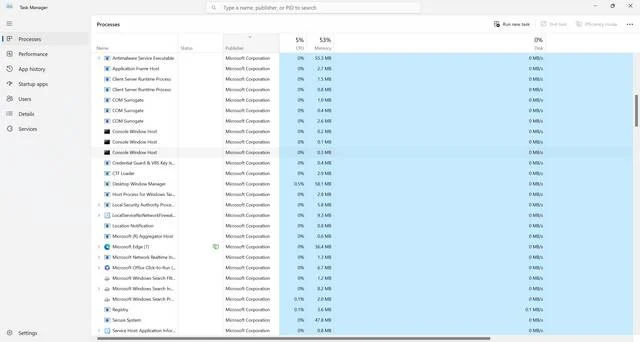
Task Manager displays a list of all the processes running on your computer, including both system processes and user-installed processes. It allows you to monitor the resource usage, such as CPU and memory, of each process. While the SynTPEnhService process may consume a small amount of system resources, it is generally not a cause for concern.
If you notice unusually high resource usage or suspect that the SynTPEnhService process is causing performance issues on your computer, it is recommended to update your Synaptics TouchPad driver to the latest version. Manufacturers often release driver updates to address bugs, improve performance, and enhance compatibility with the operating system.
Is the SynTPEnhService Process a Security Risk?
The SynTPEnhService process itself is not a security risk. It is a legitimate component of the Synaptics TouchPad driver and is digitally signed by Synaptics Incorporated, a reputable company known for its touchpad solutions. However, it is essential to ensure that you have obtained the driver from a trusted source, such as the manufacturer’s official website or a reputable software repository.
While the SynTPEnhService process is not a security risk, it is always a good practice to regularly scan your computer for viruses and malware. Malicious software can sometimes disguise itself as legitimate processes to evade detection. To scan your computer for potential threats, you can use Malwarebytes Free, a popular and reliable antivirus program.
Conclusion
The SynTPEnhService process is an integral part of the Synaptics TouchPad driver, providing additional features and customization options for your touchpad. Its presence in Task Manager is normal and expected if you have a Synaptics TouchPad driver installed on your computer. While the process itself is not a security risk, it is crucial to ensure that you have obtained the driver from a trusted source.
If you experience any performance issues or suspect that the SynTPEnhService process is causing problems, consider updating your Synaptics TouchPad driver to the latest version. Regularly scanning your computer for viruses and malware is also recommended to ensure the overall security and performance of your system.

Join the discussion
0 commentsShare your experience or ask a question about this article.
Discussion
Start the conversation
Have a question or something useful to share? Add the first comment.