

Task Manager is a powerful tool that comes built-in with the Windows operating system. It provides users with a comprehensive view of the processes running on their computer, allowing them to monitor and manage system resources effectively. However, many users often wonder why the Task Manager process itself is running in Task Manager. In this article, we will explore the reasons behind this phenomenon and shed light on its significance.
Understanding the Task Manager Process
The Task Manager process, also known as “Taskmgr.exe,” is an essential component of the Windows operating system. It is responsible for launching and managing the Task Manager application, which provides users with real-time information about the performance and resource usage of their computer.
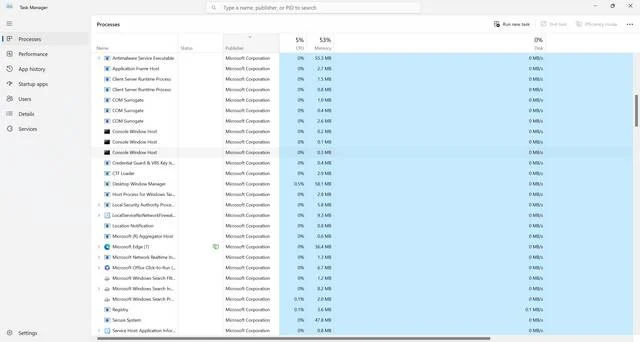
When you open Task Manager, you may notice that the Task Manager process is listed as one of the running processes. This is because Task Manager itself is a process that runs in the background to ensure its functionality and availability whenever you need it.
Reasons for the Task Manager Process Running in Task Manager
There are several reasons why the Task Manager process appears in the Task Manager:
- System Monitoring: The Task Manager process continuously monitors the system’s performance, including CPU usage, memory usage, disk activity, and network activity. It collects this data and presents it to the user in an easy-to-understand format. By running as a process, it can gather real-time information and update the Task Manager interface accordingly.
- Process Management: Task Manager allows users to view and manage running processes on their computer. By running as a process itself, it can effectively manage other processes, such as terminating unresponsive applications or adjusting their priority levels.
- Resource Allocation: The Task Manager process plays a crucial role in allocating system resources. It ensures that each process receives an appropriate share of CPU time, memory, and other resources. By running as a process, it can actively monitor and adjust resource allocation based on the system’s needs.
- Security and Stability: The Task Manager process also contributes to the security and stability of the operating system. It can detect and terminate malicious processes or applications that may be causing harm to the system. By running as a process, it remains active and vigilant, ready to respond to any potential threats.
Significance of the Task Manager Process
The presence of the Task Manager process in Task Manager is significant for several reasons:
- Real-Time Monitoring: The Task Manager process ensures that users have access to real-time information about their system’s performance. This allows them to identify resource-intensive processes, troubleshoot performance issues, and optimize their computer’s performance.
- Process Management: By running as a process, Task Manager can effectively manage other processes on the system. It provides users with the ability to terminate unresponsive applications, adjust process priorities, and monitor the impact of each process on system resources.
- Resource Allocation: The Task Manager process plays a vital role in resource allocation. It ensures that system resources are distributed efficiently among running processes, preventing any single process from monopolizing resources and causing system slowdowns or crashes.
- Security and Stability: The Task Manager process contributes to the overall security and stability of the operating system. It can detect and terminate malicious processes, preventing them from causing harm to the system. By running as a process, it remains active and ready to respond to any potential threats.
Conclusion
The Task Manager process running in Task Manager is not a cause for concern. It is an integral part of the Windows operating system, responsible for launching and managing the Task Manager application. By running as a process, it ensures real-time monitoring, effective process management, efficient resource allocation, and enhanced security and stability.
Next time you open Task Manager and see the Task Manager process listed, remember its significance in providing you with valuable insights into your computer’s performance and allowing you to manage processes effectively. If you encounter any suspicious processes or performance issues, it is always recommended to scan your system for viruses or malware using a reliable tool like Malwarebytes Free.

Join the discussion
0 commentsShare your experience or ask a question about this article.
Discussion
Start the conversation
Have a question or something useful to share? Add the first comment.