

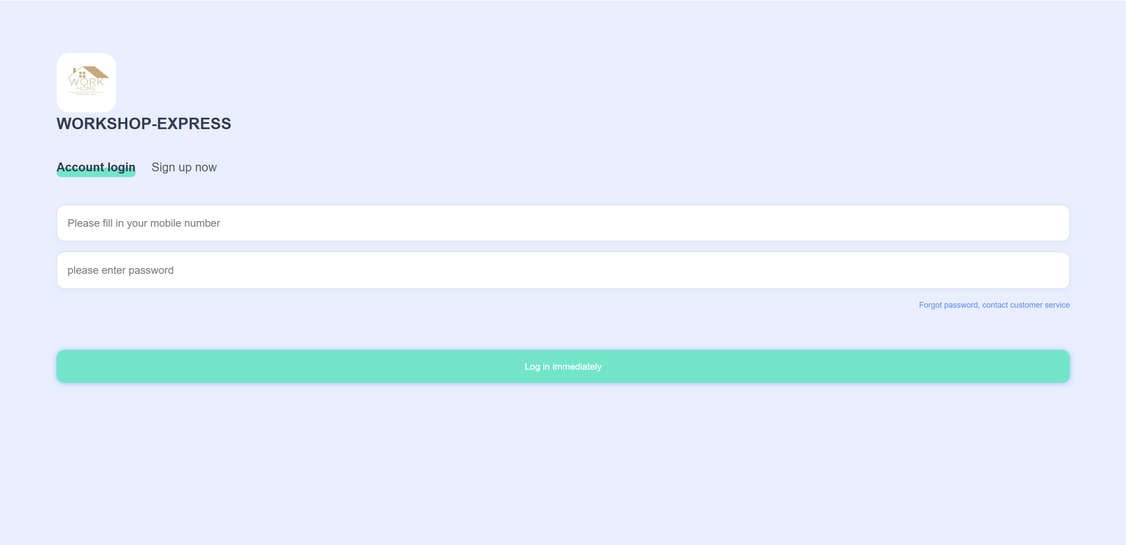
Workshop-express.com may look like a simple way to make money online. The promise is attractive: complete a few easy tasks, earn commissions, and withdraw your profits quickly.
That is exactly what makes these platforms dangerous.
Sites like Workshop-express.com are often built to look professional, friendly, and low-risk. But behind the polished dashboard and upbeat sales pitch, many of them follow the same pattern: lure users in with small rewards, then pressure them into sending larger and larger payments.
If you are researching Workshop-express.com, this guide will help you understand the scam pattern, spot the warning signs, and protect yourself before the losses grow.
Scam Overview
What Is Workshop-express.com Supposed to Be?
Workshop-express.com presents itself as a task-based earning platform.
The site may claim users can earn money by completing simple online actions such as:
- Liking posts
- Watching videos
- Placing “orders”
- Rating products
- Clicking buttons
- Boosting merchant visibility
- Submitting reviews
- Completing app-based micro-tasks
The work is usually marketed as easy, flexible, and beginner-friendly.
That is the hook.
The platform may say you can work from home, use only your phone, choose your own hours, and start earning right away. For anyone looking for extra income, that message can sound appealing.
What Workshop-express.com Really Is
In many cases, Workshop-express.com is not a real job platform at all.
It follows a task scam model, sometimes also called a task optimization scam. These scams are designed to make victims believe they are earning money while slowly pushing them into sending real money to the platform.
The goal is not to pay users fairly for legitimate work.
The goal is to trap them in a cycle of deposits, fees, top-ups, and fake withdrawal issues.
Why Task Scams Work So Well
Task scams work because they do not begin with an obvious theft.
They begin with something that feels believable:
- A simple online job
- A casual message from a recruiter
- A polished website
- A small early payout
- A promise that everything is temporary and refundable
Scammers do not usually ask for a huge amount on day one.
They build trust first.
That trust is what keeps the victim engaged when the platform later starts asking for money.
Who These Scams Target
Workshop-express.com and similar platforms often target people who are actively looking for income, but they can catch almost anyone.
Common targets include:
- Job seekers
- Freelancers
- Students
- Stay-at-home parents
- Gig workers
- People looking for remote side income
- Anyone going through financial stress
These scams do not only fool careless people.
They often fool hopeful people.
How Victims Usually Find Workshop-express.com
Many victims do not discover Workshop-express.com through a normal job search. Instead, they are contacted directly.
Common entry points include:
- WhatsApp messages
- Telegram chats
- Facebook messages
- Instagram DMs
- LinkedIn outreach
- SMS messages
- Dating app conversations
- Social media comments or referrals
The person reaching out may claim to be:
- A recruiter
- A customer support trainer
- An HR manager
- A company representative
- Another user who “made good money”
Their job is to make the opportunity sound easy and safe.
The Website Often Looks More Professional Than People Expect
One reason people lower their guard is that these sites often look organized.
Workshop-express.com may include features like:
- Account dashboards
- Commission balances
- Task history
- Withdrawal pages
- “VIP” levels
- Customer support chat
- Tutorials
- Referral codes
- Fake testimonials
- Pop-up notifications showing supposed withdrawals
These features are meant to create credibility.
But a polished interface does not prove a business is legitimate. A scam can still have an attractive design, clean branding, and a dashboard full of fake numbers.
The First Tasks Are Part of the Setup
After joining Workshop-express.com, the victim is often given a few easy starter tasks.
These tasks may feel harmless. In some cases, the victim even receives a small payout.
That early success is one of the most important parts of the scam.
It creates the impression that:
- The platform is real
- Withdrawals work
- The recruiter was honest
- Bigger earnings are possible
This is not proof of legitimacy.
It is often bait.
Scammers know that once a person successfully withdraws even $5 or $10, they are much more likely to trust the system and continue.
The Real Trap Starts With “Higher Value” Tasks
Once trust is established, Workshop-express.com usually introduces more profitable tasks.
These may be described as:
- Lucky orders
- Premium tasks
- Combo orders
- VIP tasks
- Bonus merchant packages
- High-value assignments
The victim is told these tasks offer much bigger commissions.
But there is a catch.
Before the task can be completed, the victim must send money.
That money may be described as:
- Working capital
- A balance shortfall
- A temporary deposit
- A merchant settlement fee
- Account verification funds
- A release payment
- A tax or compliance payment
The wording changes, but the structure is always the same.
The victim must pay first, supposedly to unlock earnings later.
That Is the Core Sign of a Task Scam
A legitimate employer pays workers.
A legitimate platform does not require workers to deposit money in order to complete tasks or withdraw earnings.
That is one of the clearest warning signs with Workshop-express.com.
The moment a platform asks you to send money so you can keep “working,” the entire situation should be treated as suspicious.
Why Victims Keep Paying
Many outsiders ask the same question: why would someone keep sending money after the first payment?
The answer is simple.
These scams are built around psychological pressure.
They use:
- Urgency, by saying the task will expire soon
- Scarcity, by claiming the opportunity is rare
- Reassurance, by promising the deposit is temporary
- Social proof, by showing fake success stories
- Sunk cost pressure, by reminding the victim how much they have already invested
- Fear, by warning that quitting now means losing everything
This is not random manipulation.
It is structured and deliberate.
Each step is designed to make the next step feel only slightly more reasonable than the last.
The Fake Balance Is a Major Part of the Scam
Victims are often shown large account balances inside Workshop-express.com.
The dashboard may display:
- Pending profits
- Completed commissions
- Account growth
- Withdrawable earnings
- Bonuses tied to task completion
But the numbers on the screen are not proof that real money exists.
The site can display any amount it wants.
A fake dashboard balance is one of the most effective tools in the scam because it keeps the victim emotionally attached. A person may believe they are only one step away from withdrawing thousands of dollars, when in reality the balance was never real.
How the Scam Usually Ends
At some point, one of two things happens:
- The victim runs out of money
- The victim refuses to send another payment
Once that happens, the platform usually stops pretending.
Common end-stage patterns include:
- Withdrawals stay pending forever
- Customer support becomes evasive
- The recruiter disappears
- The account is locked
- New fees appear endlessly
- The website goes offline
- The domain is abandoned and replaced with a new one
That is why Workshop-express.com should not be viewed as just one suspicious site.
It should be viewed as part of a larger scam pattern that appears again and again under different names.
Main Red Flags to Watch For
If you are evaluating Workshop-express.com, pay close attention to these warning signs:
- Unsolicited job or income offers
- Easy money promises for simple tasks
- Vague explanations about how the business actually works
- Small early payouts meant to build trust
- Requests for deposits or top-ups
- Pressure to act quickly
- “Frozen” balances that require payment to release
- Large dashboard earnings that cannot actually be withdrawn
- Poor transparency about ownership or licensing
- Scripted customer support that avoids direct answers
If several of these signs are present, the safest move is to walk away.
How The Scam Works
Stage 1: The First Contact
The scam usually starts with a message.
It may arrive through:
- Telegram
- Facebook Messenger
- SMS
- A dating app
- Another social platform
The message often sounds friendly and informal.
Common pitches include:
- “Would you like part-time work?”
- “You can earn daily commissions from your phone.”
- “No experience needed.”
- “This is a flexible remote opportunity.”
- “You only need a few minutes per day.”
The goal is not to explain the job clearly.
The goal is to get you curious enough to reply.
Stage 2: Friendly Guidance and Reassurance
Once the victim responds, the scammer acts helpful.
They may answer a few questions, offer “training,” and explain that the work is easy. They usually focus on convenience and earnings, not transparency.
They may say things like:
- Training is free
- Withdrawals are fast
- Many users are already making money
- You can start right away
- The system is simple once you learn it
At this point, the scammer is building comfort, not credibility.
Stage 3: Account Creation on Workshop-express.com
The victim is then directed to Workshop-express.com and asked to register.
The site may ask for:
- Name
- Phone number
- Password
- Referral code
- Payment information
The referral code often makes the site feel exclusive or structured. In reality, it is just part of the script.
Once the account is created, the victim enters a controlled environment where everything is designed to look real.
Stage 4: Beginner Tasks That Feel Safe
New users are usually given easy tasks first.
These may include:
- Clicking order buttons
- Rating products
- Watching short videos
- Liking content
- Submitting simple actions inside the dashboard
These tasks do not need to have real value.
Their purpose is to make the user feel productive and rewarded.
The more seamless the first experience feels, the more likely the victim is to continue.
Stage 5: The First Small Earnings
After the beginner tasks, the victim sees small commissions appear in the account.
That alone creates excitement.
Sometimes Workshop-express.com even allows a small withdrawal.
This is one of the most dangerous moments in the scam because it convinces the victim that the system works.
A small early payout can make people believe:
- The company is legitimate
- Future profits are real
- Sending more money will be safe
- There is little risk in continuing
But this is often the moment the trap is set most effectively.
Stage 6: The Premium Task Offer
Once the victim is comfortable, the site introduces higher-value tasks.
These may be marketed as:
- Lucky orders
- Combo packages
- Premium task chains
- VIP merchant tasks
- Exclusive high-commission orders
The site may say the user has advanced to a higher tier or unlocked a better earnings opportunity.
This creates momentum.
The victim starts imagining bigger profits and becomes more willing to follow instructions.
Stage 7: The First Deposit Request
Here is where the scam changes from fake work to real financial extraction.
To continue with the premium task, the victim is told they must add funds first.
The reason may be framed as:
- A balance gap
- Temporary working capital
- Merchant prepayment
- Order matching funds
- Account verification
- Risk control
- A refundable settlement step
The message is always similar: send money now, get more money back later.
That is the central lie.
Stage 8: A Cycle of New Problems
Once the first payment is made, the victim is rarely allowed to stop there.
A new issue suddenly appears.
Examples include:
- The task amount increased
- A combo order was triggered
- The account still lacks enough balance
- A withdrawal fee is required
- A tax payment must be made first
- A system error must be corrected
- The user entered a multi-step chain and must finish it fully
Each time, the victim is told the next payment is the final step.
It usually is not.
Stage 9: Pressure Increases Fast
As the scam progresses, the tone often becomes more urgent.
The scammer may say:
- “You must complete this today”
- “If you stop now, you lose everything”
- “This is only temporary”
- “Once this clears, your funds will be released”
- “You are very close to withdrawal”
This stage is designed to trigger panic and compliance.
A calm person starts asking hard questions.
A pressured person focuses only on getting past the current obstacle.
Stage 10: The Dashboard Shows Bigger and Bigger Amounts
This is where many victims get pulled in deeply.
Workshop-express.com may now show a large balance in the account, sometimes hundreds or thousands of dollars.
That displayed amount creates a false sense of progress.
The victim may think:
- “I cannot stop now.”
- “The money is already there.”
- “I just need to finish this last step.”
- “If I quit now, I lose too much.”
But the account balance is often just a visual tool inside a fake system.
It is there to influence decisions, not reflect real earnings.
Stage 11: Withdrawals Get Blocked
When the victim tries to cash out, the site suddenly introduces barriers.
Common withdrawal excuses include:
- Risk review
- Account abnormality
- Credit score issue
- Tax processing
- Compliance verification
- Anti-money laundering review
- Frozen status
- Incomplete task sequence
Every barrier leads to the same result.
Another payment is demanded.
This is why many victims lose far more than they expected. They are not chasing profit anymore. They are chasing recovery.
Stage 12: Silence, Lockout, or Disappearance
Eventually, the victim reaches a breaking point.
They may run out of money. They may refuse to pay more. They may realize the explanations no longer make sense.
At that point, the scammers often do one of the following:
- Stop replying
- Block the victim
- Freeze the account
- Keep repeating scripted messages
- Shut down the domain
- Reappear later under a different site name
By then, the money is often gone.
Why This Model Keeps Succeeding
Workshop-express.com and similar scams keep working because they are carefully structured.
They rely on a sequence that feels believable:
- A simple income offer
- Easy beginner tasks
- Small rewards
- A successful early withdrawal
- Bigger opportunities
- Temporary deposit requests
- Escalating payment demands
- Fake account balances
- Blocked withdrawals
- Disappearance
That progression is what makes the scam so effective.
It is not a random trick.
It is a controlled system designed to move people from curiosity to trust, and from trust to loss.
What To Do If You Have Fallen Victim to This Scam
1. Stop Sending Money Immediately
Do not send one more payment.
Do not try to unlock your account.
Do not pay a “final fee.”
In task scams, the promised release usually never comes.
2. End Contact With the Scammers
Block the recruiter, support agent, and any related contacts.
Do this across:
- Telegram
- Social media
- SMS
- Phone
The longer you stay in contact, the more chances they have to pressure you again.
3. Save All Evidence
Before anything disappears, collect and save:
- Screenshots of the website
- Your account dashboard
- Chat logs
- Phone numbers
- Email addresses
- Wallet addresses
- Payment receipts
- Bank transfer records
- Withdrawal pages
- Error messages
- Promises made by support
This can help with reports, disputes, and fraud investigations.
4. Contact Your Bank or Payment Provider
Tell them you were targeted by an online scam and ask what options exist for dispute, recall, chargeback, or fraud escalation.
Act quickly.
The sooner you report it, the better your chances of limiting further damage.
5. Secure Your Accounts
If you shared personal details or reused passwords, update your security right away.
At a minimum:
- Change your email password
- Change banking and payment app passwords
- Turn on two-factor authentication
- Review linked devices and login sessions
6. Watch for Recovery Scams
After a victim loses money, scammers often return with a new offer.
They may claim they can:
- Recover your money
- Trace the scammers
- Unlock your frozen balance
- Help you file a special claim
Then they ask for a fee.
Be careful. This is often a second scam.
7. Report the Scam
Report Workshop-express.com to the appropriate authorities and fraud reporting services in your country.
You can also report:
- The domain
- The wallet address
- The recruiter’s contact details
- The payment path used
Reporting may not always bring the money back, but it can help build a record and protect others.
8. Monitor Your Financial Activity
Check your:
- Bank account
- Card statements
- Payment apps
- Crypto wallet activity
- Email for suspicious alerts
Look for unusual charges, test transactions, or unauthorized activity.
9. Warn Others
If you are comfortable doing so, share what happened.
Posting about Workshop-express.com on scam-reporting platforms or public forums can help other people spot the pattern before they lose money too.
10. Do Not Blame Yourself
These scams are designed to manipulate trust and urgency.
Many smart people get caught in them.
Focus on protecting yourself now, not punishing yourself for what already happened.
The Bottom Line
Workshop-express.com follows the classic pattern of a task scam. It may look polished, it may show earnings on a dashboard, and it may even allow a small early withdrawal. But the real system is built to pressure users into sending money they may never recover.
The most important rule is simple: if a platform claims to pay you for online tasks but asks you to deposit money first, treat it as a serious warning sign.
Real jobs pay workers.
Scams charge them.
If you come across Workshop-express.com or a similar platform, the safest move is to walk away before curiosity turns into loss.
Frequently Asked Questions About the Workshop-express.com Scam
1. What is Workshop-express.com?
Workshop-express.com is a scam website that pretends to offer easy online income through simple digital tasks. These platforms often claim users can earn money by liking posts, placing orders, watching videos, rating products, or completing small app-based actions.
In reality, the site is often part of a scam designed to pressure users into sending money under false pretenses.
2. Is Workshop-express.com a legitimate way to make money online?
No. If Workshop-express.com follows the common task scam pattern, it is not a legitimate earning platform.
A real platform pays users for real work. It does not ask them to deposit money, top up an account, pay to unlock tasks, or send fees before a withdrawal can be processed.
3. How does the Workshop-express.com scam usually start?
The scam often starts with an unexpected message from someone claiming to be a recruiter, company representative, or customer support guide.
Victims are usually contacted through:
- Telegram
- Facebook Messenger
- SMS
- Dating apps
The message usually promotes flexible work, easy commissions, or part-time income from home.
4. What kind of tasks does Workshop-express.com claim to offer?
These platforms usually claim users can earn by completing very simple online actions, such as:
- Liking social media posts
- Watching videos
- Rating products
- Placing “merchant orders”
- Clicking buttons in an app or dashboard
- Completing promotional micro-tasks
The tasks are designed to look harmless and easy so people lower their guard.
5. Why do some victims receive a small payout at first?
That small payout is often part of the scam.
Scammers sometimes allow a small early withdrawal to build trust. Once the victim believes the platform is real, they are more likely to send larger amounts later when the site introduces premium tasks, deposits, or withdrawal fees.
6. Why does Workshop-express.com ask users to deposit money?
That is the central red flag.
The site may say the payment is needed for:
- Working capital
- Account verification
- Merchant settlement
- A balance shortfall
- Tax processing
- Risk control
- Withdrawal release
But legitimate job platforms do not require workers to send money in order to keep working or access earnings.
7. What are “lucky orders,” “combo tasks,” or “VIP tasks”?
These are common labels used in task scams to make the opportunity sound more exclusive and profitable.
The scam usually introduces these higher-value tasks after the victim has already completed a few simple ones. The victim is then told they must deposit money before the larger commission can be earned or withdrawn.
8. Is the balance shown on Workshop-express.com real?
Not necessarily.
One of the most common tricks in task scams is showing a fake or misleading account balance on the dashboard. The site may display large profits to make the victim believe the money is already there and only one more payment is needed to release it.
In many cases, those numbers are just part of the manipulation.
9. Why can’t victims withdraw their money?
Because the platform is often designed to block withdrawals unless the victim keeps paying.
Common excuses include:
- Frozen account status
- Compliance checks
- Tax clearance
- Risk review
- Incomplete task chains
- Credit score issues
- Anti-money laundering checks
- System errors
These explanations are usually just a way to demand more money.
10. What are the biggest warning signs of a task scam like Workshop-express.com?
Watch for these red flags:
- Unsolicited messages offering easy work
- Big earnings promised for very simple tasks
- Vague explanations about the business model
- Small early payouts meant to build trust
- Requests for deposits or top-ups
- Pressure to act quickly
- Frozen withdrawals that require payment to fix
- Poor transparency about who runs the site
- Support agents who avoid direct answers
If several of these signs are present, the safest move is to stop immediately.

Join the discussion
0 commentsShare your experience or ask a question about this article.
Discussion
Start the conversation
Have a question or something useful to share? Add the first comment.