

A surprise phone call claiming you have “missed filings,” “outstanding tax issues,” or “abatement options” is a major red flag.
Scammers use official-sounding titles, fake agencies, and promises of a “no-wait verification line” to push you into sharing personal information or paying fees fast. If someone contacts you out of the blue to “fix” your tax situation, hang up and verify everything through official IRS channels.

Scam Overview
“Tax abatement” is a real term in certain contexts. Local governments can offer tax abatements for property development, and tax professionals can sometimes help taxpayers request penalty relief or negotiate payment plans.
That reality is exactly why scammers love the phrase.
They borrow legitimate-sounding language and wrap it in a high-pressure phone script designed to do three things:
- Make you feel targeted for a problem you did not know existed
- Make the caller sound like a specialized insider with access
- Move you quickly from confusion to action before you verify anything
What these calls usually sound like
Many victims report a script similar to this:
- A friendly greeting and an “official” name
- A formal-sounding department or agency that does not actually exist
- A claim that your account is “marked,” “flagged,” or “still pending review”
- A promise of immediate confirmation through a “priority” or “proprietary” line
- A call-back number and a simple “press 2 to be removed” option to appear compliant
Your example is a near-perfect template:
“Good morning and happy Friday. My name is Taylor Carson from the tax review office with a tax filing mediation and abatement agency…”
That opening is intentionally specific. It’s meant to disarm you. Scammers know that vague introductions trigger skepticism, so they offer a confident identity and a complicated organization name to sound legitimate.
Then comes the core claim:
“Your account is still marked for possible missed filings or outstanding issues…”
Notice the phrasing. It is not “you definitely owe.” It is “possible issues,” “still marked,” “review is needed.” That ambiguity is strategic. It reduces the risk you immediately say, “That’s impossible,” while still creating anxiety.
Next is the bait that keeps you on the line:
“Our office has access to a no-wait proprietary verification line… receive exact confirmation immediately…”
Government agencies do not offer secret phone shortcuts through random third parties. “No-wait,” “direct access,” and “proprietary verification” are persuasion words, not real services.
And finally, the call-to-action:
“Please call me back today at [phone number]… press 2 to be removed.”
That last part is a common trick. It’s meant to make the operation seem regulated and respectful, while also training you to interact with their phone system.
The fake agencies and fake programs
Victims frequently hear names like:
- “Tax Mediation and Resolution Agency”
- “Tax Review Office”
- “Tax Filing Mediation Department”
- “National Tax Relief Division”
- “IRS Mediation Unit” or “IRS Resolution Desk”
These names are designed to sound governmental but generic enough to avoid direct impersonation language in the script.
They also invent program names that sound plausible, such as:
- “IRS liability reduction program”
- “Tax abatement officer review”
- “red flag check” for eligibility
- “fresh start reduction”
- “hardship elimination program”
- “balance resolution enrollment”
Some of those phrases resemble real concepts people have heard about, like penalty abatement, Offer in Compromise, installment agreements, or IRS hardship status. Scammers blur the line so the pitch feels familiar.
Why this scam is so effective
Tax fear is universal. Most people do not feel fully confident about IRS procedures, deadlines, notices, penalties, or what triggers enforcement.
Scammers exploit that uncertainty with a tight psychological sequence:
- Surprise: you were not thinking about taxes
- Authority: the caller sounds official and informed
- Urgency: “today” and “no-wait line” create pressure
- Relief: they offer a solution path that feels fast
- Commitment: once you confirm details, it’s harder to back out
Even careful, skeptical people can get pulled in because the script is designed to keep you reacting instead of verifying.
The real danger behind the pitch
The Tax Abatement scam phone call typically leads to one or more of the following outcomes:
- You pay an upfront “enrollment fee,” “processing fee,” or “document fee”
- You share personal data that can be used for identity theft
- You authorize bank drafts or provide card details for recurring charges
- You sign a contract with a predatory “tax relief” middleman that delivers little value
- You are pressured into sending money by wire, gift card, crypto, or payment apps
Sometimes it starts as “verification” and ends as payment in the same day.
Other times, the scammers build a longer con. They schedule a “consult,” then a “case manager” calls, then a “senior resolution officer” joins. Each step adds perceived legitimacy.
Common red flags that signal a scam
Use this checklist. One or two items might appear in aggressive marketing from legitimate firms, but the combination is a major warning sign.
- You got an unsolicited call about your tax status
- They claim your account is “flagged” or “marked” and must be verified now
- They promise a “no-wait” line or special access to confirmation
- They use vague agency names that you cannot verify
- They avoid giving a verifiable physical address or professional license details
- They ask for personal information early in the call
- They pressure you to act “today” or “before close of business”
- They request payment before providing written, verifiable documentation
- They ask for unusual payment methods (wire, gift cards, crypto)
- They discourage you from calling the IRS directly or checking your mail
A quick reality check you can rely on
If you truly have an unresolved IRS issue, you will generally receive written notices by mail. You can also verify your tax account through official IRS channels, without using a mystery “verification line” offered by a stranger.
That is the key point: you do not need their shortcut to learn the truth.
How The Scam Works
These operations are not random callers freelancing from a script. Many are structured like sales floors with roles, transfers, call tracking, and performance targets.
Here is the typical flow, step by step, including the pressure points to watch for.
Step 1: The cold call that creates uncertainty
The call begins with a friendly tone and a formal introduction:
- “Happy Friday”
- “This is Taylor Carson from the tax review office”
- “I’m reaching out because your account is still marked…”
This is meant to sound routine and procedural, like you are simply one of many cases in a workflow.
They want you thinking: “If my account is marked, I should at least check.”
Step 2: The “possible issue” framing
Instead of making a direct accusation, they use conditional language:
- “possible missed filings”
- “outstanding issues”
- “still marked for review”
- “needs verification”
This is deliberate. If they claim you absolutely owe $9,000, many people will reject it immediately. But “possible issues” feels safer to explore.
It is the same technique used in many phone scams: create just enough doubt to keep you engaged.
Step 3: The magic solution, “verification,” and the “no-wait line”
Then they introduce the hook:
- “no-wait proprietary verification line”
- “exact confirmation immediately”
- “no transfers or hold times”
This is a persuasion move that targets a common frustration: dealing with bureaucracy. They promise to remove that friction.
In reality, it is simply a tactic to get you to call back, which:
- Confirms your number is active
- Signals you are worried enough to engage
- Lets them route you into a more controlled sales process
Step 4: The call-back trap and phone tree manipulation
They often ask you to call a number rather than staying on the same call.
Why? Because once you dial in:
- They can record your consent prompts more cleanly
- They can run you through a scripted system
- They can transfer you internally while maintaining the illusion of departments
- They can mask the origin of the first call and reset the conversation
The “press 2 to be removed” line also serves another purpose: it gets you to interact with their system, which confirms responsiveness and can be used for future targeting.
Step 5: “Qualification” questions that harvest data
Once you engage, they shift into “verification” mode and ask questions that seem harmless:
- Have you filed your taxes the last 2 years?
- Are you self-employed?
- Do you owe more than $10,000?
- Do you have a W-2 or 1099 income?
- Have you ever been contacted by the IRS?
- What state are you in?
These questions do two things at once:
- They gather data that can be used for identity theft or targeting
- They “qualify” you for the next stage, making it feel like you earned access
If you answer, “I’m not sure,” they reassure you and keep going. The goal is progress, not accuracy.
Step 6: The invented authority figure, the “Tax Abatement officer”
Next comes the handoff:
- “I’m going to connect you with a Tax Abatement officer”
- “Our senior resolution team will do a red flag check”
- “You may qualify for an IRS liability reduction program”
This step is about perceived authority. The title sounds official, specialized, and urgent.
In many cases, it is just another salesperson with a more confident tone.
Step 7: The fear lever, penalties, liens, and enforcement language
Now they escalate emotionally. Common scare lines include:
- “You could face wage garnishment”
- “A lien can be filed”
- “Your account could be escalated”
- “We need to stop the process”
- “This is time sensitive”
They often avoid making explicit threats that could be easily quoted as impersonation, but they imply consequences strongly enough to trigger fear.
Step 8: The relief lever, “good news,” “you qualify,” and limited windows
After pressure comes relief:
- “Good news, you qualify for a reduction”
- “You’re eligible for partial abatement”
- “You may be able to settle for less”
- “This window is open right now”
That emotional shift is important. It makes you feel lucky, like you are being rescued.
It also creates a false sense of urgency: if you hang up, you might “lose” the opportunity.
Step 9: The money ask, framed as a reasonable admin step
Then they present the fee as normal:
- “enrollment fee”
- “processing fee”
- “document preparation fee”
- “case initiation payment”
- “retainer”
They may quote an amount that feels plausible, such as $299, $499, $799, or $1,500, depending on the target.
They often promise:
- “100% refundable if you don’t qualify”
- “money-back guarantee”
- “we’ll handle everything”
In practice, refunds are frequently difficult or impossible.
Step 10: The payment method tells you what you’re dealing with
High-risk red flags include requests for:
- Wire transfers
- Gift cards
- Crypto payments
- Peer-to-peer payment apps
- Direct bank drafts without clear written agreements
Even when they accept credit cards, the merchant name on your statement may be unrelated, vague, or constantly changing.
That is not an accident. It complicates disputes and chargebacks.
Step 11: The paperwork layer that looks official
Some scammers send convincing documents:
- “engagement letters”
- “case numbers”
- “consent forms”
- “tax authorization forms”
- “program summaries”
The formatting can look professional. That does not make it legitimate.
The key question is whether the company is verifiable, properly licensed, transparent about who is providing tax services, and whether they contacted you in a way consistent with legitimate practice.
Step 12: The aftermath, ongoing charges, and identity theft risk
If you pay or share personal info, the risk continues:
- Recurring monthly fees can appear
- You may receive more calls from “partner agencies”
- Your data may be sold to other scam operations
- Identity thieves may use your details to open accounts or file fraudulent returns
Many victims report that after engaging once, the volume of scam calls increases.
Voicemail Variants You Might Hear in a Tax Abatement Scam
- “Account flagged” opener
“Hi, this is [Name] with a tax review office. Your account is marked for possible filing issues. Call back to verify your status.” - “No-wait verification line” pitch
“We have access to a priority verification line so you can get confirmation without hold times. Call back today to complete a brief verification.” - “Final notice” pressure
“This is a time-sensitive matter regarding your tax file. If we don’t hear from you today, your case may be escalated.” - “Tax mediation” positioning
“I’m calling from a tax mediation and resolution department about options that may reduce penalties or adjust payments. Call back to see what you qualify for.” - “Eligibility pre-qualifier” angle
“This call is just to confirm a few details to determine eligibility for relief options. Please return the call so we can complete the review.” - “Case number” credibility prop
“I’m reaching out regarding your tax file, reference [case number]. Call back to confirm whether any resolution options are still available.” - “Remove yourself” phone-tree trick
“If you no longer need assistance, call back and follow the prompts to be removed from the list.” - “Good news” relief pivot
“You may be surprised by what you qualify for after a quick review. Call back to confirm your status and next steps.” - “Third-party helper” framing
“We’re not the IRS, but we assist with tax relief filings and mediation. Call back so we can explain what your options are.” - “Soft threat without specifics”
“This is about unresolved tax-related processing on your account. Call back today so we can prevent further action.”
Quick note to include under the examples
If a voicemail claims your tax account is “flagged,” pushes urgency, or offers a special “verification line,” do not call back using the number provided. Verify independently through official IRS channels and any written notices you receive by mail.
What To Do If You Have Fallen Victim to This Scam
If you already picked up, called back, paid money, or shared information, treat it like a containment job. Move fast, but keep it calm and methodical.
1) Stop communicating and do not pay more
- Do not argue.
- Do not negotiate.
- Do not send “one last payment” to close the case.
Scammers often push for additional fees once they know you are engaged.
2) Document everything while it’s fresh
Create a simple incident log:
- Phone numbers used
- Dates and times of calls
- Names they used (even if fake)
- Any company name they claimed
- Payment amounts and methods
- Emails, texts, or documents they sent
Save voicemails. Screenshot texts. Download attachments.
This helps with disputes, reports, and identity recovery if needed.
3) If you paid by card, contact your bank or card issuer immediately
Ask about:
- Stopping pending charges
- Disputing the transaction
- Blocking future merchant charges
- Replacing the card number if necessary
Be direct: explain it was a scam or deceptive service and you want to prevent additional billing.
4) If you gave bank account details, secure the account
- Contact your bank’s fraud department
- Ask about stopping ACH drafts
- Consider closing the account and opening a new one if advised
- Set up alerts for any withdrawals
Bank drafts can be harder to reverse if you wait.
5) If you shared your SSN or sensitive data, take identity-protection steps
Prioritize these actions:
- Place a fraud alert or credit freeze with the major credit bureaus
- Monitor your credit reports for new accounts or inquiries
- Watch for tax-related identity theft signs, such as rejected e-file returns because one was already filed
If you are in doubt about what you shared, assume the worst and lock things down.
6) Verify your actual tax status through official channels
Do not rely on the scammer’s claims. Use official IRS methods to confirm whether anything is wrong.
- Check your IRS account through official IRS channels
- Review any mail notices you have received
- If you need help, contact a trusted, credentialed tax professional you choose, not one who cold-called you
This step matters emotionally too. Once you confirm reality, the scam loses its power.
7) Report the scam
Reporting helps build enforcement patterns and warning data. Depending on your location, consider:
- Reporting to the FTC
- Reporting impersonation attempts involving the IRS
- Filing a police report if you lost significant money
- Reporting the phone numbers to your carrier as spam or fraud
Even if you feel embarrassed, report it anyway. These operations depend on silence.
8) Scan your devices and secure your accounts
If they sent links by SMS or email and you clicked:
- Change passwords on your email, banking, and tax-related accounts
- Enable 2-factor authentication
- Run a reputable security scan
- Watch for suspicious email forwarding rules in your inbox
Phishing links can turn a phone scam into full account takeover.
9) Watch for follow-up scams using the same story
After one scam attempt, victims often get targeted again by:
- “Refund agents” offering to recover your money for a fee
- “Government complaint departments” claiming you have a case number
- “Legal firms” promising class action payouts
These are often the same scammers recycling your contact info.
10) If you need real tax relief, choose it safely
If you genuinely owe taxes or need help:
- Find a credentialed professional (CPA, Enrolled Agent, or tax attorney)
- Verify licensing in your state
- Avoid anyone who promises a guaranteed reduction without reviewing your records
- Demand clear written terms, transparent fees, and a realistic timeline
Real tax resolution is paperwork-heavy and rarely “instant.”
Is Your Device Infected? Run a Free Malware Scan
Slow performance, constant pop-ups, or strange behavior? These are classic signs of a malware infection. The fastest way to find out is to scan your device with Malwarebytes Free — one of the most trusted malware removal tools available.
The free version detects and removes the most common threats, including:
- Adware — the cause of those annoying pop-ups
- Browser hijackers — unwanted redirects and changed homepages
- Trojans and spyware — hidden programs stealing your data
- Potentially unwanted programs (PUPs) — software you never asked for
👉 Select your device below — Windows, Mac, or Android — then follow the simple steps to download Malwarebytes, scan your system, and remove any threats it finds. The scan usually takes 5 to 20 minutes.
Run a Malware Scan with Malwarebytes for Windows
Malwarebytes is one of the most popular and trusted anti-malware tools for Windows — and it’s completely free for removing infections. It catches threats that many antivirus programs miss, including adware, browser hijackers, and trojans. Follow the steps below to scan and clean your PC in just a few minutes.
Download Malwarebytes
Click the button below to download the latest version of Malwarebytes for Windows from the official source. The free version is all you need — it will scan your computer and remove adware, browser hijackers, and other malicious software at no cost.
Download MalwarebytesOfficial installer for Windows 11 and 10. Your download starts right away.Want real-time protection? See Malwarebytes Premium Malwarebytes Free for WindowsScans and removes malware at no cost
-
Install Malwarebytes
When the download finishes, open your Downloads folder and double-click the MBSetup file. If Windows shows a User Account Control pop-up, click “Yes” to allow the installation.
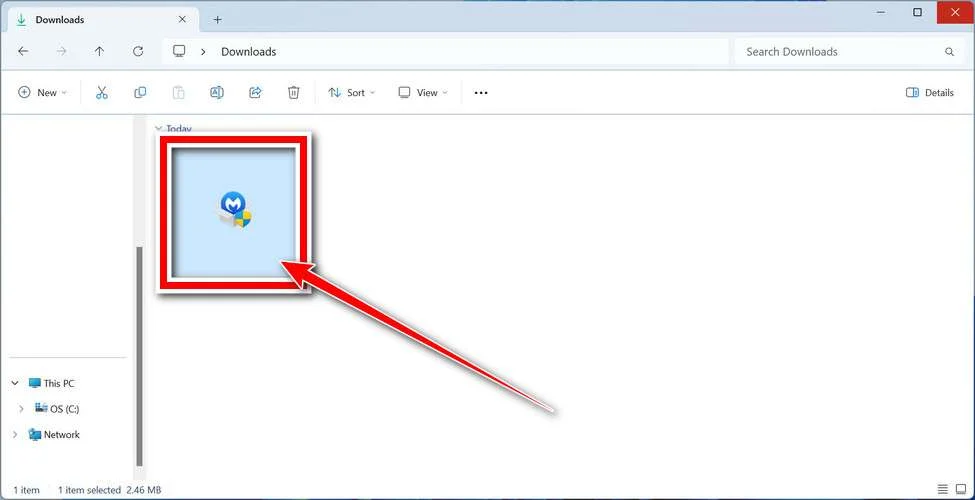
Follow the On-Screen Prompts to Install Malwarebytes
The setup wizard will walk you through a few quick screens:
-
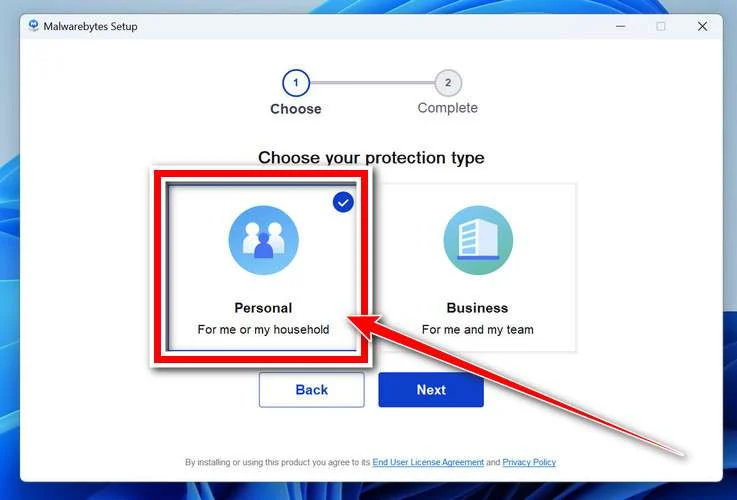
Choose where you’re installing the program — “Personal Computer” or “Work Computer” — then click Next.
-
Malwarebytes will now install on your device. This usually takes under a minute.

-
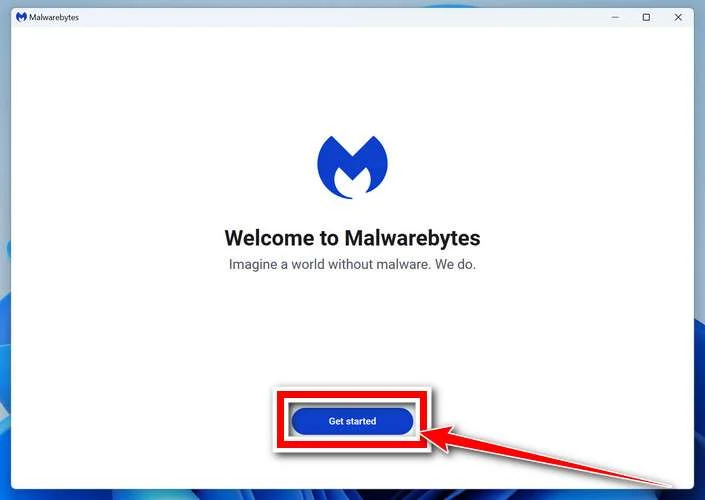
When installation is complete, the “Welcome to Malwarebytes” screen will open automatically.
-
On the final screen, click Open Malwarebytes to launch the program.

-
Enable “Scan for Rootkits”
Before scanning, turn on rootkit detection so Malwarebytes can find even the most hidden threats. Click the Settings gear icon on the left side of the screen.
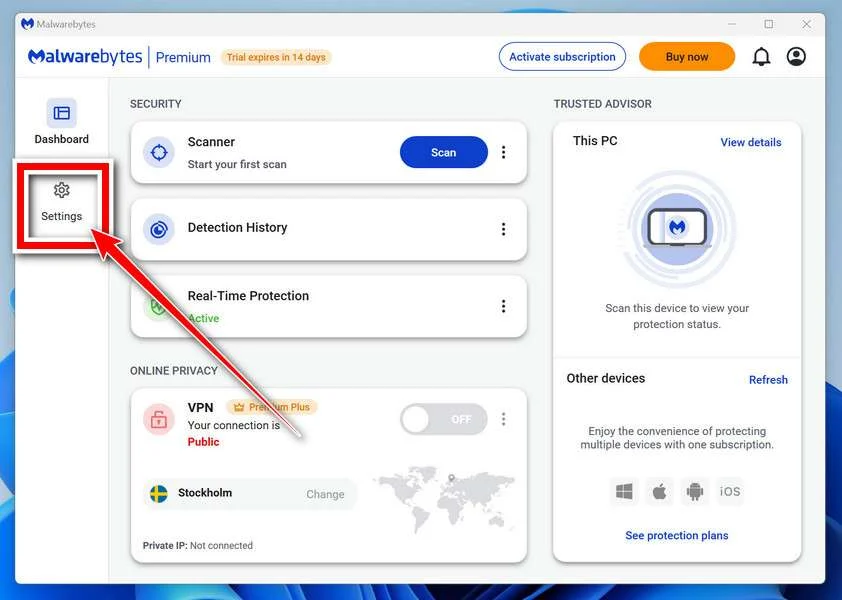
In the settings menu, find “Scan for rootkits” and click the toggle so it turns blue.

Done? Click “Dashboard” in the left pane to return to the main screen.
Start the Scan
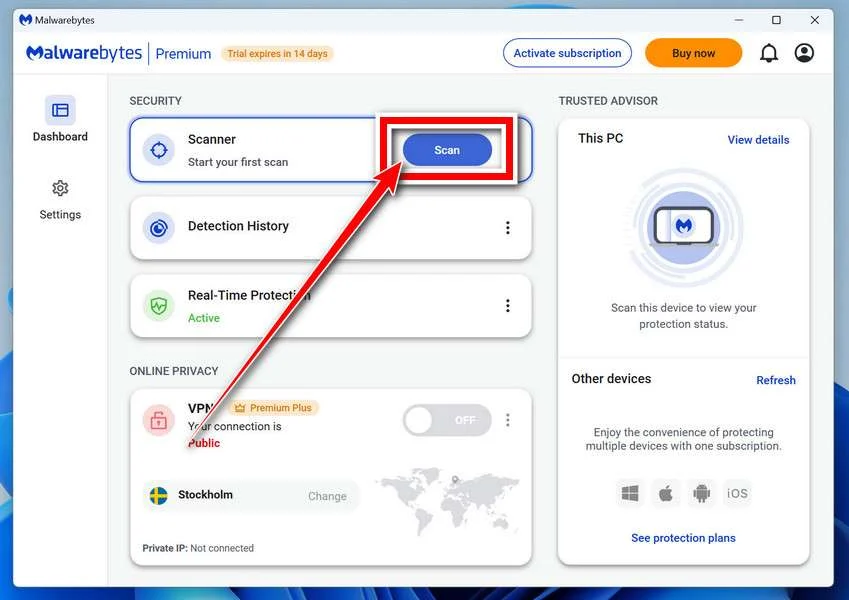
Click the blue Scan button. Malwarebytes will automatically update its virus database and start checking your computer for malware.
-
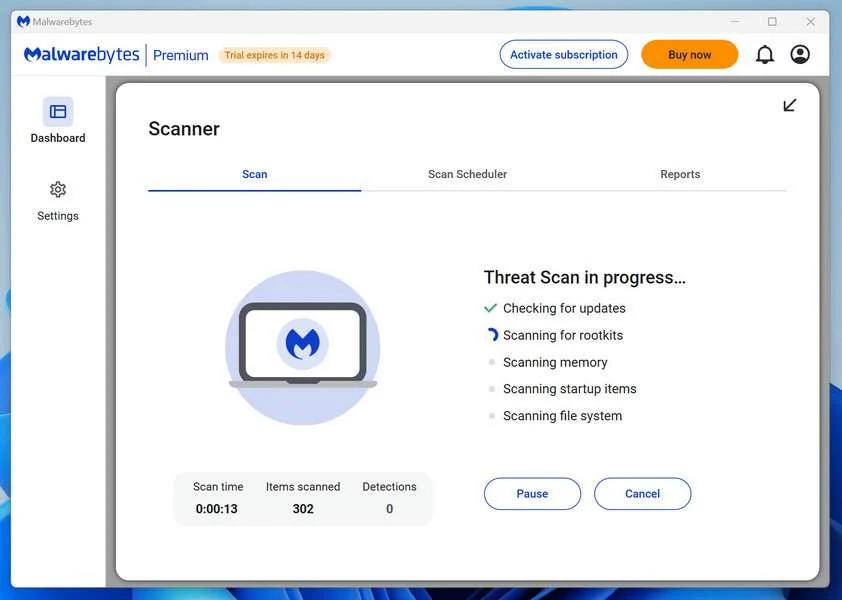
Wait for the Scan to Finish
The scan checks your entire system for browser hijackers and other malicious programs, so it can take 5 to 20 minutes depending on your computer. Feel free to do something else — just check back occasionally to see the progress.
-
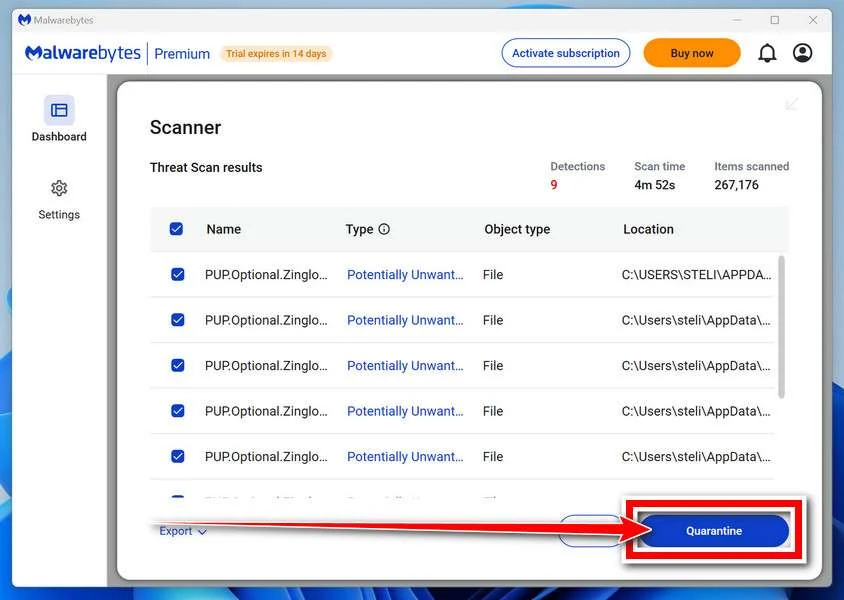
Quarantine the Detected Threats
When the scan is done, you’ll see a list of everything Malwarebytes found — malware, adware, and potentially unwanted programs. Click the “Quarantine” button to remove all of them at once.
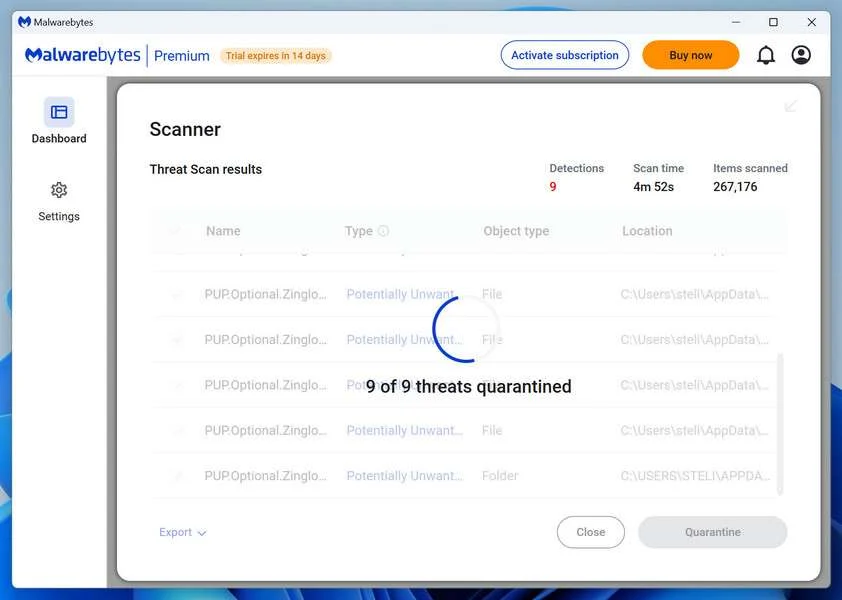
Malwarebytes will now remove the malicious files and registry entries and move them safely into quarantine.
-
Restart Your Computer
Some threats can only be fully removed after a reboot. If Malwarebytes asks you to restart, click Yes. Once you’re logged back in, Malwarebytes has finished removing the threats it found.
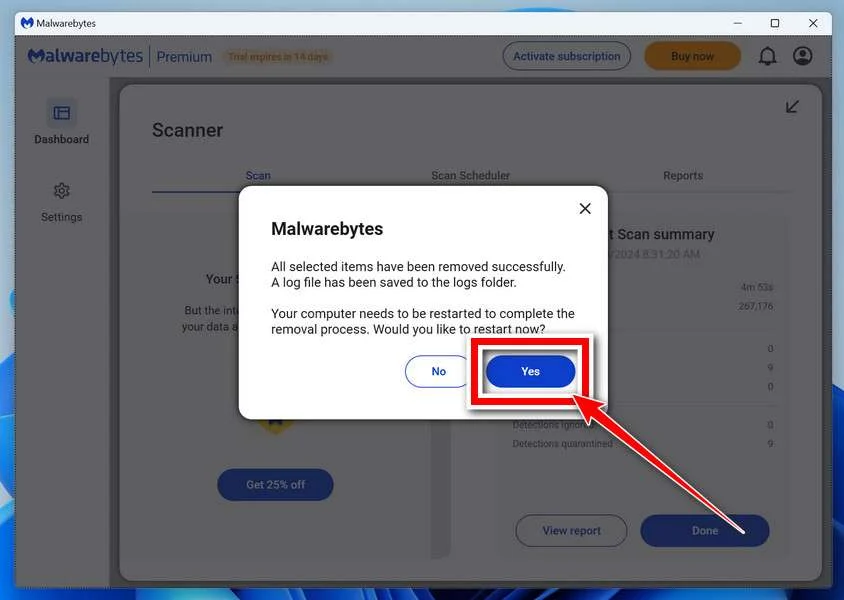
That’s it — your Windows PC is now clean of trojans, adware, and other malware, and should be back to running smoothly.
If you are still having problems with your computer after completing these instructions, then please follow one of the steps:
- Run a computer scan with ESET Online Scanner
- Ask for help in our Windows Malware Removal Help & Support forum.
Run a Malware Scan with Malwarebytes for Mac
Malwarebytes for Mac is a free on-demand scanner that removes the malware other security software tends to miss — adware, browser hijackers, and unwanted programs included. Cleaning an infected Mac with Malwarebytes has always been completely free, and it’s our go-to recommendation. Follow the steps below to scan and clean your Mac in just a few minutes.
-
Download Malwarebytes for Mac
Click the button below to download the latest version of Malwarebytes for Mac.
Download MalwarebytesOfficial installer for macOS. Your download starts right away.Want real-time protection? See Malwarebytes PremiumMalwarebytes Free for MacScans and removes malware at no cost -
Open the Malwarebytes setup file
When the download finishes, open your Downloads folder and double-click the setup file to begin the installation.
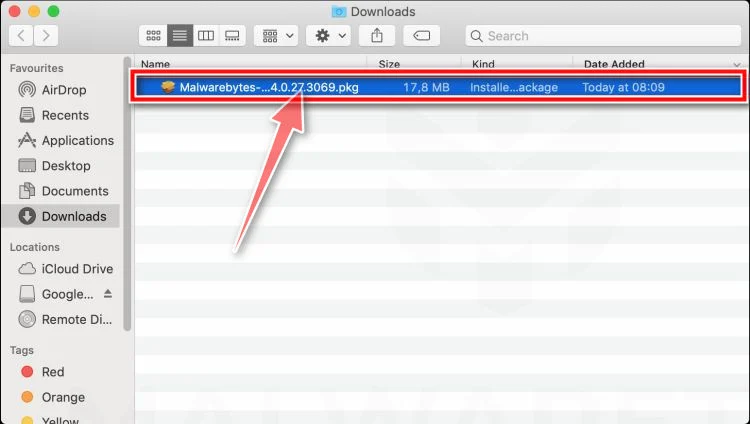
-
Follow the On-Screen Prompts to Install Malwarebytes
The Malwarebytes for Mac Installer will guide you through a few quick screens. Click “Continue” and keep following the prompts until the installation completes.
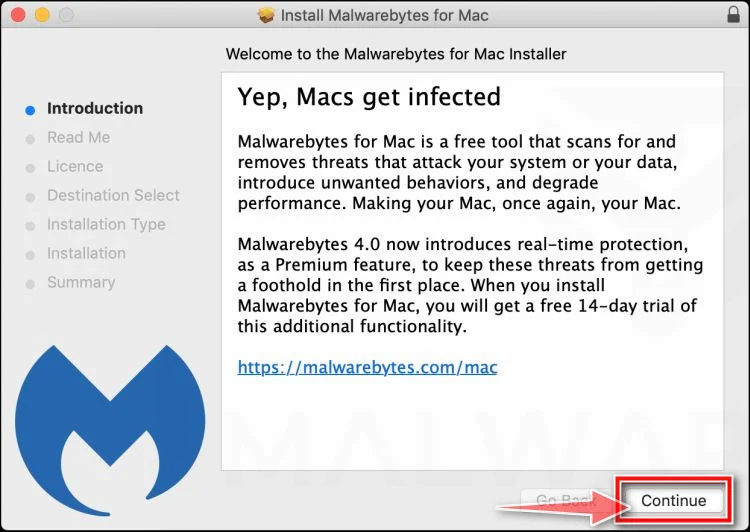
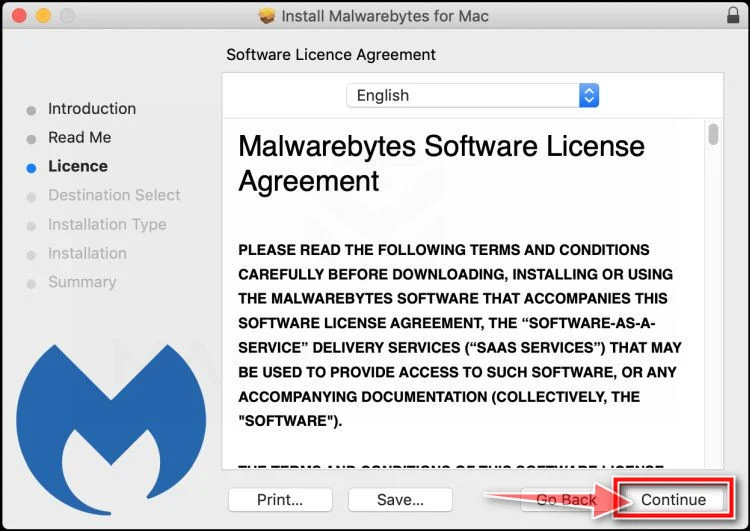
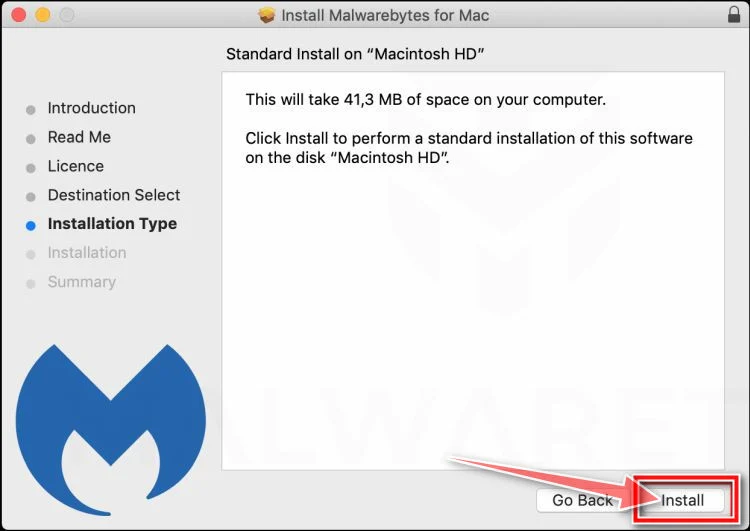
When the installation is complete, Malwarebytes opens to the Welcome to Malwarebytes screen. Click “Get started“.
-
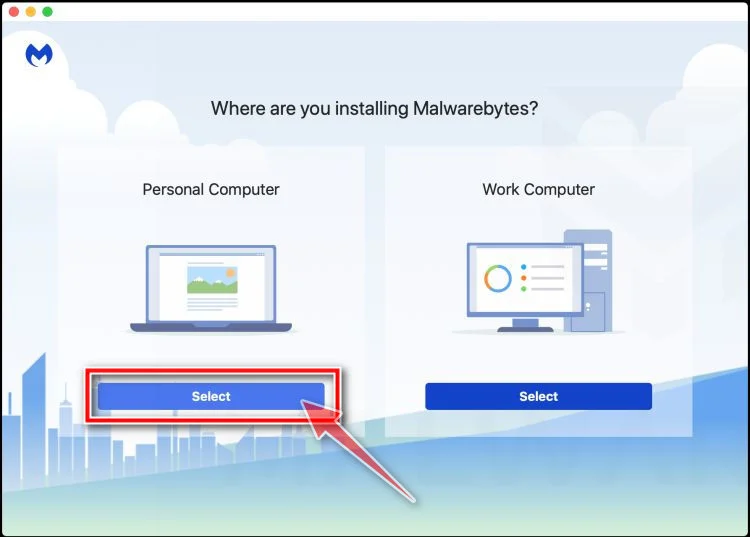
Select “Personal Computer” or “Work Computer”
Malwarebytes will ask what type of computer you’re installing it on. Click either Personal Computer or Work Computer, whichever applies.
-
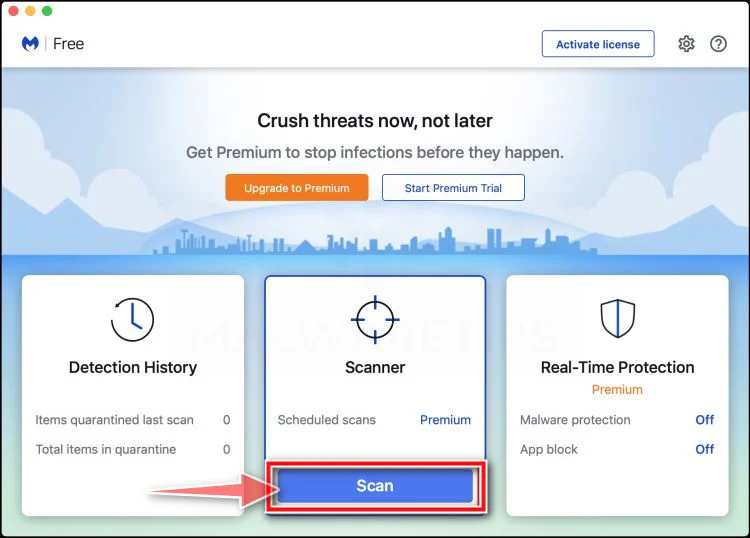
Start the Scan
Click the “Scan” button. Malwarebytes will automatically update its detection database and begin checking your Mac for malware.
-
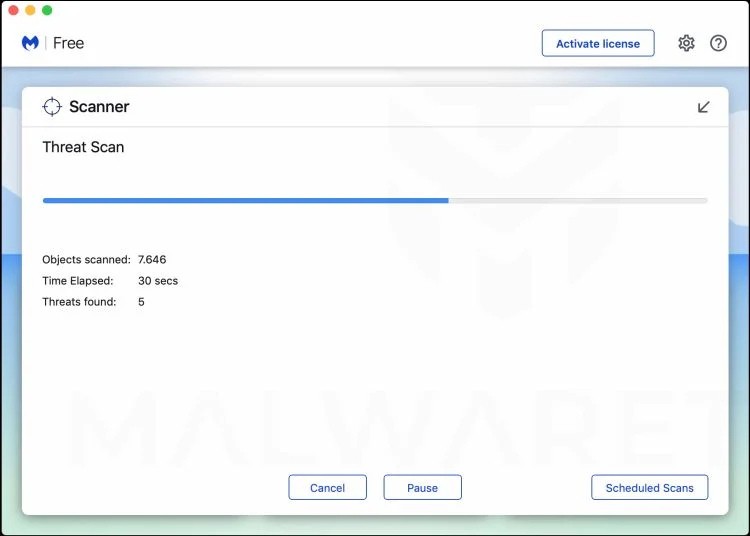
Wait for the Scan to Finish
Malwarebytes will scan your Mac for adware, browser hijackers, and other malicious programs. This can take a few minutes, so feel free to do something else — just check back occasionally to see the progress.
-
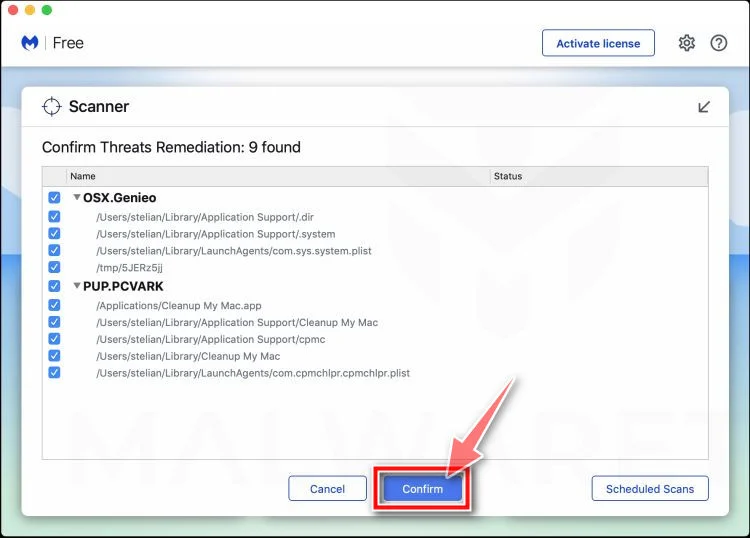
Quarantine the Detected Threats
When the scan is done, you’ll see a list of everything Malwarebytes found. Click the “Quarantine” button to remove all the threats at once.
-
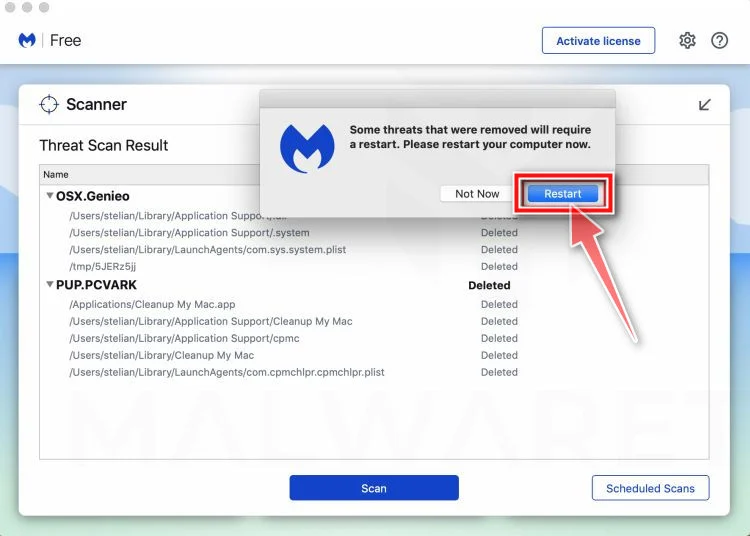
Restart Your Mac
Malwarebytes will now remove all the malicious files it found. Some threats can only be fully removed after a reboot — if Malwarebytes asks you to restart, allow it. Once you’re logged back in, your Mac is clean.
That’s it — your Mac is now free of adware, rogue browser extensions, and other potentially harmful software.
If you are still experiencing problems while trying to remove a malicious program from your computer, please ask for help in our Mac Malware Removal Help & Support forum.
Run a Malware Scan with Malwarebytes for Android
Malwarebytes for Android automatically detects and removes dangerous threats like malware and ransomware so you don’t have to worry about your most-used device being compromised. Aggressive detection of adware and potentially unwanted programs keeps your Android phone or tablet running smooth.
-
Download Malwarebytes for Android.
You can download Malwarebytes for Android by clicking the link below.
Get Malwarebytes for AndroidOpens Google Play in a new tab.Want real-time protection? See Malwarebytes Premium for AndroidMalwarebytes for AndroidScans your phone and removes malware at no cost -
Install Malwarebytes for Android on your phone.
In the Google Play Store, tap “Install” to install Malwarebytes for Android on your device.

When the installation process has finished, tap “Open” to begin using Malwarebytes for Android. You can also open Malwarebytes by tapping on its icon in your phone menu or home screen.

-
Follow the on-screen prompts to complete the setup process
When Malwarebytes will open, you will see the Malwarebytes Setup Wizard which will guide you through a series of permissions and other setup options.
This is the first of two screens that explain the difference between the Premium and Free versions. Swipe this screen to continue.
Tap on “Got it” to proceed to the next step.
Malwarebytes for Android will now ask for a set of permissions that are required to scan your device and protect it from malware. Tap on “Give permission” to continue.
Tap on “Allow” to permit Malwarebytes to access the files on your phone.
-
Update database and run a scan with Malwarebytes for Android
You will now be prompted to update the Malwarebytes database and run a full system scan.

Click on “Update database” to update the Malwarebytes for Android definitions to the latest version, then click on “Run full scan” to perform a system scan.

-
Wait for the Malwarebytes scan to complete.
Malwarebytes will now start scanning your phone for adware and other malicious apps. This process can take a few minutes, so we suggest you do something else and periodically check on the status of the scan to see when it is finished.

-
Click on “Remove Selected”.
When the scan has been completed, you will be presented with a screen showing the malware infections that Malwarebytes for Android has detected. To remove the malicious apps that Malwarebytes has found, tap on the “Remove Selected” button.

-
Restart your phone.
Malwarebytes for Android will now remove all the malicious apps that it has found. To complete the malware removal process, Malwarebytes may ask you to restart your device.
That’s it — your Android phone is now clean — no more malicious apps, adware, or browser redirects.
If you are still having problems with your phone after completing these instructions, then please follow one of the steps:
- Restore your phone to factory settings by going to Settings > General management > Reset > Factory data reset.
- Ask for help in our Mobile Malware Removal Help & Support forum.
Stay Protected: Block Ads and Malicious Sites
Now that your device is clean, keep it that way. Most infections start with a malicious ad or a fake download button — so blocking them at the source is your best defense.
We recommend AdGuard, which blocks malicious ads, phishing pages, and dangerous redirects before they can reach you.
👉 Download AdGuard and browse safely
The Bottom Line
Tax Abatement scam phone calls succeed because they sound orderly, official, and helpful, right up until they push you to “verify” through their private line and pay a fee to unlock relief.
If the call is unsolicited, treat it as a red flag. The IRS does not randomly call you to offer secret shortcuts or instant confirmation. When in doubt, hang up and verify independently through official channels.
If you already engaged, focus on damage control: stop contact, document everything, secure your accounts, dispute payments quickly, and confirm your real tax status directly.
The goal is simple: remove urgency, replace it with verification, and keep your money and identity out of a stranger’s hands.
FAQ
What is a “Tax Abatement” scam phone call?
It’s an unsolicited call where someone claims you have tax problems and offers to connect you with a “tax abatement officer” or a special “verification line.” The goal is usually to collect personal information, take an upfront fee, or lock you into recurring charges.
Is tax abatement a real thing?
The phrase can be real in certain contexts, but the scam is the cold call plus fake “programs” and pressure tactics. Legitimate tax help does not start with a random call promising instant confirmation or guaranteed reductions.
Does the IRS contact people by phone first?
For most situations, the IRS initiates contact by mail. A surprise call claiming urgent tax issues should be treated as suspicious, especially if they push you to act immediately or pay to “verify.”
What are the biggest red flags during the call?
Common red flags include:
- Unsolicited outreach about your “tax status”
- Claims your account is “flagged” or “marked”
- A “no-wait” or “proprietary verification line”
- Vague agency names you can’t verify
- Pressure to act “today”
- Requests for payment before written documentation
- Requests for unusual payments (wire, gift cards, crypto, payment apps)
They knew my name and phone number. Does that mean it’s legitimate?
No. Your name, number, and even address can come from data brokers, prior breaches, public records, or marketing lists. Scammers often have enough real information to sound credible.
What do scammers usually ask for?
They commonly try to collect:
- Social Security number or last 4 digits
- Date of birth
- Address and employment details
- Bank account or card information
- Copies of tax documents
They may frame it as “verification” or an “eligibility check.”
What happens if I called back or answered their questions?
Calling back confirms your number is active and can increase future scam attempts. If you shared personal data, you may face higher risk of identity theft or follow-up fraud calls pretending to be “refund” or “case resolution” teams.
I paid a fee. Can I get my money back?
Sometimes, yes, depending on how you paid:
- Credit card: you may be able to dispute the charge and block future billing.
- Debit/bank transfer: recovery is harder, but contact your bank immediately.
- Wire, gift cards, crypto: recovery is often unlikely, but still report it.
What should I do immediately if I think I was scammed?
Take these steps quickly:
- Stop contact and do not pay more.
- Save all numbers, voicemails, texts, and receipts.
- Call your bank or card issuer to dispute and prevent additional charges.
- If you shared SSN or sensitive info, place a credit freeze or fraud alert.
- Verify your real tax status through official IRS channels.
How can I safely check if I really owe taxes?
Do not use any phone number or link provided by the caller. Instead:
- Review any IRS letters you have received by mail.
- Use official IRS resources to check your account status.
- If you need help, contact a credentialed tax professional you choose (CPA, Enrolled Agent, or tax attorney).
Why do they talk about “no-wait lines” and “instant confirmation”?
It’s a psychological hook. They’re selling speed and certainty to keep you from slowing down, verifying independently, or realizing the program names and “departments” don’t exist.
Will blocking the number stop the scam?
It helps, but scammers rotate numbers. The best defense is to avoid engaging, use call blocking features, and treat any unsolicited “tax relief” call as suspicious by default.

Join the discussion
0 commentsShare your experience or ask a question about this article.
Community experiences
Did this happen to you?
Your experience could help someone recognize the same scam. Submit a private report for our team to review.
I experienced this tooReports are reviewed before publication. Sharing publicly is always your choice.
Discussion
Start the conversation
Have a question or something useful to share? Add the first comment.