

When it comes to managing software on your computer, it’s important to understand what each program does and whether or not it is necessary for your system’s functionality. One such program that often raises questions is the ThinkVantage Communications Utility. In this article, we will explore what the ThinkVantage Communications Utility is, its purpose, and whether or not you should consider removing it from your computer.
What is the ThinkVantage Communications Utility?
The ThinkVantage Communications Utility is a software program developed by Lenovo specifically for their ThinkPad laptops. It is designed to enhance the communication capabilities of the laptop by providing features such as video conferencing, voice over IP (VoIP) calling, and instant messaging.
With the ThinkVantage Communications Utility, users can easily connect with colleagues, friends, and family through various communication channels. It integrates with popular communication applications such as Skype and Microsoft Lync, allowing users to make video calls, send instant messages, and manage their contacts all in one place.
Key Features of the ThinkVantage Communications Utility
The ThinkVantage Communications Utility offers several key features that can enhance your communication experience on a ThinkPad laptop. Some of these features include:
- Video Conferencing: The utility allows users to conduct video conferences with multiple participants, making it easier to collaborate with colleagues or connect with friends and family.
- VoIP Calling: With the ThinkVantage Communications Utility, users can make voice calls over the internet using popular VoIP services. This can be a cost-effective way to stay connected with others, especially for international calls.
- Instant Messaging: The utility provides a built-in instant messaging feature, allowing users to send and receive messages in real-time. This can be useful for quick communication or when video or voice calls are not necessary.
- Contact Management: Users can easily manage their contacts within the ThinkVantage Communications Utility, making it convenient to keep track of important connections.
Should I Remove the ThinkVantage Communications Utility?
Whether or not you should remove the ThinkVantage Communications Utility depends on your specific needs and usage patterns. Here are a few factors to consider:
1. Usage Frequency
If you frequently use video conferencing, VoIP calling, or instant messaging on your ThinkPad laptop, then the ThinkVantage Communications Utility can be a valuable tool. It provides a centralized platform for managing your communication needs, making it more convenient and efficient.
2. Alternative Applications
If you already have alternative applications installed on your laptop that provide similar communication features, you may not need the ThinkVantage Communications Utility. For example, if you primarily use Skype for video calls and instant messaging, you may find that the utility duplicates functionality that you already have.
3. System Resources
It’s important to consider the impact of the ThinkVantage Communications Utility on your system resources. While it is designed to be lightweight and efficient, it still consumes some amount of CPU and memory resources. If you have limited system resources or notice a significant impact on performance, you may consider removing the utility.
How to Remove the ThinkVantage Communications Utility
If you have decided to remove the ThinkVantage Communications Utility from your ThinkPad laptop, there are a few methods you can use:
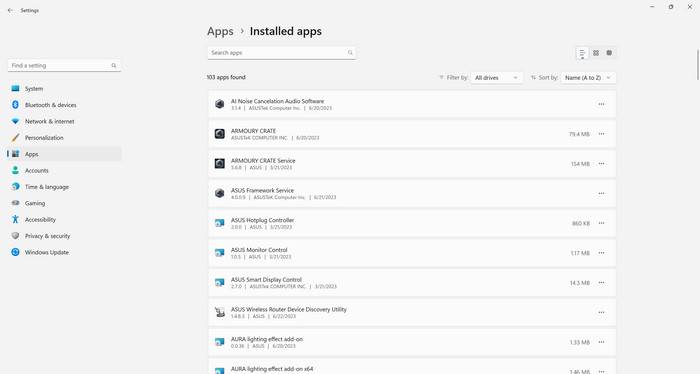
- Uninstall via Control Panel: The most common method is to uninstall the utility through the Control Panel. Simply navigate to the “Programs and Features” section, locate the ThinkVantage Communications Utility, and click on “Uninstall”.
- Third-Party Uninstaller: Another option is to use a third-party uninstaller tool, such as Revo Uninstaller Free. These tools often provide more thorough removal of programs, including leftover files and registry entries.
Regardless of the method you choose, it’s always a good idea to create a backup of your important files and data before uninstalling any software.
Conclusion
The ThinkVantage Communications Utility is a software program developed by Lenovo to enhance the communication capabilities of their ThinkPad laptops. It offers features such as video conferencing, VoIP calling, instant messaging, and contact management. Whether or not you should remove the utility depends on your specific needs, alternative applications, and system resources. If you decide to remove it, you can use the Control Panel or a third-party uninstaller tool like Revo Uninstaller Free. Ultimately, the choice to keep or remove the ThinkVantage Communications Utility is yours, based on your individual requirements and preferences.

Join the discussion
0 commentsShare your experience or ask a question about this article.
Discussion
Start the conversation
Have a question or something useful to share? Add the first comment.