

Toshiba DVD Player is a software application developed by Toshiba Corporation that allows users to play DVDs on their computers. It provides a user-friendly interface with various features and settings to enhance the viewing experience. However, like any other software, it has its pros and cons, and users often wonder whether they should remove it from their systems. In this article, we will explore what Toshiba DVD Player is, its features, potential issues, and whether it is necessary to remove it.
What is Toshiba DVD Player?
Toshiba DVD Player is a multimedia software application designed specifically for Toshiba laptops and desktop computers. It allows users to play DVDs and Blu-ray discs on their devices, providing a convenient way to enjoy movies, TV shows, and other video content. The software offers a user-friendly interface with intuitive controls, making it easy for users to navigate and customize their viewing experience.
Some key features of Toshiba DVD Player include:
- Playback of DVD and Blu-ray discs
- Support for various video and audio formats
- Customizable settings for video and audio playback
- Subtitle support
- Screen capture functionality
- Integration with Toshiba’s hardware features, such as HDMI output
Should I Remove Toshiba DVD Player?
Whether or not you should remove Toshiba DVD Player depends on your specific needs and preferences. Here are some factors to consider:
1. Usage Frequency
If you frequently watch DVDs or Blu-ray discs on your Toshiba computer, Toshiba DVD Player can be a valuable tool. It provides a seamless playback experience with support for various formats and customizable settings. Removing it may limit your ability to play physical media on your device.
2. Alternative Software
If you rarely use physical media and prefer streaming services or digital downloads for your entertainment needs, removing Toshiba DVD Player may not have a significant impact on your usage. There are numerous alternative media players available, such as VLC Media Player and Windows Media Player, that can handle various video formats.
3. System Resources
Some users may choose to remove Toshiba DVD Player to free up system resources. While the software is generally lightweight and does not consume excessive resources, removing it can potentially improve system performance, especially on older or low-spec machines.
4. Security Concerns
Like any software, Toshiba DVD Player may have vulnerabilities that could be exploited by malicious actors. However, there have been no widespread reports of security issues specifically related to Toshiba DVD Player. If you are concerned about potential security risks, it is always a good practice to keep your software up to date and regularly scan your system for malware using reputable antivirus software like Malwarebytes Free.
How to Remove Toshiba DVD Player?
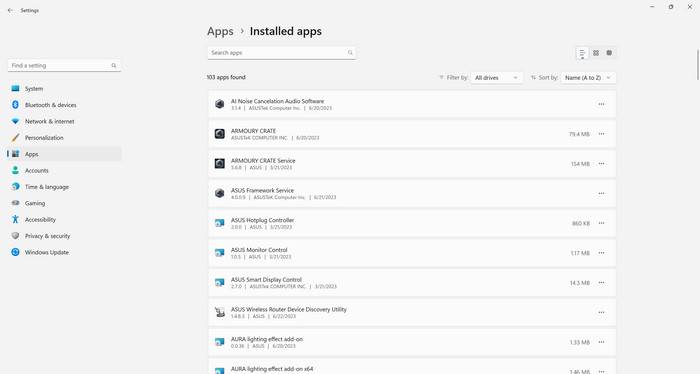
If you have decided to remove Toshiba DVD Player from your system, you can do so using the following steps:
- Open the Control Panel on your Toshiba computer.
- Select “Uninstall a program” or “Programs and Features.”
- Locate Toshiba DVD Player in the list of installed programs.
- Right-click on Toshiba DVD Player and select “Uninstall.”
- Follow the on-screen prompts to complete the uninstallation process.
After removing Toshiba DVD Player, you may want to consider installing an alternative media player if you still require DVD or Blu-ray playback functionality.
Conclusion
Toshiba DVD Player is a software application that provides users with the ability to play DVDs and Blu-ray discs on their Toshiba computers. Whether or not you should remove it depends on your usage frequency, preference for alternative software, system resources, and security concerns. If you frequently use physical media and find Toshiba DVD Player useful, there is no need to remove it. However, if you rarely use DVDs or prefer alternative media players, removing Toshiba DVD Player may be a viable option. Remember to regularly update your software and scan your system for malware to ensure optimal security. Ultimately, the decision to remove Toshiba DVD Player should be based on your individual needs and preferences.

Join the discussion
0 commentsShare your experience or ask a question about this article.
Discussion
Start the conversation
Have a question or something useful to share? Add the first comment.