

When it comes to computer software, it’s important to understand what each program does and whether it is necessary for your system’s functionality. One such program that users often come across is the TOSHIBA Speech System SR Engine U.S. Version 1.0. In this article, we will delve into what this program is, its purpose, and whether you should consider removing it from your computer.
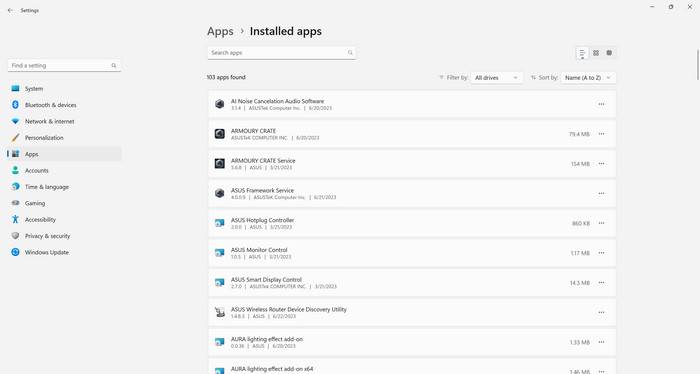
Understanding the TOSHIBA Speech System SR Engine U.S. Version 1.0
The TOSHIBA Speech System SR Engine U.S. Version 1.0 is a speech recognition software developed by Toshiba Corporation. It is designed to enable voice commands and dictation on Toshiba laptops and desktop computers. The software utilizes advanced algorithms and language models to convert spoken words into text, allowing users to interact with their devices using voice commands.
This speech recognition technology can be particularly useful for individuals with disabilities or those who prefer a hands-free approach to computer usage. It allows users to navigate through applications, dictate text, and perform various tasks without the need for manual input.
Should You Remove the TOSHIBA Speech System SR Engine U.S. Version 1.0?
Whether or not you should remove the TOSHIBA Speech System SR Engine U.S. Version 1.0 depends on your specific needs and preferences. Here are a few factors to consider:
1. Usage:
If you frequently use voice commands or dictation on your Toshiba device, removing the TOSHIBA Speech System SR Engine U.S. Version 1.0 may hinder your ability to perform these tasks efficiently. The software is specifically designed to enhance the voice recognition capabilities of Toshiba devices, so if you rely on these features, it is recommended to keep the program installed.
2. System Performance:
While the TOSHIBA Speech System SR Engine U.S. Version 1.0 runs in the background, it generally does not consume significant system resources. However, if you notice a decrease in system performance or experience any compatibility issues with other software, it may be worth considering removing the program.
3. Privacy Concerns:
Some users may have concerns about privacy when it comes to speech recognition software. It is important to note that the TOSHIBA Speech System SR Engine U.S. Version 1.0 primarily operates locally on your device and does not transmit your voice data to external servers. However, if you have specific privacy concerns, you may choose to remove the software.
How to Remove the TOSHIBA Speech System SR Engine U.S. Version 1.0
If you have decided to remove the TOSHIBA Speech System SR Engine U.S. Version 1.0 from your computer, here are the steps to do so:
- Click on the “Start” menu and open the “Control Panel.”
- Select “Programs” or “Programs and Features,” depending on your version of Windows.
- Locate the TOSHIBA Speech System SR Engine U.S. Version 1.0 in the list of installed programs.
- Click on the program and select “Uninstall” or “Remove.”
- Follow the on-screen prompts to complete the uninstallation process.
It is important to note that removing the TOSHIBA Speech System SR Engine U.S. Version 1.0 may disable the voice recognition features on your Toshiba device. If you decide to remove the software and later wish to re-enable these features, you may need to reinstall the program or seek alternative speech recognition solutions.
Scanning for Malware
Before making any changes to your computer’s software, it is always a good idea to scan for malware. Malware can sometimes disguise itself as legitimate programs, and it is essential to ensure the safety and security of your system.
We recommend using Malwarebytes Free to scan your computer for any potential threats. Malwarebytes is a trusted and effective anti-malware software that can help detect and remove any malicious programs that may be present on your system.
Conclusion
The TOSHIBA Speech System SR Engine U.S. Version 1.0 is a speech recognition software developed by Toshiba Corporation. It enables voice commands and dictation on Toshiba devices, providing a hands-free approach to computer usage. Whether or not you should remove the software depends on your specific needs, system performance, and privacy concerns.
If you frequently use voice commands or dictation, it is recommended to keep the TOSHIBA Speech System SR Engine U.S. Version 1.0 installed. However, if you experience performance issues or have privacy concerns, you may choose to remove the program. Remember to scan your computer for malware using Malwarebytes Free before making any changes to your system.
Ultimately, the decision to remove the TOSHIBA Speech System SR Engine U.S. Version 1.0 should be based on your individual requirements and preferences.

Join the discussion
0 commentsShare your experience or ask a question about this article.
Discussion
Start the conversation
Have a question or something useful to share? Add the first comment.