

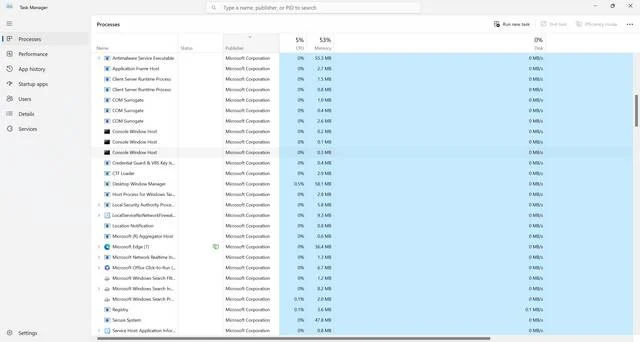
When you open the Task Manager on your Windows computer, you may notice a process called “User Profile Service” running in the background. This process, also known as “User Profile Service (ProfSvc)”, is an essential component of the Windows operating system. In this article, we will explore why the User Profile Service process is running in Task Manager, its functions, and how it impacts your computer’s performance.
What is the User Profile Service Process?
The User Profile Service process is responsible for managing user profiles on a Windows computer. A user profile contains personalized settings, preferences, and files associated with a specific user account. When you log in to your computer, the User Profile Service process loads your profile, allowing you to access your customized desktop, documents, and other personal data.
The User Profile Service process is crucial for maintaining a separate and secure environment for each user on a shared computer. It ensures that your settings and files are kept separate from other users, providing privacy and personalization.
Why is the User Profile Service Process Running in Task Manager?
The User Profile Service process runs in Task Manager to ensure the smooth functioning of user profiles and to handle various tasks related to user accounts. Here are some reasons why the User Profile Service process may be running:
- Logging in and out: When you log in or out of your Windows account, the User Profile Service process is responsible for loading and unloading your user profile.
- Profile creation and deletion: The User Profile Service process creates and deletes user profiles when new accounts are added or existing accounts are removed from the computer.
- Profile synchronization: If you have multiple devices connected to the same Microsoft account, the User Profile Service process synchronizes your settings and preferences across those devices.
- Profile repair: In case of any issues with your user profile, such as corruption or missing files, the User Profile Service process attempts to repair the profile to ensure a seamless user experience.
Impact on Computer Performance
The User Profile Service process is designed to run efficiently in the background without causing significant performance issues. However, certain factors can affect its performance and lead to high CPU or disk usage. Here are some scenarios where the User Profile Service process may impact your computer’s performance:
- Large user profiles: If your user profile contains a large number of files, folders, or personalized settings, it may take longer for the User Profile Service process to load or unload the profile, resulting in slower login or logout times.
- Corrupted profiles: If your user profile becomes corrupted due to software conflicts or system errors, the User Profile Service process may consume more system resources while attempting to repair the profile.
- Malware or viruses: In rare cases, malware or viruses can disguise themselves as the User Profile Service process, causing high CPU or disk usage. It is essential to regularly scan your computer for malware using reliable antivirus software like Malwarebytes Free.
Troubleshooting User Profile Service Issues
If you encounter any issues related to the User Profile Service process, here are some troubleshooting steps you can follow:
- Restart your computer: Sometimes, a simple restart can resolve temporary issues with the User Profile Service process.
- Scan for malware: As mentioned earlier, scanning your computer for malware using a reliable antivirus software like Malwarebytes Free can help identify and remove any malicious programs that may be affecting the User Profile Service process.
- Create a new user profile: If your current user profile is corrupted, creating a new user profile and transferring your files and settings to the new profile can resolve the issue.
- Update Windows: Keeping your Windows operating system up to date ensures that you have the latest bug fixes and security patches, which can help resolve any known issues with the User Profile Service process.
Summary
The User Profile Service process is an integral part of the Windows operating system, responsible for managing user profiles and providing a personalized computing experience. It runs in Task Manager to handle various tasks related to user accounts, such as profile loading, creation, synchronization, and repair.
While the User Profile Service process is designed to run efficiently, certain factors like large user profiles, profile corruption, or malware can impact its performance and lead to high CPU or disk usage. By following the troubleshooting steps mentioned above and regularly scanning your computer for malware using Malwarebytes Free, you can ensure a smooth and secure user profile experience on your Windows computer.

Join the discussion
0 commentsShare your experience or ask a question about this article.
Discussion
Start the conversation
Have a question or something useful to share? Add the first comment.