

The USPS “Invalid Recipient Address” scam is a new phishing technique aiming to steal sensitive personal information from unsuspecting victims. Scammers are sending fraudulent text messages and emails pretending to be from the United States Postal Service. The messages claim that a package cannot be delivered due to an invalid recipient address. They urge recipients to click on a link to correct their address and pay a small redelivery fee. However, the link directs users to a fake USPS website designed to steal personal and financial information.
This article will take an in-depth look at how the “Invalid Recipient Address” phishing scam operates, how to protect yourself if targeted, and ways to avoid falling for similar frauds in the future.
Overview of the USPS “Invalid Recipient Address” Scam
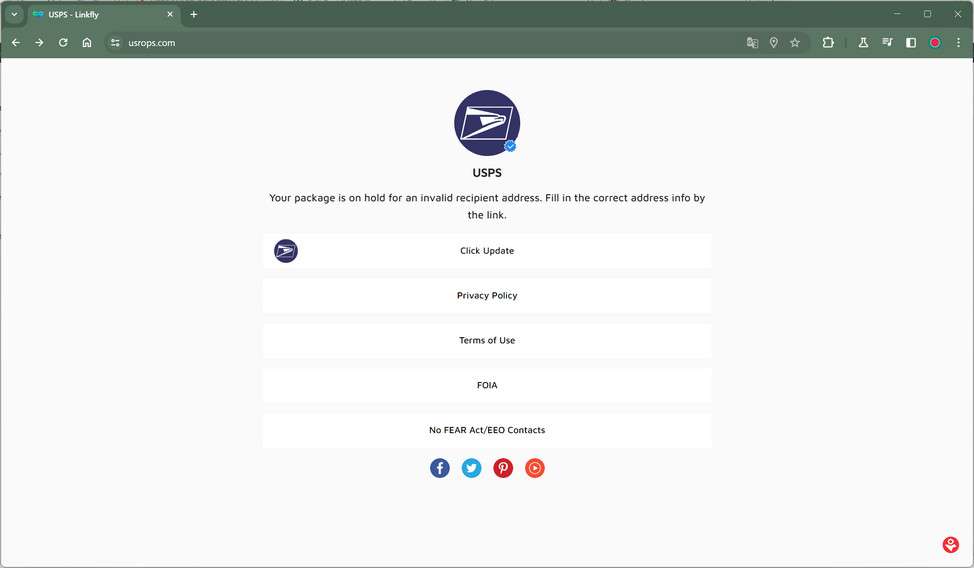
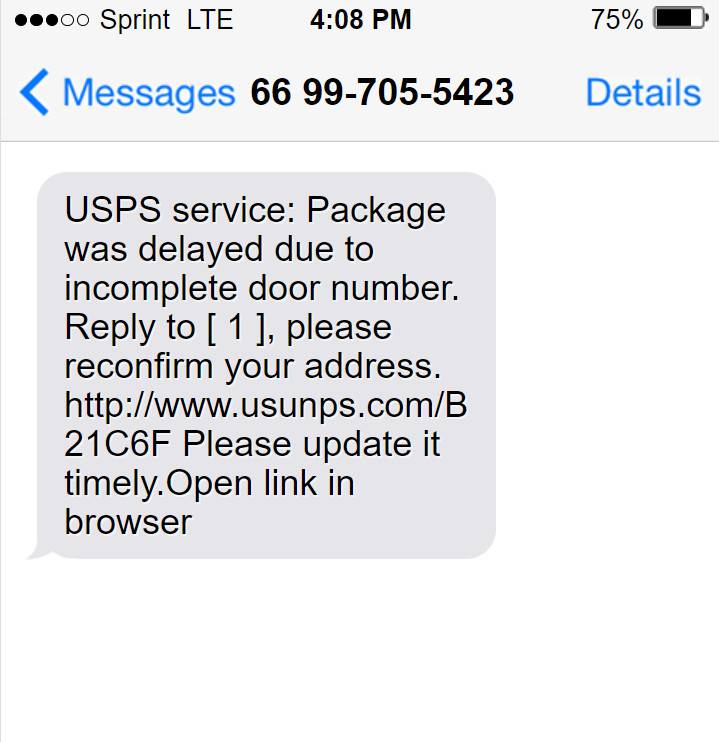
This scam starts with potential victims receiving a text message or email supposedly from the USPS. The message claims a package cannot be delivered due to an invalid recipient address. Scammers pretend to be from the USPS and typically say something like:
“Your package is on hold for an invalid recipient address. Fill in the correct address info by the link below.”
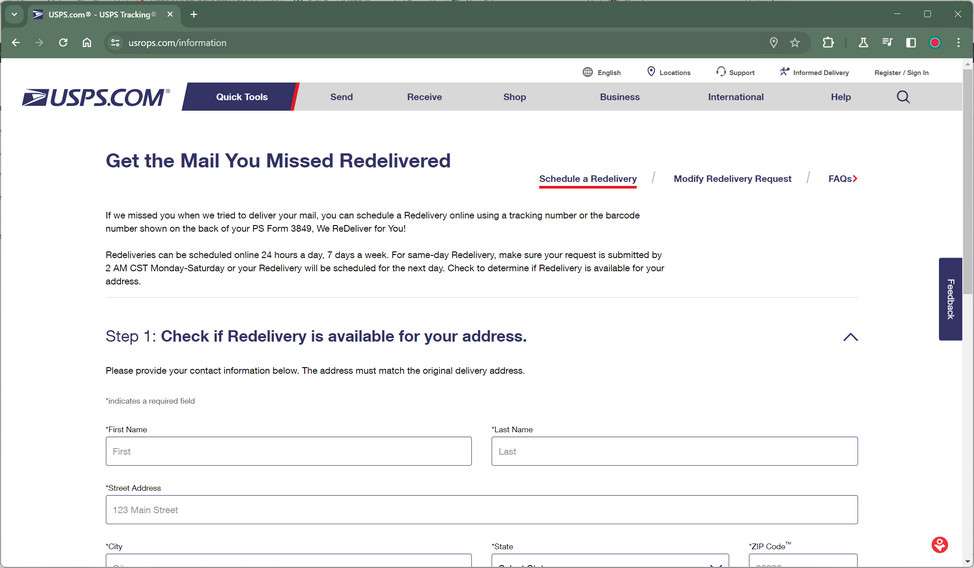
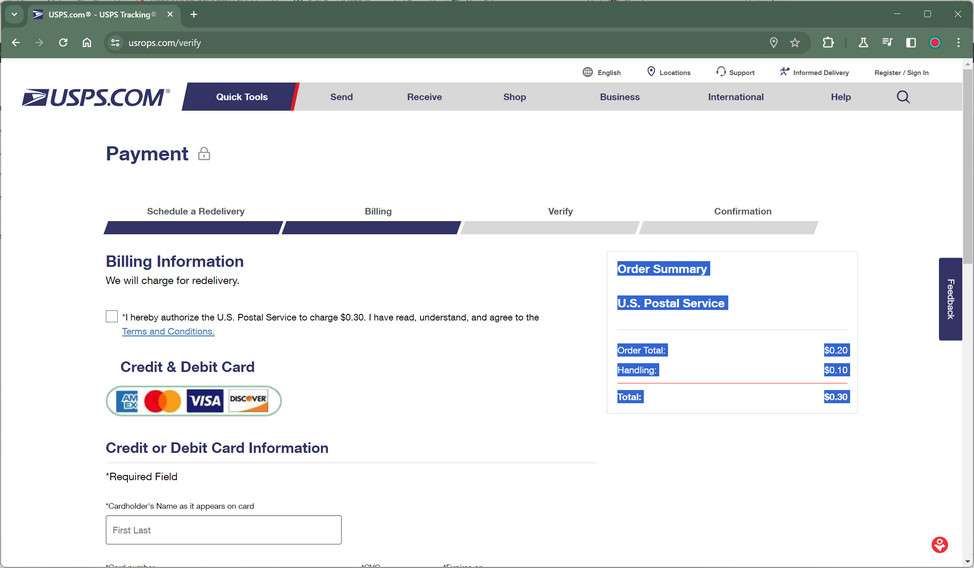
The message urges victims to click on a link redirecting them to a fake USPS site. The fraudulent site mimics a real USPS page and asks victims to enter updated address information. It also requests a small redelivery fee, typically $0.20 to $0.30.
However, unsuspecting users who enter personal data and payment info are at risk of identity theft and financial fraud. The scammers steal sensitive information like names, addresses, credit card numbers, security codes, and more. Data is then used to commit other crimes like opening fraudulent accounts, taking over existing accounts, or selling info on the dark web.
This scam is essentially a phishing attack targeting innocent victims expecting package deliveries. Phishing uses urgent-sounding messages with links to fake sites impersonating trusted brands. The USPS name and logos are used to make the scam appear legitimate. But real USPS communications would not ask for personal info or payments over text or email.
How the USPS “Invalid Recipient Address” Scam Works
Scammers orchestrating this scam are quite strategic in how they target potential victims. Here is a step-by-step overview of how this scam typically works:
1. Scammers Obtain Victims’ Contact Info
The first step is scammers obtaining a database of names, phone numbers, and email addresses. Info like this is easily found online or purchased on the dark web. Scammers may also use botnets to harvest data from public sites and social networks. Accounts with e-commerce sites can be compromised to steal customer contact info too.
2. Scam Texts and Emails Are Sent En Masse
Once scammers compile a list of target contacts, they send out scam USPS messages en masse. Text messages come from a local number pretending to be a postal office. Emails spoof the real USPS domain in the sender address. Both contain urgent wording about an undelivered package and a link to the fake site.
3. Fake USPS Site Requests Updated Address and Redelivery Fee
If recipients click the link, they are taken to a deceiving site mimicking a real USPS page. The site asks users to enter updated address info since the original was “invalid”. A redelivery fee around $0.20 to $0.30 is also requested, making the page appear like a legit USPS payment portal.
4. Users Input Sensitive Personal and Payment Information
Tricked into thinking the site is real, many victims start filling in details like:
- Full name
- Home address
- Phone number
- Credit card number
- Security code
- Expiration date
Some even input their Social Security Number, date of birth, or other info requested. Entering any kind of personal data poses serious risks.
5. Scammers Steal Information for Financial Fraud and Identity Theft
Once submitted, all user data gets stolen by scammers to commit identity theft and financial fraud. Info like names, addresses, and Social Security Numbers can be used to open fake accounts or take over existing accounts.
Stolen credit card details are used to make fraudulent purchases online, resell on the dark web, or create cloned cards. Phone numbers may be targeted with additional smishing attacks or sold to shady telemarketers. The more info obtained, the more ways scammers can financially exploit victims.
How to Identify Fake USPS Emails Related to the “Invalid Recipient Address” Scam
It’s important to be able to recognize fraudulent USPS emails used in the “invalid recipient address” phishing scam. There are several indicators to help discern fake emails from real USPS communications. Learning these email phishing techniques can prevent you from getting scammed.
Analyze the Sender’s Email Address
Carefully inspect the email address in the “From” field of any USPS email. Legitimate messages will only come from an official usps.com email address:
- usps.com
- USPS.com
- notifications@usps.com
- no-reply@usps.com
Scam USPS emails often spoof or mimic real addresses. Look closely at the sender’s full email address and domain name:
❌ uspos.com
❌ alertsusps@email.com
❌ serviceemail@usps-com.net
Fake domains with misspellings or extra words should signal a phishing attempt.
Watch for Poor Spelling and Grammatical Errors
Real USPS emails are professionally written with no spelling, grammar, or punctuation errors. Phishing emails often contain issues like:
- Typpos and mispellings
- Missing or misused words
- Wrong postal terms like “postal code” instead of ZIP CodeTM
- Awkward phrasing and formatting
Messages with multiple issues should be considered highly suspicious. Fraudsters lack the mastery of language real USPS emails have.
Inspect Hyperlinked Text Carefully
Never click links in unsolicited emails. But hovering over hyperlinked text can reveal phishing tricks. Fake USPS links often use deceptive text that differs from the actual URL destination.
Hyperlinks saying “USPS Delivery Update” may actually link to “freepostalreport.com” – a big red flag. Only click links back to usps.com resources.
Check for Requests for Personal Information
The USPS would never ask customers for sensitive information like account numbers, Social Security numbers, or login credentials over email.
Phishing emails try to urgently scare victims into providing personal or financial details. Requests for account updates, package tracking numbers, or payment info signal a scam.
Verify Any Threats or Warnings
Scare tactics are meant to panic recipients into immediate action without thinking. Phishing emails make dubious claims your account is suspended, a package seized, or that you owe postage.
But USPS would not threaten delivery holds or legal action over email. Verify any warnings directly with USPS customer service before taking action.
Stay vigilant analyzing USPS emails for these common phishing indicators. Report scam messages to usps.gov and delete them immediately. Use caution providing personal data when contacted out of the blue online or over email. Protect yourself from fraud with awareness of phishing techniques.
How to Spot Fake USPS Text Messages Related to the “Invalid Recipient Address” Scam
Scammers also use fraudulent USPS text messages, known as smishing, to conduct the “invalid recipient address” phishing scam. Be wary of suspicious texts and know how to recognize real USPS communications.
Verify the Sender’s Phone Number
Carefully inspect the phone number or short code a text is sent from. Legitimate USPS messages will come from an official short code like:
- 28777 (USPS Tracking)
- 69797 (USPS Notifications)
Scam USPS texts often spoof local area codes or use arbitrary short codes:
❌ 888-555-1234
❌ 75309
❌ 39284
Unknown numbers should signal a smishing attempt. Search online to confirm if a short code is truly affiliated with USPS.
Watch for Odd Links and Website Addresses
Real USPS texts would never contain links to outside websites. Phishing texts provide links to shady sites engineered to steal your data when entered.
Hover over any links to inspect the web address. Fake domains with “usps” misspellings like “uspss” should reveal a scam.
Verify Any Threats and Warnings
Smishing texts make dubious claims of unpaid postage, seized packages, or delivery cancellations. But USPS would not threaten holds on shipments or legal action over text.
Inspect texts carefully and confirm any warnings through official USPS customer service before taking action.
Check for Requests for Personal Information
Much like phishing emails, smishing texts try to trick users into inputting sensitive information like account numbers, Social Security numbers, or login credentials.
The USPS would never ask customers for personal or financial details over text. Requests for address updates, package tracking numbers, or payment info signal a scam.
Watch for Poor Spelling and Grammar
Typos, spelling and grammar errors are common in smishing texts from foreign numbers. Real USPS messages are professionally written with no language issues.
Stay vigilant against USPS smishing scams by analyzing texts closely for these red flags. Report scam messages to SPAM (7726) and avoid clicking links or providing personal information requested. Use caution with communications from unknown numbers.
What to Do If You Are Targeted by This Scam
If you receive a suspicious text or email claiming to be from USPS about an undelivered package, here are important steps to take:
Do Not Click Links or Provide Any Information
First and foremost, do not click on any links in the message or enter any personal or financial information on linked sites. The links are a trap to a fake portal used to steal data. Remember – USPS would never request info or payments via text or email.
Report the Scam Message
Report the scam text or email to USPS by forwarding it to spam@uspis.gov. You can also file a complaint with the Federal Trade Commission at ReportFraud.ftc.gov. Reporting scams helps authorities track down and stop fraudsters.
Contact Your Bank
If you did provide credit card information, immediately contact your bank and report the fraudulent charges. Your bank may be able to freeze the card, dispute the charges, and prevent further fraudulent use.
Reset Online Account Passwords
Also change passwords for any online accounts that use the same username and password combination entered on the fake site. Scammers may leverage credentials to gain access to other accounts. Use strong, unique passwords for every account.
Monitor Accounts and Credit Reports
Carefully monitor bank and financial accounts for any suspicious activity, as well as your credit reports for any unauthorized activity. Placing a fraud alert or credit freeze can help protect against identity theft.
Beware of Recovery Scams
Be cautious of any call, email, or text claiming they can recover lost money or compromised information. This is likely another scam attempt. Only work directly with your bank or legitimate law enforcement.
How to Avoid Falling Victim to Similar Scams
While scams are getting more sophisticated, there are ways to avoid falling victim to phishing attacks like the USPS invalid recipient address scam:
- Never click links or call numbers in unsolicited messages – Be skeptical of texts, social media messages, emails, or calls claiming there is a problem with an account or requesting personal information. Calling a number or clicking a link verifies to scammers that they reached a real, active person. Legitimate companies won’t ask for info this way.
- Set up multi-factor authentication – Turn on multi-factor authentication for banking, email, social media, and other online accounts. This adds an extra layer of security beyond just usernames and passwords.
- Create strong, unique passwords – Avoid password reuse by generating complex, unique passwords for each online account using a password manager. Weak, duplicated credentials allow scammers to infiltrate multiple accounts.
- Keep software updated – Maintain the latest security updates for all devices and software. Updates patch vulnerabilities that scammers exploit to steal data and spread malware.
- Be wary of unsolicited calls and texts – Don’t answer or return calls from unknown numbers. Let unknown numbers go to voicemail. Scammers use robocalls and smishing to find live targets.
- Consult legitimate websites or apps – If you get an urgent request regarding an account, consult the official website or app first. Don’t rely on texts or emails alone. Search for the company’s official contact info to verify legitimacy.
- Monitor your accounts and credit reports – Routinely check all financial accounts statements and credit reports for any unusual activity. It’s easier to spot fraudulent activity early by monitoring closely.
Is Your Device Infected? Run a Free Malware Scan
Slow performance, constant pop-ups, or strange behavior? These are classic signs of a malware infection. The fastest way to find out is to scan your device with Malwarebytes Free — one of the most trusted malware removal tools available.
The free version detects and removes the most common threats, including:
- Adware — the cause of those annoying pop-ups
- Browser hijackers — unwanted redirects and changed homepages
- Trojans and spyware — hidden programs stealing your data
- Potentially unwanted programs (PUPs) — software you never asked for
👉 Select your device below — Windows, Mac, or Android — then follow the simple steps to download Malwarebytes, scan your system, and remove any threats it finds. The scan usually takes 5 to 20 minutes.
Run a Malware Scan with Malwarebytes for Windows
Malwarebytes is one of the most popular and trusted anti-malware tools for Windows — and it’s completely free for removing infections. It catches threats that many antivirus programs miss, including adware, browser hijackers, and trojans. Follow the steps below to scan and clean your PC in just a few minutes.
Download Malwarebytes
Click the button below to download the latest version of Malwarebytes for Windows from the official source. The free version is all you need — it will scan your computer and remove adware, browser hijackers, and other malicious software at no cost.
Download MalwarebytesOfficial installer for Windows 11 and 10. Your download starts right away.Want real-time protection? See Malwarebytes Premium Malwarebytes Free for WindowsScans and removes malware at no cost
-
Install Malwarebytes
When the download finishes, open your Downloads folder and double-click the MBSetup file. If Windows shows a User Account Control pop-up, click “Yes” to allow the installation.
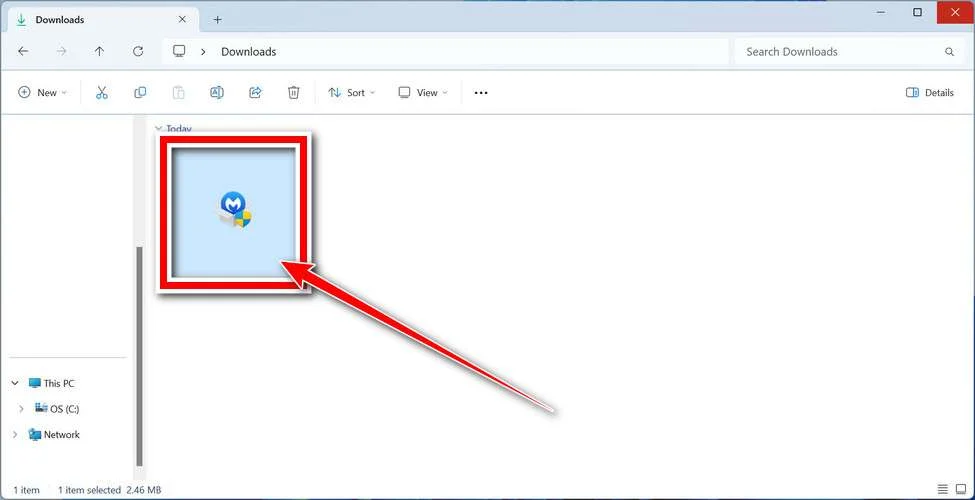
Follow the On-Screen Prompts to Install Malwarebytes
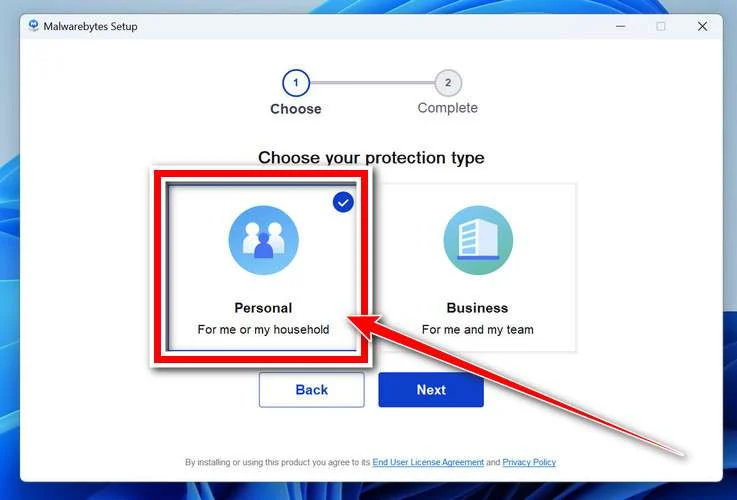
The setup wizard will walk you through a few quick screens:
-
Choose where you’re installing the program — “Personal Computer” or “Work Computer” — then click Next.
-
Malwarebytes will now install on your device. This usually takes under a minute.

-
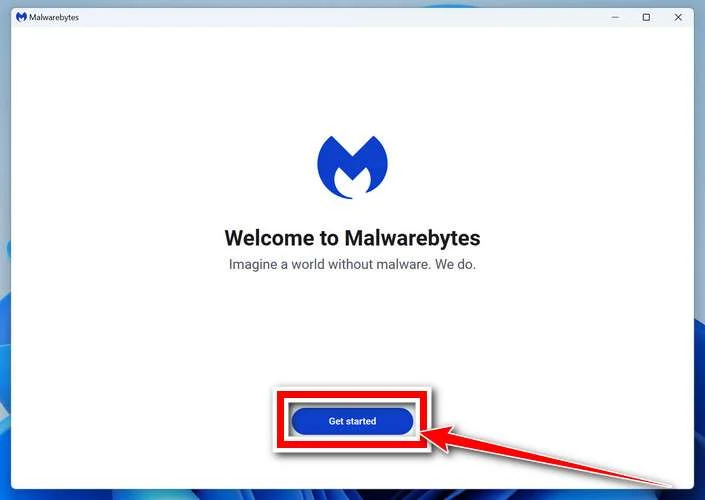
When installation is complete, the “Welcome to Malwarebytes” screen will open automatically.
-
On the final screen, click Open Malwarebytes to launch the program.

-
Enable “Scan for Rootkits”
Before scanning, turn on rootkit detection so Malwarebytes can find even the most hidden threats. Click the Settings gear icon on the left side of the screen.
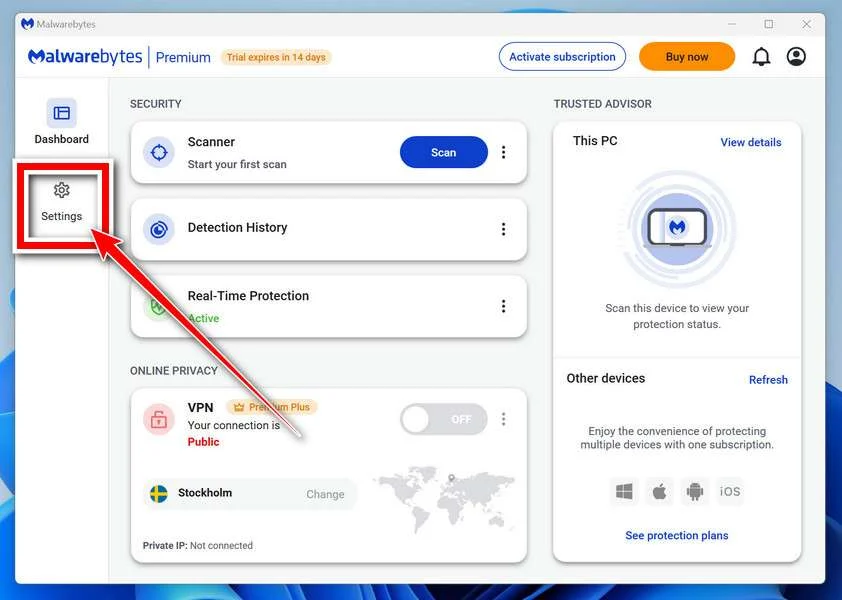
In the settings menu, find “Scan for rootkits” and click the toggle so it turns blue.

Done? Click “Dashboard” in the left pane to return to the main screen.
Start the Scan
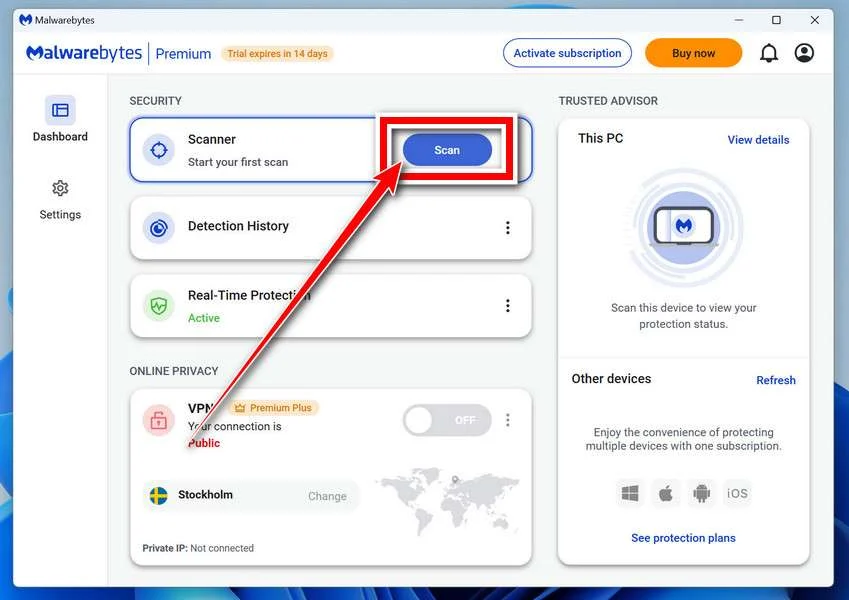
Click the blue Scan button. Malwarebytes will automatically update its virus database and start checking your computer for malware.
-
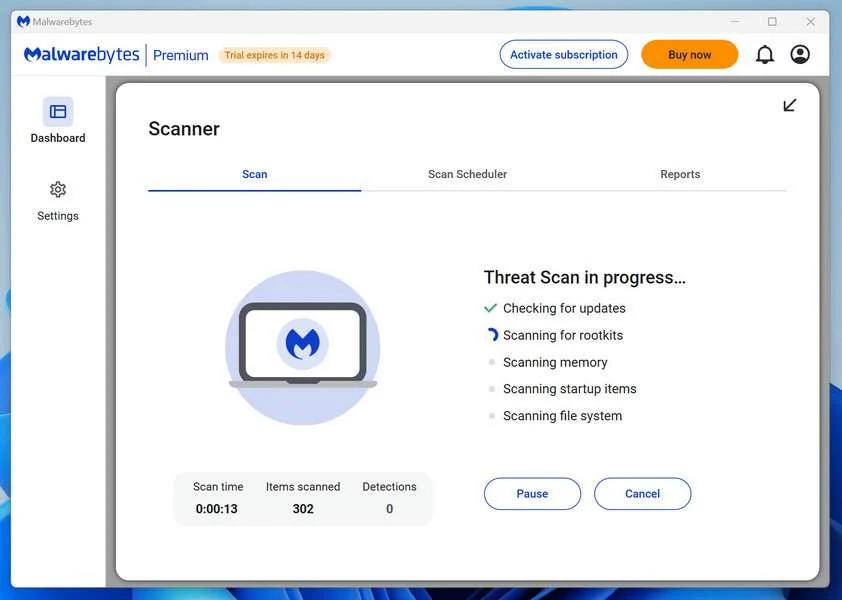
Wait for the Scan to Finish
The scan checks your entire system for browser hijackers and other malicious programs, so it can take 5 to 20 minutes depending on your computer. Feel free to do something else — just check back occasionally to see the progress.
-
Quarantine the Detected Threats
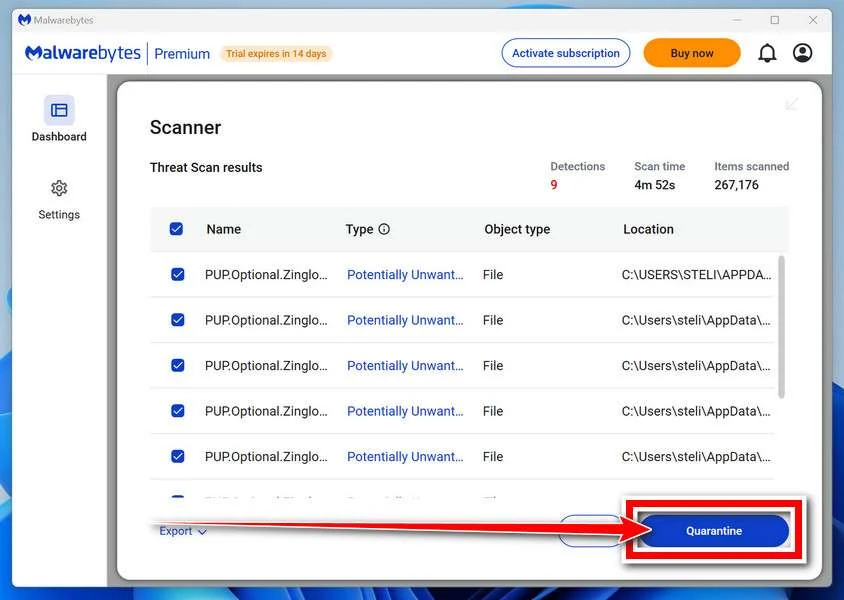
When the scan is done, you’ll see a list of everything Malwarebytes found — malware, adware, and potentially unwanted programs. Click the “Quarantine” button to remove all of them at once.
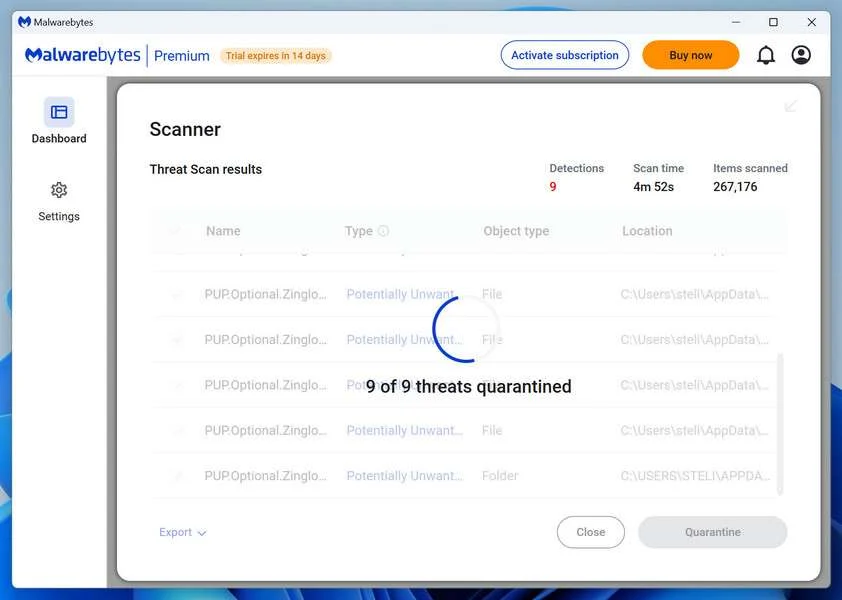
Malwarebytes will now remove the malicious files and registry entries and move them safely into quarantine.
-
Restart Your Computer
Some threats can only be fully removed after a reboot. If Malwarebytes asks you to restart, click Yes. Once you’re logged back in, Malwarebytes has finished removing the threats it found.
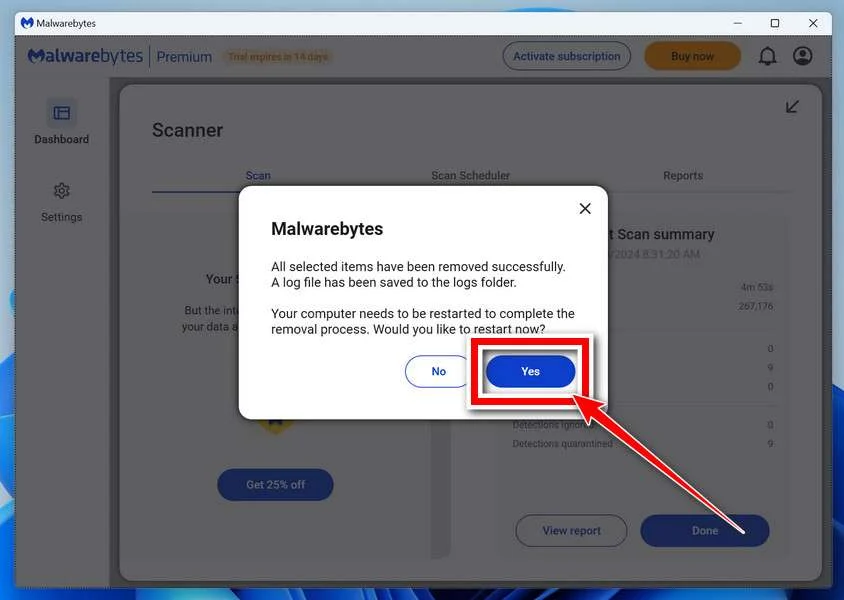
That’s it — your Windows PC is now clean of trojans, adware, and other malware, and should be back to running smoothly.
If you are still having problems with your computer after completing these instructions, then please follow one of the steps:
- Run a computer scan with ESET Online Scanner
- Ask for help in our Windows Malware Removal Help & Support forum.
Run a Malware Scan with Malwarebytes for Mac
Malwarebytes for Mac is a free on-demand scanner that removes the malware other security software tends to miss — adware, browser hijackers, and unwanted programs included. Cleaning an infected Mac with Malwarebytes has always been completely free, and it’s our go-to recommendation. Follow the steps below to scan and clean your Mac in just a few minutes.
-
Download Malwarebytes for Mac
Click the button below to download the latest version of Malwarebytes for Mac.
Download MalwarebytesOfficial installer for macOS. Your download starts right away.Want real-time protection? See Malwarebytes PremiumMalwarebytes Free for MacScans and removes malware at no cost -
Open the Malwarebytes setup file
When the download finishes, open your Downloads folder and double-click the setup file to begin the installation.
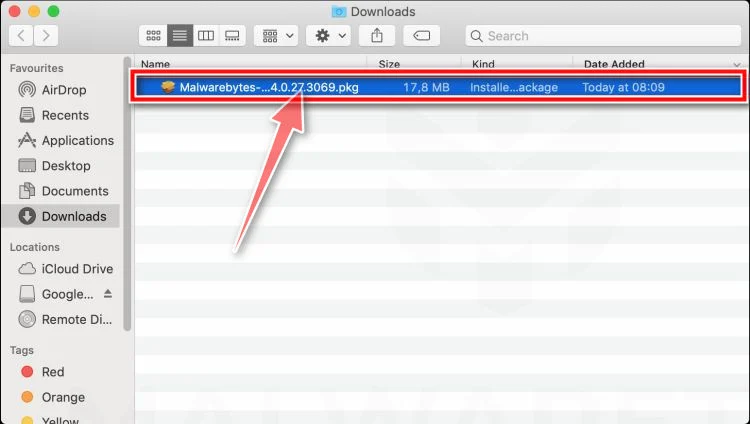
-
Follow the On-Screen Prompts to Install Malwarebytes
The Malwarebytes for Mac Installer will guide you through a few quick screens. Click “Continue” and keep following the prompts until the installation completes.
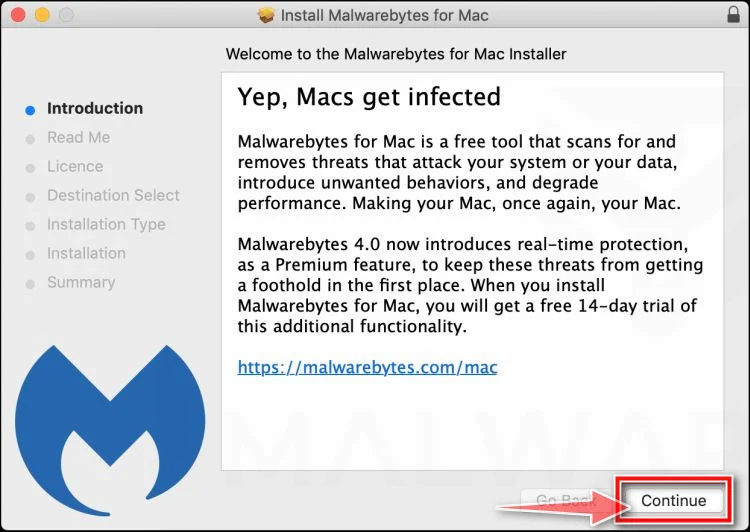
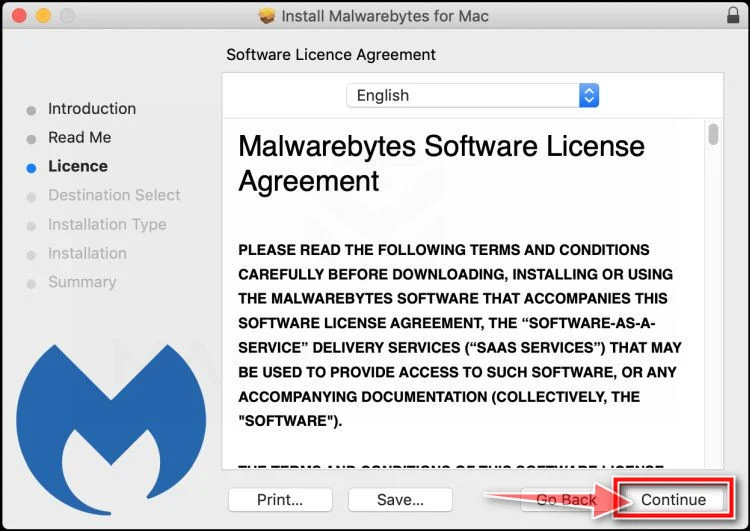
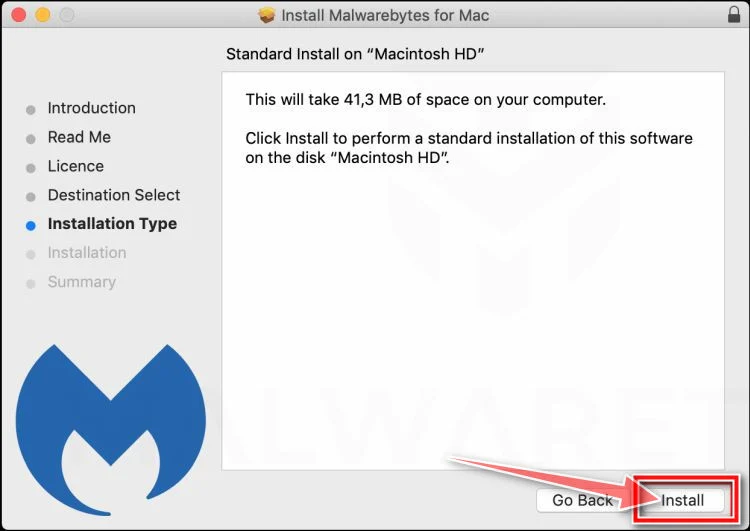
When the installation is complete, Malwarebytes opens to the Welcome to Malwarebytes screen. Click “Get started“.
-
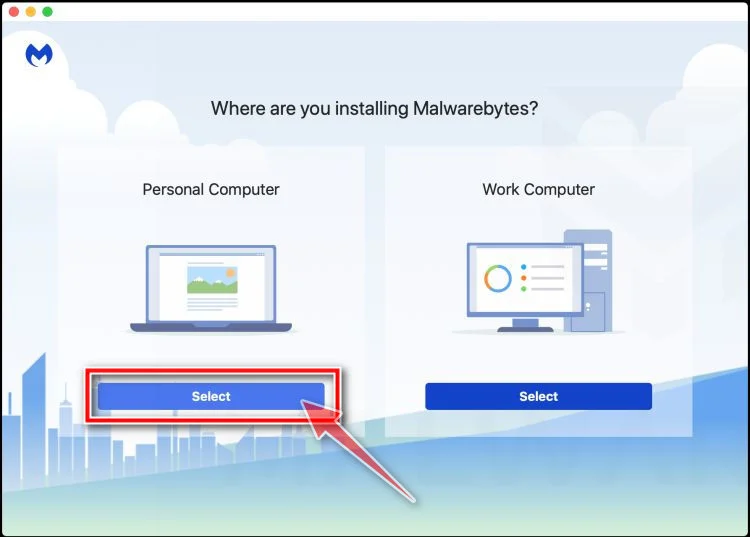
Select “Personal Computer” or “Work Computer”
Malwarebytes will ask what type of computer you’re installing it on. Click either Personal Computer or Work Computer, whichever applies.
-
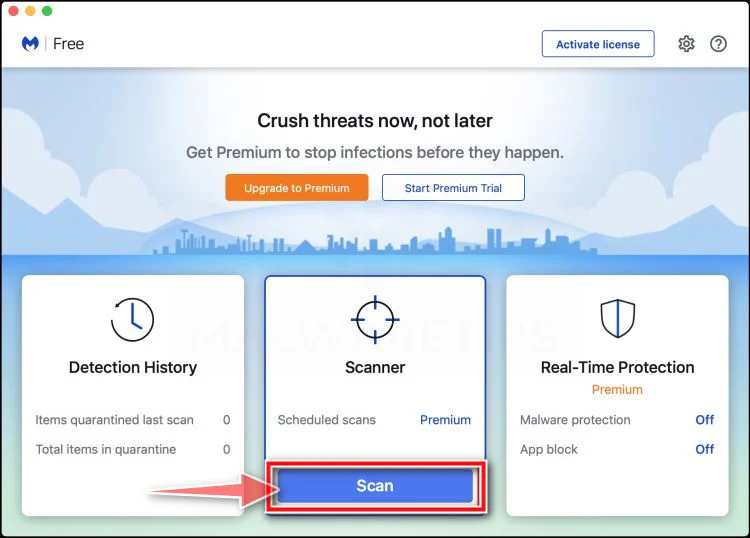
Start the Scan
Click the “Scan” button. Malwarebytes will automatically update its detection database and begin checking your Mac for malware.
-
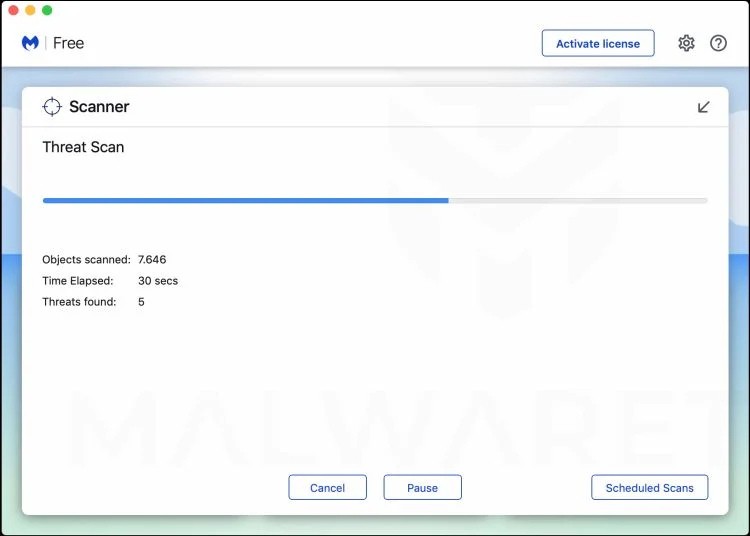
Wait for the Scan to Finish
Malwarebytes will scan your Mac for adware, browser hijackers, and other malicious programs. This can take a few minutes, so feel free to do something else — just check back occasionally to see the progress.
-
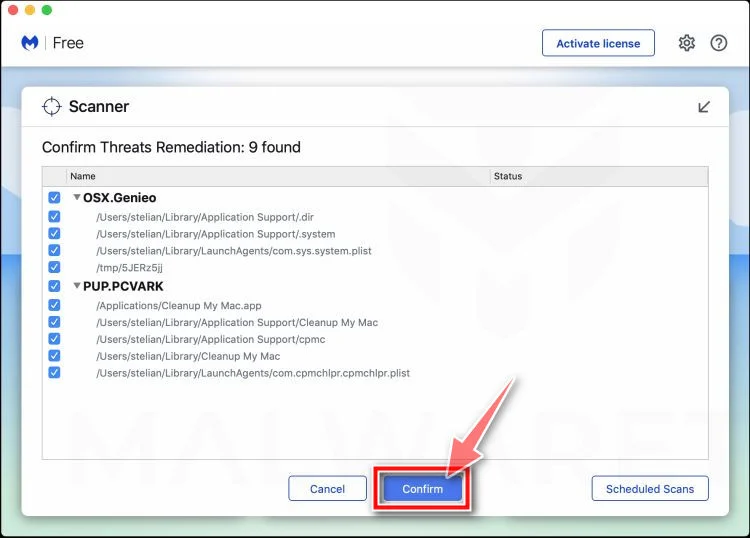
Quarantine the Detected Threats
When the scan is done, you’ll see a list of everything Malwarebytes found. Click the “Quarantine” button to remove all the threats at once.
-
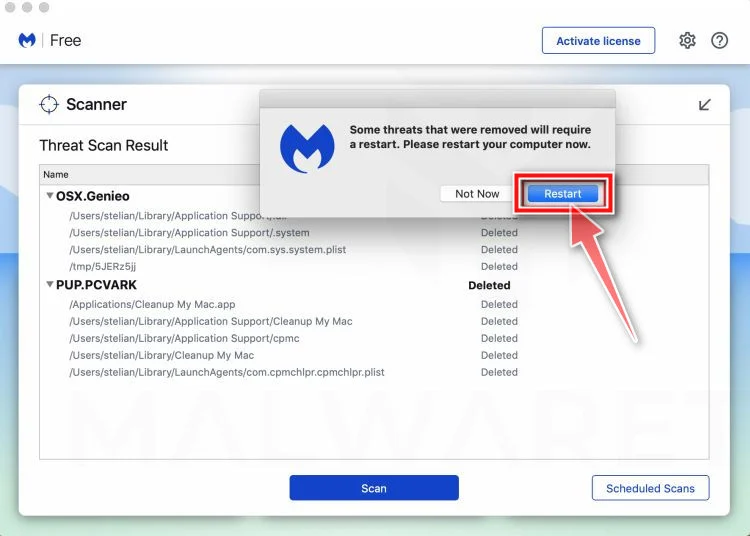
Restart Your Mac
Malwarebytes will now remove all the malicious files it found. Some threats can only be fully removed after a reboot — if Malwarebytes asks you to restart, allow it. Once you’re logged back in, your Mac is clean.
That’s it — your Mac is now free of adware, rogue browser extensions, and other potentially harmful software.
If you are still experiencing problems while trying to remove a malicious program from your computer, please ask for help in our Mac Malware Removal Help & Support forum.
Run a Malware Scan with Malwarebytes for Android
Malwarebytes for Android automatically detects and removes dangerous threats like malware and ransomware so you don’t have to worry about your most-used device being compromised. Aggressive detection of adware and potentially unwanted programs keeps your Android phone or tablet running smooth.
-
Download Malwarebytes for Android.
You can download Malwarebytes for Android by clicking the link below.
Get Malwarebytes for AndroidOpens Google Play in a new tab.Want real-time protection? See Malwarebytes Premium for AndroidMalwarebytes for AndroidScans your phone and removes malware at no cost -
Install Malwarebytes for Android on your phone.
In the Google Play Store, tap “Install” to install Malwarebytes for Android on your device.

When the installation process has finished, tap “Open” to begin using Malwarebytes for Android. You can also open Malwarebytes by tapping on its icon in your phone menu or home screen.

-
Follow the on-screen prompts to complete the setup process
When Malwarebytes will open, you will see the Malwarebytes Setup Wizard which will guide you through a series of permissions and other setup options.
This is the first of two screens that explain the difference between the Premium and Free versions. Swipe this screen to continue.
Tap on “Got it” to proceed to the next step.
Malwarebytes for Android will now ask for a set of permissions that are required to scan your device and protect it from malware. Tap on “Give permission” to continue.
Tap on “Allow” to permit Malwarebytes to access the files on your phone.
-
Update database and run a scan with Malwarebytes for Android
You will now be prompted to update the Malwarebytes database and run a full system scan.

Click on “Update database” to update the Malwarebytes for Android definitions to the latest version, then click on “Run full scan” to perform a system scan.

-
Wait for the Malwarebytes scan to complete.
Malwarebytes will now start scanning your phone for adware and other malicious apps. This process can take a few minutes, so we suggest you do something else and periodically check on the status of the scan to see when it is finished.

-
Click on “Remove Selected”.
When the scan has been completed, you will be presented with a screen showing the malware infections that Malwarebytes for Android has detected. To remove the malicious apps that Malwarebytes has found, tap on the “Remove Selected” button.

-
Restart your phone.
Malwarebytes for Android will now remove all the malicious apps that it has found. To complete the malware removal process, Malwarebytes may ask you to restart your device.
That’s it — your Android phone is now clean — no more malicious apps, adware, or browser redirects.
If you are still having problems with your phone after completing these instructions, then please follow one of the steps:
- Restore your phone to factory settings by going to Settings > General management > Reset > Factory data reset.
- Ask for help in our Mobile Malware Removal Help & Support forum.
Stay Protected: Block Ads and Malicious Sites
Now that your device is clean, keep it that way. Most infections start with a malicious ad or a fake download button — so blocking them at the source is your best defense.
We recommend AdGuard, which blocks malicious ads, phishing pages, and dangerous redirects before they can reach you.
👉 Download AdGuard and browse safely
Frequently Asked Questions About the USPS “Invalid Recipient Address” Scam
This FAQ section provides key information about the USPS “Invalid Recipient Address” phishing scam targeting unsuspecting victims. Learn how to spot this scam and protect yourself from fraud.
What is the USPS “Invalid Recipient Address” scam?
The USPS “Invalid Recipient Address” scam involves fraudulent text messages or emails pretending to be from USPS. The messages state a package can’t be delivered due to an invalid recipient address. They provide a link to correct your address and pay a small redelivery fee. However, the link goes to a fake USPS site designed to steal personal and financial information for identity theft and credit card fraud.
How does the USPS invalid address scam work?
Scammers send text messages or emails with USPS branding claiming a package can’t be delivered to you due to an invalid address. The message urges you to click a link to correct your address and schedule redelivery by paying a small fee, usually $0.20 to $0.30. But the link goes to a fake website impersonating an official USPS portal to steal your data.
What are examples of the fake USPS messages for this scam?
Examples of fake messages used in this scam include:
- “USPS: Your package is on hold for an invalid recipient address. To reschedule delivery please click here.”
- “Attention: We were unable to deliver your package due to an incorrect address. Please verify your information here.”
- “USPS Delivery Failed – The address entered for your package delivery is invalid. Please update your address here.”
What happens if you click the link in the fake USPS messages?
The link in the fake USPS messages directs victims to a phishing website pretending to be a real USPS portal. The site requests users enter personal info like your name, address, phone number, credit card details and more under the guise of collecting updated address data and a redelivery fee payment. In reality, all data entered is stolen.
How can you tell if a USPS text or email is fake?
To identify fake USPS communications:
- Inspect the sender’s address – Real USPS emails come from usps.com addresses only.
- Check for typos & grammatical errors – USPS messages are professional with no mistakes.
- Do not click links – USPS never sends texts/emails with links to account pages.
- Hover over links to inspect the URL – Fake links often have misspelled or forged domains.
- Call USPS directly if concerned about a message.
What should you do if you get a fake USPS message?
If you receive a suspicious USPS text or email:
- Do not click any links or provide personal or payment information.
- Report the scam message by forwarding it to spam@uspis.gov.
- If you entered payment info, call your bank immediately to freeze your card and dispute the charges.
- Change passwords on any accounts that may have been compromised.
- Watch for signs of identity theft or account breaches.
How can you protect yourself from the invalid recipient address scam?
To avoid falling for this scam:
- Never click links or call numbers in suspicious texts or emails.
- Use multi-factor authentication for online accounts.
- Create strong, unique passwords for all accounts.
- Keep software updated to patch vulnerabilities.
- Consult official sites if contacted about your account.
- Carefully monitor financial accounts and credit reports.
What is phishing and smishing?
Phishing is when scammers use fraudulent emails, sites, or forms to steal personal information. Smishing is phishing conducted over SMS text messaging. The invalid recipient scam uses both tactics to bait victims.
What should you do if you already fell for this scam?
If you provided your information:
- Contact banks to freeze/cancel cards.
- Place fraud alert on credit reports and review for any suspicious activity.
- Reset passwords on compromised accounts and enable two-factor authentication.
- Watch out for recovery scams contacting you to prevent more loss.
How can I report this scam or cybercrime?
To report this scam, cybercrime, or identity theft:
- File a complaint with the FTC at ReportFraud.ftc.gov.
- Report ID theft to the FTC at IdentityTheft.gov.
- Contact your state attorney general office to file a complaint.
- Notify the major credit bureaus and your banks of any fraud.
- File a report with your local law enforcement agency.
Stay vigilant for new variations on the USPS invalid recipient address scam trying to phish for personal data. Perform online safety best practices to avoid exposure.
The Bottom Line
Scammers are constantly evolving their tactics and the USPS invalid recipient address is one of their latest ploys. This scam leverages fake postal service messages to trick unsuspecting targets into providing personal and financial data. This information is then used for identity theft and financial fraud.
The best way to avoid this scam is being aware of the tactics, verifying message legitimacy, and refraining from providing info or clicking links in unsolicited communications. Protect all accounts with strong passwords and multi-factor authentication. Report any scam messages and suspicious activity to stop these fraudsters in their tracks. Stay vigilant against new schemes aiming to steal personal data and assets. Don’t let scammers packages promises lure you into divulging sensitive information.

Join the discussion
0 commentsShare your experience or ask a question about this article.
Discussion
Start the conversation
Have a question or something useful to share? Add the first comment.