

When it comes to optimizing your computer’s performance, it’s important to understand the various processes and services running in the background. One such service that you may come across on your VAIO laptop is the VAIO Event Service. In this article, we will delve into what the VAIO Event Service is, its purpose, and whether or not you should consider removing it from your system.
What is the VAIO Event Service?
The VAIO Event Service is a software component developed by Sony specifically for VAIO laptops. It is designed to enhance the functionality of your VAIO laptop by providing support for various hardware events and actions. These events can include pressing function keys, adjusting screen brightness, changing volume levels, and more.
The VAIO Event Service acts as a mediator between the hardware and the operating system, ensuring that the appropriate actions are taken when specific events occur. It allows your VAIO laptop to respond to user input and perform the desired actions accordingly.
The Purpose of the VAIO Event Service
The primary purpose of the VAIO Event Service is to provide a seamless user experience by enabling the hardware features and functions specific to VAIO laptops. By running in the background, it ensures that your laptop responds accurately and promptly to your input, making it easier to control various aspects of your device.
For example, when you press the function keys on your VAIO laptop, the VAIO Event Service interprets the keypress and triggers the corresponding action. This could be adjusting the screen brightness, enabling or disabling Wi-Fi, or launching specific applications.
Without the VAIO Event Service, these hardware events may not be recognized or acted upon by the operating system, resulting in a loss of functionality and convenience for the user.
Should I Remove the VAIO Event Service?
While the VAIO Event Service plays a crucial role in enhancing the functionality of your VAIO laptop, there may be instances where you might consider removing it. Here are a few scenarios where removing the VAIO Event Service could be a viable option:
1. Compatibility Issues:
In some cases, the VAIO Event Service may conflict with other software or drivers installed on your system, leading to compatibility issues. This can result in system instability, crashes, or other performance-related problems. If you are experiencing such issues and have identified the VAIO Event Service as the potential cause, removing it might be a suitable solution.
2. Minimal Usage of VAIO-specific Features:
If you rarely use the VAIO-specific features that rely on the VAIO Event Service, such as the function keys or hardware buttons, you may consider removing it to free up system resources. By removing the service, you can potentially improve system performance and reduce the number of background processes running on your laptop.
3. Personal Preference:
Some users prefer to have more control over their system and may find the VAIO Event Service unnecessary for their needs. If you fall into this category and are comfortable managing your laptop’s hardware functions manually, removing the VAIO Event Service can be a personal choice.
How to Remove the VAIO Event Service?
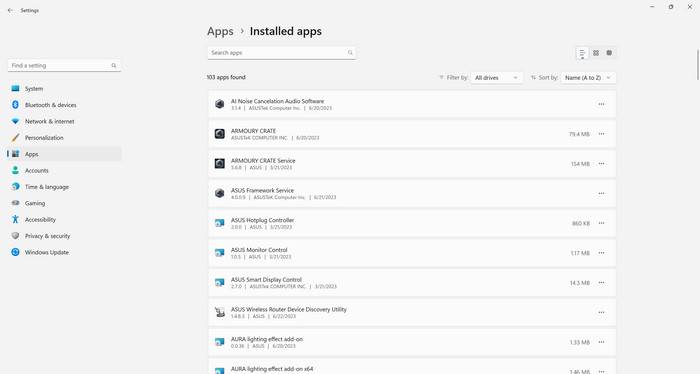
If you have decided to remove the VAIO Event Service from your VAIO laptop, it is essential to follow the correct procedure to avoid any unintended consequences. Here’s a step-by-step guide on how to remove the VAIO Event Service:
- Before proceeding with the removal, it is recommended to create a system restore point to ensure you can revert any changes if needed.
- Open the Control Panel on your VAIO laptop.
- Navigate to the “Programs” or “Programs and Features” section.
- Locate the VAIO Event Service in the list of installed programs.
- Right-click on the VAIO Event Service and select “Uninstall” or “Remove.”
- Follow the on-screen prompts to complete the uninstallation process.
- Restart your VAIO laptop to finalize the removal.
It is worth noting that manually removing the VAIO Event Service may not completely remove all associated files and registry entries. To ensure a thorough removal, you can consider using a reliable uninstallation tool like Revo Uninstaller Free. These tools can help you uninstall programs more effectively and remove any leftover files or registry entries.
Conclusion
The VAIO Event Service is an integral part of VAIO laptops, providing enhanced functionality and convenience to users. While it is generally recommended to keep the service installed, there are situations where removing it can be a viable option.
If you are experiencing compatibility issues, rarely use VAIO-specific features, or prefer more control over your system, removing the VAIO Event Service might be a suitable choice. However, it is crucial to follow the correct procedure and consider using an uninstallation tool for a thorough removal.
Ultimately, the decision to remove the VAIO Event Service should be based on your specific needs and preferences. By understanding its purpose and evaluating your requirements, you can make an informed decision that aligns with your computing experience.

Join the discussion
0 commentsShare your experience or ask a question about this article.
Discussion
Start the conversation
Have a question or something useful to share? Add the first comment.