

Veloraer looks like a refined fashion label at first glance, with boutique photography, seasonal styling, large markdowns, and a promise of easy returns.
A closer purchase decision depends on less glamorous details: who operates the store, what else that company sells, when parcels arrive, and which items can actually return.
Overview
Veloraer is a very new general online store wearing a fashion identity
The domain was registered on June 29, 2026, leaving only a short public operating history at the time of this review.
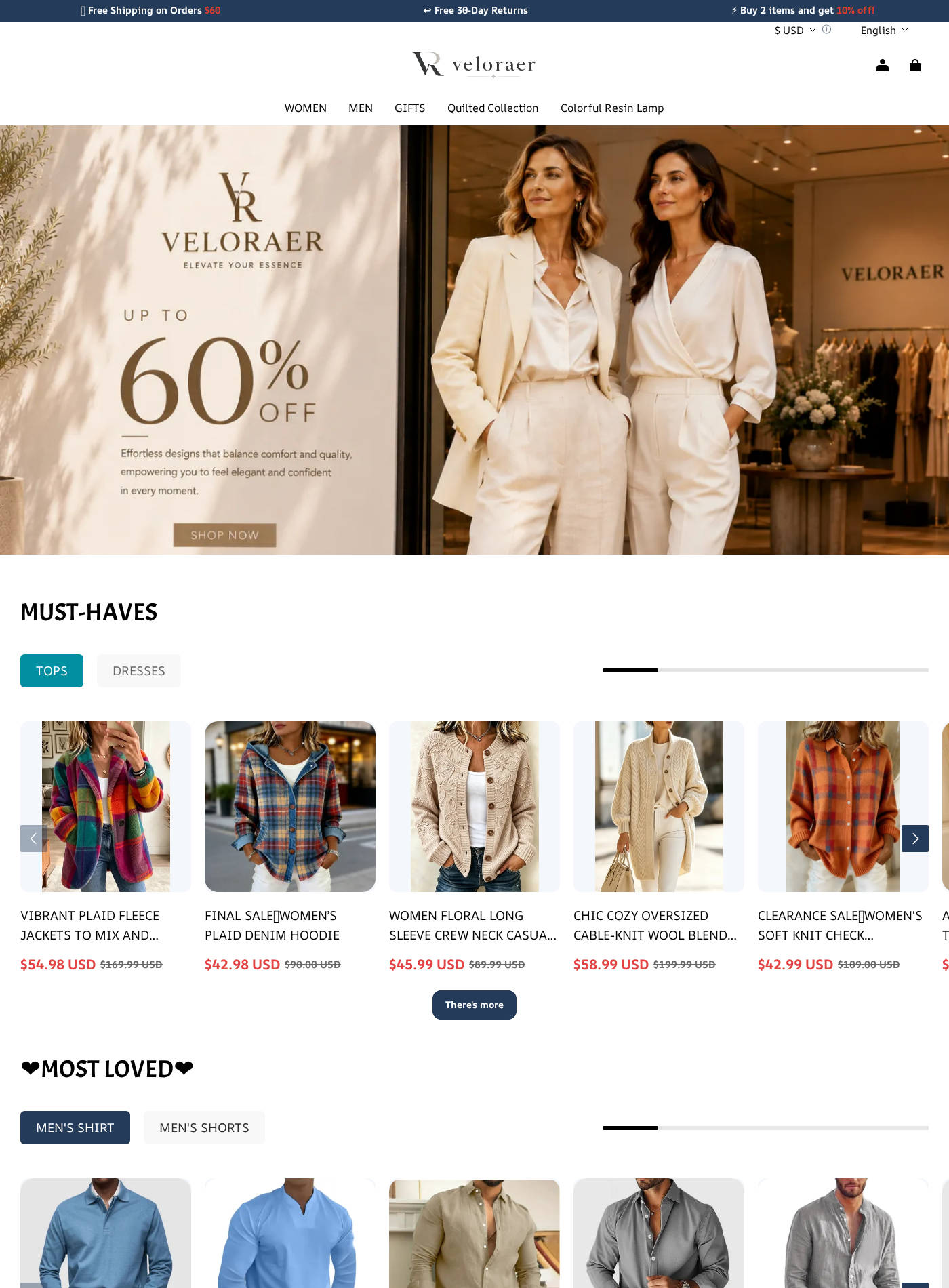
Its homepage emphasizes women’s and men’s clothing, yet the navigation and catalog also include resin lamps, ornaments, solar lights, mugs, crafts, and assorted gifts.
A broad assortment is not inherently deceptive, but it differs from the impression of a specialized design house creating a coherent seasonal collection.
Many listings use large crossed-out prices, final-sale labels, last-day wording, and substantial percentage reductions.
Those features make independent product and policy checks more important than the storefront atmosphere.
The legal entity operates several unrelated storefronts
Veloraer’s contact page names KEJU TRADE INC, EIN 99-4913528, at 110 16th Street, Denver, Colorado.
The identical entity, number, address, and contact format appear on other shopping sites using different brand names and product mixes.
That pattern suggests a multi-store commerce operator rather than a standalone boutique located behind the elegant Veloraer branding.
Multi-brand operation can be legitimate, but shoppers deserve to know which entity accepts payment, fulfills orders, and handles returns.
The receipt and card descriptor should match the company information published before checkout.
Return promises conflict with the restrictive policy
The homepage banner advertised free 30-day returns during our inspection, and individual listings repeated similar reassurance.
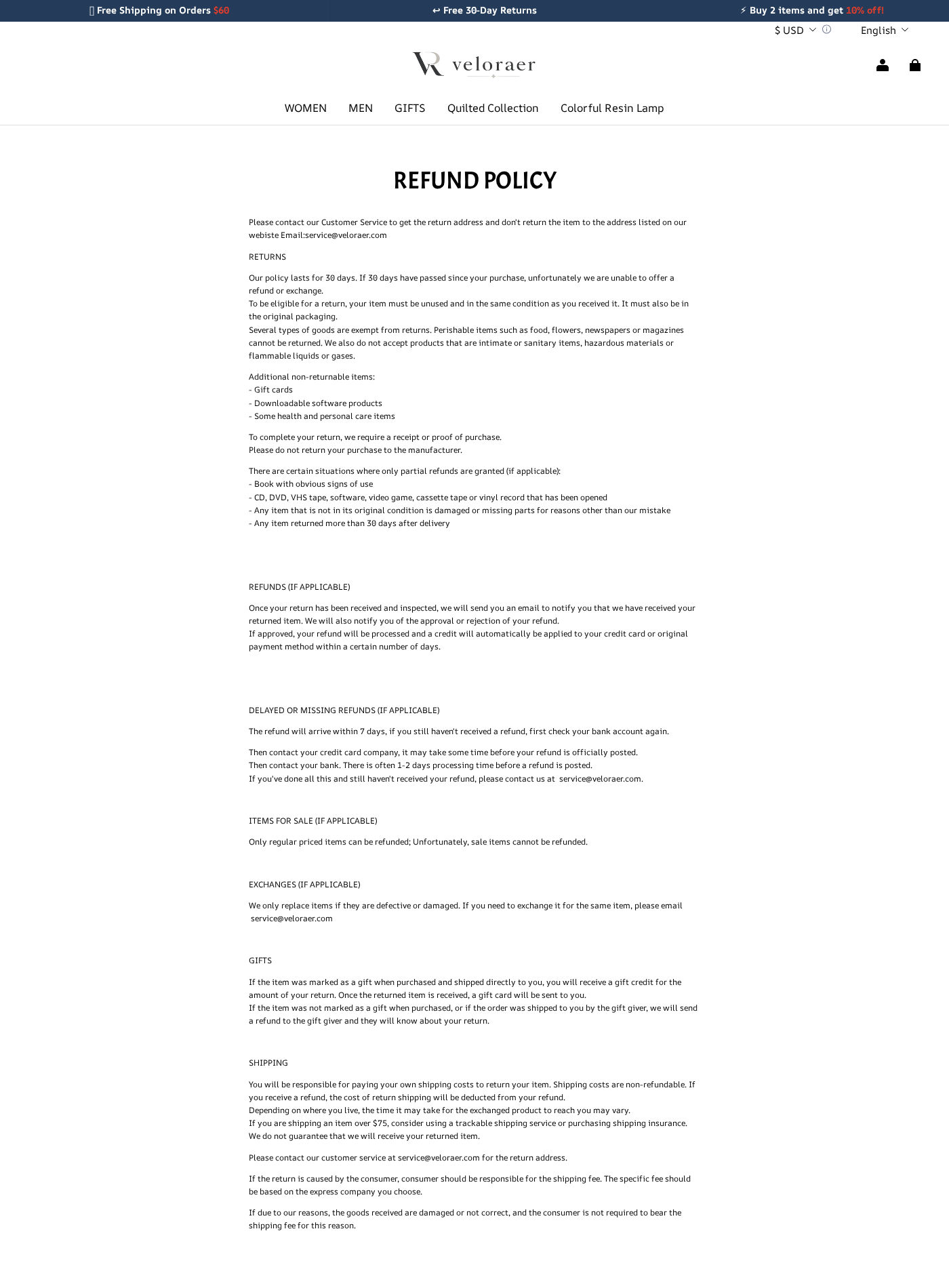
The formal refund policy says customers must pay return postage, obtain the destination from support, and avoid mailing to the public website address.
It also states that only regular-priced goods qualify, making sale items non-refundable even though much of the storefront appears discounted.
Shipping language contains separate arrival estimates, while damage or missing-item proof must be supplied within 24 hours.
These contradictions create a meaningful commercial risk without proving that every Veloraer order fails.
- The veloraer.com domain was registered on June 29, 2026.
- Veloraer names KEJU TRADE INC as the legal business behind the store.
- The same company details appear on several differently branded retail websites.
- The catalog extends beyond fashion into lighting, gifts, crafts, ornaments, and household products.
- Homepage messaging advertises free 30-day returns.
- The refund policy makes customers pay postage and excludes sale items.
- The return address is disclosed only after contacting customer service.
- Shipping estimates and support hours vary between different pages.
How the Veloraer Shopping Funnel Can Create Return and Value Problems
Step 1: Boutique imagery establishes quality before product evidence
The homepage shows an elegant storefront scene, coordinated models, a restrained logo, and language about timeless style and careful craftsmanship.
That visual identity can imply an established fashion house with proprietary collections and local quality control.
The actual catalog contains highly varied goods that are difficult to reconcile with one specialized design or manufacturing operation.
Search product photographs, exact titles, measurements, and distinctive wording before assuming a Veloraer listing is exclusive.
A curated presentation should not replace evidence about material, construction, factory, and fit.
Step 2: Crossed-out prices make ordinary goods feel unusually valuable
Examples on the homepage showed garments marked from much higher reference prices down to roughly $40 or $60.
A comparison price is meaningful only when the same merchant genuinely offered the same product at that amount for a reasonable period.
Search by image and specifications across established marketplaces, then compare delivered materials, sizing, shipping, and local return options.
Do not calculate savings from a number whose sales history you cannot verify.
Decide whether the current price is fair for the described garment without the discount story.
Step 3: Last-day and clearance labels accelerate the first order
Many listings include limited-time phrases, hot-sale language, final-sale labels, or statements suggesting the production run may disappear.
Urgency matters because the refund policy later excludes discounted goods and permits cancellation uncertainty after processing.
Save the listing and revisit it on another day to see whether the same deadline remains.
A legitimate garment can still be marketed through artificial pressure that harms careful decision-making.
Never trade away return rights merely to capture an unverified temporary reduction.
Step 4: The checkout inherits a promise that the policy narrows
A top banner saying free 30-day returns creates the expectation that an unsuitable item can go back without financial loss.
The detailed terms instead require customer-paid postage and state that sale merchandise cannot be refunded.
Because discounts dominate the catalog, the exclusion may apply to many items attracting visitors in the first place.
Request written confirmation that the exact product, size, and discount remain returnable before ordering.
Keep the reply and checkout screenshot if support later applies a different rule.
Step 5: Long delivery windows reduce the time available for action
The shipping policy allows one to three business days for ordinary processing and seven to fifteen days for partially handmade items.
It then gives transit estimates of 11 to 25 business days, while another line calls total delivery 11 to 18 working days.
These ranges do not fit together cleanly and can make an occasion-specific purchase risky.
The buyer should order only when a late parcel will still be useful and payment-protection deadlines remain open.
Save tracking from the first carrier scan, not only the shipping-confirmation email.
Step 6: A narrow damage-report window follows delivery
Veloraer instructs customers to inspect parcels carefully and provide relevant proof within 24 hours for damaged or missing goods.
Someone who opens a package after a weekend or work shift could lose time under that rule.
Record the unopened parcel, shipping label, seals, contents, tags, measurements, and defects as soon as delivery occurs.
Do not wash, alter, repair, or wear questionable clothing before the claim is acknowledged.
Send the first report promptly even when more photographs or measurements will follow.
Veloraer Policy Contradictions Buyers Should Understand
Free returns and customer-paid shipping cannot both describe the same ordinary return
The storefront repeats free 30-day return language, which reasonably suggests the merchant absorbs the return-transport cost.
The formal policy says consumer-caused returns remain the customer’s responsibility and original shipping costs are not refundable.
It also recommends tracked service or insurance for items above $75 without guaranteeing receipt.
Ask whether Veloraer provides a prepaid label for your country and whether any label cost is deducted later.
If support will not answer, budget the purchase as final.
Sale exclusions may cover most attractive listings
The refund page states only regular-priced merchandise can receive a refund and says sale items cannot.
The homepage simultaneously displays clearance, final sale, and percentage reductions throughout major categories.
A 30-day window offers little protection when the chosen item is excluded before it ships.
Save the product page showing whether the item carried a sale label at checkout.
Ask for an explicit yes or no on eligibility instead of relying on the global banner.
Return location remains unknown until support responds
The policy warns customers not to use the address printed on the website and directs them to request another return destination.
Without that location, a buyer cannot calculate international postage, customs paperwork, transit time, or tracking availability before purchase.
A returns warehouse may be in another country and may not correspond to the Denver business address.
Never send goods to the original parcel sender without written authorization because fulfillment centers often reject consumer returns.
Request the complete address and refundable amount while the product remains unopened.
Product Quality and Listing Questions
Broad catalog breadth weakens specialist-brand assumptions
The same store offers women’s clothing, men’s apparel, footwear, lamps, solar products, holiday decorations, glassware, and craft-style gifts.
That variety resembles a general-product sourcing operation more than a focused atelier controlling every design from concept through production.
This distinction does not automatically determine quality, but it changes which questions a buyer should ask.
Request garment composition, factory country, care instructions, finished measurements, lining details, closures, and close photographs of seams.
Avoid relying on inspirational descriptions about craftsmanship without item-level evidence.
Orthopedic language requires special skepticism
Some footwear listings use terms such as science-based, orthopedic, medical-grade, posture support, balance improvement, and reduced discomfort.
Those phrases can sound clinical while the page provides limited manufacturer, testing, professional endorsement, or medical-device information.
Footwear cannot safely promise the same outcome for bunions, swelling, instability, pain, diabetes, or structural problems across all users.
Consult a qualified clinician for persistent symptoms rather than choosing shoes from a dramatic advertisement.
Stop wearing footwear that increases pain, rubbing, numbness, swelling, or fall risk.
Generic guarantees change from listing to listing
One product offers a 30-day trial, another describes 90-day defect protection, and the refund page supplies a broader template covering unrelated product categories.
The template even mentions books, videotapes, software, flowers, hazardous goods, and vinyl records although Veloraer markets very different items.
That mismatch suggests policy text was adapted broadly rather than drafted around the actual catalog.
Determine which page controls when product copy, banner text, and general policy disagree.
The merchant should confirm the answer before collecting payment.
Company, Address, and Fulfillment Checks
KEJU TRADE INC is named as the seller
Veloraer lists KEJU TRADE INC, EIN 99-4913528, with an address at 110 16th Street in Denver.
Publishing a legal name and tax number is better than providing only a brand and email address.
Shoppers should still verify active company standing through current official records and compare the invoice with these details.
If the card statement uses another merchant, ask how that entity relates to KEJU TRADE INC.
Unexplained differences complicate charge, refund, and warranty accountability.
The same entity appears behind numerous store names
Search results show KEJU TRADE INC attached to Avoraor, KXYFM, Wenvielle, Ziogoods, and other differently branded shops.
Some pages even retain unfinished template instructions, mismatched support emails, or generic company wording.
A multi-store structure can support legitimate operations, but it undercuts the image of a singular boutique with its own deep design history.
Compare policies across related sites for repeated wording, addresses, service contacts, and product images.
Buy based on the accountable operator and transaction terms, not only the current storefront name.
The Denver address does not identify the return facility
Veloraer specifically tells customers not to mail returns to the address published on the website.
That warning indicates administration and reverse logistics occur through separate locations.
A public business address can be an office, mailbox, registration point, or service location rather than a warehouse.
Ask where the selected product ships from and where an ordinary return would travel.
International postage can make a low-priced clothing order uneconomical to reverse.
Manufacturing information is thin at product level
The pages reviewed emphasize careful fabrics and craftsmanship without consistently naming the factory, designer, importer, or manufacturing country for each item.
Inspect delivered labels for fibre composition, care, origin, size, importer, and safety notices.
Mass-produced clothing is not automatically unsafe or worthless, but unverified material claims can affect comfort, allergies, washing, and durability.
Do not use electrical decor with missing voltage information, damaged wiring, weak battery compartments, or incompatible plugs.
Report hazardous consumer goods to the appropriate national safety authority.
What to Do If You Ordered From Veloraer and Have a Problem
- Save the complete listing. Capture materials, measurements, photographs, discount label, return banner, delivery estimate, quantity, and final checkout total.
- Inspect immediately after delivery. Film the unopened parcel and compare every item, size, color, label, accessory, and visible defect within the first 24 hours.
- Keep clothing unused. Do not remove tags, wash, alter, perfume, or wear a disputed garment beyond a careful indoor fit check.
- Ask whether the sale exclusion applies. Quote the exact item and promotion, then request a written eligibility decision before paying for return postage.
- Obtain the authorized destination. Confirm country, recipient, reference, tracking standard, deadline, customs instructions, and deductions before mailing anything.
- Calculate the expected recovery. Subtract non-refundable shipping, tracked return cost, taxes, duties, and possible deductions from the promised refund.
- Keep every support exchange. Save emails, automated replies, rejected messages, tracking, photographs, videos, receipts, and proof of delivery.
- Contact the payment provider promptly. Explain any material mismatch or undelivered order with documentation before buyer-protection deadlines expire.
- Escalate unsafe goods separately. Stop using problematic footwear, electrical items, or children’s products and report hazards through the relevant regulator.
How to Reduce Risk on a New Fashion Website
Check one item before buying a wardrobe
Large cart discounts multiply sizing, quality, and return exposure before the seller has demonstrated reliable delivery.
Choose a low-value item whose material and measurements are clearly stated, then judge the entire experience.
Pay with a credit card or established service offering buyer protection, never an irreversible transfer.
Avoid event-dependent purchases because published delivery ranges stretch across several weeks.
A successful test order is more useful than a temporary percentage badge.
Compare photographs and dimensions outside the store
Reverse-image searches can reveal the same garment sold under other names, prices, and descriptions.
Matching imagery does not prove identical stock, yet it helps expose whether a supposedly exclusive design is widely sourced.
Compare bust, waist, hip, shoulder, sleeve, inseam, garment length, and fabric percentages in consistent units.
Do not rely solely on small, medium, or large because sizing systems vary considerably.
Save the chart used for your order in case the page changes.
Read the policy before opening the product page
Start with return eligibility, destination, postage, sale exclusions, damage deadline, cancellation, and refund timing.
If those terms make the purchase effectively final, evaluate the item as though no remedy will exist for poor fit.
Ask support a precise question and measure whether the reply addresses it rather than copying a generic paragraph.
Keep any promise that expands the written policy.
A store’s reliability becomes visible when a buyer asks about an inconvenient scenario before payment.
Frequently Asked Questions
Is Veloraer a confirmed scam?
Current evidence supports significant buyer-risk concerns but does not prove that every transaction is fraudulent.
The store has identifiable company details alongside major policy contradictions.
Who operates Veloraer?
The contact page names KEJU TRADE INC and publishes EIN 99-4913528.
The same entity appears on several other differently named retail websites.
Does Veloraer offer free returns?
The banner says free 30-day returns, but the refund policy assigns return postage to the customer.
Confirm the exact item’s treatment in writing.
Can discounted Veloraer products be returned?
The formal refund policy says only regular-priced products qualify and sale goods cannot be refunded.
Many catalog items visibly carry discounts.
How long does Veloraer shipping take?
Published text combines processing, handmade-item preparation, and transit estimates that do not fully align.
Allow several weeks and preserve tracking evidence.
Where do Veloraer returns go?
The store tells buyers to request a return address from customer service and not use the public website address.
The destination is therefore unknown before approval.
The Bottom Line
Veloraer is not simply an anonymous checkout page, but its boutique presentation masks a young multi-category store operated through a company serving several retail brands.
Free-return messaging conflicts with customer-paid postage and sale exclusions, while delivery, product, and identity details require more work than the homepage suggests.
Treat discounted purchases as potentially final, test with one item, preserve every promise, and use payment protection strong enough for a long shipping window.

Join the discussion
0 commentsShare your experience or ask a question about this article.
Discussion
Start the conversation
Have a question or something useful to share? Add the first comment.