

Venmo, the popular peer-to-peer payment app owned by PayPal, has become an increasingly common target for scammers. One scam that has been making the rounds involves fraudulent text messages and emails pretending to be from Venmo regarding suspicious charges to something called “Paxful Wallet.” While it may seem innocuous at first glance, this scam has the potential to inflict significant financial and personal data loss on victims.
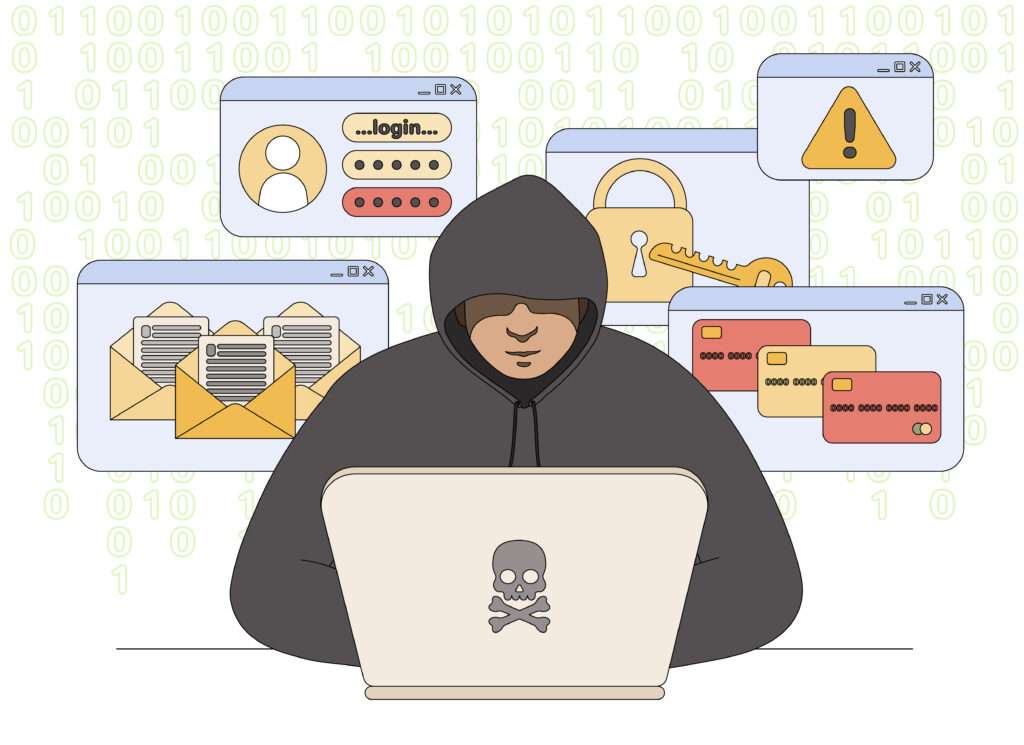
Scam Overview
This scam typically starts with victims receiving a text message or email pretending to come from Venmo. The message has official Venmo branding and colors to appear legitimate and will claim there was an unauthorized or suspicious charge made to the recipient’s Venmo account.
The charge amount is usually $99.99 and the merchant is listed under various names such as “Paxful Wallet,” “Pac Wallet,” or some other fabricated service meant to sound credible. The message then provides a customer support phone number or link and instructs victims to call if they did not authorize the charge.
For example, an sample text people have reported receiving states:
“Venmo: Paxful Wallet requests $99.99. You paid $99.99 to Paxful using Venmo. If not authorized by you, call 888-555-5678.“
The email version uses the Venmo logo and colors to appear official with a subject line like “Action Needed: Review recent Venmo payment of $99.99.” The body then lists the fake charge details and says to call or click a link regarding unauthorized activity.
However, the phone number, clickable links, and sender contact details provided do not actually belong to Venmo or its parent company PayPal. Instead, they are spoofed and controlled entirely by scammers running a fraudulent operation to steal personal information and money.
When victims call the number or click the link, the scammers on the other end pose as Venmo “support agents” in order to phish for login credentials, bank info, or remote access to devices. They can then directly steal Venmo balances or launch wider identity theft and cyber attacks.
By pretending to be Venmo and creating a sense of urgency around unauthorized account charges, the scammers play off fears over account security breaches to trick recipients into calling what they believe is Venmo’s support team. This allows them to initiate various tactics to financially exploit and steal private data from unwitting victims.
How the Scam Unfolds
Here is a step-by-step breakdown of how the “Paxful Wallet” Venmo scam typically operates once the initial contact has been made:
Step 1: The Initial Venmo Fraud Alert
The scam starts with an unsolicited text or email sent out en masse from the scammer. The message is made to look like it comes directly from Venmo, often including official branding and logo.
The subject and body say there has been a suspicious $99.99 charge to “Paxful Wallet” on the recipient’s Venmo account. It provides a “Venmo support” phone number to call if the charge is unauthorized.
Step 2: Call Connects to Fake Venmo Support
When the worried recipient calls the number provided, the phone is answered by a scammer pretending to work in Venmo customer support. They confirm the caller’s phone number or email to “pull up their account.”
Step 3: Scammer Gains Remote Access
Once they have established a sense of legitimacy in the eyes of the victim, the fake support rep claims unauthorized users have gained access to the victim’s Venmo account. They say remote access to the victim’s device is needed to stop additional fraudulent charges.
The scammer may try to drive up fear and urgency by claiming the attacker is actively using Venmo to steal money. They’ll insist the only way to secure the account is by remotely connecting to the device right away.
Once given permission for remote access, the scammer can use software tools to mirror or control the victim’s device without their knowledge.
Step 4: Login Credentials and Financial Data Stolen
With control over the victim’s device, the scammer can now secretly install malware or spyware without consent to harvest login credentials, financial information, personal data, and more over an extended period.
They may also immediately access Venmo, banking, and other sensitive apps on the device to steal balances, make fraudulent transactions, or change account passwords to lock out the victim.
Step 5: Ransomware Attack or Blackmail
In some cases, the scammer’s end goal may be deploying ransomware that encrypts files on the victim’s device and denies access until an extortion payment is made.
Scammers could also threaten to publicly release or delete stolen personal data from the device if a blackmail payment isn’t made.
By this stage, significant financial loss and security compromises have likely already occurred without the victim’s knowledge. Severe long-term damage can result.
How to Spot This Venmo Scam
With scammers constantly evolving their tactics, it can be hard for consumers to discern legitimate Venmo communications from fraudulent phishing attempts aiming to steal personal data. However, there are key signs you can watch out for to avoid falling victim to the “Paxful Wallet” Venmo text message or email scam.
Analyze the Sender Details
Take a close look at the details of the sender in any Venmo alert message. Scammers often spoof legitimate business names, logos, and sender addresses in email and SMS scams. But upon closer scrutiny, formatting discrepancies, misspellings, strange emails or phone numbers, and other anomalies may reveal the message’s fraudulent nature.
Verify the sender name, email address, phone number, and other identifiers against official Venmo contacts before trusting the contents of the message.
Watch For Suspicious Links and Attachments
In addition to sender details, analyze any links or attachments included in Venmo alerts purporting unauthorized charges. Scammers frequently include malicious links to phishing sites designed to steal login information. Hover over links to preview destinations before clicking.
Be especially wary of .exe attachments that can install malware. Venmo states they will never send emails with attachments. Delete these suspicious files unopened.
Confirm Charge Details
Rather than calling the number in an alert regarding unauthorized Venmo charges, first login directly to your Venmo account through the official mobile app or website to confirm any issues.
Cross-reference dates, amounts, merchant names, and other charge details listed in the alert against actual account activity for accuracy. If the charges only appear in the alert but not your account, it’s likely a scam.
Verify Support Contacts
Use Venmo’s official customer service phone number, email, live chat, or support pages to follow up if account issues persist after reviewing charges.
Do not communicate outside of these authenticated platforms, especially in response to random text or emails. Reaching out directly allows you to verify representatives are in fact affiliated with Venmo before sharing any sensitive account details or granting device access.
What to Do If You’ve Fallen Victim
If you receive a suspicious Venmo fraud alert and call the number provided or otherwise give remote access to your device, here are important steps to take right away:
Disconnect Compromised Devices from Networks
If a scammer has gained control over one of your devices, immediately disconnect it from any WiFi or wired internet to stop the attack. This may prevent further data loss or ransomware deployment across connected networks.
Contact Banks and Change Account Passwords
Next, use a separate uncompromised device to access your financial accounts and change any passwords stored on the infiltrated device. Closely monitor bank and credit card statements for signs of unauthorized access. Report any suspicious charges to institutions right away.
Wipe Affected Devices and Reset Passwords
For devices that have been remotely accessed by attackers, conduct a factory reset to wipe them clean of potential malware or spyware. Make sure to change all account passwords after resetting mobile devices and computers. Enable two-factor authentication wherever available as an additional security layer.
Scan Networks for Other Compromised Systems
Check all systems on your home or office network for signs they have been impacted. Unexplained crashes, slow performance, strange popups, or inability to access your own files could indicate ransomware or spyware installations resulting from the remote access breach. These devices may also need to be reset.
Notify Relevant Institutions of the Attack
File reports of fraud and unauthorized access with banks, credit card companies, Venmo, and other institutions tied to accounts potentially caught up in the breach. Provide details on how access was gained by the scammer for accurate tracking and reimbursement claims if money was stolen.
Consider an Identity Theft Protection Service
A credit monitoring or identity theft protection services can also help act as an early warning system for new fraudulent accounts or transactions opened in your name following a data breach. This can minimize financial loss and alert you to further suspicious use of stolen personal information.
Is Your Device Infected? Run a Free Malware Scan
Slow performance, constant pop-ups, or strange behavior? These are classic signs of a malware infection. The fastest way to find out is to scan your device with Malwarebytes Free — one of the most trusted malware removal tools available.
The free version detects and removes the most common threats, including:
- Adware — the cause of those annoying pop-ups
- Browser hijackers — unwanted redirects and changed homepages
- Trojans and spyware — hidden programs stealing your data
- Potentially unwanted programs (PUPs) — software you never asked for
👉 Select your device below — Windows, Mac, or Android — then follow the simple steps to download Malwarebytes, scan your system, and remove any threats it finds. The scan usually takes 5 to 20 minutes.
Run a Malware Scan with Malwarebytes for Windows
Malwarebytes is one of the most popular and trusted anti-malware tools for Windows — and it’s completely free for removing infections. It catches threats that many antivirus programs miss, including adware, browser hijackers, and trojans. Follow the steps below to scan and clean your PC in just a few minutes.
Download Malwarebytes
Click the button below to download the latest version of Malwarebytes for Windows from the official source. The free version is all you need — it will scan your computer and remove adware, browser hijackers, and other malicious software at no cost.
Download MalwarebytesOfficial installer for Windows 11 and 10. Your download starts right away.Want real-time protection? See Malwarebytes Premium Malwarebytes Free for WindowsScans and removes malware at no cost
-
Install Malwarebytes
When the download finishes, open your Downloads folder and double-click the MBSetup file. If Windows shows a User Account Control pop-up, click “Yes” to allow the installation.
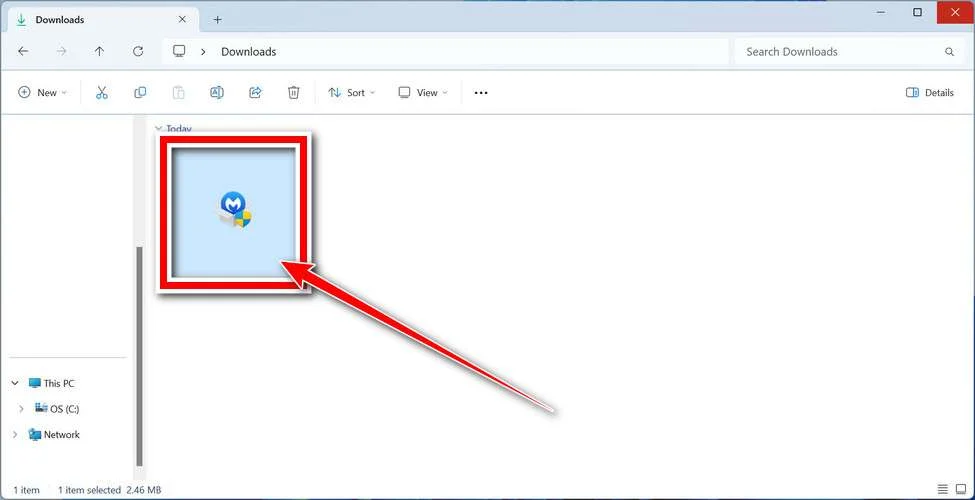
Follow the On-Screen Prompts to Install Malwarebytes
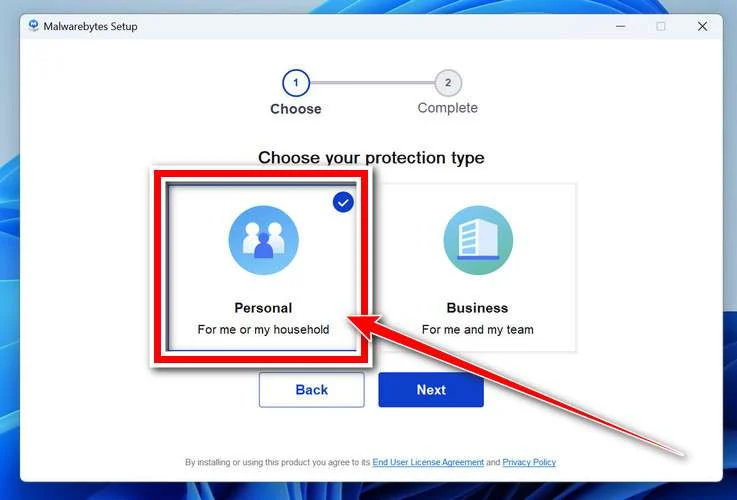
The setup wizard will walk you through a few quick screens:
-
Choose where you’re installing the program — “Personal Computer” or “Work Computer” — then click Next.
-
Malwarebytes will now install on your device. This usually takes under a minute.

-
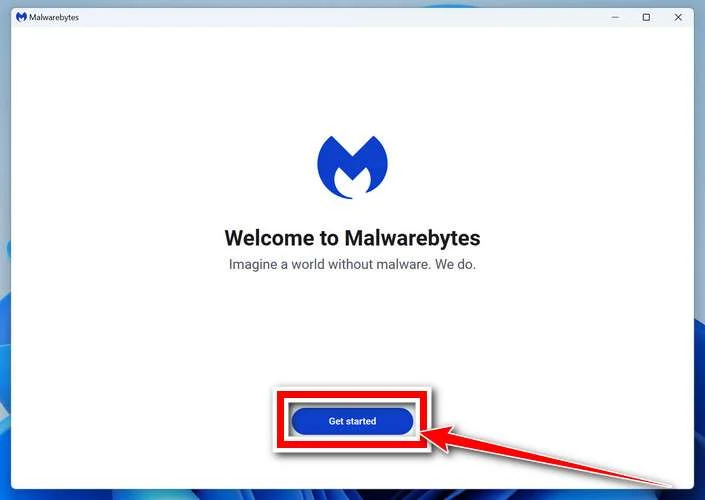
When installation is complete, the “Welcome to Malwarebytes” screen will open automatically.
-
On the final screen, click Open Malwarebytes to launch the program.

-
Enable “Scan for Rootkits”
Before scanning, turn on rootkit detection so Malwarebytes can find even the most hidden threats. Click the Settings gear icon on the left side of the screen.
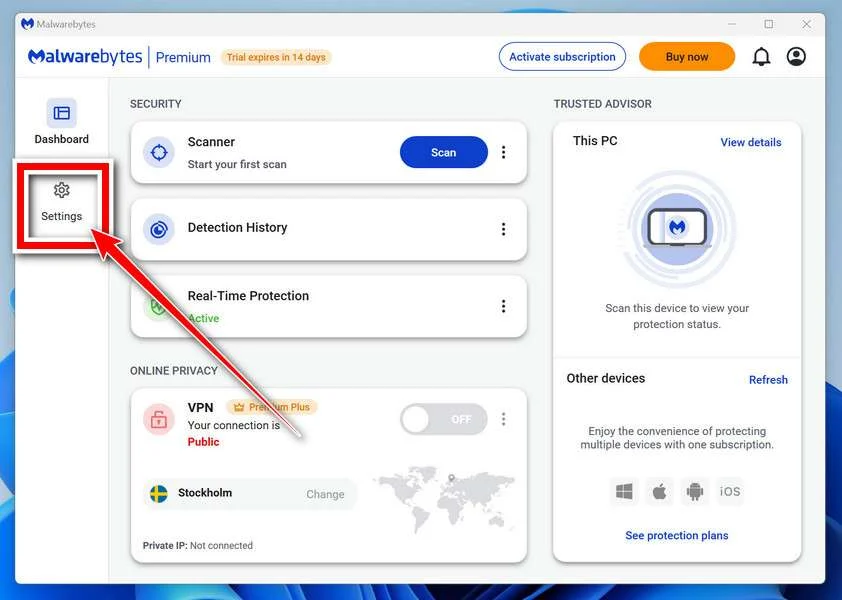
In the settings menu, find “Scan for rootkits” and click the toggle so it turns blue.

Done? Click “Dashboard” in the left pane to return to the main screen.
Start the Scan
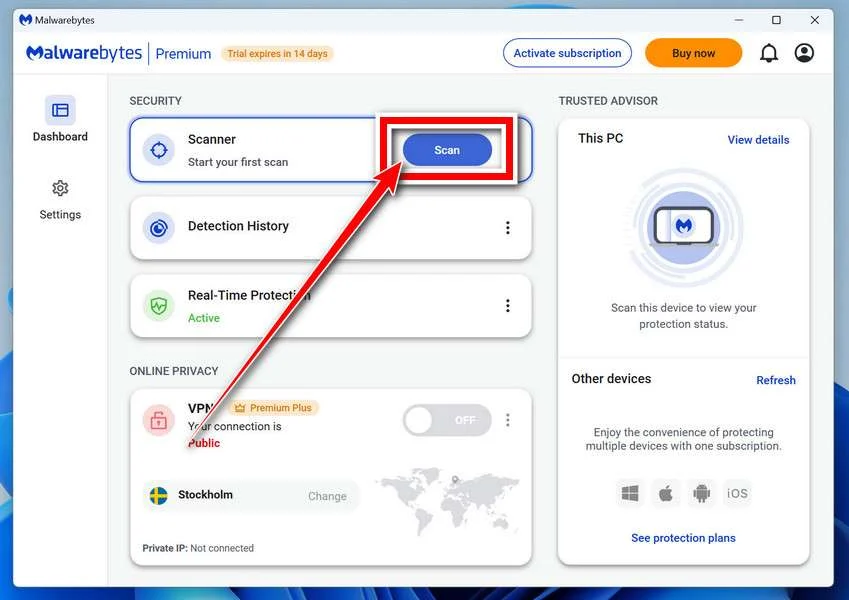
Click the blue Scan button. Malwarebytes will automatically update its virus database and start checking your computer for malware.
-
Wait for the Scan to Finish
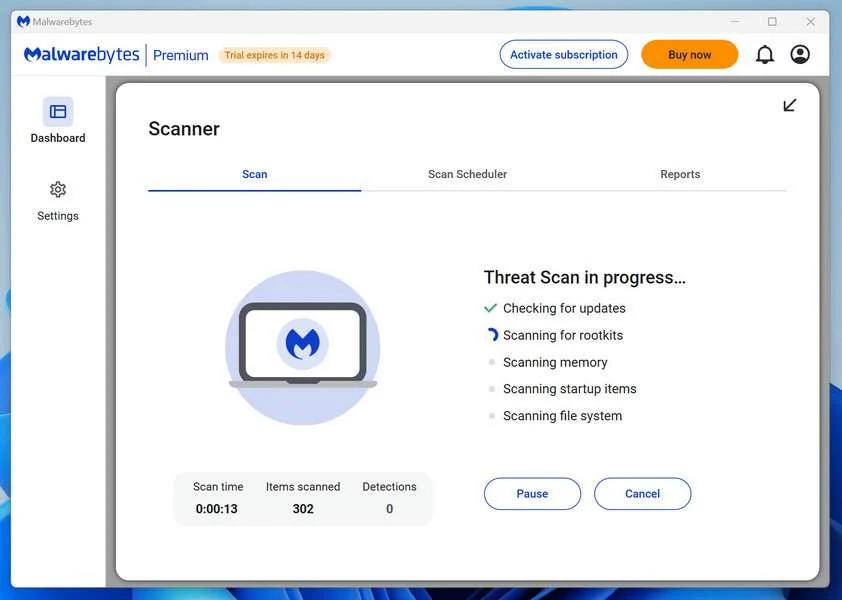
The scan checks your entire system for browser hijackers and other malicious programs, so it can take 5 to 20 minutes depending on your computer. Feel free to do something else — just check back occasionally to see the progress.
-
Quarantine the Detected Threats
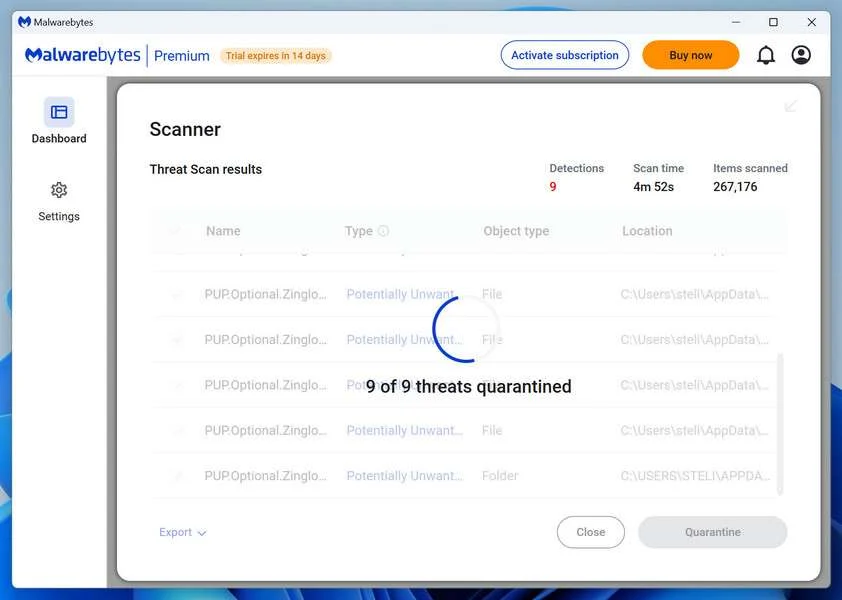
When the scan is done, you’ll see a list of everything Malwarebytes found — malware, adware, and potentially unwanted programs. Click the “Quarantine” button to remove all of them at once.
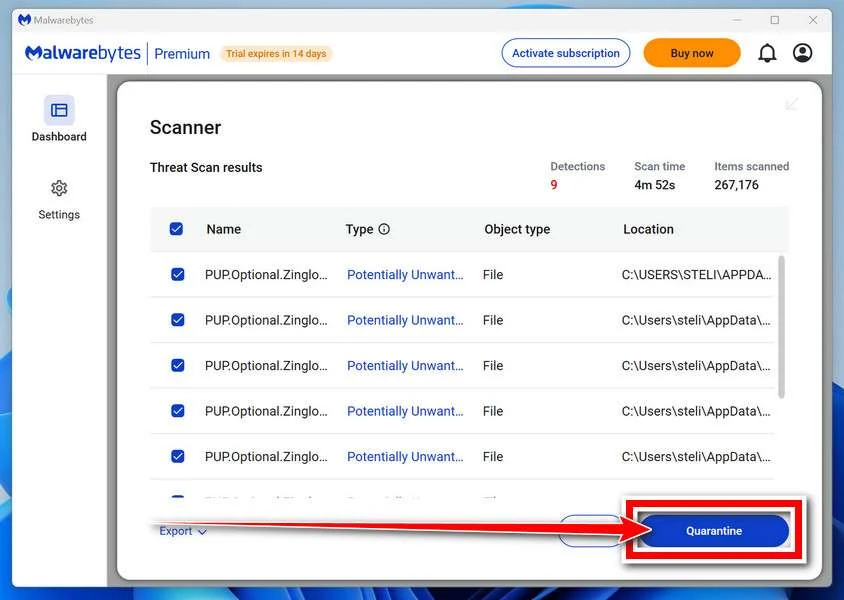
Malwarebytes will now remove the malicious files and registry entries and move them safely into quarantine.
-
Restart Your Computer
Some threats can only be fully removed after a reboot. If Malwarebytes asks you to restart, click Yes. Once you’re logged back in, Malwarebytes has finished removing the threats it found.
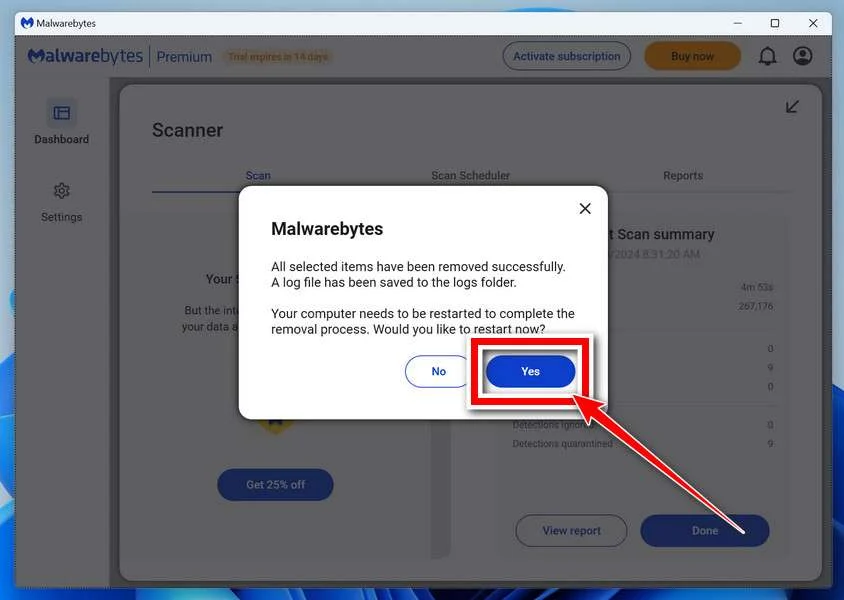
That’s it — your Windows PC is now clean of trojans, adware, and other malware, and should be back to running smoothly.
If you are still having problems with your computer after completing these instructions, then please follow one of the steps:
- Run a computer scan with ESET Online Scanner
- Ask for help in our Windows Malware Removal Help & Support forum.
Run a Malware Scan with Malwarebytes for Mac
Malwarebytes for Mac is a free on-demand scanner that removes the malware other security software tends to miss — adware, browser hijackers, and unwanted programs included. Cleaning an infected Mac with Malwarebytes has always been completely free, and it’s our go-to recommendation. Follow the steps below to scan and clean your Mac in just a few minutes.
-
Download Malwarebytes for Mac
Click the button below to download the latest version of Malwarebytes for Mac.
Download MalwarebytesOfficial installer for macOS. Your download starts right away.Want real-time protection? See Malwarebytes PremiumMalwarebytes Free for MacScans and removes malware at no cost -
Open the Malwarebytes setup file
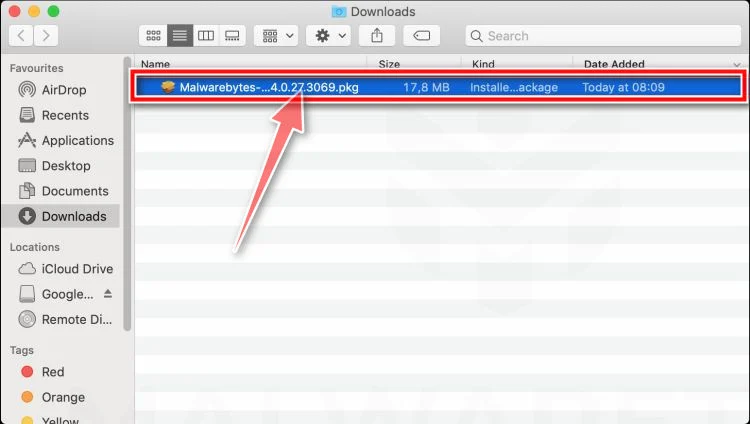
When the download finishes, open your Downloads folder and double-click the setup file to begin the installation.
-
Follow the On-Screen Prompts to Install Malwarebytes
The Malwarebytes for Mac Installer will guide you through a few quick screens. Click “Continue” and keep following the prompts until the installation completes.
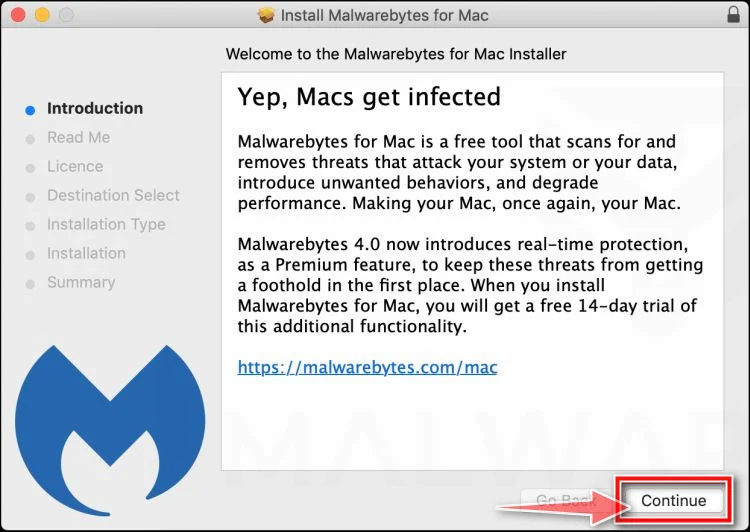
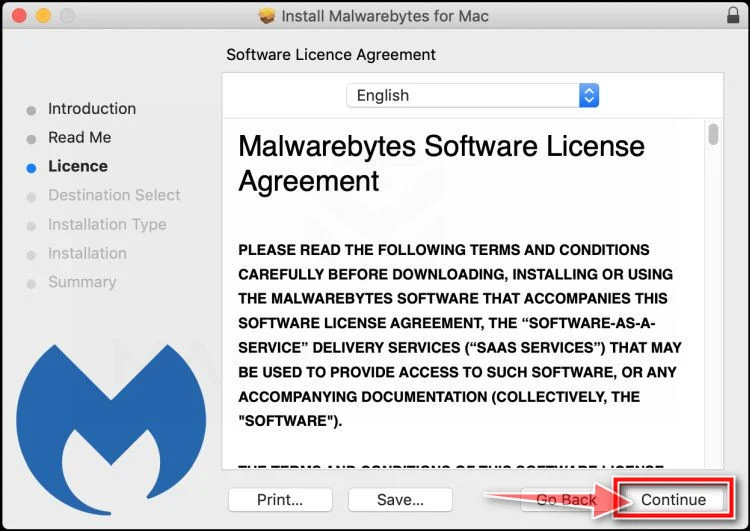
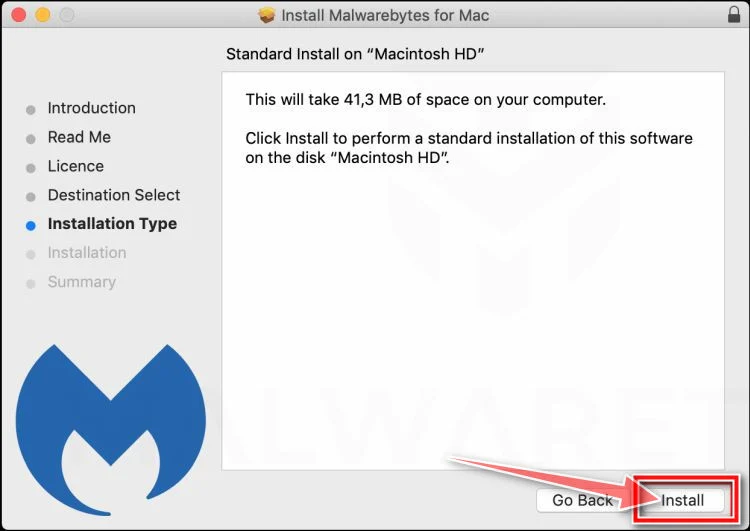
When the installation is complete, Malwarebytes opens to the Welcome to Malwarebytes screen. Click “Get started“.
-
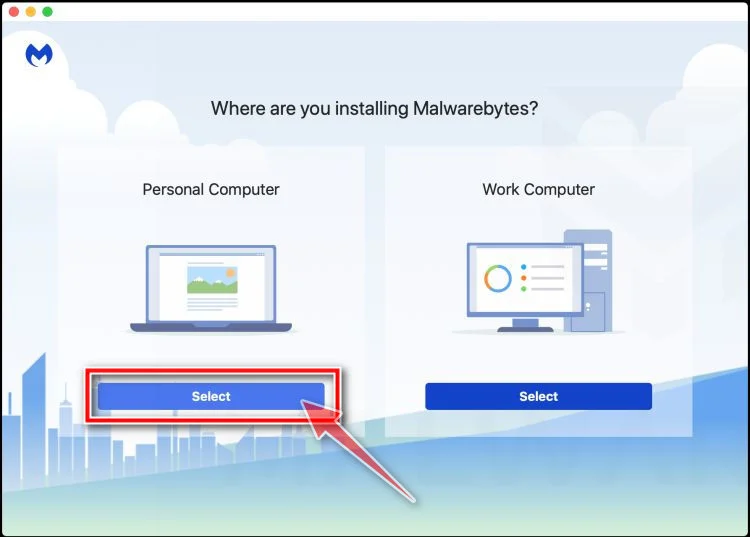
Select “Personal Computer” or “Work Computer”
Malwarebytes will ask what type of computer you’re installing it on. Click either Personal Computer or Work Computer, whichever applies.
-
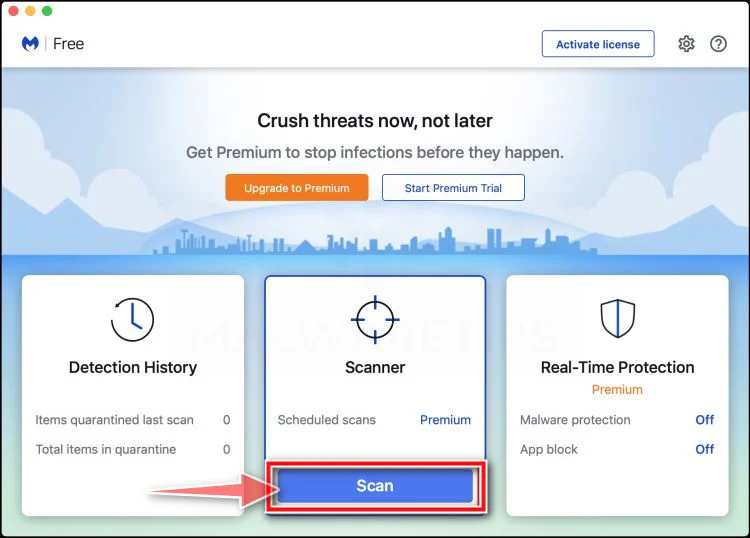
Start the Scan
Click the “Scan” button. Malwarebytes will automatically update its detection database and begin checking your Mac for malware.
-
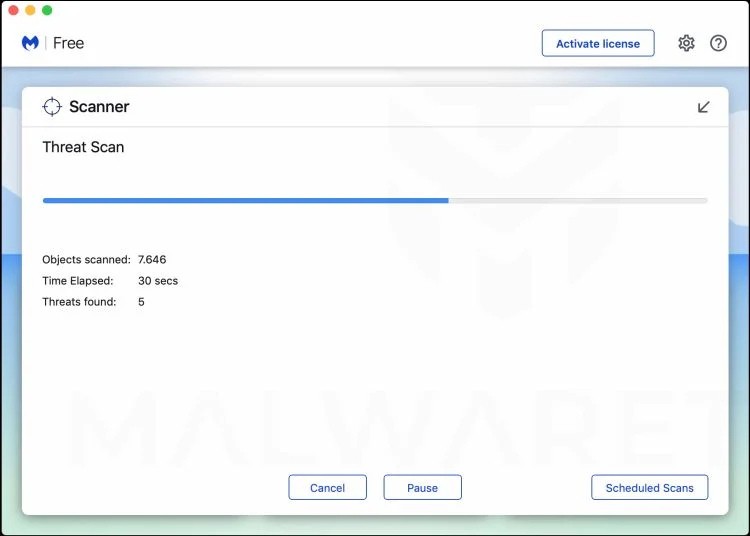
Wait for the Scan to Finish
Malwarebytes will scan your Mac for adware, browser hijackers, and other malicious programs. This can take a few minutes, so feel free to do something else — just check back occasionally to see the progress.
-
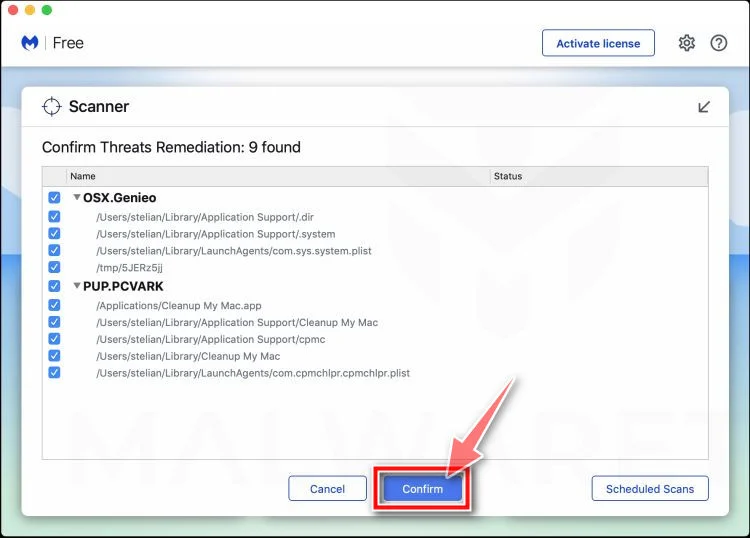
Quarantine the Detected Threats
When the scan is done, you’ll see a list of everything Malwarebytes found. Click the “Quarantine” button to remove all the threats at once.
-
Restart Your Mac
Malwarebytes will now remove all the malicious files it found. Some threats can only be fully removed after a reboot — if Malwarebytes asks you to restart, allow it. Once you’re logged back in, your Mac is clean.
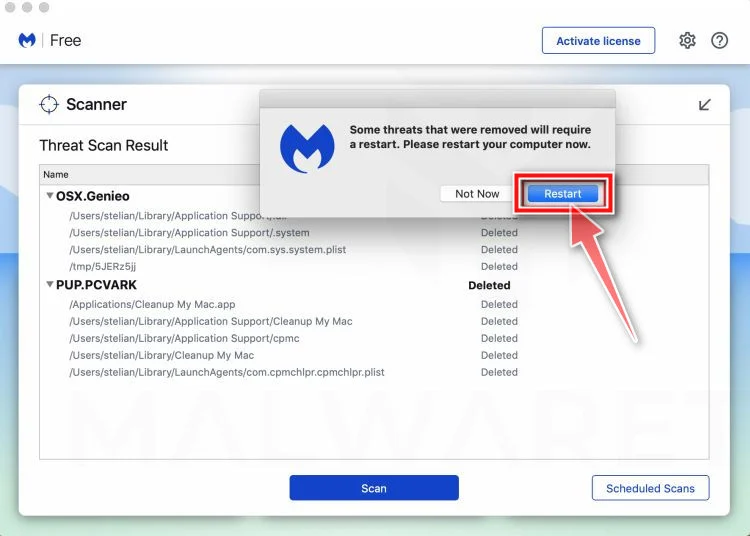
That’s it — your Mac is now free of adware, rogue browser extensions, and other potentially harmful software.
If you are still experiencing problems while trying to remove a malicious program from your computer, please ask for help in our Mac Malware Removal Help & Support forum.
Run a Malware Scan with Malwarebytes for Android
Malwarebytes for Android automatically detects and removes dangerous threats like malware and ransomware so you don’t have to worry about your most-used device being compromised. Aggressive detection of adware and potentially unwanted programs keeps your Android phone or tablet running smooth.
-
Download Malwarebytes for Android.
You can download Malwarebytes for Android by clicking the link below.
Get Malwarebytes for AndroidOpens Google Play in a new tab.Want real-time protection? See Malwarebytes Premium for AndroidMalwarebytes for AndroidScans your phone and removes malware at no cost -
Install Malwarebytes for Android on your phone.
In the Google Play Store, tap “Install” to install Malwarebytes for Android on your device.

When the installation process has finished, tap “Open” to begin using Malwarebytes for Android. You can also open Malwarebytes by tapping on its icon in your phone menu or home screen.

-
Follow the on-screen prompts to complete the setup process
When Malwarebytes will open, you will see the Malwarebytes Setup Wizard which will guide you through a series of permissions and other setup options.
This is the first of two screens that explain the difference between the Premium and Free versions. Swipe this screen to continue.
Tap on “Got it” to proceed to the next step.
Malwarebytes for Android will now ask for a set of permissions that are required to scan your device and protect it from malware. Tap on “Give permission” to continue.
Tap on “Allow” to permit Malwarebytes to access the files on your phone.
-
Update database and run a scan with Malwarebytes for Android
You will now be prompted to update the Malwarebytes database and run a full system scan.

Click on “Update database” to update the Malwarebytes for Android definitions to the latest version, then click on “Run full scan” to perform a system scan.

-
Wait for the Malwarebytes scan to complete.
Malwarebytes will now start scanning your phone for adware and other malicious apps. This process can take a few minutes, so we suggest you do something else and periodically check on the status of the scan to see when it is finished.

-
Click on “Remove Selected”.
When the scan has been completed, you will be presented with a screen showing the malware infections that Malwarebytes for Android has detected. To remove the malicious apps that Malwarebytes has found, tap on the “Remove Selected” button.

-
Restart your phone.
Malwarebytes for Android will now remove all the malicious apps that it has found. To complete the malware removal process, Malwarebytes may ask you to restart your device.
That’s it — your Android phone is now clean — no more malicious apps, adware, or browser redirects.
If you are still having problems with your phone after completing these instructions, then please follow one of the steps:
- Restore your phone to factory settings by going to Settings > General management > Reset > Factory data reset.
- Ask for help in our Mobile Malware Removal Help & Support forum.
Stay Protected: Block Ads and Malicious Sites
Now that your device is clean, keep it that way. Most infections start with a malicious ad or a fake download button — so blocking them at the source is your best defense.
We recommend AdGuard, which blocks malicious ads, phishing pages, and dangerous redirects before they can reach you.
👉 Download AdGuard and browse safely
Frequently Asked Questions
Still unsure if a Venmo alert is legitimate or related to the “Paxful Wallet” scam? This FAQ answers common questions for better scam detection.
What is the Paxful Wallet Venmo scam?
The Paxful Wallet Venmo scam involves fraudulent text messages or emails pretending a suspicious $99.99 charge was made to “Paxful Wallet” on your Venmo account. It provides a fake customer support number and urges victims to call about the unauthorized transaction. Scammers then pose as Venmo agents to gain remote device access for installing malware, stealing data, distributing ransomware and more.
What details should raise red flags?
Be suspicious of any Venmo alert with slight differences from official branding, bad grammar/formatting, or unfamiliar sender details not matching previous Venmo contacts. Analyze links and attachments closely as well before interacting. Cross-reference any listed transactions against your account directly rather than calling random numbers.
How do scammers profit?
By either immediately stealing Venmo balances or long-term harvesting of personal data and login credentials for wider identity theft or ransomware attacks after tricking victims into remote access. Once given control, devices are infected with malware or spyware to compromise connected accounts and networks too.
What should I do if I called the number?
If you connected with scammers posing as Venmo support, immediately disconnect compromised devices then reset passwords for financial accounts remotely accessed – starting with Venmo. Wipe affected devices to factory settings, scan networks checking for malware spread, notify relevant institutions of unauthorized access, and enroll in identity theft monitoring in case of future misuse.
How can the scam be avoided?
Always independently validate unfamiliar Venmo alerts rather than interacting outright. Cross-check sender details against previous Venmo contacts first, then review transactions directly in your account instead of via alerts before calling. Only use Venmo’s official support channels as needed rather than random communications. Never enable remote access without an authenticated verification process.
The Bottom Line
This Venmo phone scam starts with a message designed to provoke recipients into calling a fraudulent customer support line controlled by scammers. By pretending to be Venmo employees, the attackers gain remote access to devices and steal highly sensitive personal data and account access.
The consequences can range from cleaned out Venmo balances to wider identity theft given the breadth of financial and login information these scammers may harvest once given device access. That’s why it’s critical consumers learn to spot and avoid the scam entirely by verifying communications purporting be from Venmo or other financial institutions. If contact is made, strictly avoid granting any form of remote access to your device or accounts during a suspicious call.

Join the discussion
0 commentsShare your experience or ask a question about this article.
Discussion
Start the conversation
Have a question or something useful to share? Add the first comment.