

When it comes to computer security, it’s important to understand the various processes and utilities that run on your system. One such utility that you may come across is WDAGUtility. In this article, we will explore what WDAGUtility is, how it works, and whether or not you should remove it from your system.
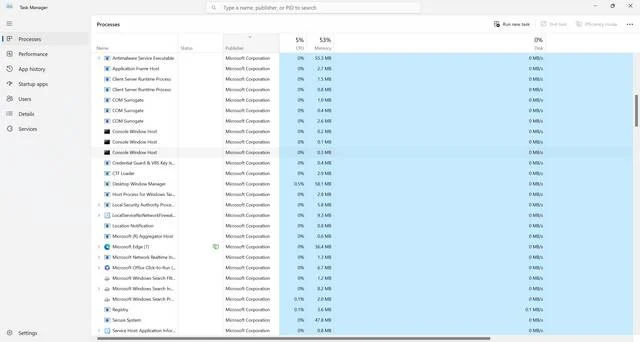
What is WDAGUtility?
WDAGUtility stands for Windows Defender Application Guard Utility. It is a component of Windows Defender, the built-in antivirus and security solution provided by Microsoft. WDAGUtility is responsible for managing and running Windows Defender Application Guard, a feature that helps protect your system from malicious software and websites.
Windows Defender Application Guard creates a virtualized environment, also known as a container, where you can safely open untrusted websites and files. This container is isolated from the rest of your system, preventing any potential malware or threats from affecting your main operating system.
How Does WDAGUtility Work?
WDAGUtility works in conjunction with Windows Defender Application Guard to provide a secure browsing experience. When you open a website or file in an isolated container, WDAGUtility ensures that the container is properly set up and manages the communication between the container and your main operating system.
When you access a website or open a file in an isolated container, any potential threats are contained within that environment. This means that even if the website or file is malicious, it cannot harm your main operating system or access your personal data. Once you close the container, any changes made within it are discarded, ensuring a clean and secure browsing experience.
Should I Remove WDAGUtility?
Now that we understand what WDAGUtility does, the question arises: should you remove it from your system? The answer depends on your specific needs and requirements.
If you frequently visit untrusted websites or open files from unknown sources, WDAGUtility can provide an additional layer of protection. It helps mitigate the risk of malware infections and protects your system from potential threats. In such cases, it is recommended to keep WDAGUtility enabled.
However, if you rarely encounter untrusted websites or files and prefer to rely on other security measures, you may consider disabling or removing WDAGUtility. Keep in mind that doing so will remove the protection offered by Windows Defender Application Guard, and you will need to rely on alternative security solutions.
How to Disable or Remove WDAGUtility?
If you have decided to disable or remove WDAGUtility from your system, here are the steps to follow:
- Open the Windows Security app by clicking on the Windows Security icon in the taskbar or by searching for it in the Start menu.
- Click on “Virus & threat protection” in the left-hand menu.
- Scroll down and click on “Manage settings” under the “Virus & threat protection settings” section.
- Under the “Isolation” section, toggle off the “Windows Defender Application Guard” option.
- Follow the on-screen prompts to confirm the changes.
By following these steps, you can disable WDAGUtility and Windows Defender Application Guard on your system.
Conclusion
WDAGUtility, also known as Windows Defender Application Guard Utility, is a component of Windows Defender that manages and runs Windows Defender Application Guard. It provides a secure browsing experience by isolating untrusted websites and files in a virtualized environment.
Whether or not you should remove WDAGUtility depends on your specific needs and requirements. If you frequently encounter untrusted websites or files, it is recommended to keep WDAGUtility enabled for added protection. However, if you rarely encounter such situations and prefer alternative security measures, you may consider disabling or removing WDAGUtility.
Remember, computer security is a multi-layered approach, and it’s important to have a reliable antivirus solution installed. Consider running a scan with Malwarebytes Free or any other reputable antivirus software to ensure your system is protected from all potential threats.

Join the discussion
0 commentsShare your experience or ask a question about this article.
Discussion
Start the conversation
Have a question or something useful to share? Add the first comment.