

When you open the Task Manager on your Windows computer, you may notice a process called “Windows Store” running in the background. This can be confusing for some users who are not familiar with the inner workings of their operating system. In this article, we will explore why the Windows Store process is running in Task Manager and what it means for your computer.
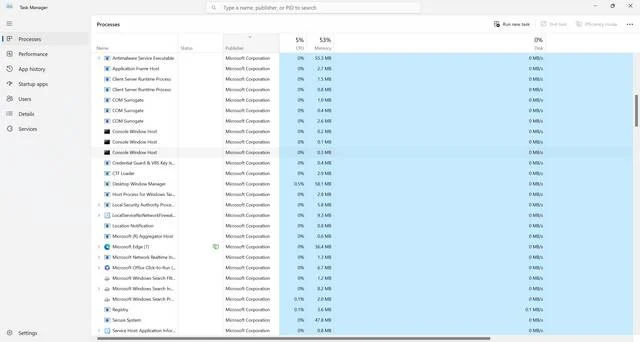
Understanding the Windows Store Process
The Windows Store process, also known as “WSService,” is a legitimate component of the Windows operating system. It is responsible for managing and updating the applications installed from the Microsoft Store. The Microsoft Store, formerly known as the Windows Store, is an online marketplace where users can download and install various applications, games, and other digital content.
When you install an application from the Microsoft Store, the Windows Store process is responsible for handling the installation, updates, and maintenance of that application. It ensures that the installed applications are up to date and functioning properly.
Why Does the Windows Store Process Run in the Background?
The Windows Store process runs in the background to provide seamless updates and maintenance for the applications installed from the Microsoft Store. By running continuously, it can check for updates and install them automatically, ensuring that you have the latest versions of your installed applications.
Additionally, the Windows Store process allows for background downloads and installations of applications. This means that even if you are not actively using the Microsoft Store, the process can continue to download and install updates for your installed applications in the background, saving you time and effort.
Is the Windows Store Process Safe?
Yes, the Windows Store process is safe and is an essential part of the Windows operating system. It is not a virus or malware. However, it is always a good practice to ensure that your computer is free from any potential threats. If you suspect any malicious activity or want to be extra cautious, you can scan your computer for viruses or malware using reputable antivirus software.
We recommend using Malwarebytes Free to scan your computer for any potential threats. Malwarebytes is a trusted antivirus software that can detect and remove various types of malware, including viruses, spyware, and adware.
How to Manage the Windows Store Process
If you want to manage the Windows Store process or control its behavior, you can do so through the Windows Settings. Here’s how:
- Open the Windows Settings by clicking on the Start menu and selecting the “Settings” gear icon.
- In the Settings window, click on “Apps.”
- On the left sidebar, click on “Apps & features.”
- Scroll down and find “Microsoft Store” in the list of installed apps.
- Click on “Microsoft Store” and select “Advanced options.”
- In the Advanced options, you can control various settings related to the Windows Store process, such as resetting the app, repairing it, or terminating it.
By accessing the Advanced options, you can troubleshoot any issues related to the Windows Store process or modify its behavior according to your preferences.
Conclusion
The Windows Store process running in Task Manager is a legitimate component of the Windows operating system. It is responsible for managing and updating the applications installed from the Microsoft Store. By running in the background, it ensures that your installed applications are up to date and functioning properly.
While the Windows Store process is safe, it is always recommended to scan your computer for viruses or malware using reputable antivirus software like Malwarebytes Free. This will help ensure the overall security and performance of your computer.
If you want to manage the Windows Store process or control its behavior, you can do so through the Windows Settings. Accessing the Advanced options for the Microsoft Store allows you to troubleshoot issues or modify the process according to your preferences.
Now that you understand why the Windows Store process is running in Task Manager, you can rest assured that it is a normal part of the Windows operating system and plays a crucial role in keeping your installed applications up to date.

Join the discussion
0 commentsShare your experience or ask a question about this article.
Discussion
Start the conversation
Have a question or something useful to share? Add the first comment.