

When you open the Task Manager on your Windows computer, you may notice a process called “Workstation” running in the background. This can be a cause for concern for some users, as they may wonder what this process is and why it is running on their system. In this article, we will explore the purpose of the Workstation process and its significance in the Windows operating system.
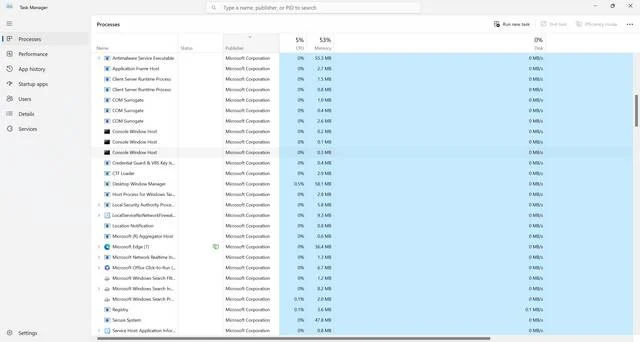
Understanding the Workstation Process
The Workstation process, also known as “LanmanWorkstation,” is a crucial component of the Windows operating system. It is responsible for providing support for network file sharing and communication between the computer and remote servers or other network devices. This process allows users to access shared files and printers on a network and perform various network-related tasks.
The Workstation process is essential for the functioning of network-based services and applications on a Windows computer. It enables the computer to connect to file servers, network-attached storage (NAS) devices, and other network resources. Without the Workstation process, users would not be able to access shared files or utilize network printers.
Why Is the Workstation Process Running?
If you see the Workstation process running in the Task Manager, it indicates that your computer is currently connected to a network or has recently accessed network resources. The process remains active as long as there are active network connections or pending network tasks.
Here are some common scenarios where the Workstation process may be running:
- You are connected to a local area network (LAN) at your workplace or home.
- You have accessed shared files or printers on a network.
- You are using network-based applications that rely on the Workstation process.
It is important to note that the presence of the Workstation process in the Task Manager does not necessarily indicate any malicious activity or security threat. However, if you notice any unusual behavior or suspect malware infection, it is always recommended to scan your system for viruses or malware using a reliable security software like Malwarebytes Free.
Impact on System Performance
The Workstation process typically has a minimal impact on system performance. It consumes a small amount of system resources, such as CPU and memory, to facilitate network communication. However, the resource usage of the Workstation process may vary depending on the network activity and the number of network connections.
If you notice a significant increase in resource usage by the Workstation process, it could indicate a problem with your network configuration or a potential issue with a network device. In such cases, it is advisable to troubleshoot your network settings or seek assistance from a network administrator.
Troubleshooting the Workstation Process
If you are experiencing any issues related to network file sharing or encountering errors with the Workstation process, here are some troubleshooting steps you can follow:
- Restart your computer: Sometimes, a simple restart can resolve temporary network-related issues.
- Check network connectivity: Ensure that your computer is properly connected to the network and has a stable internet connection.
- Verify network settings: Review your network settings, including IP configuration, DNS settings, and firewall rules, to ensure they are correctly configured.
- Update network drivers: Outdated or incompatible network drivers can cause issues. Update your network drivers to the latest version provided by the manufacturer.
- Scan for malware: Run a scan with a reputable antivirus or anti-malware software like Malwarebytes Free to check for any potential malware infections.
By following these troubleshooting steps, you can resolve common network-related issues and ensure the smooth functioning of the Workstation process.
Summary
The Workstation process plays a vital role in enabling network file sharing and communication on Windows computers. It allows users to access shared files, printers, and other network resources. If you see the Workstation process running in the Task Manager, it indicates that your computer is connected to a network or has recently accessed network resources.
While the Workstation process is generally harmless, it is essential to remain vigilant and scan your system for viruses or malware if you suspect any malicious activity. Additionally, troubleshooting network-related issues can help resolve any problems with the Workstation process and ensure smooth network connectivity.
Remember, the Workstation process is an integral part of the Windows operating system, facilitating seamless network communication and enhancing productivity for users.

Join the discussion
0 commentsShare your experience or ask a question about this article.
Discussion
Start the conversation
Have a question or something useful to share? Add the first comment.