

Have you ever come across the file name “wpscenter.exe” on your computer and wondered what it is and whether you should remove it? In this article, we will delve into the details of wpscenter.exe, its purpose, and whether it poses any potential risks to your system. So, let’s get started!
What is wpscenter.exe?
Wpscenter.exe is a legitimate executable file associated with the WPS Office suite, a popular alternative to Microsoft Office. WPS Office offers a range of productivity tools, including a word processor, spreadsheet program, and presentation software. The wpscenter.exe file is responsible for managing the central control center of the WPS Office suite, allowing users to access and control various features and settings.
When you install WPS Office on your computer, the wpscenter.exe file is automatically created and placed in the installation directory. It runs in the background to ensure smooth functioning of the WPS Office suite and provides users with a convenient way to access and manage their documents.
Should I Remove wpscenter.exe?
Now that we know what wpscenter.exe is, the question arises: should you remove it from your system? The answer depends on your usage and preferences. Here are a few factors to consider:
1. If you use WPS Office:
If you actively use WPS Office and rely on its features for your daily tasks, it is recommended to keep wpscenter.exe on your system. Removing it may disrupt the functioning of the WPS Office suite and prevent you from accessing its features and settings.
2. If you don’t use WPS Office:
If you don’t use WPS Office and have no intention of using it in the future, you can consider removing wpscenter.exe. However, keep in mind that removing the file may leave behind residual files or registry entries, which can clutter your system. It is advisable to use a reliable uninstaller or a dedicated software removal tool to ensure a clean removal.
3. If you suspect malware:
In some cases, malware disguises itself as legitimate files to evade detection. If you notice any suspicious behavior or suspect that wpscenter.exe may be malware, it is crucial to investigate further and take appropriate action. Running a thorough antivirus scan using a reputable security software like Malwarebytes Free can help identify and remove any potential threats.
Is wpscenter.exe Malware?
While wpscenter.exe itself is not considered malware, it is essential to remain vigilant and ensure that the file is not compromised or replaced by malicious software. Cybercriminals often use similar file names to deceive users and gain unauthorized access to their systems.
To verify the authenticity of wpscenter.exe, you can follow these steps:
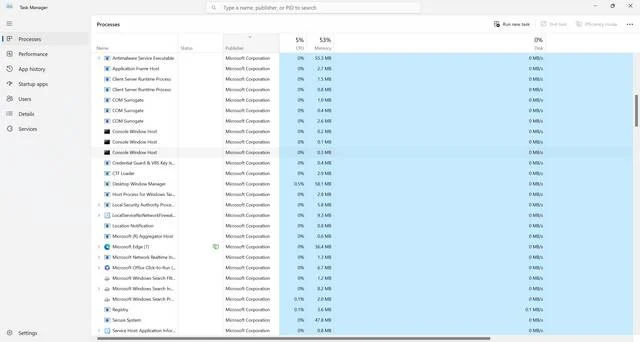
- Open the Windows Task Manager by pressing Ctrl + Shift + Esc or right-clicking on the taskbar and selecting “Task Manager.”
- Navigate to the “Processes” tab and locate wpscenter.exe.
- Right-click on wpscenter.exe and select “Open File Location.”
- Verify that the file is located in the legitimate installation directory of WPS Office. If it is located elsewhere or in a suspicious folder, it may indicate a potential threat.
If you have any doubts about the authenticity of wpscenter.exe, it is advisable to run a comprehensive antivirus scan using a trusted security software like Malwarebytes Free. This will help detect and remove any malware or potentially unwanted programs that may be present on your system.
Summary
In conclusion, wpscenter.exe is a legitimate executable file associated with the WPS Office suite. If you actively use WPS Office, it is recommended to keep wpscenter.exe on your system. However, if you don’t use WPS Office or suspect malware, you can consider removing it. Remember to use reliable uninstallation methods or dedicated software removal tools to ensure a clean removal.
Always remain cautious and verify the authenticity of wpscenter.exe to prevent falling victim to malware or other security threats. Regularly running antivirus scans using reputable security software like Malwarebytes Free can help keep your system protected and secure.

Join the discussion
0 commentsShare your experience or ask a question about this article.
Discussion
Start the conversation
Have a question or something useful to share? Add the first comment.